
Duties of a Quantity Surveyor in the Concept and Viability Phase
Understanding the Critical Role in Project Feasibility and Cost Management
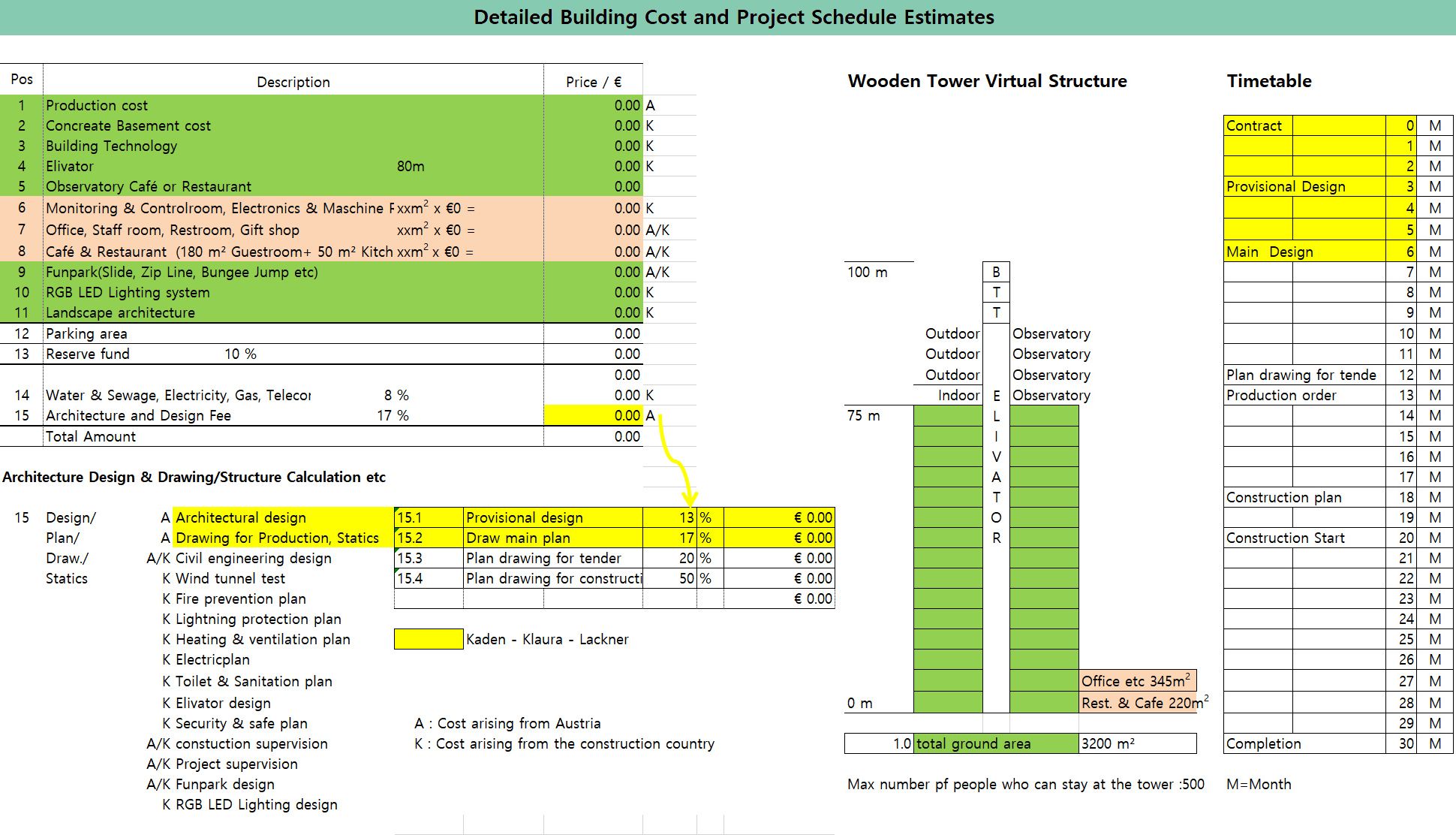
Key Highlights
- Preliminary Cost and Economic Analysis: Detailed initial cost estimates and feasibility studies provide the financial foundation.
- Risk Management and Value Engineering: Identifying risks, advising on cost-effective alternatives, and ensuring quality within budget.
- Stakeholder Collaboration and Documentation: Close interaction with clients and design teams to produce precise documentation and set financial parameters.
Overview
In the early stages of a construction project—specifically during the concept and viability phase—the Quantity Surveyor (QS) is a pivotal member of the project team. This phase lays the groundwork for the entire project, focusing on determining whether the proposed development is financially viable and sustainable over the project’s lifecycle. In this role, the QS is tasked with a diverse range of responsibilities primarily surrounding cost estimation, economic analysis, risk management, and stakeholder engagement. Their detailed analysis helps ensure that all design ideas can be grounded in a realistic budget and aligned with strategic financial objectives.
Detailed Analysis of QS Duties
1. Preliminary Cost Estimation and Economic Analysis
One of the primary tasks of the QS during the concept and viability stage involves establishing preliminary cost estimates. This process includes:
Initial Cost Estimation
The QS gathers all available information such as early design sketches, accommodation particulars, and preliminary project drawings. Using this data, they analyze construction scopes and work out rough costs for materials, labor, equipment, and other related expenses. The objective is to paint an early picture of the overall financial requirements, enabling stakeholders to determine if the project needs to be adjusted or scaled back for financial feasibility.
Economic Viability Studies
Beyond cost estimation, QS professionals conduct in-depth economic analyses that include:
- Assessing estimated material and labor costs along with ancillary expenses.
- Evaluating external economic factors such as market trends, inflation, and currency fluctuations.
- Undertaking feasibility studies to gauge the return on investment (ROI) and financial sustainability over the project duration.
These studies often involve a mix of qualitative assessments and quantitative models, ensuring that the investment is robust from a financial standpoint.
2. Risk Assessment and Risk Mitigation Strategies
Identifying potential risks is central to constructing a reliable budget and safeguarding the project's financial health. During the initial stages:
Risk Identification
The QS actively identifies latent financial risks, which could include unexpectedly high costs due to fluctuating market conditions, unforeseen site challenges, and supply chain disruptions. By cataloging these potential pitfalls early in the project cycle, the QS helps build a risk-aware project framework.
Developing Mitigation Strategies
Once risks are identified, the QS devises effective mitigation strategies. Techniques such as building contingency amounts into the budget, proposing fixed-price contracts with suppliers, and using value engineering to opt for alternatives that maintain quality while reducing cost are common approaches. These strategies ensure that even if unforeseen issues arise, the project can adjust without compromising financial stability.
3. Value Engineering and Cost Optimization
At the concept and viability phase, value engineering is crucial for ensuring that the design and project execution remain cost-effective. The QS:
Evaluating Alternative Materials and Designs
The QS assesses various design options and construction methodologies to discern which alternatives offer the best balance between cost and quality. This may involve:
- Comparing costs between different building materials, components, or structural solutions.
- Recommending design modifications that maximize functionality and aesthetics without leading to cost overruns.
Such analyses not only help in narrowing down to the most viable solution but also boost the overall economic efficiency of the project.
Aligning with Client Objectives
Value engineering also closely aligns with the client’s vision. It ensures that design revisions reflect both the target budget and quality expectations, thereby minimizing potential conflicts later in the project lifecycle.
4. Budget Development and Financial Planning
Setting the initial budget is a collaborative process where the QS works hand-in-hand with the client and the design team. This stage involves:
Defining Financial Boundaries
The QS uses the preliminary cost estimates and economic analyses to suggest realistic financial boundaries. By doing so, they help clients understand the expected financial commitment and aid in planning for financing, funding, or investment strategies.
Documenting the Budget
Detailed documentation is crucial. The QS prepares various reports including cost estimates, elemental cost plans, preliminary budgets, and feasibility study reports. These documents serve as blueprints for the financial monitoring process and provide transparency and accountability for all stakeholders.
5. Stakeholder Engagement and Collaborative Project Brief Development
Engaging with key stakeholders is an indispensable aspect of the QS's role during the concept and viability phase:
Conducting Initial Meetings
Early project meetings, often involving clients, architects, engineers, and financial advisors, are organized by the QS to gain a comprehensive understanding of the client's vision, expectations, and project requirements. These meetings help define the scope of works and set the stage for more detailed planning.
Developing a Comprehensive Project Brief
The QS collaborates on drafting a project brief that accurately reflects client goals, design requirements, and financial constraints. This document is vital for aligning all parties and ensuring that the project proceeds with a unified vision and clear financial backing.
6. Preparation of Tender Documentation
The role of the QS extends to the creation of detailed tender documents such as Bills of Quantities (BoQs). These documents break down the project into detailed elements including:
- Itemized costs for labor and materials, ensuring that all potential expenses are accounted for.
- Facilitating the tendering process, enabling contractors to understand the scope and specifics of work expected.
Well-prepared documentation is essential for achieving transparent competitive tendering and ensuring that bids are assessed on a clear, consistent basis.
7. Financial Advisory and Market Analysis
In addition to strict cost estimation and risk management processes, the QS also plays an advisory role:
Advising on Procurement Strategies
The QS helps clients navigate different procurement strategies such as competitive tendering versus negotiated contracts. This advisory is crucial when market conditions or the complexity of the project necessitate a tailored approach to contracting.
Monitoring Market Trends and Economic Indicators
By keeping an eye on market fluctuations, the QS recommends adjustments in planning. This could include advising a client to delay a phase of construction if market conditions are unfavorable, or to lock in prices early to avoid inflationary pressures.
Summary of Responsibilities
The following table outlines the various responsibilities of a Quantity Surveyor during the concept and viability stage, highlighting the critical actions that ensure financial viability and project success:
| Category | Responsibilities |
|---|---|
| Cost Estimation |
|
| Economic Analysis |
|
| Risk Management |
|
| Value Engineering |
|
| Stakeholder Collaboration |
|
| Tender Documentation |
|
| Financial Advisory |
|
Additional Insights into the QS Role
The duties of a Quantity Surveyor during the concept and viability phase extend into numerous facets of project planning that interlink to create a solid financial framework. Their contributions are not isolated to a simple cost calculation, but rather involve a systemic approach that integrates early economic forecasting with detailed budgeting and risk control measures.
One significant aspect is the emphasis on integrating value engineering into early design processes. This not only aids in keeping the project within budget but also requires a thorough understanding of both the technical design and market pricing of various building elements. The QS acts as a bridge between creative design and pragmatic financial planning, ensuring that while design visions are innovative, they do not exceed financial constraints.
The analysis of market trends is another critical area. As construction projects can be heavily affected by fluctuations in raw material costs and labor markets, the QS must remain agile in their approach. They monitor trends that might impact economic assumptions, including geopolitical events, commodity price changes, and unforeseen supply chain challenges. Their continuous updates and advisories help in recalibrating budgets and offering recommendations that maintain the project's economic feasibility.
Furthermore, detailed tender documentation guarantees that the handover to the next phase of the project is smooth. With precise Bills of Quantities and cost assessments, potential contractors are better positioned to provide competitive bids, thereby avoiding surprises that might derail the project's financial integrity during later stages.
Overall, the QS's role is highly collaborative. They are required to work alongside various professionals— from architects and engineers to financial analysts and project managers—to ensure that every critical decision is assessed from a cost perspective. This collaboration not only streamlines the planning process but also significantly reduces risks associated with financial misalignment, ensuring that the project set forth is both ambitious and achievable.
References
- QS Manual QS 001 - Public Works
- Project Life Cycle - NDIDALI QS
- Quantity Surveyor Duties - Metroun
- Pre-Contract vs Post-Contract QS Roles - Rory Connolly QS
- Quantity Surveyors in Construction - Prycoglobal
- Job Description: Quantity Surveyor - ResumeDesign.ai
- Duties & Responsibilities - Measure Manage
- Role of a Quantity Surveyor - RICS
- Stages of Quantity Surveying - Newton Fisher
- Guide for Quantity Surveyors - Property Sensor
Recommended Further Reading
Last updated March 3, 2025