
Unveiling Hidden Realities: Social Media and Learners' Mental Health
Exploring innovative qualitative methods that reveal aspects AI-driven data cannot capture
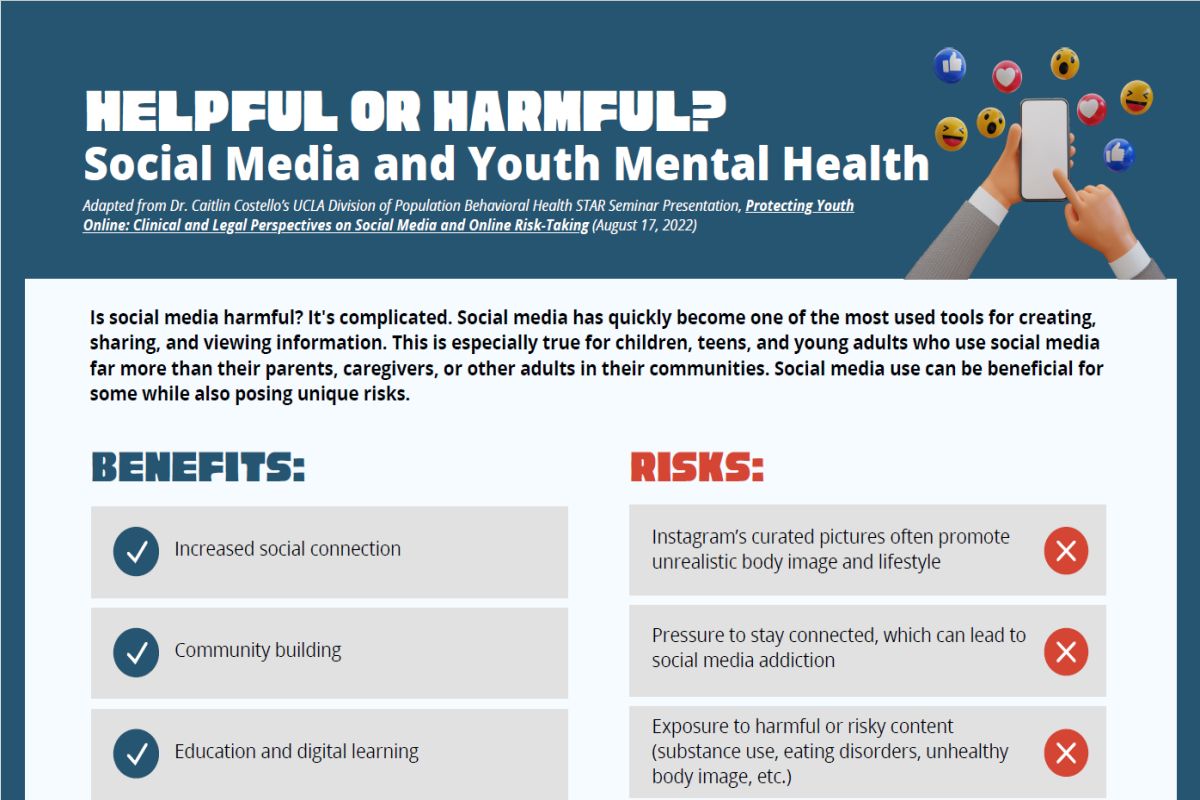
Key Highlights
- Human-Centered Narratives: In-depth interviews, reflective journaling, and collaborative storytelling capture rich, personal experiences.
- Immersive Observations: Ethnographic studies, participant observations, and sensory ethnography enable contextual understanding of real-world interactions.
- Creative and Visual Techniques: Photovoice and participant-led creative workshops help reveal emotions and perceptions that transcend textual data.
Innovative Qualitative Research Methods Beyond AI-Derived Insights
1. In-Depth Interviews
In-depth interviews remain a crucial tool in capturing the nuances of learners’ personal experiences with social media and its impact on their mental health. This method goes beyond surface-level statistics by enabling researchers to probe for deeper meanings, motivations, and emotional nuances that AI-driven methods often overlook.
Methodology
Researchers schedule one-on-one sessions with learners from a diverse background, ensuring a broad spectrum of experiences. Semi-structured interview guides allow flexibility to delve into unexpected topics and follow promising leads. Possible focal questions include:
- "Can you share a significant experience where social media affected your emotional state?"
- "How do you manage stress or anxiety linked to online interactions?"
- "What role does social media play in your perceptions of self-worth?"
2. Focus Groups with Diverse Cohorts
Bringing together groups of learners provides a collaborative environment where participants discuss and reframe their experiences with social media. These conversations reveal collective dynamics, common challenges, and shared coping strategies. The group setting often uncovers contradictions or reinforces themes that individual interviews may not highlight.
Setup and Execution
Organize focus groups of 6-8 participants, ensuring representation across various age groups, socioeconomic backgrounds, and educational levels. A skilled moderator should guide the discussion using open-ended prompts, such as:
- "What similarities exist in your experiences with social media and its influence on mental health?"
- "In what ways do group dynamics affect perceptions of online interactions?"
- "Which shared experiences stand out when social media acts as a stressor?"
3. Reflective Journaling and Diary Studies
Learners documenting their daily interactions with social media offers longitudinal data that captures fluctuations in mood and mental health over time. This method provides an introspective view that AI analyses may misinterpret. The personal nature of diaries ensures insights into emotional triggers, stress patterns, and recovery moments.
Implementation Strategies
Provide participants with a structured diary template that encourages regular entries. Prompts might include:
- "Describe your interactions on social media today and how they impacted your mood."
- "Identify any moments of anxiety or joy linked to online activities."
- "Reflect on any changes in your self-image after engaging with social media."
4. Ethnographic and Participant Observation
Direct observation facilitates an understanding of social and behavioral dynamics that are often context-specific. By embedding in learners' natural environments, researchers can observe not only explicit behaviors but also subtle non-verbal cues, interactions, and the socio-cultural context that AI may fail to recognize.
Fieldwork Techniques
Researchers may attend classes, social media-related workshops, or even digital spaces where learners interact. Detailed field notes, photographs (with consent), and audio recordings can serve as data sources. Researchers focus on:
- Observing changes in mood during peak usage times.
- Documenting peer interactions and how group dynamics unfold online and offline.
- Recording spontaneous conversations or reactions to social media content.
5. Photovoice: A Visual Narrative Approach
Photovoice leverages visual data to capture the subjective experiences of learners regarding social media’s impact on their mental health. This method enables participants to express feelings that might not be conveyed through verbal or written descriptions alone.
Process
Equip participants with cameras or encourage them to use their smartphones to capture images that symbolize their experiences. Facilitate follow-up sessions where learners explain the emotions, contexts, and stories behind the photos. Key steps involved are:
- Briefing participants on ethical photo-taking and consent procedures.
- Creating a comfortable setting for sharing and discussion of the images.
- Integrating visual analysis with narrative descriptions to develop a multi-layered understanding.
6. Collaborative Autoethnography and Co-Construction of Narratives
In contrast to traditional ethnography, collaborative autoethnography involves researchers and participants working together to construct narratives that detail personal experiences. This method emphasizes shared authorship and can reveal transformation over time.
Collaborative Process
Organize workshops where learners collectively share stories, identify themes, and analyze their experiences. This participatory research model blurs the lines between observer and observed, creating more authentic insights. Discussion prompts might include:
- "How have your experiences evolved with increased social media use?"
- "Which moments serve as turning points in your mental well-being?"
- "What shared challenges and triumphs emerge when discussing social media?"
7. Sensory Ethnography
Sensory ethnography extends traditional observational methods by considering how the senses—sight, sound, and even touch—inform learners’ experiences with social media. This approach acknowledges that digital interactions are experienced holistically.
Method Details
Researchers immerse themselves in environments where sensory stimuli related to social media are abundant. For example, a classroom where digital devices, ambient sounds from notifications, and visual feeds are all experienced simultaneously. Noting how these elements interact can reveal:
- Emotional and physical responses to digital stimuli.
- How sensory overload or a calming digital interface influences mood and stress.
- The interplay between digital content and real-world interactions.
8. Life History Interviews
Life history interviews provide temporal depth, exploring how learners' interactions with social media have shaped their mental health over extended periods. This method foregrounds change and continuity in personal narratives.
Conducting Life History Interviews
Identify participants who have experienced significant transformation in their relationship with social media. The interviews should cover a broad timeline, asking questions such as:
- "How has your social media use changed throughout your academic journey?"
- "What long-term effects have you noticed on your mental well-being?"
- "Which incidents had lasting impacts on your perspective about social media?"
9. Social Media Content Analysis with Human Coding
Although content analysis is often automated, human coding is essential to interpret subtle nuances like sarcasm, cultural context, and emotional undercurrents. Through detailed examination of social media posts, comments, and images, researchers can uncover themes that standard algorithms may miss.
Operational Approach
Select a representative sample of posts from learners’ social media activity. Human coders should then identify themes, emotional cues, and narrative structures. This manual review allows for contextual interpretation that enriches the data and uncovers latent emotional signals.
10. Participant-Led Workshops and Creative Expression Sessions
Engaging learners in workshops where they co-create content not only serves as a data collection method but also empowers participants to express their experiences in non-traditional formats such as art, storytelling, or role-play. These creative sessions help bypass the constraints of standard interviews.
Workshop Dynamics
Facilitate sessions where learners are asked to use creative mediums to illustrate their perceptions of social media. Activities could include:
- Constructing mind maps that illustrate the links between online interactions and emotional responses.
- Performing role-plays that depict conflict and resolution in digital communications.
- Using drawing or collage methods to visually represent mental health impacts.
Integrating Methods: A Comprehensive Approach
Combining these qualitative research methods ensures that the study of social media's impact on learners' mental health is both rich and multidimensional. The table below provides an overview of the methods, their purposes, and key features:
| Research Method | Purpose & Focus | Key Features |
|---|---|---|
| In-Depth Interviews | Capture personal narratives and emotional subtleties | Semi-structured questions, follow-up probes, diverse samples |
| Focus Groups | Explore group dynamics and shared experiences | Guided discussions, diverse participant cohorts, safe exchange environment |
| Reflective Journaling | Track longitudinal emotional changes and personal reflections | Daily entries, structured prompts, introspective analysis |
| Ethnographic Observation | Contextualize social interactions in natural settings | Field notes, digital immersion, real-time observation |
| Photovoice | Use visual narratives to express emotional states | Participant-taken photos, narrative explanations, ethical guidelines |
| Collaborative Autoethnography | Co-create shared narratives and explore transformative experiences | Workshops, collective storytelling, dynamic interaction |
| Sensory Ethnography | Examine multisensory impacts of digital environments | Immersive observation, sensory notes, context-specific insights |
| Life History Interviews | Trace changes in identity and mental health over time | Longitudinal focus, comprehensive timeline, critical incidents analysis |
| Human-Coded Content Analysis | Interpret nuanced digital expressions and cultural context | Manual coding, thematic analysis, context-aware reviews |
| Participant-Led Workshops | Facilitate creative, non-traditional expression methods | Art, storytelling, role-play, mind mapping |
Deepening the Inquiry: Additional Research Considerations
While designing research methods that extend beyond AI-generated insights, it is essential to consider ethical considerations and the cultural context. When engaging with learners, researchers must ensure informed consent, maintain confidentiality, and be sensitive to any emotional distress that discussions around mental health may trigger. Tailoring questions and setting a supportive environment is critical for genuine expression.
Complementing the above methods, researchers are encouraged to incorporate follow-up sessions where initial findings are validated with participants. This iterative process not only enriches the study but also empowers learners to reflect on and potentially transform their relationship with social media.
Practical Implementation and Data Analysis
Transcending AI Constraints Through Structured Human Analysis
The human element in processing qualitative data is pivotal. Researchers must manually code data collected from interviews, focus groups, and creative works. Thematic and narrative analyses can reveal patterns and discrepancies that automated systems might miss. Using software tools such as NVivo or ATLAS.ti can be beneficial, yet the interpretation remains deeply human-centric.
Key Steps in Data Analysis
- Transcribe interviews and focus group discussions meticulously.
- Review diary entries and photographic narratives for recurring motifs.
- Engage in iterative coding to refine emerging themes.
- Validate findings through member checking—where participants review the interpretations.
- Integrate multisensory observations with textual narratives for a holistic view.
This dual approach of structured data analysis combined with creative participant expressions provides a dynamic and authentic perspective on how social media influences learners' mental health, tapping into experiences that artificial intelligence cannot fully replicate.
References
- Exploring Social Media and Mental Health - Oxford Academic
-
Impact of Social Media on Mental Health - JMIR Preprints
- Systematic Review on Social Media and Mental Health - Cureus
-
NCBI Article on Social Media and Learner Mental Health
- BMC Psychiatry Study on Social Media Impact - BioMed Central
Recommended Further Inquiries
Last updated March 23, 2025