
Exploring Quality Assurance in Offset Printing
A deep dive into international standards and system components
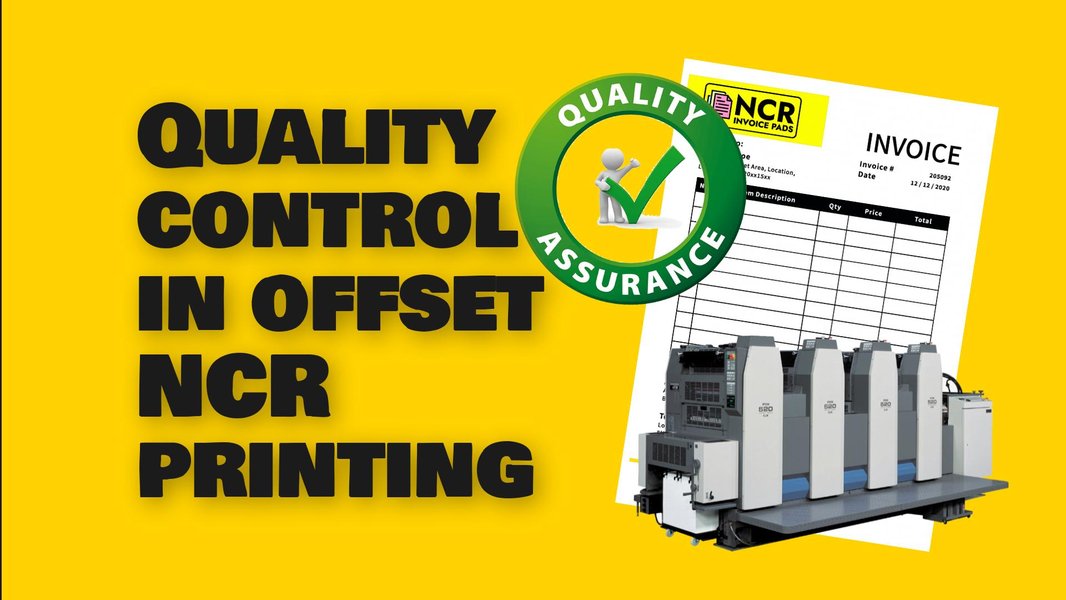
Highlights
- Adherence to ISO Standards: Utilizing ISO 12647 and related protocols to ensure consistency and high-quality outputs.
- Comprehensive Process Control: From pre-press to post-press, establishing checkpoints and utilizing digital measurement tools.
- Continuous Improvement and Certification: Leveraging certification programs like PSO along with regular audits, staff training, and technology integration.
Introduction
In today's competitive printing industry, establishing a reliable quality assurance system for offset printing is paramount. Such a system is built upon internationally recognized standards to ensure that every printed piece meets stringent quality and consistency benchmarks. By adhering to these standards, printing companies safeguard their process through effective process control, stringent calibration practices, and continuous improvement in line with ongoing technological advancements.
The core of these systems revolves around several key standards – most notably the ISO 12647 series – which provides guidelines on color reproduction, process control, and material specifications. Certification programs like the ProcessStandard Offset (PSO), developed in collaboration with Fogra and industry federations, further enable companies to demonstrate their compliance with high industry standards.
International Standards and Their Relevance
ISO 12647 Series and Related Standards
The ISO 12647 series is fundamental to quality control in offset printing. It encompasses several parts that address specific sectors of the printing process:
- ISO 12647-1: Establishes general parameters and measurement methods needed for process control.
- ISO 12647-2: Focuses on offset lithography, setting standard control values for inks, paper, dot gain, and grey balance. This part is essential for ensuring reliable color reproduction.
- ISO 12647-3, -4, -5, -6, -7, and -9: Address various printing methods and specific aspects such as publication gravure, screen printing, and digital proofing.
In addition to ISO 12647, other standards like ISO 15930 (for PDF/X workflows), ISO 2846 (for ink color specifications), ISO 3664 (for lighting conditions), and ISO 9706 (for archival papers) ensure a holistic approach to quality management. By integrating these standards, printers can maintain the fidelity and permanence of the printed work.
ProcessStandard Offset (PSO)
The PSO, developed in alignment with ISO 12647, reinforces the quality assurance framework by providing specific guidelines tailored to the offset printing process. Certification under PSO confirms a facility’s ability to consistently meet the high-quality standards expected in international markets. This system also details protocols for color management and process verification, underpinning continuous improvements throughout the production cycle.
Key Components of a Quality Assurance System
Pre-Press Quality Control
Before printing begins, rigorous pre-press checks are vital. This includes verifying that printing plates are undamaged and properly aligned, ensuring the correct color balances are set up, and confirming that materials meet the specific requirements.
- Plate and Material Inspection: Ensures that all inputs meet the necessary quality parameters.
- Calibration of Pre-Press Equipment: Utilizes digital measurement tools to maintain color consistency.
- Software Management: Uses standards like ISO 15930 to ensure reliable and consistent digital data exchange.
In-Process and Press Quality Control
In-line inspection systems play a crucial role during actual printing. These systems use advanced technologies like spectral inline color measurement to detect color deviations in real time. Routine press checks, such as test prints and continuous monitoring, allow operators to ensure every print run adheres to predefined tolerances.
- Test Prints and Real-Time Adjustments: Early detection of errors helps prevent large batches of defective materials.
- Regular Calibration of Equipment: Ensures the press remains within specified tolerances.
- Documentation and Reporting of In-Process Checks: Comprehensive logs help trace issues and streamline corrective actions.
Post-Press and Final Quality Verification
After the printing process, quality assurance continues with post-press inspections. This covers binding, trimming, and final product evaluations to make sure that the printed piece fully conforms to customer specifications and industry standards.
- Random Sampling and Testing: Assures consistency across the entire print run.
- Color Fidelity and Registration: Ensures that each printed piece is true to the approved proofs.
- Final Client Approvals: Feedback from clients after the print run helps refine future productions.
Continuous Improvement and Staff Training
Investing in continuous training of staff members and regular updating of the quality control procedures is essential. By implementing thorough documentation processes, companies can maintain transparency and quickly adapt to any inconsistencies.
Training programs are designed to familiarize employees with international standards, the latest technological advancements in quality monitoring, and efficient troubleshooting techniques. This proactive approach leads to a highly skilled workforce capable of maintaining the integrity of the printing process.
Integration of Technology and Feedback Mechanisms
The adoption of quality management software and automated inspection tools is transforming offset printing. Automated systems can quickly detect errors such as color shifts or mechanical misalignments, allowing for immediate corrective action. Additionally, a robust feedback mechanism involving customers and quality control teams ensures continuous process refinement.
- Digital Inspection Tools: Enhance the detection of minute deviations in color and print quality.
- Effective Feedback Loops: Provide continuous data for refining quality assurance processes.
- Regular System Audits: Ensure compliance with international benchmarks and foster a culture of excellence.
Visualization Components
Quality Assurance Radar Chart
The following radar chart visualizes key parameters assessed in a quality assurance system for offset printing. It represents various aspects including process control, calibration effectiveness, documentation quality, staff training, technology integration, and feedback mechanisms. This chart helps illustrate the balance between different elements critical to a robust quality system.
Quality Assurance Mindmap
The mindmap diagram below summarizes the key elements of a quality assurance system for offset printing. It illustrates the central role of international standards, process control measures, technological integration, and continuous improvement in establishing a robust framework.
Standards and Protocols Summary
The table below provides a summary of the most relevant international standards and protocols that underpin quality assurance in offset printing. Each standard contributes a vital component to ensuring consistent and high-quality print production.
| Standard/Protocol | Scope | Key Features | Applications |
|---|---|---|---|
| ISO 12647 | Overall process control for printing | Color management, dot gain, grey balance, and tolerances | Offset lithography, newsprint, gravure, and screen printing |
| ISO 15930 | Digital data exchange | PDF standards for prepress workflow | Prepress data preparation and quality control |
| ISO 2846 | Ink specification | Ink transparency, color, and consistency | Ensuring inks meet quality standards |
| PSO (ProcessStandard Offset) | Quality certification | Process guidelines, color reproduction, and process control | Offset printing operations requiring high-quality outputs |
| ISO 3664 & ISO 9706 | Viewing conditions & paper permanence | Standard lighting conditions, and archival paper properties | Graphic technology, photography, archival printing |
Instructional Video
For a practical demonstration of quality checks and process control measures in offset printing, the video below provides insights into real-world applications of these international standards and practices. It illustrates how companies optimize their printing operations to achieve consistent, high-quality results.
Frequently Asked Questions (FAQ)
What is the role of ISO 12647 in offset printing quality assurance?
How does the ProcessStandard Offset (PSO) certification enhance quality assurance?
What are the critical checkpoints in the offset printing process for quality control?
How do technology and automated systems contribute to improving print quality?
References
- ISO 12647 Overview - Prepressure
- ISO Standards for Professional Printing - UPrinting
- Fogra: Certification for Offset Printing - Fogra
- Offset Printing Quality Assurance - PrintNinja
-
Quality Management in Offset Printing - ScienceDirect
Recommended Related Queries
 the-print-guide.blogspot.com
Last updated April 1, 2025