
Quality Control in Electronics Production
Ensuring Reliable, High-Performance Electronics Through Rigorous Quality Control
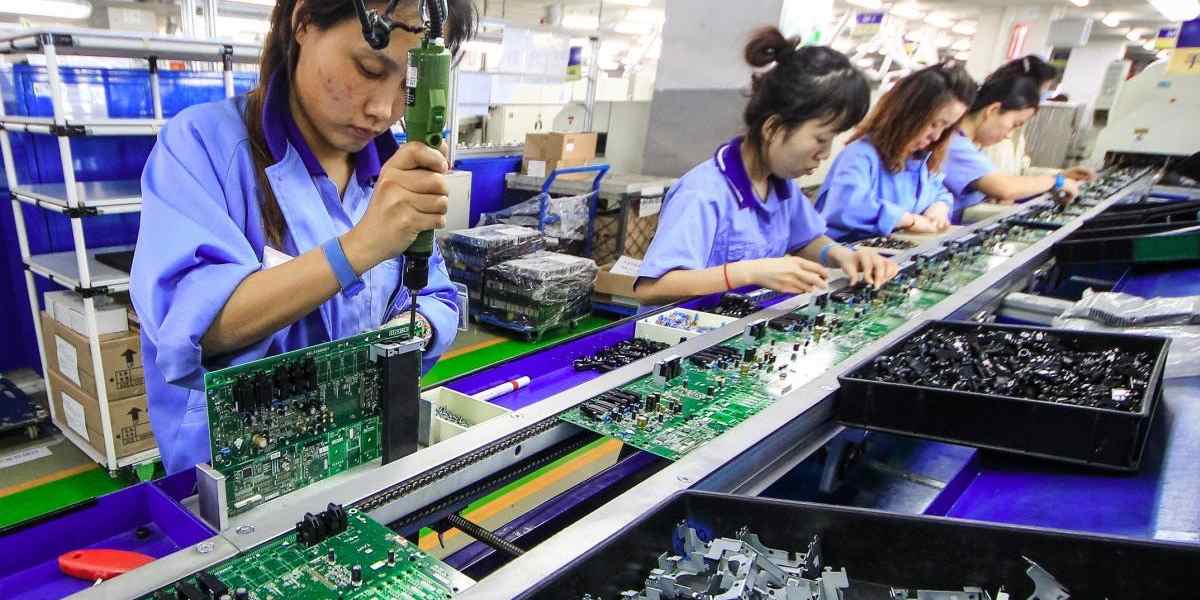
Key Insights
- Process Integration: Quality control is embedded in every stage of electronics production, from incoming materials to final testing.
- Advanced Technology: Automated visual inspections, X-ray analyses, and statistical process control methods are used to detect and prevent defects.
- Continuous Improvement: Involving personnel training and traceability systems to reduce costs, enhance reliability, and protect brand reputation.
Overview of Quality Control in Electronics Production
In the domain of electronics manufacturing, quality control is not just an optional process—it is a fundamental component that guarantees the performance, reliability, and safety of electronic devices. The complexity of electronics production requires an integrated approach that spans the entire manufacturing process. This involves rigorous inspections, meticulous testing, and the implementation of high-level standards to ensure that each product meets its defined specifications.
The primary objective of quality control in electronics production is to detect and address defects as early as possible, thereby reducing waste, avoiding costly rework, and preventing product recalls. Through the application of advanced technology and systematic process evaluation, manufacturers can maintain consistency and compliance with international standards while protecting their brand image and ensuring customer satisfaction.
Stages of Quality Control
1. Incoming Material Inspection
The first critical stage in quality control is the inspection of incoming materials and components. This step ensures that raw materials and subassemblies meet established standards and specifications. Without thorough incoming quality control (IQC), a single defective component can compromise the entire production run.
Key Elements
Verification and Compliance: Inspectors verify the quality and authenticity of components using automated optical inspection (AOI) and manual checks with precision measurement tools such as calipers and micrometers. These instruments ensure that parts are not counterfeit and meet predefined tolerances.
Risk Reduction: Early detection of defects at this stage prevents the introduction of problematic components into the production line, reducing the risk of later failures or recalls.
2. In-Process Monitoring and Control
Once production begins, continuous monitoring of the manufacturing process is essential. In-process quality control (IPQC) involves several measures to ensure that each step adheres to quality standards. This stage is crucial as it allows manufacturers to identify and rectify deviations from controlled processes in real time before they affect the end product.
Techniques and Strategies
Real-Time Process Monitoring: Manufacturers deploy sensors and data collection systems to monitor the production environment. This encompasses temperature regulation, humidity control, and statistical process control (SPC) methodologies that analyze production trends and performance.
Design for Manufacturability (DFM): DFM principles are applied during product design to simplify manufacturing and facilitate smoother production processes. This not only enhances quality control but also significantly reduces production costs.
Traceability Systems: Implementing robust traceability systems provides detailed records of every component and production phase, making it significantly easier to pinpoint and address any defect origins.
3. Final Product Testing
After completing the assembly process, products undergo a series of rigorous tests to ensure they meet required performance and safety standards. Final quality control, also known as outgoing quality control (OQC), is essential to guarantee that only defect-free products reach the customer.
Testing Methods
Functional Testing: Electronic devices are subjected to various functional tests, including in-circuit testing (ICT) and functional circuit testing (FCT), to verify that each device performs correctly under operational conditions. These tests include power distribution checks, environmental simulations, and performance benchmarking.
Automated Optical Inspection (AOI): AOI is used again at the final testing stage to detect surface-level imperfections, ensuring that no assembly misalignments or solder joint issues compromise the reliability of the product.
X-Ray Inspection: This method allows manufacturers to examine hidden solder joints and internal component fitment, providing a non-destructive means to check for defects that might be invisible to the naked eye.
Environmental and Reliability Testing: Products are tested under rigorous conditions, such as temperature cycling, vibration, and humidity tests, to validate long-term durability. These tests mimic real-world operational scenarios, ensuring the product will withstand everyday stresses.
Quality Control Techniques and Technologies
Visual and Automated Inspection
One of the most common and effective methods in quality control is visual inspection. Inspectors use high-resolution cameras and specialized equipment, including digital microscopes and video magnifiers, to detect visible defects such as alignment errors, poor solder joints, or component misplacement. When combined with automated optical inspection systems, visual inspection becomes both quicker and more precise, allowing manufacturers to inspect large quantities of products rapidly.
Advanced Inspection Technologies
In addition to traditional visual methods, modern manufacturing incorporates several advanced technologies for quality control:
- Automated Optical Inspection (AOI): Utilizes high-speed cameras and image-processing software to verify electronics components with remarkable precision.
- X-Ray Inspection: Provides an in-depth view of internal structures, ensuring internal solder connections and hidden components are defect-free.
- Metrology Solutions: Tools such as industrial microscopes and 3D scanning systems help in achieving the exact dimensions and geometries required for high-quality electronic components.
Statistical Process Control (SPC)
A key technique in maintaining quality in manufacturing is Statistical Process Control (SPC). By analyzing production performance data, SPC helps identify variances in the manufacturing process before they result in defective products. This proactive approach is crucial for continuous improvement and optimizing production consistency.
Organizational Aspects and Personnel
Role of Quality Engineers and Control Teams
A robust quality control system hinges on the competence of the people managing the process. Quality engineers design and implement quality control frameworks, while a dedicated quality control team is responsible for oversight at every stage of production. Training and continuous skill development are vital to keep the teams updated with the latest inspection techniques and technologies.
Training Programs
Regular training sessions enable personnel to stay proficient with quality control protocols, testing methodologies, and compliance standards. Emphasis is placed on understanding product specifications, effective use of inspection tools, and error detection techniques. Progressive training programs foster a culture where precision and excellence are at the forefront of operations.
Supplier Quality Management
Quality control also extends to the management of suppliers. Since the quality of raw materials and components directly impacts the final product, manufacturers must engage in rigorous supplier quality management. This involves setting strict standards for suppliers, conducting audits, and ensuring that incoming materials are thoroughly inspected upon arrival. Collaborative relationships with suppliers facilitate continuous improvement across the supply chain.
Quality Management Frameworks and Standards
Industry Standards and Certifications
Adhering to industry standards such as ISO 9001, IPC-A-610, and RoHS is essential for any quality control system in electronics production. These standards provide a structured framework for maintaining and improving product quality, safety, and environmental compliance. Manufacturers not only follow these guidelines during production but also during final inspections to verify that products meet regulatory requirements.
Compliance and Audits
Regular internal and external audits help ensure compliance with the prescribed standards. These audits evaluate every stage of the production process—from supplier quality to final product testing—thus reinforcing quality management across the board.
Data Management and Feedback Loops
Effective quality control relies on accurate data collection and analysis. Manufacturers implement comprehensive data management systems to store and organize production data, inspection results, and defect tracking information. This database not only monitors production quality but also helps in identifying trends, enabling continuous process improvements. Furthermore, feedback loops—using data from warranty claims and customer feedback—are essential for making iterative adjustments and refinements to the production process.
Case Study: Integrated Quality Management
Consider a scenario where an electronics manufacturer faced frequent quality issues with a new series of printed circuit boards (PCBs). By applying an integrated quality management approach, the manufacturer implemented:
- Thorough incoming inspections to verify each PCB component.
- Real-time process monitoring using SPC to detect deviations during the soldering process.
- Rigorous end-of-line testing, including AOI and X-ray inspections, to ensure all defects were corrected before shipment.
The adoption of these quality control measures resulted in a dramatic reduction in defect rates, improved customer satisfaction, and enhanced brand reputation in the competitive electronics market.
Quality Control Implementation Table
| Stage | Key Activities | Technologies Used |
|---|---|---|
| Incoming Material Inspection | Component authenticity, precision measurements, counterfeit prevention | AOI, manual inspection tools, calipers, micrometers |
| In-Process Monitoring | Real-time production monitoring, process adjustments, traceability | SPC, sensors, DFM, traceability software |
| Final Quality Control | Functional, AOI, and X-ray testing, environmental tests | ICT, AOI, X-Ray, environmental chambers |
Benefits and Cost Savings
The integration of comprehensive quality control measures in electronics production offers multiple benefits. First, detecting and correcting errors at early stages significantly lowers production costs by eliminating the need for extensive rework and preventing product recalls. The reliability and durability of products are enhanced, thereby reducing warranty claims and boosting customer trust.
Adopting advanced technologies such as automated inspections and real-time data collection systems also brings cost efficiencies by streamlining the production process. Additionally, adherence to international standards protects the manufacturer’s reputation and ensures compliance with stringent regulatory requirements.
Ultimately, a well-implemented quality control strategy contributes to the sustained success of a manufacturer by delivering high-performance, safe, and reliable products while simultaneously optimizing operational costs.
References
- Ensuring Quality Control in Electronics Manufacturing - PTC
- Top Quality Control Methods in Electronics Manufacturing - Vanti
- Quality Control in Electronics Manufacturing - Jonble
- Strategies for Quality Control in Electronic Manufacturing - CygnusCorp
- Steps to Effective Quality Control in Electronics Manufacturing - BlackFox
-
Quality Control in Electronics - Prism Electronics
- How to Maintain Quality Control in Electronics Manufacturing - VSE
- Quality Control in Electronics Manufacturing - FermionX
- Ensuring Quality Control in Electronics - PTC Blog
- Effective Quality Control Steps in Electronics Manufacturing - BlackFox
Recommended Searches
Last updated February 28, 2025