
Quantitative Research Topics on Gender and Development
Exploring the Intersection of Gender Equality and Socioeconomic Progress
Key Takeaways
- Gender diversity significantly impacts economic growth and organizational productivity.
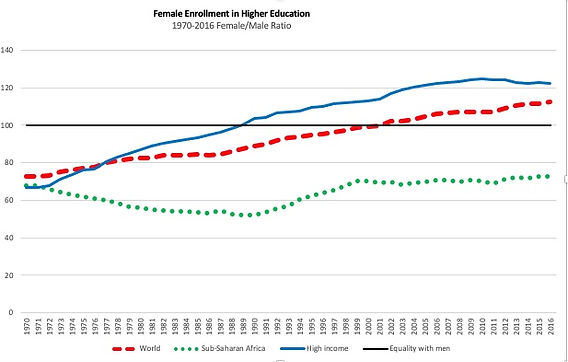
- Educational attainment disparities between genders influence national development indicators.
- Access to financial services and healthcare for women is crucial for sustainable development.
Introduction
The intersection of gender and development is a critical area of study that examines how gender dynamics influence and are influenced by economic, social, and political factors. Quantitative research in this field employs statistical analysis, econometric modeling, and survey data to uncover patterns, correlations, and causal relationships. This comprehensive guide presents a selection of quantitative research topics that delve into various aspects of gender and development, providing a foundation for impactful and data-driven studies.
Economic Impact and Development
1. The Impact of Gender Diversity in Leadership on Organizational Productivity
This topic explores how the presence of diverse genders in leadership roles affects the productivity and overall performance of organizations. It involves analyzing data on company performance metrics in relation to the gender composition of their leadership teams.
Research Questions
- How does gender diversity in executive positions correlate with organizational productivity?
- What industries show the most significant impact of gender-diverse leadership on performance?
Methodology
Utilize regression analysis on datasets containing information about corporate leadership demographics and performance indicators such as ROI, profit margins, and employee satisfaction scores.
2. The Relationship Between Gender Equality Indices and GDP Growth Rates in Developing Economies
Investigate whether higher gender equality, as measured by gender indices, is associated with accelerated GDP growth in developing countries.
Research Questions
- Is there a statistically significant correlation between gender equality scores and GDP growth?
- How do different dimensions of gender equality (e.g., education, labor participation) individually affect economic growth?
Methodology
Employ econometric models using panel data from sources like the World Bank and United Nations, controlling for variables such as investment rates, population growth, and political stability.
3. Analyzing the Economic Contributions of Women in Informal Economies
This research examines the role and economic impact of women operating within informal sectors, which are often underrepresented in official statistics.
Research Questions
- What is the estimated economic contribution of women in informal economies across different regions?
- How does participation in informal sectors influence household income and economic stability?
Methodology
Utilize household survey data and informal sector studies to quantify women's economic activities and apply statistical analysis to estimate their contributions to local and national economies.
Education and Development
4. Quantitative Assessment of Gender Disparities in Educational Access and Outcomes
This topic focuses on measuring the differences in educational access and achievement between genders and how these disparities impact broader development indicators.
Research Questions
- What are the current levels of gender disparity in primary, secondary, and tertiary education across different countries?
- How do educational disparities affect economic and social development outcomes?
Methodology
Analyze educational statistics from national databases and international organizations using multivariate regression to identify trends and predictors of gender disparities.
5. Impact of Gender-Inclusive Educational Policies on Socio-Economic Mobility
Examine how policies aimed at promoting gender inclusivity in education influence socio-economic mobility among different genders.
Research Questions
- Do gender-inclusive educational policies lead to greater socio-economic mobility for women?
- What specific policy measures have the most significant impact on reducing educational disparities?
Methodology
Conduct a comparative analysis of regions before and after the implementation of gender-inclusive policies using difference-in-differences methodology.
6. Analyzing Gender Differences in STEM Education Participation and Achievement
Investigate the gender gaps in Science, Technology, Engineering, and Mathematics (STEM) education and how these gaps affect national innovation and development.
Research Questions
- What are the current trends in STEM education enrollment and completion rates by gender?
- How do gender disparities in STEM education correlate with national innovation metrics such as patents and R&D expenditure?
Methodology
Use data from educational institutions and labor market statistics to perform regression and factor analysis, identifying the impact of gender differences on innovation outcomes.
Access to Financial Services and Technology
7. The Role of Gender in Access to Financial Services and Development
Explore how gender influences access to financial services such as banking, credit, and insurance, and the subsequent effects on individual and community development.
Research Questions
- What barriers do women face in accessing financial services compared to men?
- How does improved access to financial services for women impact economic development at the community level?
Methodology
Utilize survey data and financial institution records to perform logistic regression and path analysis, assessing the relationship between financial access and development indicators.
8. Gender and Technology Adoption in Developing Countries
Analyze how gender affects the adoption and utilization of technology in developing countries and the consequent impacts on sectors such as agriculture, healthcare, and education.
Research Questions
- What are the gender-based differences in technology adoption rates in key development sectors?
- How does technology adoption by different genders influence productivity and development outcomes?
Methodology
Employ regression analysis on dataset variables related to technology use, gender, and sector-specific productivity metrics to identify significant correlations and causations.
Political Participation and Policy Development
9. The Influence of Gender Quotas on Political Representation and Policy Development
Assess the quantitative impact of implementing gender quotas in political systems on the representation of women and the development of gender-sensitive policies.
Research Questions
- How do gender quotas affect the proportion of women in legislative bodies?
- What is the relationship between increased female political representation and the creation of policies addressing gender issues?
Methodology
Utilize comparative case studies and statistical analysis of legislative data before and after the implementation of gender quotas, applying regression techniques to determine effectiveness.
10. Gender Norms, Social Attitudes, and Demographic Trends
Examine the quantitative relationship between prevailing gender norms, social attitudes, and demographic trends such as fertility rates and migration patterns in developing regions.
Research Questions
- How do traditional gender norms influence demographic indicators like fertility and migration?
- What changes in social attitudes towards gender are associated with shifts in demographic trends?
Methodology
Use data from demographic and health surveys (DHS) and social attitude indicators to perform structural equation modeling and path analysis, identifying causal relationships.
11. The Role of Gender in Political Participation and Development
Investigate how gender influences political participation rates and the subsequent effects on development policies and outcomes in various countries.
Research Questions
- What are the gender differentials in political participation across different democratic and non-democratic regimes?
- How does increased political participation by women affect national development policies?
Methodology
Analyze political participation data using cross-country regression analysis, controlling for variables such as economic status, education levels, and cultural factors.
Workplace and Professional Development
12. Gender Differences in Access to Healthcare Services in Rural Areas of Developing Countries
Quantify how gender influences access to healthcare services in rural settings, focusing on barriers faced by women and the implications for health outcomes.
Research Questions
- What are the primary barriers to healthcare access for women in rural areas?
- How does limited access to healthcare for women affect overall community health indicators?
Methodology
Utilize survey data and healthcare access records to perform logistic regression, assessing the impact of gender on healthcare accessibility and resultant health outcomes.
13. Measuring Gender Discrimination in Recruitment, Promotion, and Compensation
Analyze the extent of gender discrimination in various workplace processes, including hiring, promotion, and compensation, and its effects on women's career progression.
Research Questions
- What are the patterns of gender discrimination in recruitment processes across different industries?
- How does gender-based discrimination in promotions and compensation impact women's long-term career prospects?
Methodology
Conduct statistical analysis using HR data and employee surveys, employing regression models to identify significant discrepancies based on gender in recruitment, promotion rates, and compensation packages.
14. Evaluating the Effectiveness of Gender Diversity Interventions in Professional Settings
Assess the impact of initiatives aimed at increasing gender diversity within professional environments on organizational outcomes and employee satisfaction.
Research Questions
- What types of gender diversity interventions are most effective in improving workplace equality?
- How do these interventions affect employee satisfaction and organizational performance?
Methodology
Use comparative statistical analysis of organizations before and after implementing diversity interventions, measuring outcomes such as employee retention rates, job satisfaction surveys, and performance metrics.
Social and Community Development
15. The Effect of Gender-Based Violence on Women's Economic Participation in Developing Countries
Examine the economic consequences of gender-based violence on women's ability to engage in the workforce and contribute to economic activities.
Research Questions
- What is the prevalence of gender-based violence in developing countries, and how does it correlate with women's labor force participation?
- How does exposure to gender-based violence affect women's productivity and economic stability?
Methodology
Employ econometric analysis using data from health and economic surveys to quantify the impact of gender-based violence on women's employment rates and income levels.
16. Relationship Between Gender Equality and Community Development Metrics
Investigate how gender equality within communities influences various development metrics such as health, education, and economic prosperity.
Research Questions
- How does gender equality correlate with community health and education outcomes?
- What role does gender equality play in fostering economic prosperity and social stability within communities?
Methodology
Analyze community-level data using multivariate regression models to identify the relationships between gender equality indicators and various development metrics.
17. Quantifying the Economic and Social Costs of Gender-Based Violence
Measure the economic and social impacts of gender-based violence on communities and national economies.
Research Questions
- What are the direct and indirect economic costs associated with gender-based violence?
- How does gender-based violence affect social cohesion and community well-being?
Methodology
Utilize cost analysis techniques and social impact assessment tools to quantify the financial burden and social ramifications of gender-based violence, incorporating data from law enforcement and health services.
18. Impact of Women's Participation in Community Decision-Making Processes
Explore how the involvement of women in community decision-making roles influences development initiatives and outcomes.
Research Questions
- Does increased female participation in community leadership lead to more effective development projects?
- How does women's involvement in decision-making impact the allocation of resources and prioritization of community needs?
Methodology
Conduct statistical analysis of community development projects, comparing outcomes in communities with varying levels of female participation in leadership positions using regression techniques.
Healthcare Access and Outcomes
19. Investigating the Role of Gender in Determining Access to Healthcare Services in Rural Areas
Assess how gender affects access to healthcare services in rural settings, particularly focusing on barriers faced by women and the implications for health outcomes.
Research Questions
- What are the main barriers to healthcare access for women in rural areas compared to men?
- How does limited access to healthcare for women impact overall community health metrics?
Methodology
Utilize logistic regression analysis on survey data from rural healthcare facilities to identify significant gender-based disparities in access and outcomes.
20. Analyzing Gender Differences in Health Outcomes and Access to Services
Examine how gender differences affect health outcomes and access to healthcare services, and how these factors contribute to broader development goals.
Research Questions
-
What are the key gender differences in health outcomes in developing countries?
-
How do these differences influence national health policies and development strategies?
Methodology
Perform multivariate regression analysis using health survey data to determine the impact of gender on various health outcomes and access to services.
HTML Table: Summary of Quantitative Research Topics on Gender and Development
| Topic Number | Research Topic | Key Focus Areas |
|---|---|---|
| 1 | Impact of Gender Diversity in Leadership on Organizational Productivity | Leadership diversity, organizational performance, economic growth |
| 2 | Relationship Between Gender Equality Indices and GDP Growth Rates | Gender equality, economic growth, development indices |
| 3 | Economic Contributions of Women in Informal Economies | Informal economies, women's economic activities, household income |
| 4 | Gender Disparities in Educational Access and Outcomes | Educational attainment, gender gaps, development indicators |
| 5 | Impact of Gender-Inclusive Educational Policies on Socio-Economic Mobility | Educational policies, socio-economic mobility, gender inclusivity |
| 6 | Gender Differences in STEM Education Participation and Achievement | STEM education, gender disparities, national innovation |
| 7 | Role of Gender in Access to Financial Services and Development | Financial access, gender barriers, economic development |
| 8 | Gender and Technology Adoption in Developing Countries | Technology adoption, gender influence, sectoral impact |
| 9 | Influence of Gender Quotas on Political Representation and Policy Development | Political quotas, female representation, policy outcomes |
| 10 | Gender Norms, Social Attitudes, and Demographic Trends | Gender norms, demographic shifts, social attitudes |
| 11 | Role of Gender in Political Participation and Development | Political participation, gender influence, development policies |
| 12 | Gender Differences in Access to Healthcare Services in Rural Areas | Healthcare access, rural settings, gender barriers |
| 13 | Measuring Gender Discrimination in Recruitment, Promotion, and Compensation | Workplace discrimination, recruitment, career progression |
| 14 | Effectiveness of Gender Diversity Interventions in Professional Settings | Diversity interventions, workplace equality, organizational outcomes |
| 15 | Effect of Gender-Based Violence on Women's Economic Participation | Gender-based violence, economic participation, workforce impact |
| 16 | Relationship Between Gender Equality and Community Development Metrics | Community development, gender equality, social metrics |
| 17 | Economic and Social Costs of Gender-Based Violence | Economic costs, social impact, gender-based violence |
| 18 | Impact of Women's Participation in Community Decision-Making Processes | Community leadership, women's participation, resource allocation |
| 19 | Role of Gender in Determining Access to Healthcare Services in Rural Areas | Healthcare access, gender barriers, rural development |
| 20 | Gender Differences in Health Outcomes and Access to Services | Health outcomes, service access, gender disparities |
Conclusion
Quantitative research topics on gender and development offer a robust framework for understanding the multifaceted role gender plays in societal advancement. By leveraging statistical tools and data-driven methodologies, researchers can uncover critical insights into how gender dynamics influence economic growth, educational outcomes, political participation, and social well-being. The topics outlined above not only facilitate a deeper comprehension of existing gender disparities but also inform policies and interventions aimed at fostering gender equality and sustainable development. As global initiatives continue to emphasize the importance of gender inclusivity, such research becomes increasingly vital in shaping equitable and prosperous societies.
References
Last updated February 13, 2025