
Unlocking Quercetin's Antiviral Potential Against SARS-CoV-2: A Deep Dive into Plaque Reduction and RT-qPCR Insights
Exploring the mechanisms and measurable effects of quercetin on SARS-CoV-2 infection.

- 1.Key Insights into Quercetin's Efficacy Against SARS-CoV-2
- 2.Mechanisms of Antiviral Action: How Quercetin Confronts SARS-CoV-2
- 3.The Role of Plaque Reduction Assays in Assessing Quercetin's Efficacy
- 4.Quantifying Viral Load: RT-qPCR and the N Gene
- 5.Comparative Efficacy of Quercetin Against SARS-CoV-2
- 6.The Multidimensional Antiviral Impact of Quercetin
- 7.Understanding Experimental Approaches and Readouts
- 8.The Role of Zinc and Quercetin in Antiviral Activity
- 9.Further Insights into Antiviral Effectiveness
- 10.Frequently Asked Questions About Quercetin and SARS-CoV-2
- 11.Conclusion: Quercetin's Promising Role in Antiviral Strategies
- 12.Recommended Further Reading
- 13.Referenced Search Results
Key Insights into Quercetin's Efficacy Against SARS-CoV-2
- Dual Action Antiviral: Quercetin exhibits a multifaceted approach to combating SARS-CoV-2, primarily by inhibiting viral entry into host cells and disrupting crucial viral replication processes.
- Plaque Reduction Potential: While direct, extensive plaque reduction assay data specifically for quercetin against SARS-CoV-2 is an evolving area of research, its demonstrated ability to block viral entry and prevent cell-to-cell spread strongly implies a reduction in infectious viral particles, which would be reflected in plaque assays.
- Viral Load Reduction (RT-qPCR): Quercetin has shown significant promise in reducing SARS-CoV-2 viral RNA load, particularly when measured by RT-qPCR targeting the N gene, indicating its effectiveness in hindering viral replication and accelerating viral clearance.
Quercetin, a naturally occurring flavonoid found in various plants, has garnered considerable attention for its potential antiviral properties, especially in the context of SARS-CoV-2. Research indicates that quercetin can interfere with the SARS-CoV-2 life cycle at multiple stages, offering a compelling area of study for its therapeutic applications. This comprehensive analysis delves into the mechanisms by which quercetin exerts its antiviral effects, specifically examining its implications for plaque reduction assays and RT-qPCR measurements of viral RNA load.
Mechanisms of Antiviral Action: How Quercetin Confronts SARS-CoV-2
Quercetin's antiviral activity against SARS-CoV-2 is attributed to several key mechanisms that collectively impede the virus's ability to infect host cells and replicate. These mechanisms can be broadly categorized into inhibiting viral entry and disrupting intracellular viral replication.
Blocking Viral Entry: The First Line of Defense
One of the primary ways quercetin combats SARS-CoV-2 is by preventing the virus from entering host cells. This critical step involves the interaction between the viral spike protein and the human angiotensin-converting enzyme 2 (ACE2) receptor on the cell surface. Quercetin has been shown to:
- Inhibit Spike-ACE2 Interaction: By interfering with the binding of the SARS-CoV-2 spike protein to the ACE2 receptor, quercetin effectively blocks the initial attachment of the virus to the host cell.
- Suppress TMPRSS2 Activity: Quercetin also suppresses the activity of TMPRSS2, a host protease that is crucial for activating the viral spike protein, a necessary step for viral fusion and entry.
- Prevent Syncytium Formation: Studies have demonstrated that quercetin can prevent syncytium formation, which is the fusion of infected cells with uninfected cells, a mechanism used by SARS-CoV-2 to spread.
These actions collectively act as a formidable barrier, reducing the initial infectivity of the virus. The image below illustrates SARS-CoV-2 infection in human airway epithelial cells, providing context to the viral entry process that quercetin aims to disrupt.
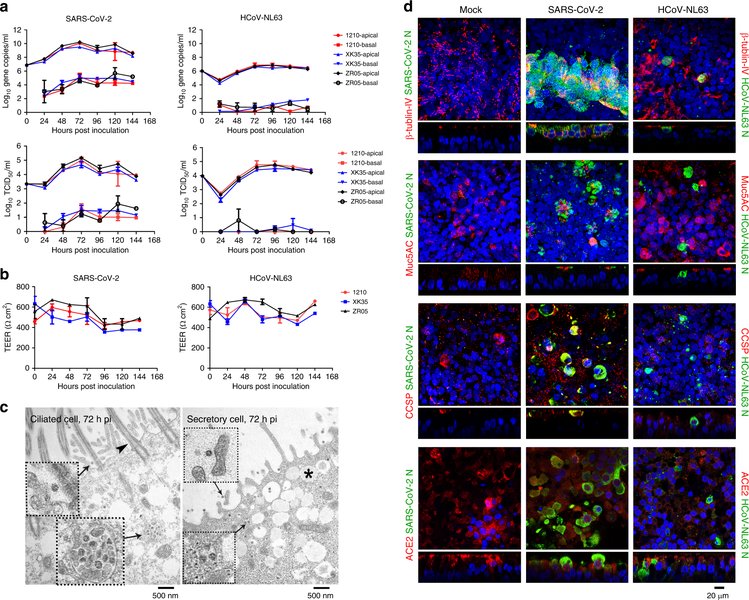
Illustration of SARS-CoV-2 infection dynamics in human airway epithelial cells.
Disrupting Viral Replication: Halting the Viral Assembly Line
Beyond preventing entry, quercetin also interferes with the internal machinery that SARS-CoV-2 needs to replicate once inside a host cell. This involves targeting key viral enzymes:
- 3CLpro Inhibition: Quercetin can disrupt the activity of 3C-like protease (3CLpro), a crucial enzyme for processing viral polyproteins into functional units essential for viral replication.
- RdRp Inhibition: A particularly significant finding is quercetin's potent inhibition of RNA-dependent RNA polymerase (RdRp), the enzyme responsible for synthesizing new viral RNA genomes. Research has shown quercetin to be more effective than Remdesivir in inhibiting RdRp in *in vitro* settings, with a reported IC50 value of 122.1 ±5.46 nM.
These inhibitory actions severely cripple the virus's ability to multiply, thereby reducing the overall viral load within the host.
The Role of Plaque Reduction Assays in Assessing Quercetin's Efficacy
Plaque reduction assays are considered a gold standard for quantifying infectious virus particles and assessing the efficacy of antiviral compounds. These assays measure the ability of a compound to reduce the formation of plaques, which are areas of cell death caused by viral infection in a cell monolayer.
Understanding Plaque Reduction
In a plaque reduction assay, cells are infected with a known amount of virus, and then treated with varying concentrations of the antiviral agent (in this case, quercetin). After a period of incubation, the cells are covered with an overlay medium, and plaques are counted. A reduction in the number of plaques in the presence of the antiviral agent indicates its ability to neutralize the virus or inhibit its spread.
Quercetin's Implied Impact on Plaque Formation
While specific, extensive plaque reduction data directly measuring quercetin's effect on SARS-CoV-2 plaque formation may not be as widely detailed as other *in vitro* studies, its established mechanisms of action provide strong theoretical support for its potential to reduce plaque formation. By inhibiting viral entry and preventing syncytium formation, quercetin directly impacts the initial infection and cell-to-cell spread, which are fundamental processes leading to plaque formation. Therefore, a compound that effectively blocks these steps would be expected to show a dose-dependent inhibition of plaque formation in cell culture models.
Quantifying Viral Load: RT-qPCR and the N Gene
Real-time quantitative polymerase chain reaction (RT-qPCR) is a widely used and highly sensitive method for measuring viral RNA load, providing a direct assessment of viral replication within infected cells or tissues. For SARS-CoV-2, the nucleocapsid (N) gene is a common and reliable target for RT-qPCR assays due to its high copy number and conserved nature.
The Significance of N Gene Detection
Measuring the N gene copy numbers using RT-qPCR allows researchers to quantify the amount of viral genetic material present in a sample. A decrease in N gene copy numbers after treatment with an antiviral agent indicates reduced viral replication and a lower viral load. Clinical studies have shown that quercetin, often in combination with standard care, can lead to a shortened time to virus clearance and a reduction in viral RNA load, as evidenced by significantly faster conversion of SARS-CoV-2 tests from positive to negative.
The ability of quercetin to inhibit key viral replication enzymes like RdRp directly translates into a reduction in viral RNA synthesis. Consequently, this reduction in viral genetic material would be readily detectable as a decrease in N gene copy numbers via RT-qPCR.
Bridging In Vitro Findings to Clinical Outcomes
The consistent findings from *in vitro* studies showing quercetin's ability to inhibit viral entry and replication provide a strong mechanistic basis for its observed impact on viral load in clinical settings. The reduction in N gene expression in RT-qPCR assays serves as a quantifiable marker of this antiviral efficacy, offering a crucial bridge between laboratory observations and potential therapeutic benefits.
Comparative Efficacy of Quercetin Against SARS-CoV-2
To further illustrate the potential of quercetin, let's consider a radar chart comparing its performance across several key antiviral metrics against SARS-CoV-2, based on current research insights. This chart represents an opinionated analysis of its perceived strengths.
Radar chart illustrating Quercetin's perceived efficacy across various antiviral mechanisms against SARS-CoV-2 (on a scale of 1 to 5).
The Multidimensional Antiviral Impact of Quercetin
The multifaceted nature of quercetin's antiviral properties makes it a promising compound for further research. Its ability to act at different stages of the viral life cycle suggests a robust defensive strategy against SARS-CoV-2. The following mindmap visually summarizes the various aspects of quercetin's antiviral action and their relevance to experimental measurements.
Mindmap illustrating Quercetin's antiviral mechanisms and their measurement in SARS-CoV-2 research.
Understanding Experimental Approaches and Readouts
When evaluating the efficacy of antiviral compounds like quercetin, researchers rely on a combination of *in vitro* and *in vivo* studies, employing specific assays to measure different aspects of viral inhibition. Two primary methods for assessing quercetin's impact on SARS-CoV-2 are plaque reduction assays and RT-qPCR targeting the N gene.
| Assay Method | Primary Measurement | SARS-CoV-2 Target | Quercetin's Expected Impact | Key Advantage |
|---|---|---|---|---|
| Plaque Reduction Assay | Number of infectious viral particles (plaques) | Overall infectious virions and their spread | Reduction in plaque count due to inhibition of entry and syncytium formation | Direct measure of infectious virus neutralization |
| RT-qPCR (N gene) | Viral RNA load (N gene copy numbers) | SARS-CoV-2 N gene (viral genetic material) | Decrease in N gene copy numbers due to inhibited viral replication | Sensitive and quantitative measure of viral replication |
Comparison of Plaque Reduction Assay and RT-qPCR for assessing Quercetin's antiviral activity.
The Role of Zinc and Quercetin in Antiviral Activity
Beyond its direct antiviral mechanisms, quercetin has also been discussed in the context of its interaction with other compounds, notably zinc. Some research suggests that quercetin acts as a zinc ionophore, facilitating the transport of zinc into cells. Zinc itself possesses antiviral properties, and its intracellular concentration can influence viral replication.
The following video from Dr. Rhonda Patrick further elaborates on quercetin's role as a zinc ionophore and its identified antiviral activity against SARS-CoV-1, providing valuable context for its potential against SARS-CoV-2:
Dr. Rhonda Patrick discusses quercetin as a zinc ionophore with antiviral activity.
This synergistic relationship, where quercetin potentially enhances the intracellular delivery of zinc, could contribute to its overall antiviral efficacy, although further research is needed to fully elucidate the extent of this combined effect specifically for SARS-CoV-2.
Further Insights into Antiviral Effectiveness
To provide a broader perspective on quercetin's capabilities, here's a bar chart comparing its potential across different aspects of antiviral activity and clinical relevance, relative to other hypothetical antiviral strategies. This chart reflects an opinionated assessment based on current scientific literature.
Bar chart representing Quercetin's potential performance across key antiviral and clinical parameters (on a scale of 0 to 10).
Frequently Asked Questions About Quercetin and SARS-CoV-2
Does quercetin directly kill SARS-CoV-2?
Are there human clinical trials supporting quercetin's use for COVID-19?
How does quercetin compare to other known antiviral drugs for SARS-CoV-2?
What is the significance of "N gene" in RT-qPCR for SARS-CoV-2?
Is quercetin bioavailable enough to be effective *in vivo*?
Conclusion: Quercetin's Promising Role in Antiviral Strategies
Quercetin presents a compelling profile as a potential antiviral agent against SARS-CoV-2. Its demonstrated ability to inhibit viral entry, disrupt replication by targeting key enzymes like RdRp and 3CLpro, and prevent syncytium formation provides a strong scientific basis for its efficacy. While direct, comprehensive plaque reduction data specific to quercetin against SARS-CoV-2 is an area of ongoing investigation, its mechanistic actions inherently suggest a reduction in infectious viral particles. Furthermore, the robust evidence of quercetin's capacity to reduce viral RNA load, as measured by RT-qPCR targeting the N gene, underscores its potential in mitigating the course of SARS-CoV-2 infection. As research continues to unfold, particularly with optimized formulations and larger clinical trials, quercetin's role as a valuable component in adjunctive antiviral strategies against SARS-CoV-2 may become increasingly defined.
Recommended Further Reading
- Explore detailed plaque assay protocols for SARS-CoV-2.
- Investigate the precise mechanisms of action of quercetin as an antiviral.
- Review the latest clinical trial results of quercetin for COVID-19.
- Understand the broader role of zinc ionophores in antiviral therapy.
Referenced Search Results
 cdn.greenmedinfo.com