
The Transformative Power of Swift Responses in Chat Customer Service
Elevating Customer Experience and Agent Satisfaction Through Timely Interactions
In today's fast-paced digital world, where immediate gratification is often the norm, the speed at which businesses respond to customer inquiries plays a pivotal role in shaping the overall customer experience. This is particularly true for live chat, a channel where customers expect near-instantaneous support. The impact of quick response time in chat customer service extends far beyond mere efficiency; it profoundly influences customer satisfaction, fosters loyalty, and even contributes to more positive feedback for customer service agents.
Key Takeaways on Quick Response Times
- Enhanced Customer Satisfaction: Swift responses make customers feel valued and heard, directly correlating with higher satisfaction levels and a positive perception of the brand.
- Building Trust and Loyalty: Timely and effective resolutions via chat build trust, encourage repeat business, and foster long-term customer relationships.
- Improved Agent Performance and Surveys: Efficient systems and quick resolution tools empower agents, leading to better performance metrics and more favorable customer feedback in surveys.
Understanding Customer Service Response Time
Customer service response time is a critical metric that measures the speed at which customer service representatives reply to customer queries, particularly via live chat. It's not just about how fast an initial acknowledgment is sent, but also about the subsequent responsiveness throughout the entire conversation. A decade ago, a 24-hour response time for emails might have been acceptable, but today, with the proliferation of instant communication channels, customers expect much faster responses, especially in live chat.
The "First Response Time" Metric
First Response Time (FRT) specifically measures how quickly customers receive their initial acknowledgment that their inquiry has been received and is being addressed. This could be an automated message or a greeting from a live agent. While automated responses don't count towards the human-driven FRT, AI can efficiently route customer issues to the appropriate agents, indirectly speeding up the process. A strong FRT is crucial as it sets the tone for the entire interaction and immediately addresses the customer's need for attention.
Industry Benchmarks for Chat Response Times
For live chat, an initial response within 30 seconds is considered ideal. A one-minute response is still acceptable, but anything beyond that can lead to frustration. Some industry standards suggest that live chat responses should ideally not exceed 3-5 minutes. The expectation for instant responses is high, with some sources suggesting that customers expect an answer instantaneously, within a few seconds, with a maximum of 40 seconds for the first response.
The Profound Impact on Overall Customer Experience
The speed of response in chat customer service directly correlates with the overall customer experience. Customers today have high expectations; they want their queries addressed quickly and accurately. Delays can lead to significant dissatisfaction, as customers may feel ignored or undervalued, and are likely to take their business elsewhere.
Boosting Customer Satisfaction and Loyalty
Faster response times lead to higher levels of customer satisfaction because customers feel valued and their needs are being addressed promptly. This promptness builds trust and loyalty, demonstrating a commitment to excellent customer service. Satisfied customers are more likely to become repeat purchasers and recommend the brand to others, acting as valuable advocates who amplify the business's reputation.

A smiling customer service representative embodying excellent customer service.
Mitigating Negative Perceptions and Revenue Loss
Slow customer service can have severe consequences, including negative reviews, harmful word-of-mouth, and a tarnished brand perception that can spread rapidly. It gives the impression of a struggling or disorganized business, not an organized and thriving one. Furthermore, slow support can lead to revenue loss from dissatisfied customers, decreased customer lifetime value, and increased workload for support teams as customers resort to multiple channels to seek a response.
Strategies for Achieving Rapid Response Times in Chat
Improving response time isn't just about working faster; it's about working smarter. Several strategies and tools can empower customer support teams to deliver lightning-fast responses without compromising quality.
Leveraging Technology for Efficiency
Deploying live chat software is paramount. It is fast, easy to use, and enables teams to respond more quickly. Chatbots are also highly effective, providing instant responses to common inquiries 24/7, freeing up human agents for more complex issues. Automated responses, when used strategically for repetitive, low-impact queries, can significantly reduce initial response times and ensure a prompt acknowledgment, even if a human agent isn't immediately available.
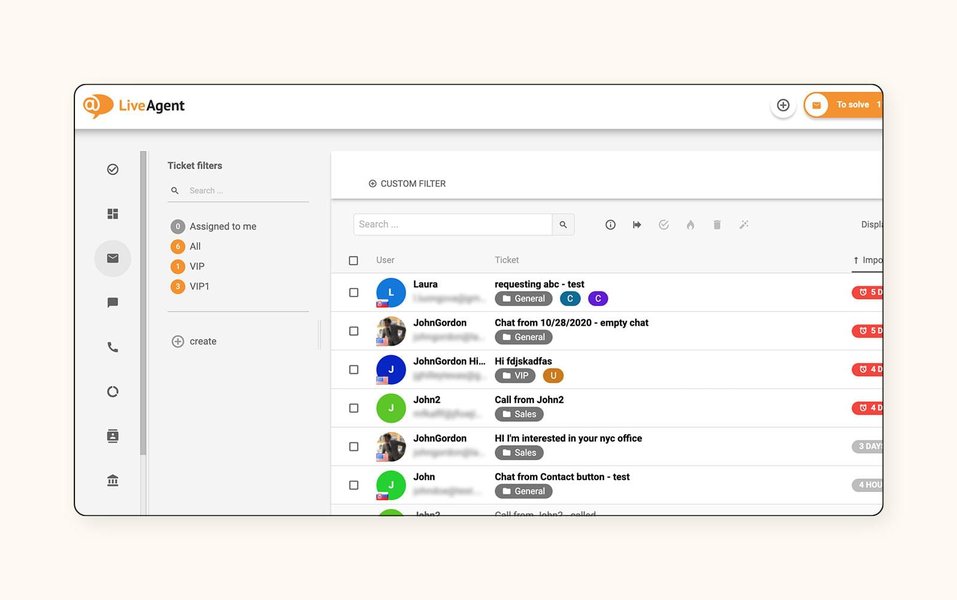
A customer service agent utilizing live chat software for real-time customer interaction.
Utilizing Canned Responses and Knowledge Bases
Canned responses, or templated answers, are invaluable for providing quick and consistent replies to frequently asked questions. Similarly, a comprehensive and updated knowledge base allows customers to self-serve and find answers on their own, deflecting routine inquiries and reducing the volume of incoming chats. When an agent does respond, attaching relevant knowledge base articles can provide further context and speed up resolution.
Streamlining Workflows and Agent Training
Efficient internal processes and intelligent routing systems ensure that chats are directed to the most appropriate team member, preventing queues and delays. Investing in comprehensive training for customer service teams, including multitasking and handling multiple chats effectively, can also significantly reduce response times. Empowering agents to make quick decisions, similar to the Ritz Carlton model where employees can resolve guest issues with discretionary spending, can further expedite problem-solving.
Importance of Multichannel Management
While this discussion focuses on chat, it's essential to consider other channels. A slow response time on one platform can lead to increased workload on others, as customers try different avenues to get attention. Therefore, managing all customer touchpoints effectively and ensuring consistent response times across emails, social media, and live chat is crucial for a cohesive customer experience.
Impact on Agent Performance and Survey Feedback
Quick response times don't just benefit customers; they also positively influence agent performance and the feedback received in customer surveys.
Measuring Agent Performance
First Response Time and Average Response Time are key metrics for evaluating agent performance. Consistently tracking these metrics helps management understand how quickly their team is responding and identify any roadblocks. When agents are equipped with the right tools and training, they can achieve better response times, which in turn leads to higher productivity and job satisfaction. Monitoring agent performance through metrics like Customer Satisfaction Score (CSAT) and First Contact Resolution (FCR) is also vital.
The Correlation Between Response Time and CSAT Scores
Customer satisfaction research consistently shows a positive correlation between faster response times and higher customer satisfaction. This directly translates to more positive feedback in post-interaction surveys. When customers feel their issues are resolved quickly and efficiently, they are more likely to rate their experience highly, reflecting well on the agent who assisted them.
Using Surveys for Continuous Improvement
Surveys are a powerful tool for gathering feedback and identifying areas for improvement in agent performance. Post-call or post-chat surveys capture fresh feedback, increasing the likelihood of getting a response. By analyzing these survey results, businesses can understand how seamlessly agents are providing answers and identify training needs or process adjustments to further reduce response times.

Empowered and happy agents lead to better customer service and positive outcomes.
Why Quick Responses Resonate with Customers
The psychological impact of a fast response cannot be overstated. It communicates professionalism, organization, and a genuine commitment to customer care. Conversely, delays can signify a lack of attention or an unorganized process, damaging trust and discouraging repeat business.
Building Trust and Positive Brand Image
A fast response creates a positive brand image. It makes customers feel heard and valued, demonstrating that their time is respected. This builds trust and fosters long-term relationships, contributing significantly to a competitive edge. Customers are more likely to develop loyalty to a brand that consistently provides swift and effective support.
The "Rule of 10 Minutes"
Some studies indicate that most customers consider it essential or very important to receive a response within 10 minutes of their request. Exceeding this expectation can positively reflect on customer service and the company as a whole. Failing to meet it creates a negative experience, potentially leading to public complaints.
Optimizing Customer Service Performance Metrics
To further illustrate the multifaceted impact of quick response times on customer service performance, consider the following radar chart. This chart provides an opinionated analysis of how various aspects of customer service are influenced by rapid response capabilities.
Radar chart illustrating the interconnected benefits of rapid response times in customer service.
Real-World Implications and Industry Benchmarks
The table below summarizes typical response time benchmarks across various customer service channels and highlights the associated impact on customer satisfaction, particularly emphasizing the benefits of quick chat responses.
| Communication Channel | Typical Response Time Benchmark | Impact of Quick Response | Impact of Slow Response |
|---|---|---|---|
| Live Chat | Ideal: <30 seconds; Acceptable: 1-5 minutes | Immediate issue resolution, high satisfaction, increased conversion rates, positive brand perception. | High abandonment rates, significant frustration, negative reviews, customers seeking other channels. |
| Social Media | 15-60 minutes | Demonstrates responsiveness, enhances brand image, positive social engagement. | Public complaints, tarnished reputation, decreased social media engagement. |
| 12-24 hours (some aim for <4 hours) | Shows professionalism, builds trust, provides detailed solutions. | Customer feeling ignored, increased follow-up emails, potential loss of business. | |
| Phone Calls | Immediate pickup (if available) | Instant human connection, quick problem-solving, high satisfaction for urgent issues. | Long hold times, significant frustration, customer churn. |
Deep Dive into the Art of Rapid Customer Service
To further understand the nuances of effective customer service, particularly the emphasis on rapid responses, consider the following video. It delves into why quick responses are not just a luxury but a necessity for business success.
Why Quickly Responding To Customers Is A MUST for Business Success.
This video encapsulates the essence of why promptness is so critical in customer service. It highlights how immediate responses can win deals and why frictionless customer service directly impacts business success. The concept extends beyond mere problem-solving; it’s about fostering a positive emotional connection with the customer. When customers feel their time is respected and their needs are prioritized, it cultivates a sense of trust and reliability that is invaluable for any business. The video underscores that in today's competitive landscape, businesses that prioritize swift and efficient communication across all channels are the ones that thrive and build lasting customer relationships.
Frequently Asked Questions
What is "First Response Time" in customer service?
Why is quick response time so important for customer satisfaction?
What are the ideal response times for live chat?
How do quick responses affect customer service agent performance?
What are some strategies to improve response times in chat customer service?
Conclusion
The significance of quick response time in chat customer service cannot be overstated. It is a cornerstone of exceptional customer experience, directly influencing satisfaction, loyalty, and brand perception. By prioritizing rapid, yet high-quality, interactions, businesses can not only meet but exceed customer expectations in the digital age. This focus on speed, combined with effective tools and well-trained agents, translates into positive customer feedback, improved agent performance, and ultimately, sustained business growth and a stronger market presence.
Recommended Further Reading
- Explore the consequences of slow customer service on business revenue.
- Discover best practices for optimizing live chat customer support.
- Learn how AI chatbots can revolutionize customer service efficiency.
- Understand the key metrics for assessing and improving customer service agent performance.