
Unveiling the Secrets of a Quiet TV Remaster: The Babylon 5 Case Study (2019-2023)
Discover how classic shows get a modern facelift without the fanfare, mirroring the meticulous Babylon 5 remaster.
Key Insights into a Quiet Remaster
- Focus on Fidelity: A "quiet remaster" prioritizes enhancing visual and audio quality using original source materials (like film negatives) while preserving the original artistic intent, aspect ratio, and narrative.
- Subdued Rollout: Unlike heavily marketed projects, these remasters often debut with minimal promotion, appearing first on digital platforms or streaming services, relying on fan discovery and word-of-mouth.
- Technical Enhancement over Reinvention: The core goal is technical improvement (HD/4K scanning, cleanup, audio remixing) rather than creative alteration, distinguishing it clearly from a reboot or remake which reimagines the story.
Understanding the "Quiet Remaster" Phenomenon
When we talk about a "quiet remaster" initiated between 2019 and 2023, we're referring to a specific approach to updating older media, often television series, for modern viewing standards. This term implies a process undertaken with minimal publicity or large-scale marketing campaigns. Instead of a grand re-launch, the focus is typically on technical enhancement and making the improved version available, often initially through digital channels, to dedicated fans and new audiences discovering the work.
This contrasts sharply with high-profile remasters accompanied by significant advertising or complete reboots that fundamentally change the source material. A quiet remaster respects the original work, aiming to present it in the best possible quality allowed by current technology and available source materials.
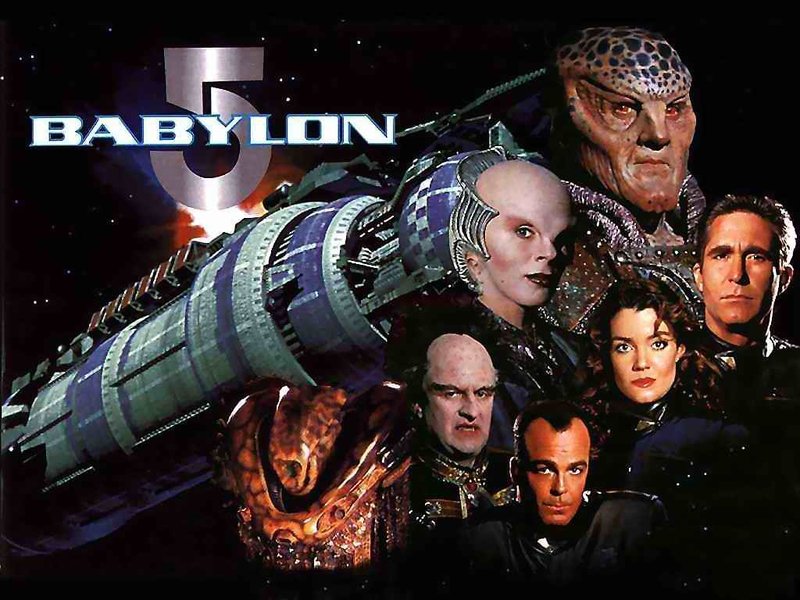
The iconic Babylon 5 station, central to the series' complex narrative.
The Babylon 5 Remaster: A Real-World Example (2019-2023 Window)
The remaster of the classic 1990s science fiction series *Babylon 5* serves as an excellent case study, as its key developments fall precisely within the 2019-2023 timeframe you mentioned. Warner Bros. undertook this project, culminating in the release of *Babylon 5 Remastered*.
Timeline and Process
Efforts began around 2020, leading to a digital release in January 2021. The project involved several key technical steps:
- Source Material Scan: The original 35mm camera negatives for the live-action sequences were located and scanned in 4K resolution. This provided a high-quality foundation far exceeding the original standard definition broadcast.
- HD Finishing: Despite the 4K scan, the final product was downscaled and finished in High Definition (HD, 1080p). This balanced significant quality improvement with practical file sizes for streaming and distribution.
- CGI and Composite Sequences: The original CGI and composite shots (where live-action is combined with visual effects), whose original digital files were reportedly lost, were digitally upscaled from the best available standard definition sources to HD. Efforts were made to clean these up and match them to the higher-resolution live-action footage, though inconsistencies inherent in upscaling were sometimes noted by viewers.
- Aspect Ratio Preservation: Crucially, the remaster maintained the show's original 4:3 aspect ratio. This was a deliberate choice to preserve the original framing and composition intended by the creators, avoiding the cropping or stretching often seen in widescreen conversions of older shows.
- Audio Enhancement: The audio was remixed into Dolby Digital 5.1 surround sound, providing a more immersive soundscape than the original stereo broadcast.
- Color Correction and Cleanup: The process included digital cleanup to remove dirt, scratches, and film grain instability, along with careful color correction to restore or enhance the original intended look.

The ensemble cast of Babylon 5, known for its character depth and long-form storytelling.
The "Quiet" Nature of the Release
The *Babylon 5 Remastered* launch wasn't accompanied by a massive marketing blitz. It appeared somewhat suddenly on digital platforms like iTunes/Apple TV and Amazon Prime Video for purchase/rental, and notably, it launched on the HBO Max streaming service in January 2021 (where it remained for two years). Awareness spread primarily through fan communities, sci-fi news outlets, and word-of-mouth. This low-key approach allowed the focus to remain on the quality improvement itself rather than generating mainstream hype.
Visualizing the Remastering Focus
The radar chart below offers a visual representation of the typical priorities and outcomes associated with a "quiet remaster" project like *Babylon 5*'s, based on the characteristics discussed. The scores are relative indicators of emphasis:
As illustrated, a quiet remaster heavily emphasizes technical quality and authenticity while minimizing marketing and creative changes, contrasting with the priorities of a larger-scale reboot.
Mapping the Quiet Remaster Journey
The mindmap below outlines the typical stages and considerations involved in a quiet remaster process, using the *Babylon 5* project as a reference model.
(e.g., Babylon 5 2019-2023)"] id1["Initiation & Goals"] id1a["Address Quality Issues
(e.g., DVD limitations)"] id1b["Preserve Original Vision"] id1c["Modern Platform Availability"] id2["Source Material Handling"] id2a["Locate Original Negatives (Film)"] id2b["Identify Best Available Sources (CGI/VFX)"] id3["Technical Execution"] id3a["Scanning (e.g., 4K Scan)"] id3b["Finishing (e.g., HD Downscale)"] id3c["Upscaling (CGI/Composites)"] id3d["Audio Remixing (e.g., 5.1 Surround)"] id3e["Color Correction & Cleanup"] id3f["Maintain Original Aspect Ratio (e.g., 4:3)"] id4["Distribution Strategy"] id4a["Minimal Marketing Campaign"] id4b["Initial Digital Release
(Streaming, Purchase/Rental)"] id4c["Later Physical Release
(e.g., Blu-ray)"] id4d["Target Existing Fanbase"] id5["Reception & Impact"] id5a["Fan Community Discovery"] id5b["Appreciation for Quality Upgrade"] id5c["Debates on Minor Changes/Limitations"] id5d["Distinction from Reboots/Remakes"]
This visual flow highlights the methodical, preservation-focused approach characteristic of such projects.
Remaster vs. Reboot: Understanding the Difference
It's crucial to distinguish a remaster from a reboot or remake. While a remaster enhances the existing material, a reboot typically involves a complete reimagining of the story, characters, or timeline.
The Babylon 5 Example
The *Babylon 5* franchise illustrates this perfectly. While the 2021 *Babylon 5 Remastered* focused solely on improving the original series' presentation, there is also a separate *Babylon 5* reboot project in development, led by the original creator J. Michael Straczynski. This reboot is intended as a "from-the-ground-up" reimagining. Similarly, the animated movie *Babylon 5: The Road Home* (released in 2023) explores alternate timelines and presents narrative differences from the original series, functioning more like a continuation or exploration within the multiverse than a simple remaster.
The following table summarizes the key distinctions using *Babylon 5* as the reference point:
| Feature | Original Series (1993-1998) | Quiet Remaster (2021) | Reboot (In Development) / Animated Movie (2023) |
|---|---|---|---|
| Goal | Initial broadcast and storytelling | Enhance AV quality, preserve original | Reimagine story, characters, timeline |
| Source Material | Original production elements | Original negatives, best available masters | Based on original concept, but new script/production |
| Narrative/Story | Canon storyline | Identical to original | Altered or completely new storyline/timeline |
| Visuals | Standard Definition, 4:3 aspect ratio | HD (from 4K scan), 4:3 aspect ratio, cleanup | Modern HD/UHD, likely widescreen, potentially new designs |
| Audio | Stereo | Remixed 5.1 Surround | Modern surround mix, potentially new score/effects |
| Marketing | Standard TV promotion for its era | Minimal, focused on digital/fan channels | Expected high-profile marketing campaign |
Visual Comparison: See the Difference
Understanding the visual impact of a remaster is often best achieved through direct comparison. While fan-made comparisons exist, official sources sometimes provide insights into the changes made. The video below, discussed by fans and related to the official remaster, helps illustrate the type of visual upgrade involved, showing differences between older releases (like DVD) and the remastered version.
A video discussing comparisons related to the official Babylon 5 remaster, highlighting visual differences.
These comparisons typically showcase improved clarity, color vibrancy, stability, and the removal of print damage, demonstrating the tangible benefits of the remastering process, even when handled "quietly."
Availability and Fan Reception
Where to Find a Quietly Remastered Series
Based on the *Babylon 5* model, a series remastered quietly between 2019-2023 would likely appear on:
- Major Streaming Services: Platforms like HBO Max (now Max), Amazon Prime Video, or others depending on licensing deals. Availability might be temporary or ongoing.
- Digital Purchase/Rental Stores: Services such as iTunes/Apple TV, Vudu, Google Play, and Amazon often carry remastered series for purchase or rent, offering permanent access.
- Physical Media: A Blu-ray or even a 4K UHD release might follow the digital debut, often months or years later, targeting collectors and those preferring physical ownership. The *Babylon 5 Remastered* complete series Blu-ray set was released in December 2023.
The rollout is often staggered, prioritizing digital access before potentially investing in a physical release based on demand.
How Fans Typically React
The reception to a quiet remaster is generally positive among the dedicated fanbase, who appreciate the effort to preserve and enhance a beloved show. Common reactions include:
- Appreciation for Quality: Fans often praise the improved visual clarity, cleaner picture, and enhanced audio.
- Value for Authenticity: Maintaining the original aspect ratio and avoiding drastic changes to effects or tone is usually well-received by purists.
- Debate over Details: Minor inconsistencies, especially in upscaled CGI, or specific choices in color grading can become points of discussion and debate within fan forums.
- Renewed Interest: A remaster can spark renewed conversations about the series, potentially introducing it to a new generation of viewers who discover it on modern platforms.
Overall, the quiet approach tends to satisfy the core audience without alienating them through excessive changes or hype that doesn't align with the project's modest scope.
Frequently Asked Questions (FAQ)
What exactly does 'remastering' involve for an old TV show?
Remastering typically involves going back to the original source elements (like film negatives or master tapes), scanning them at a higher resolution (HD or 4K), cleaning up visual imperfections (dirt, scratches), correcting colors, improving audio (often creating surround sound mixes), and potentially upscaling elements like visual effects if the original high-resolution versions are unavailable. The goal is to enhance the presentation quality for modern displays while staying faithful to the original work.
Why did the Babylon 5 remaster keep the 4:3 aspect ratio?
The decision to maintain the original 4:3 aspect ratio (the squarer format common before widescreen TVs) was made to preserve the director's original framing and composition. Forcing a 4:3 show into a 16:9 widescreen format often requires either cropping the top and bottom of the image (losing visual information) or stretching the image (distorting it). Furthermore, the visual effects shots for *Babylon 5* were originally composed and rendered for 4:3, making a widescreen conversion technically complex and potentially detrimental to the intended look.
How is a 'quiet remaster' different from a regular one?
The main difference lies in the marketing and release strategy. A "quiet" remaster has minimal promotional fanfare. It might appear on streaming services or digital stores without large press announcements, relying on fan discovery. A "regular" or high-profile remaster might be accompanied by extensive marketing campaigns, press tours, special features, and a more coordinated global launch across multiple platforms simultaneously.
Is the Babylon 5 remaster the same as the upcoming reboot?
No, they are completely separate projects. The *Babylon 5 Remastered* (released 2021) enhances the original 1990s TV series' audio and video quality but keeps the story and episodes exactly the same. The *Babylon 5* reboot (currently in development) is a completely new version of the story, a reimagining from the ground up with likely changes to characters, plot points, and timelines.
Recommended Reading
- What are the technical challenges of remastering 90s CGI television shows?
- Compare the Babylon 5 remaster with the Star Trek: The Next Generation remaster.
- What is the status of the Babylon 5 reboot project by J. Michael Straczynski?
- Where can I watch the fully remastered version of Babylon 5 today?
References
 b5remasterissues.wordpress.com
 thewertzone.blogspot.com
 amazon.com
Last updated May 1, 2025