
Understanding QW-300
An in-depth look at QW-300 in welding, industrial applications, and beyond
Key Highlights
- Welding Qualities: QW-300 as a critical section of ASME Section IX that outlines welding performance qualifications.
- Industrial Products: QW-300 also identifies specific industrial products such as oil-free air compressors and safety glasses.
- Documentation Standards: It includes established guidelines to ensure competent performance and safe practices in welding and other technical fields.
Overview of QW-300
The term “QW-300” is used in multiple industrial sectors and can refer to various products and standards. Most notably, it is recognized as a segment within the American Society of Mechanical Engineers (ASME) Section IX, which details the qualification procedures for welders and welding procedures. Alongside its use in welding, QW-300 also appears as a designation for products such as oil-free air compressors and specialty safety glasses.
QW-300 in ASME Section IX – Welding Performance Qualifications
General Explanation
Within the context of welding, QW-300 plays a significant role in ensuring that welders and welding procedures adhere to stringent safety and performance standards. In particular, it is part of Article III of Section IX in the ASME Boiler and Pressure Vessel Code. The primary objective of QW-300 is to provide detailed guidelines concerning the qualification process for welders, ensuring that they have met specific criteria before undertaking tasks that require high reliability.
Welding Performance Qualification (WPQ)
QW-300 encompasses the following critical aspects in welding performance qualification:
- Assessment and Tests: It mandates several tests, including tensile and bend tests, which assess the mechanical properties of welded joints.
- Essential Variables: These variables, detailed further in QW-350, are crucial to qualify each welding process. Each welder’s performance is tested against a series of pre-defined essential variables.
- Documentation: The performance qualification must be meticulously recorded. The Welding Performance Qualification (WPQ) forms capture the necessary detail such as values for essential variables and the qualified ranges.
- Continuity and Requalification: The continuity of qualification begins once the test piece is completed. In some cases, operators are required to requalify when transferred to a new employer, ensuring that their previous qualifications are still in compliance with current standards.
Standard Welding Procedure Specifications (SWPS)
In addition to the performance qualification guidelines, QW-300 also refers to Standard Welding Procedure Specifications (SWPSs). These specifications are industry-recognized documents that offer pre-qualified procedures for specific applications. They provide a consistent benchmark for welding practices and help maintain high-quality standards across various industries.
Industrial and Product Applications of QW-300
Oil-Free Air Compressors
In one industrial context, QW-300 designates an oil-free air compressor model. These compressors are notable for being clean, efficient, and effective in environments where oil contamination must be avoided. Such models are produced by manufacturers with facilities in countries like Germany and China. The key advantages of these models include:
- Energy Efficiency: The design can contribute to energy savings through optimized performance.
- Maintenance Benefits: As they run oil-free, these compressors are often easier to maintain and offer reduced risks of contaminating the process air.
- Quiet Operation: Their quiet operation makes them suitable for various industrial and indoor applications.
Detailed specifications and performance benefits of such compressors are typically found in product documentation provided by manufacturers.
Safety Glasses – Quartz Working Split Lens
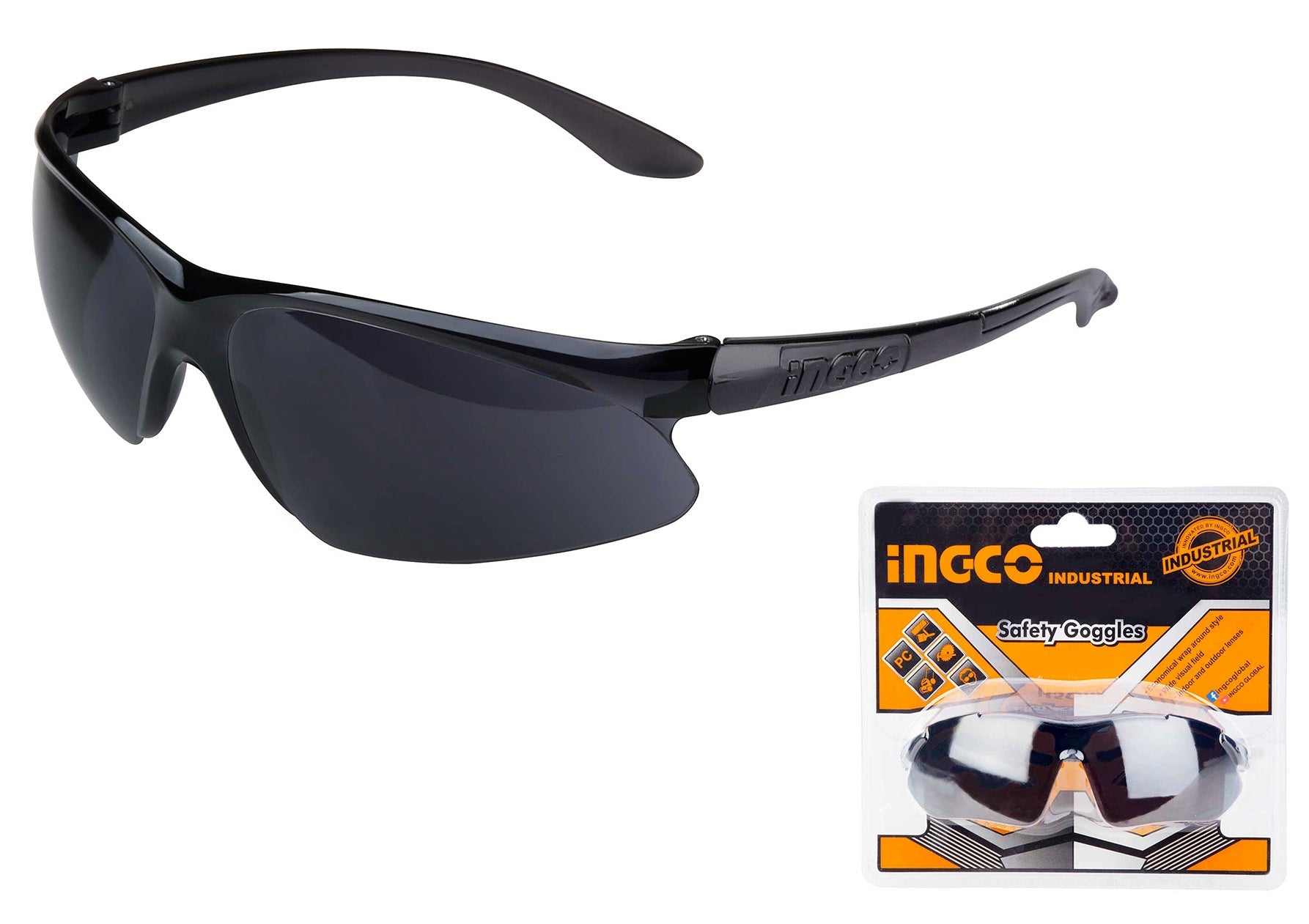
Another application of the QW-300 designation can be found in the field of personal protective equipment. Specifically, safety glasses that are engineered for specialized industrial work – often involving quartz or metal working – bear the QW-300 label. These glasses are designed with features such as:
- Split Lenses: Designed to enhance clarity and reduce the impact of glare from bright light sources, which is crucial when working with concentrated heat or light.
- Adjustable Frames: Telescoping arms allow for a universal and secure fit, ensuring that users are both comfortable and protected.
- Design for Specific Tasks: Often customized for processes requiring high visibility and reduced risk of eye injuries, their design supports the rigorous environment of industrial work.
Understanding the Documentation and Compliance Aspects
Maintaining Records
The QW-300 standard underscores the necessity of exact documentation. Employers are required to keep comprehensive records of qualifications, including:
- Test Results: Detailed evaluations from welding tests are maintained to prove compliance with the qualification standards.
- Requalification Data: Records include any instances where a welder must undergo a requalifying test, thus ensuring ongoing compliance.
Continuous Updates for Modern Practices
It is important to note that the QW-300 section has evolved over the years. Updates have integrated modern welding technologies and methodologies. This evolution ensures that the standards remain current with new materials, welding techniques, and safety practices. As technology advances, aspects such as the range of acceptable welding materials and updated essential variables are factored into QW-300 guidelines.
Comparison Table: QW-300 Applications and Standards
| Aspect | Welding Standards (ASME Section IX) | Industrial Product |
|---|---|---|
| Context | Welding procedure and performance qualification | Designated model numbers for products like air compressors or safety glasses |
| Key Functions |
|
|
| Documentation |
|
|
| Updates | Regularly revised to include modern technological advancements and methodologies | Newer product models incorporate advanced features and energy-efficient designs |
Detailed Aspects of QW-300 in Welding
The welding community highly values QW-300 because it forms an unequivocal part of the certification process. Below are additional detailed facets:
Qualification Process and Test Procedures
Test Coupons and Process Records
The process of demonstrating competency begins with the creation of a test coupon. This coupon, designed to simulate real-world welding conditions, is produced in accordance with QW-300’s specific guidelines. Once the welding process is performed, the test coupon is subjected to rigorous inspections – including tensile and bend tests – to validate the integrity of the weld.
The essential variables noted during this process not only ensure high consistency across welding operations but also serve as a benchmark for requalification practices. In many industries, if there is a change of employment or significant time gap, renewed testing based on QW-300 standards may be required.
Standard Welding Procedure Specifications (SWPSs)
Role and Importance
SWPSs are imperative as they provide documented procedures that have been pre-qualified for specific welding applications. By adhering to SWPSs, companies can significantly reduce the variability in welding operations. This ensures that every welded joint maintains the necessary performance characteristics and safety margins.
Record keeping for each procedure is standardized, with the Welding Performance Qualification form documenting all the essential variables. This level of documentation guarantees that the welding processes are replicable and consistent, further reinforcing the structural integrity of welded components.
Exploring Other Contextual References to QW-300
While the welding application of QW-300 predominates in technical discussions, the designation is not unique to welding alone. As previously mentioned, QW-300 appears in various contexts:
Oil-Free Air Compressors
Efficiency and Environmental Considerations
Oil-free air compressors identified by the QW-300 model number are engineered for specific industrial operations where the presence of oil could contaminate the process. Their design emphasizes:
- Clean Operation: Ensuring that the compressed air is free from contaminants, crucial for industries like food processing or pharmaceuticals.
- Energy Savings: Modern compressors often incorporate energy-efficient components that lower operational costs while minimizing environmental impact.
Specialized Safety Equipment
Protective Eyewear in Industrial Work
The QW-300 label when applied to safety glasses, such as those designed for quartz working or metal fabrication, underscores a commitment to precise protection standards. Such eyewear is built to endure the challenging conditions of industrial environments, ensuring optimal visibility and protection from hazardous light emissions or debris.
Documentation and Compliance in QW-300
A vital component across all sectors using the QW-300 designation is effective documentation and compliance. Whether it is for welding qualifications or product specifications, reliable record keeping is a central tenet. This documentation not only serves as proof of compliance but is also essential for quality assurance audits and operational reviews.
Digital Record Keeping and Updates
Evolving Standards in a Digital Era
With the advancement of digital technologies, record keeping for QW-300 specifications has transitioned to electronic formats. This transition allows industries to update qualification records in real time, ensuring that every test, requalification, and procedural change is adequately recorded and easily accessible for review.
Electronic databases are now commonly used across industries to monitor welding procedure qualifications and the corresponding essential variables. This shift has enhanced transparency and reliability in ensuring that all practices meet the stringent guidelines prescribed by ASME Section IX.
Implementation and Impact on Industry
The wide-ranging applications of QW-300 attest to its significance in ensuring operational excellence. In the welding domain, adhering to QW-300 ensures both safety and technical proficiency. For manufacturers and equipment providers, having a model like an oil-free air compressor or specialized safety glasses designated as QW-300 guarantees that their product meets specific standards of performance and quality.
Impact on Safety and Quality Assurance
Ensuring Structural and Operational Integrity
In industries where failure is not an option, the rigorous qualification standards of QW-300 contribute significantly to both safety and reliability. For instance, in critical welding operations:
- Structural Integrity: Thorough testing and qualification procedures minimize risks associated with structural failures, ensuring that welded joints can handle the required stresses.
- Operational Safety: By mandating the use of updated welding practices and superior safety equipment, the QW-300 standards directly impact the well-being of personnel working in hazardous environments.
Reference Data and Resources
For those looking to further explore QW-300, several resources provide detailed insight into its applications in welding and other industrial contexts. These include industry websites, technical documents, and guidelines from recognized professional bodies.
- What is ASME Section IX and Overview of ASME Section IX - Let'sFab
- ASME Section IX - QUALITY INSPECTION FORMS
- QW-200 and QW-300 Documentation - Scribd
- Discussion on QW-300 Qualifications - American Welding Society
- Understanding QW-300 in Welding - Meaningful Spaces
Exploring Further and Recommended Searches

Last updated March 22, 2025