
Radiation Therapy and Mesh Hernia Repair
Exploring the interplay between radiation effects and surgical mesh integrity
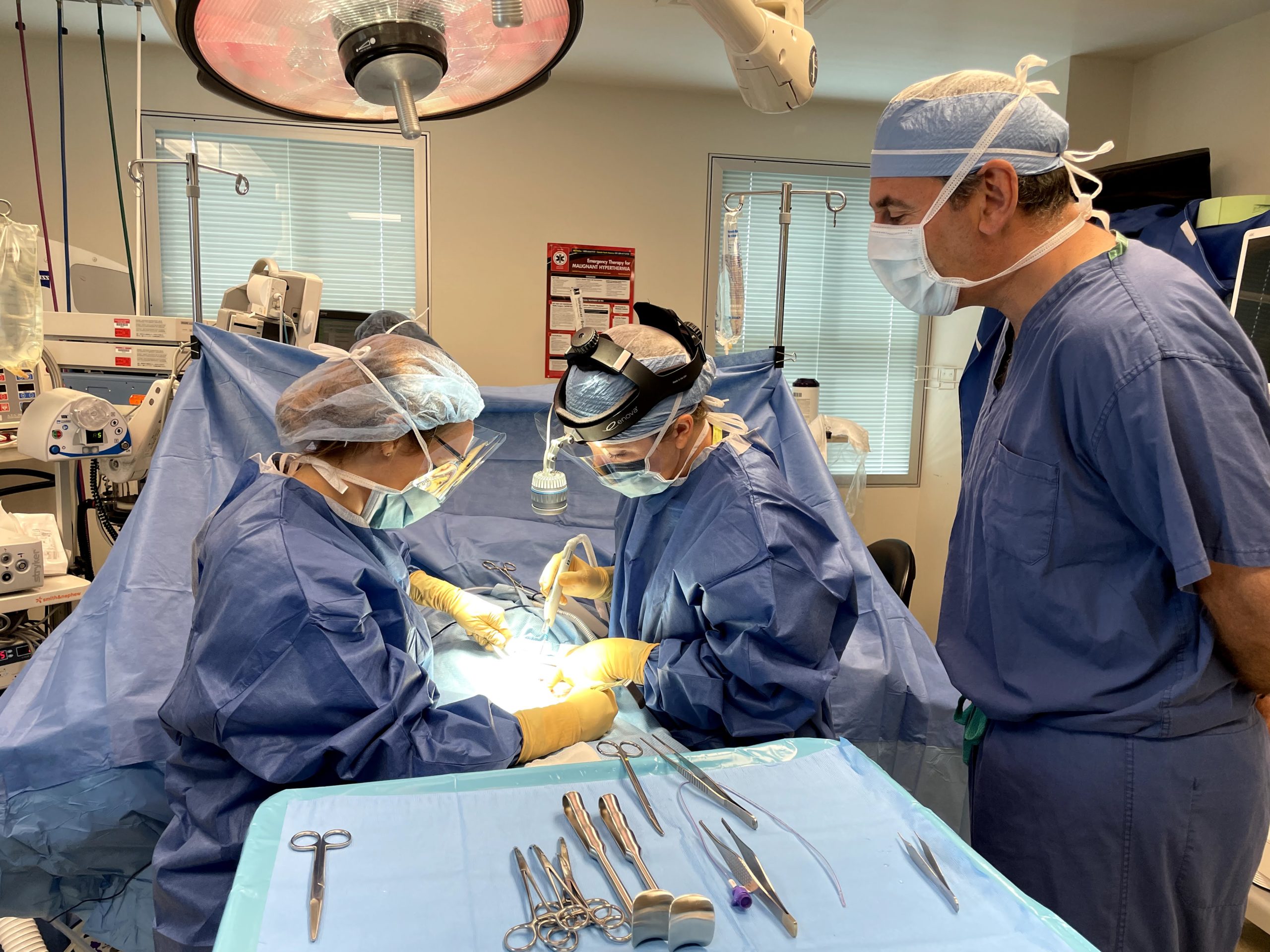
Key Highlights
- Impact on Tissue Integrity: Radiation therapy can significantly alter tissue healing, compromising the repair process.
- Surgical Timing and Material Selection: Patient-specific factors and timing relative to radiation are crucial for successful healing.
- Post-operative Considerations: Increased risks of infection, poor integration, and potential recurrence must be carefully managed.
Understanding Mesh Hernia Repair
Mesh hernia repair represents a common surgical intervention utilized to correct hernias by reinforcing weakened or damaged sections of the abdominal wall. In this procedure, surgeons typically use a synthetic or biological mesh implant to provide support, reduce recurrence risk, and promote tissue ingrowth. The success of this repair depends on a variety of factors, including tissue health, proper surgical technique, and the patient’s overall medical condition.
Mechanism and Use of Mesh in Hernia Repair
In a typical hernia repair, the mesh is placed either as an overlay (onlay), underlay (placed beneath the muscle layer), or within a sandwich configuration depending on the hernia type and severity. The purpose of the mesh is to provide reinforcement along the weakened abdominal wall area, fostering a scaffold for tissue integration. With time, the patient’s native tissues infiltrate the mesh, which ideally hardens and anchors the repair site. This process is critically dependent on the patient’s natural healing capabilities, which can be significantly altered by external factors like radiation therapy.
Impact of Radiation Therapy on Tissue and Healing
Radiation therapy is a cornerstone treatment for many cancers. Its primary mechanism involves the use of high-energy radiation to damage cellular DNA, thereby controlling or eliminating tumor cells. However, while effectively targeting malignant cells, this treatment also affects surrounding healthy tissue, especially in the irradiated field.
Biological Effects of Radiation
Radiation induces several changes in the tissues that are critical for effective wound healing:
Alterations in Tissue Microenvironment
Exposure to radiation results in a cascade of biological processes:
- Vascular Damage: Radiation can damage blood vessels, reducing blood flow and thereby decreasing the delivery of oxygen and nutrients necessary for tissue repair.
- Cellular Senescence: Cells exposed to radiation may enter a state of senescence, where they lose their ability to proliferate and effectively participate in the repair process.
- Inflammatory Response: Persistent inflammation induced by radiation can lead to chronic wound scenarios and scar tissue formation that compromises tissue elasticity.
Impaired Collagen Formation and Remodeling
An essential aspect of wound healing is the formation of collagen – a protein that provides structural integrity to healing tissues. Radiation interferes with the normal production and organization of collagen fibers, which can result in a weaker repair site. This compromised collagen network makes it more challenging for the tissue to support the implanted mesh effectively.
Radiation Therapy and Mesh Hernia Repair: Intersecting Challenges
The interplay between radiation therapy and mesh hernia repair is complex. Though there is some divergence in literature regarding the degree of impact, consensus indicates that radiation-induced alterations in tissue quality critically influence the success of the repair. Here we explore the specific concerns:
Wound Healing and Tissue Integration
One of the most crucial processes following a hernia repair is wound healing. This involves the integration of the mesh into the surrounding tissues. Radiation therapy’s negative effects on wound healing include:
- Delayed Healing Time: The tissue repair process becomes slower, offering a longer window for potential complications such as infection or poor tissue-mesh integration.
- Risk of Infection: The diminished immune response and impaired vascularity after radiation treatment elevate infection risks. Infections can lead to breakdowns at the repair site or mesh-related complications.
- Mesh Integration Challenges: For successful reinforcement, the mesh must become tightly integrated with the host tissues. Radiation-altered tissue is less likely to provide the necessary integration environment, potentially leading to mesh migration, erosion, or even recurrence of the hernia.
Surgical Timing and Techniques
The timing of mesh hernia repair in patients receiving radiation therapy is a critical factor in determining outcomes:
Pre-Radiation Versus Post-Radiation Intervention
Clinical decisions often revolve around whether to perform hernia repair before or after radiation therapy:
- Pre-Radiation Surgery: Performing hernia repair prior to radiation may seem beneficial as the tissues are not yet compromised. However, pre-operative planning must account for the fact that subsequent radiation exposure can still affect the long-term integrity of the repair.
- Post-Radiation Surgery: Delaying surgery until after radiation can allow tissues time to recover, but it poses its own set of challenges. Post-radiation tissues tend to have reduced regenerative capacity, leading to slower healing and increased difficulty in achieving strong mesh integration.
Selecting the Appropriate Mesh Material
The type of mesh chosen for hernia repair is crucial in patients with a history of radiation therapy. Options include:
- Synthetic Mesh: Typically used in standard hernia repairs, synthetic mesh may be effective in healthy tissue environments. However, in irradiated tissues that are less vascular and more fibrosis-prone, synthetic materials might not provide the optimal integration environment.
- Biological Mesh: Derived from processed animal tissues, biological meshes have appeal in contaminated or compromised fields. They are designed to integrate with the host tissue without inciting a robust inflammatory response, which may be an advantage in the irradiated tissue.
- Absorbable Mesh: In some cases, absorbable or partially absorbable meshes are considered. Their temporary support can allow the tissue to gradually assume its natural strength, particularly when high doses of post-operative radiation are anticipated.
Clinical Implications and Risk Management
Despite variations in clinical practice, there is a recognized need for individualized approaches when planning hernia repair in patients who have received or will receive radiation therapy.
Assessing Patient-Specific Factors
Key considerations include:
- History of Radiation Exposure: Patients with prior radiation exposure should be thoroughly evaluated for the extent and timing of their treatment, as well as any potential long-term tissue alterations.
- Comorbidities and Overall Health: Factors such as diabetes, nutritional status, and other concurrent conditions can exacerbate the negative impact of radiation on healing.
- Surgical History: Previous surgeries and the presence of scar tissue may affect tissue perfusion and the overall ability to integrate a mesh implant within irradiated tissue.
Adjusting Surgical Strategies
Surgeons may adopt several modified strategies in such cases:
- Delayed Repairs: In some instances, delaying elective hernia repair until a sufficient recovery period post-radiation is advisable. This window allows for a partial recovery of tissue regenerative capabilities.
- Enhanced Pre-operative Evaluation: Utilizing imaging techniques and detailed patient history analyses can help determine the optimal timing and method for repair.
- Customized Mesh Selection: Tailoring the choice of mesh based on the patient’s radiation history and tissue quality is key to minimizing complications such as mesh erosion, infection, or re-herniation.
Detailed Comparison: Radiation Effects Versus Non-Radiated Tissue
The success of hernia repairs substantially depends on the local tissue environment. The following table provides a comparative overview of tissue properties in irradiated versus non-irradiated conditions:
| Parameter | Non-Irradiated Tissue | Irradiated Tissue |
|---|---|---|
| Vascularity | Normal blood flow enabling efficient oxygen and nutrient delivery | Reduced due to damage to microvasculature, affecting healing |
| Cellular Proliferation | Optimal for repair and regeneration | Lowered significantly, leading to slower wound closure |
| Inflammatory Response | Balanced inflammatory signals supporting tissue remodeling | Chronic inflammation may persist, complicating healing |
| Collagen Formation | Robust synthesis and organized structure contribute to repair strength | Impaired synthesis often results in a disorganized, weak collagen framework |
| Integration with Mesh | Effective tissue ingrowth and mesh incorporation | Suboptimal integration increasing risk for mesh complications |
Research Insights and Clinical Studies
A convergence of clinical studies indicates that radiation therapy can impact mesh hernia repair primarily via its effects on the tissue microenvironment:
Review of Clinical Findings
Multiple studies have evaluated the interaction between radiation therapy and resulting outcomes following hernia repair. While some research has observed that synthetic mesh repairs in irradiated tissues may display similar complication rates to those in non-irradiated tissues, a larger body of evidence highlights the following:
- Increased Postoperative Risks: Radiation can lead to higher rates of infection, seroma formation, and delayed wound healing – all of which have been linked to subsequent hernia recurrence.
- Mesh-Related Complications: Some reports have raised concerns about mesh erosion and migration when used in tissues with compromised healing properties, potentially due to chronic inflammatory changes.
- Patient History: Outcomes tend to be more favorable when surgical planning involves detailed patient history evaluations, ensuring that pre-existing tissue damage from radiation is taken into account when selecting both the type of mesh and the timing of the procedure.
Recommendations from Clinical Literature
Based on these observations, several recommendations are frequently made:
- Individualized Treatment: Clinicians are advised to tailor the surgical approach based on a patient’s unique history, radiation dose, and time elapsed post-treatment.
- Preoperative Optimization: Whenever possible, a waiting period post-radiation can be beneficial to allow partial tissue recovery before undertaking a hernia repair.
- Material Innovation: Research into advanced mesh materials, including bioabsorbable and biologically active meshes, continues to evolve to better accommodate the unique healing challenges imposed by prior radiation therapy.
Integrated Considerations for Clinical Practice
The decision-making process for hernia repair in the context of previous or ongoing radiation therapy requires collaboration among multiple specialties, including surgical oncologists, plastic surgeons, and radiologists. A holistic assessment ensures that the risks inherent to radiation-induced tissue changes are mitigated through optimized surgical timing, material selection, and patient-specific planning.
Multidisciplinary Approach
An effective treatment plan often emerges from a multidisciplinary discussion that considers:
- Pre-Operative Evaluations: Detailed imaging studies and tissue assessments help in mapping out the extent of radiation-related changes.
- Intraoperative Decisions: Surgeons may choose to adjust their techniques, for example, by reinforcing the repair with additional sutures or flap techniques when tissue quality is poor.
- Post-Operative Care: Enhanced surveillance for infection and careful wound management are integral aspects of patient care following hernia repair in irradiated fields.
Postoperative Complication Management
The management and surveillance strategy following surgery should be particularly rigorous. Measures include:
- Regular Monitoring: Follow-up visits focused on identifying early signs of infection or mesh-related issues.
- Adjunct Therapies: Utilizing wound-healing adjuncts such as hyperbaric oxygen therapy in certain challenging cases.
- Patient Education: Informing patients about potential complications and encouraging prompt reporting of any abnormal symptoms.
Synthesized Guidelines for Practice
Drawing upon multiple clinical observations and research insights, the following guidelines are emerging for practitioners planning hernia repair in patients with radiation exposure:
Preoperative Phase
- Conduct a thorough review of the patient’s radiation history including dose and timing.
- Utilize imaging and diagnostic tests to assess the extent of tissue damage.
- Consider interdisciplinary consultations to design optimal surgical strategies.
Intraoperative Phase
- Select the mesh material based on tissue quality – favoring biological or absorbable meshes in compromised beds.
- Modify surgical techniques to include additional reinforcement measures where needed.
- Ensure meticulous soft-tissue handling to reduce additional trauma.
Postoperative Phase
- Implement a rigorous follow-up schedule to monitor for complications.
- Consider adjunctive therapies to support wound healing.
- Educate patients about signs of infection and other complications to ensure timely intervention.
Potential Long-Term Considerations
When radiation therapy factors into a patient’s history, the long-term integrity of a mesh hernia repair can be influenced by chronic tissue changes. Even years following a successful repair, patients with prior radiation exposure may experience outcomes such as:
- Gradual Mesh Failure: Ongoing tissue remodeling and fibrosis can eventually lead to mesh weakening or failure.
- Hernia Recurrence: Due to persistent tissue weakness, recurrence of herniation remains a concern, necessitating long-term follow-up.
- Chronic Pain or Discomfort: Changes in the tissue environment may affect nerve distribution and healing, resulting in chronic discomfort.
It remains imperative that patients with a history of radiation exposure continue to receive ongoing, comprehensive care long after their initial hernia repair. Maintaining an open line of communication between patients and healthcare providers is crucial to rapidly address any emerging complications.
Comprehensive Summary Table
Below is a summary table that encapsulates how radiation therapy impacts various aspects of mesh hernia repair:
| Aspect | Normal Healing | Post-Radiation Tissue |
|---|---|---|
| Vascular Supply | Optimal blood flow and nutrient delivery | Diminished, impairing efficient healing |
| Inflammation | Controlled inflammatory phase promoting repair | Prolonged and excessive inflammation |
| Collagen Deposition | Well-organized synthesis providing strength | Disordered collagen deposition causing weakness |
| Tissue Integration with Mesh | Effective integration and reinforcement | Suboptimal integration, increasing risks of mesh complications |
| Long-Term Outcomes | Stable repair with low recurrence | Increased risk of recurrence and chronic complications |
References
-
PMC Article on Radiation Impact - NCBI
-
Study on Chemotherapy and Postoperative Repair - NCBI
- PubMed on Radiation Effects in Tissue - PubMed
- Frontiers in Surgery - Radiation and Mesh Repairs
- Wiley on Hernia Repair in Radiated Tissues - Wiley
Recommended Related Queries
Last updated March 17, 2025