
Understanding the Integration of Radio Consolettes with Individual Radios
Comprehensive Insights into Radio Consolette Functionality and Operations
Key Takeaways
- Centralized Communication Management: Radio consolettes serve as the primary interface for dispatchers to manage and coordinate communications with multiple individual radios efficiently.
- Seamless System Integration: They are designed to integrate with various communication systems, including both analog and digital platforms, enhancing interoperability and operational flexibility.
- Advanced Control and Security Features: Equipped with functionalities like remote channel steering, crosspatching, encryption, and voice recording, consolettes ensure secure and streamlined communication processes.
Introduction to Radio Consolettes
A radio consolette, often referred to as a dispatch console or desktop repeater, is a sophisticated communication device that consolidates multiple radio functionalities into a single desktop unit. It integrates a mobile radio, control interface, power supply, and various communication features, acting as a centralized hub for dispatchers to interact with individual portable or mobile radios used by field personnel. This integration enhances the efficiency, reliability, and security of communication within various operational environments such as emergency services, security operations, and large-scale event management.
Core Components and Functionalities
1. Radio Interface Unit
The Radio Interface Unit is the heart of the consolette, facilitating communication across different radio frequencies and protocols. It ensures that the dispatcher can communicate effectively with both analog and digital radios, managing signal transmission and reception seamlessly. This unit supports various signaling types, including P25, DMR, and analog trunking, enabling interoperability across diverse radio systems.
2. Control Head Interface
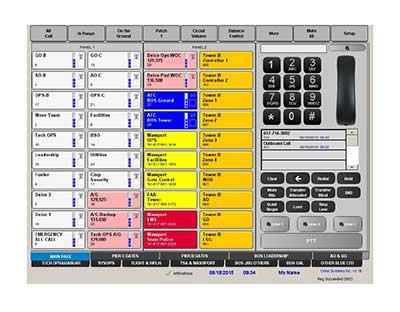
The Control Head Interface serves as the user-friendly interface through which dispatchers control communications. Equipped with push-to-talk (PTT) buttons, channel selectors, volume controls, and display screens, it allows intuitive management of multiple communication channels and talkgroups. Advanced control heads may offer customizable layouts, enabling dispatchers to tailor the interface to their specific operational needs.
3. Power Management System
Ensuring uninterrupted communication is critical, especially in emergency scenarios. Radio consolettes are equipped with robust Power Management Systems that typically include an AC power supply coupled with battery backup capabilities. This setup ensures that the consolette remains operational during power outages, automatically switching to backup power to maintain continuous communication channels.
4. Audio Routing and Integration
The consolette's ability to route audio signals efficiently is paramount for clear and reliable communication. It directs audio from individual radios to connected headsets or speakers, utilizing built-in amplifiers and sound processing technologies to enhance audio quality. Additionally, it integrates with external audio systems such as voice recorders and public address (PA) systems, enabling features like voice logging, broad announcements, and enhanced audio management within the dispatch center.
5. Remote Control and Channel Steering
Advanced radio consolettes possess Remote Control Capabilities, allowing dispatchers to manage individual radios remotely. This includes functionalities like channel steering, where the dispatcher can change the operating channel of a field radio without physical access to the device. Such features enhance communication efficiency, reduce the risk of channel interference, and allow for dynamic management of radio traffic based on real-time operational demands.
6. Crosspatching and Interoperability
Crosspatching is a critical function that enables communication between different radio systems or talkgroups. By bridging distinct frequencies or technological protocols (e.g., analog and digital), consolettes facilitate seamless interoperability among various agencies and systems. This capability is especially vital during coordinated efforts involving multiple departments or during large-scale emergencies requiring unified communication channels.
Operational Integration and System Connectivity
Integration with Computer-Aided Dispatch (CAD) Systems
Modern radio consolettes often integrate with Computer-Aided Dispatch (CAD) systems, providing dispatchers with real-time access to critical information such as unit statuses, locations, and incident details. This integration allows for more informed decision-making, enabling dispatchers to allocate resources effectively and respond promptly to evolving situations.
Interfacing with Communication Networks
Consolettes are designed to interface with expansive communication networks, supporting protocols like P25 and DMR, as well as traditional analog systems. This broad compatibility ensures that both legacy and modern radios can communicate effectively, maintaining operational continuity across various technological platforms.
System Redundancy and Backup Communication
In scenarios where primary communication systems fail, radio consolettes can serve as backup communication hubs. Their ability to operate as standalone units or integrate with existing systems ensures that essential communication capabilities remain accessible, safeguarding against potential disruptions during critical operations.
Advanced Features Enhancing Communication Efficiency
Voice Recording and Logging
Many radio consolettes are equipped with Voice Recording capabilities, allowing for the logging of all communications. This feature is essential for accountability, post-incident analysis, and maintaining records for training or auditing purposes. Integrated recording systems can automatically archive conversations, ensuring that all communications are securely stored and easily retrievable when needed.
Encryption and Secure Communication
To safeguard sensitive information, radio consolettes support Encryption Protocols that secure communications between dispatchers and individual radios. Encryption prevents unauthorized access and eavesdropping, ensuring that critical information remains confidential and protected against potential security breaches.
Public Address (PA) System Integration
Integration with Public Address (PA) Systems allows dispatchers to make broader announcements across the dispatch center or designated areas. This feature is particularly useful for disseminating important information quickly to all personnel, enhancing situational awareness and coordination during time-sensitive operations.
Diagnostic and Monitoring Tools
Radio consolettes often include diagnostic and monitoring tools that provide real-time insights into system performance and signal quality. These tools assist dispatchers in identifying and addressing communication issues promptly, ensuring that the communication infrastructure remains reliable and effective.
User Interface and Accessibility
Intuitive Control Interfaces
The design of a radio consolette's user interface is pivotal for operational efficiency. Featuring intuitive controls such as tactile push-to-talk (PTT) buttons, easily navigable channel selectors, and adjustable volume controls, the interface allows dispatchers to manage multiple communication channels effortlessly. Clear displays and ergonomic designs further enhance usability, reducing the cognitive load during high-pressure scenarios.
Customization and Flexibility
Advanced consolettes offer customization options, enabling dispatchers to tailor the interface to their specific needs. This may include programmable buttons, adjustable display settings, and configurable alert systems. Such flexibility ensures that the consolette can adapt to varying operational requirements, enhancing overall communication management.
Accessibility Features
To accommodate diverse user requirements, radio consolettes may include accessibility features such as adjustable height stands, compatible headsets for individuals with hearing impairments, and customizable display settings for those with visual challenges. These features ensure that all dispatchers can operate the consolette effectively, promoting inclusivity and operational efficiency.
Deployment and Use Cases
Emergency Services
In emergency services such as firefighting, police, and medical response, radio consolettes are indispensable for coordinating operations. They enable dispatchers to communicate critical information swiftly, manage resource allocation efficiently, and maintain situational awareness across multiple units and locations.
Security Operations
Security organizations utilize radio consolettes to monitor and manage communication among personnel. Whether in corporate security, event management, or private security firms, consolettes facilitate real-time coordination, enhancing the effectiveness and responsiveness of security operations.
Public Safety and Municipal Services
Municipal services such as public works, transportation, and utilities rely on radio consolettes to manage communications between field teams and central offices. This ensures that operational tasks are coordinated efficiently, improving service delivery and response times.
Large-Scale Event Management
During large-scale events, such as concerts, sports events, or conferences, radio consolettes play a vital role in managing communications among various teams and departments. They ensure that event coordinators can communicate effectively with security, logistics, and service personnel, enhancing overall event management and attendee safety.
Comparative Features Table
| Feature | Description | Benefits |
|---|---|---|
| Centralized Communication | Acts as a hub for dispatchers to communicate with multiple individual radios. | Enhances coordination and reduces communication delays. |
| Channel Steering | Remotely controls channels of individual radios to manage communication flow. | Prevents channel interference and optimizes communication channels. |
| System Integration | Integrates with CAD systems, voice recorders, and PA systems for enhanced functionality. | Provides comprehensive operational data and improves communication management. |
| Crosspatching | Bridges communication between different radio systems or talkgroups. | Enables interoperability among diverse communication platforms. |
| Power Management | Ensures uninterrupted operation with AC power and battery backups. | Maintains critical communications during power outages. |
| Encryption | Provides secure communication channels to protect sensitive information. | Enhances security and prevents unauthorized access. |
| Voice Recording | Enables logging of conversations for accountability and analysis. | Facilitates post-incident reviews and regulatory compliance. |
| Public Address Integration | Allows dispatchers to make broad announcements across the center. | Improves information dissemination and situational awareness. |
| Diagnostic Tools | Provides real-time insights into system performance and signal quality. | Assists in quick troubleshooting and maintains system reliability. |
Conclusion
Radio consolettes are pivotal in modern communication infrastructures, serving as the central interface between dispatchers and a network of individual radios. Their comprehensive integration capabilities, advanced control features, and robust power management systems ensure that communication remains efficient, secure, and reliable across various operational contexts. By facilitating centralized communication management, enabling seamless integration with diverse systems, and incorporating advanced functionalities such as encryption and voice recording, consolettes enhance the overall effectiveness of dispatch and coordination efforts. Whether employed in emergency services, security operations, municipal functions, or large-scale event management, radio consolettes provide the necessary tools to maintain organized and responsive communication networks, ultimately contributing to safer and more efficient operations.
References
Last updated January 28, 2025