
Rainwater Collection as an Alternative Water Supply
Harnessing Nature's Gift for Sustainable Water Management
Key Takeaways
- Water Conservation: Significantly reduces dependence on traditional water sources.
- Economic Benefits: Lowers water bills and provides cost-effective water solutions.
- Environmental Impact: Mitigates stormwater runoff and preserves natural ecosystems.
Introduction
Rainwater collection, also known as rainwater harvesting (RWH), is an innovative and sustainable method of capturing and storing rainwater for various uses. This practice has gained significant attention as a viable alternative water supply, especially in regions facing water scarcity, unreliable municipal water systems, or aiming to enhance their sustainability practices. By utilizing rooftops, ground surfaces, and other catchment areas, rainwater harvesting systems can serve residential, agricultural, commercial, and industrial needs, offering a multifaceted approach to water management.
Benefits of Rainwater Collection
1. Water Conservation
One of the most prominent advantages of rainwater collection is its ability to conserve water. By harvesting rainwater, individuals and communities can significantly reduce their reliance on traditional water sources such as municipal water supplies or groundwater. This conservation is particularly crucial in drought-prone areas or regions with limited water resources, ensuring that water is available for essential uses even during dry periods.
2. Economic Savings
Implementing a rainwater harvesting system can lead to substantial economic benefits. By utilizing rainwater for non-potable purposes like gardening, toilet flushing, laundry, and vehicle washing, households and businesses can lower their water bills. Additionally, reduced demand on municipal water systems can translate to lower utility costs, making rainwater harvesting a cost-effective solution in the long term.
3. Environmental Benefits
Rainwater harvesting plays a pivotal role in protecting the environment. By capturing rainwater, the volume of stormwater runoff is reduced, which in turn minimizes soil erosion, prevents river and lake pollution, and curtails urban flooding. Moreover, decreased reliance on treated municipal water lowers the carbon footprint associated with water transportation and treatment processes.
4. Sustainability
Rainwater harvesting promotes sustainable living by leveraging a renewable resource—the rain. This approach supports long-term water management strategies, ensuring that water needs are met without depleting existing water sources. Sustainable water use is increasingly important in the face of climate change and growing global water demand.
5. Independence from Municipal Supplies
Collecting rainwater provides households and communities with a degree of independence from municipal water systems. This independence is particularly beneficial in areas where water supply is unreliable or during emergencies when municipal systems may fail. Having an alternative water supply enhances resilience and ensures a steady water flow for essential uses.
6. Reduced Strain on Infrastructure
By diverting rainwater away from municipal systems, rainwater harvesting can decrease the demand on water treatment and distribution infrastructures. This reduction can delay or eliminate the need for costly infrastructure upgrades and expansions, making it a financially prudent option for municipalities.
7. Water Security
Rainwater harvesting enhances water security by providing an additional water source that can act as a buffer during water shortages or supply interruptions. This security is vital for both rural and urban areas, ensuring that water is available when traditional sources are insufficient or compromised.
8. Reduced Pressure on Groundwater
Groundwater levels are declining in many parts of the world due to excessive extraction for agricultural, industrial, and domestic uses. By utilizing rainwater, the demand on groundwater resources is lessened, helping to preserve these vital underground reserves for future generations.
9. Stormwater Management
Effective management of stormwater is crucial to prevent urban flooding and erosion. Rainwater harvesting systems capture and store rainwater that would otherwise contribute to runoff, thereby mitigating the adverse effects of heavy rains and improving urban water management.
Applications of Rainwater Collection
1. Domestic Uses
In residential settings, harvested rainwater can be utilized for a variety of non-potable applications. Common uses include:
-
Toilet flushing
-
Garden and landscape irrigation
-
Laundry
-
Washing vehicles
-
Cleaning outdoor areas
With proper treatment, rainwater can also be made potable, providing drinking water, though this requires additional filtration and purification steps to ensure safety.
2. Agricultural Uses
Farmers can benefit significantly from rainwater harvesting by supplementing irrigation needs, particularly during dry seasons. This practice reduces dependency on groundwater, enhances crop yields, and ensures a more reliable water supply for livestock. Implementing rainwater collection systems in agriculture supports sustainable farming practices and improves overall productivity.
3. Industrial and Community Applications
Industries and communities can adopt large-scale rainwater harvesting systems to meet their water needs. These systems can support public parks, schools, hospitals, and commercial buildings by providing water for irrigation, cleaning, and other non-potable uses. In some cases, treated rainwater can also supply potable water, enhancing the sustainability of community water systems.
4. Emergency and Backup Supplies
Rainwater harvesting systems can serve as emergency water reserves during natural disasters or supply interruptions. Having a backup water source ensures that essential needs are met when traditional water systems are compromised, enhancing the resilience of households and communities.
Design and Implementation Considerations
1. Catchment Surface
The catchment surface is the area from which rainwater is collected, typically rooftops or other impervious surfaces. The type of material and its cleanliness are critical factors influencing water quality. Materials should be non-toxic and free from contaminants to ensure that the harvested water is safe for its intended use.
2. Conveyance System
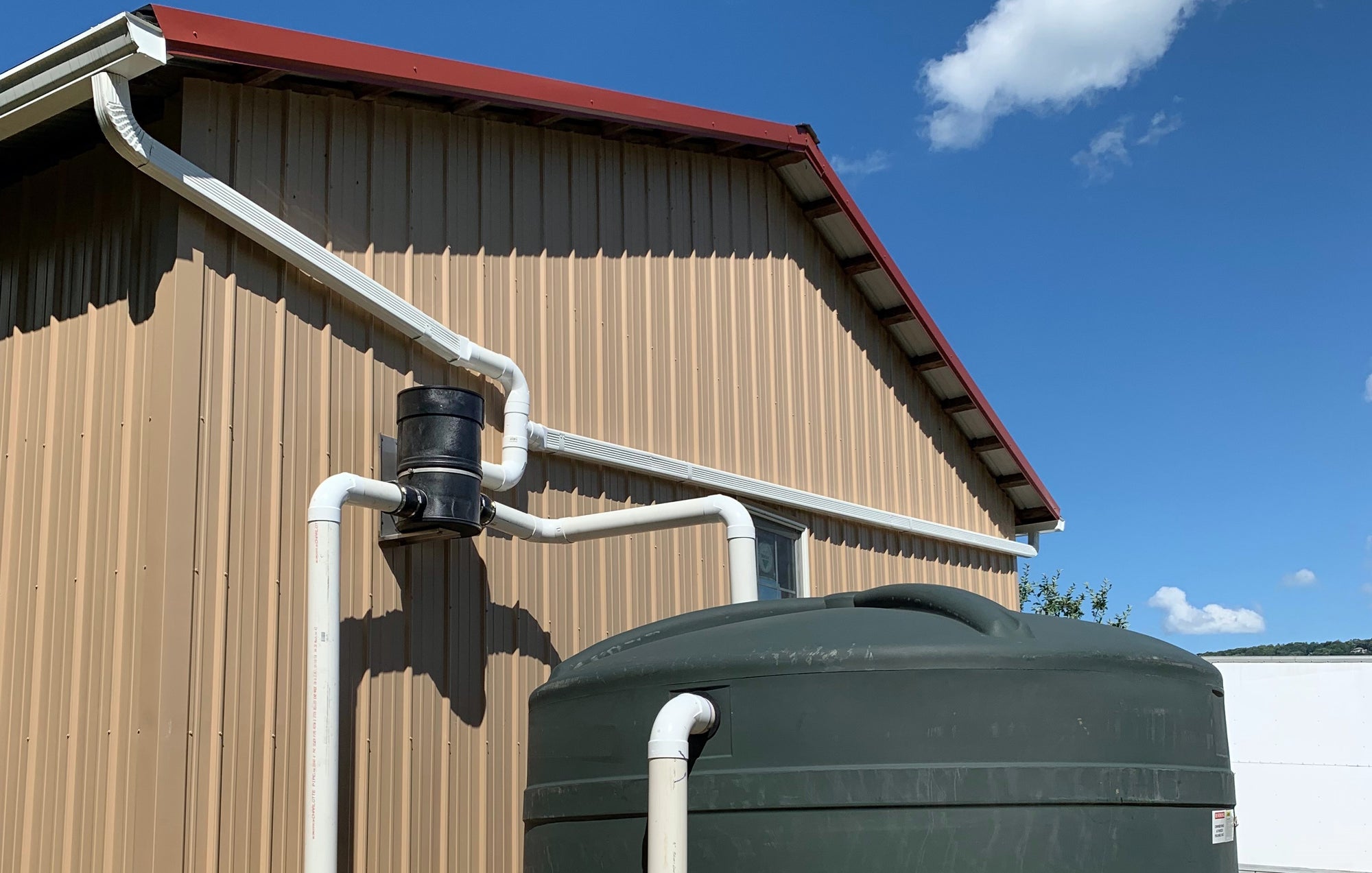
The conveyance system includes gutters, downspouts, and filters that transport rainwater from the catchment area to the storage tanks. Installing first-flush diverters is essential to remove initial debris and contaminants from the water, ensuring that only cleaner water enters the storage system.
3. Storage Tanks and Reservoirs
Storage tanks come in various materials, including concrete, plastic, metal, and fiberglass. The choice of material depends on factors such as capacity requirements, climate conditions, and budget. Tanks should be secure and covered to prevent contamination, mosquito breeding, and evaporation losses. Proper sizing ensures that adequate water is available during periods of low rainfall.
4. Water Quality and Treatment
The quality of harvested rainwater depends on the catchment surface, conveyance system, and storage conditions. For non-potable uses, minimal treatment such as filtration may suffice. However, for potable applications, advanced treatment methods like UV disinfection, reverse osmosis, or chemical treatments are necessary to ensure safety. Regular maintenance and monitoring are crucial to uphold water quality standards.
5. System Design and Integration
Effective rainwater harvesting systems are designed to meet specific water demands and integrated with existing water systems. Incorporating smart technologies, such as sensors and automated controls, can enhance system efficiency and water management. Integrating rainwater collection with other sustainable practices, like greywater recycling or solar power, can further optimize water usage and conservation.
Challenges and Mitigation Strategies
1. Initial Installation Costs
One of the primary barriers to adopting rainwater harvesting systems is the initial investment required for installation. However, the long-term economic benefits, including reduced water bills and potential incentives, can offset these costs. Governments and organizations often provide grants, subsidies, or tax incentives to encourage the adoption of rainwater harvesting practices.
2. Maintenance and Upkeep
Maintaining a rainwater harvesting system is essential to ensure its efficiency and water quality. Regular cleaning of catchment surfaces, gutters, filters, and storage tanks prevents contamination and system clogging. Scheduled inspections and prompt repairs address any issues, prolonging the system's lifespan and maintaining optimal performance.
3. Variability of Rainfall
Rainfall patterns can be unpredictable and vary seasonally, leading to periods of insufficient water accumulation. To mitigate this, systems can be designed with larger storage capacities, or complemented with other water sources to ensure a consistent water supply. Implementing water conservation measures alongside harvesting can also reduce overall water demand.
4. Water Quality Control
Ensuring the quality of harvested rainwater is paramount, especially for potable uses. Implementing effective filtration and treatment processes, along with regular water quality testing, maintains safe and reliable water standards. Using appropriate materials and maintaining cleanliness throughout the system also contribute to high water quality.
5. Regulatory and Legal Considerations
Regulations regarding rainwater harvesting vary by region, affecting water rights, usage restrictions, and system standards. It is crucial to consult local codes and obtain necessary permits before installing a rainwater harvesting system. Advocating for supportive policies and engaging with regulatory bodies can facilitate broader adoption and standardization of rainwater harvesting practices.
6. Public Awareness and Education
Raising awareness about the benefits and implementation of rainwater harvesting is essential for widespread adoption. Educational programs, workshops, and community initiatives can inform individuals and organizations about the advantages, best practices, and maintenance requirements, fostering a culture of sustainable water management.
Technological Advancements and Future Directions
1. Smart Monitoring Systems
Advancements in technology have led to the development of smart monitoring systems for rainwater harvesting. These systems utilize sensors and automated controls to track water levels, monitor quality, and optimize usage. Real-time data allows for efficient management and timely maintenance, enhancing system reliability and performance.
2. Integration with Renewable Energy
Combining rainwater harvesting with renewable energy sources, such as solar power, can further enhance sustainability. Solar-powered pumps and filtration systems reduce the reliance on traditional energy sources, making rainwater harvesting systems more environmentally friendly and cost-effective.
3. Hybrid Systems
Integrating rainwater harvesting with other water conservation practices, like greywater recycling or wastewater treatment, creates hybrid systems that maximize water efficiency. These comprehensive approaches ensure that water is reused and conserved across various applications, promoting holistic water management.
4. Policy and Infrastructure Support
Future developments in rainwater harvesting will likely involve stronger policy support and infrastructure integration. Governments and municipalities can play a significant role by providing incentives, developing standardized guidelines, and incorporating rainwater harvesting into urban planning and building codes.
Comparison of Storage Tank Materials
| Material | Advantages | Disadvantages | Best Uses |
|---|---|---|---|
| Concrete | Durable, long lifespan, suitable for large volumes | Heavy, requires professional installation, potential for algae growth | Agricultural and large-scale community systems |
| Plastic (e.g., PVC) | Lightweight, cost-effective, easy to install | Less durable over time, susceptible to UV degradation | Residential and small to medium-scale applications |
| Metal (e.g., Steel, Aluminum) | Strong, durable, resistant to pests | Prone to corrosion, higher cost | Industrial and high-capacity systems |
| Fiberglass | Corrosion-resistant, lightweight, long-lasting | Higher upfront cost, can be brittle | Residential and commercial applications requiring durability |
Conclusion
Rainwater collection stands out as a highly effective and sustainable alternative water supply, offering a multitude of benefits ranging from water conservation and economic savings to significant environmental advantages. By reducing dependence on traditional water sources, mitigating stormwater runoff, and enhancing water security, rainwater harvesting presents a comprehensive solution to contemporary water management challenges.
While the initial installation costs and maintenance requirements may pose challenges, the long-term benefits and potential for integration with other sustainable practices make rainwater harvesting a compelling option for individuals, communities, and industries alike. Technological advancements and supportive policies will further facilitate the adoption and optimization of rainwater harvesting systems, ensuring their role in fostering resilient and sustainable water management strategies.
References
Last updated February 12, 2025