
Unlock Your Property's Potential: Manage Rainwater, Prevent Erosion, and Utilize Your Well in Leiria
Cost-effective, low-maintenance strategies for your sloped agricultural land and unused well.
Managing significant rainwater runoff from a large roof area onto sloped agricultural land presents unique challenges, especially when aiming for cost-effective, low-maintenance solutions that prevent erosion. Your situation in Leiria, with 600 m² of roof coverage draining onto a 20-degree slope leading to a stream 120 meters away, and the presence of an unused well, offers opportunities for integrated water management. By combining natural techniques with the strategic use of your existing well, you can protect your land, potentially benefit your agricultural activities, and manage water flow effectively without relying heavily on complex or expensive materials.
Key Highlights for Effective Rainwater Management
- Utilize Your Unused Well: Your 3-meter diameter, 10-meter deep well is a valuable asset. It can be adapted into an effective infiltration point (dry well) to absorb a significant portion of the roof runoff, reducing surface flow and recharging groundwater.
- Embrace Vegetative Solutions: Establishing dense ground cover, grasses, or shrubs on the slope is the most effective low-maintenance strategy to stabilize soil, slow water flow, and prevent erosion naturally.
- Implement Simple Flow Control: Using techniques like contour swales, check dams made from natural materials, and directing well overflow safely can manage water movement towards the stream without causing erosion.
Tackling Erosion on Your Sloped Agricultural Land
Understanding the Challenge
A 20-degree slope combined with concentrated water flow from two 110 mm pipes draining a 600 m² roof creates a high potential for soil erosion. The water can gain speed quickly, washing away valuable topsoil and potentially carving gullies into your agricultural land. The goal is to slow, spread, and sink the water effectively.
Nature-Based Solutions for Slope Stabilization
Avoiding heavy materials points towards leveraging natural processes and vegetation, which are highly effective and low-maintenance once established.
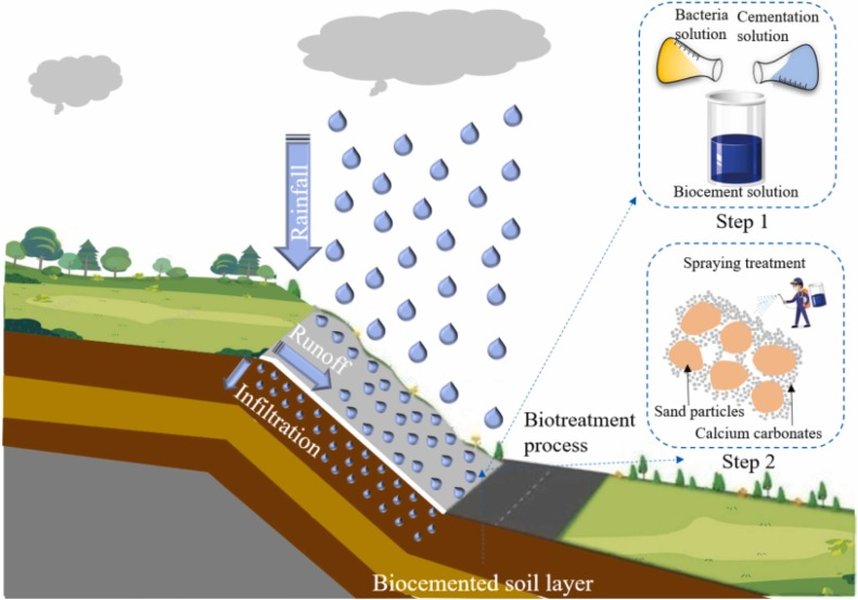
Visual representation of strategies to reduce rainfall infiltration and manage water on slopes.
Planting for Stability
Establishing robust plant cover is paramount. The fibrous roots of specific plants bind the soil, while the foliage intercepts raindrops and slows surface flow.
- Ground Covers: Consider vigorous, low-growing options known for erosion control, such as Vinca (periwinkle) or Sedum (stonecrop). These spread to form a dense mat, protecting the soil surface.
- Native Grasses and Shrubs: Planting native species adapted to the Leiria climate ensures resilience and effectiveness. Deep-rooted grasses and shrubs are excellent soil anchors.
- Cover Crops: For agricultural areas, planting cover crops like winter rye along drainage paths can absorb moisture and slow water flow, improving soil health simultaneously.
Slowing Water with Simple Earthworks
Subtle alterations to the land's contour can significantly reduce water velocity and encourage infiltration.
- Contour Swales: These are shallow ditches or berms constructed along the contour lines of the slope (running horizontally across it). They intercept runoff, holding it temporarily to allow infiltration. They can be created using hand tools and stabilized with vegetation.
- Minor Terracing: Small level steps or platforms can be created using natural materials found on-site (like rocks or logs) or densely planted vegetation berms. These break up the long slope, reducing runoff speed.
- Energy Dissipation at Pipe Outlets: Place a layer of rocks or gravel (a 'rock apron') where the pipes discharge onto the land. This dissipates the initial force of the water, preventing scouring at the outlets.
Enhancing Soil Protection
- Mulching: Applying organic mulch (wood chips, straw) protects bare soil from raindrop impact, reduces evaporation, and suppresses weeds, further aiding erosion control, especially while vegetation establishes.
- Coir Mats: For steeper sections or areas prone to initial washout, biodegradable coir (coconut fiber) erosion control mats can provide temporary stabilization while plants take root.
Leveraging Your Unused Well for Water Management
Transforming the Well into an Infiltration System
Your unused well, conveniently located 10 meters from the discharge pipes, presents an excellent opportunity for managing a large volume of rainwater with minimal surface impact. By directing the runoff into the well, you can effectively create a large "dry well" or infiltration gallery.
How It Works
The well acts as a temporary underground storage reservoir. Water entering the well percolates slowly into the surrounding soil and potentially recharges the local groundwater table. This significantly reduces the amount of water flowing over the surface of your sloped land, thereby minimizing erosion.
Implementation Steps
- Debris Prevention: Install simple leaf guards on your gutters and consider a basic mesh screen or grate over the well opening to prevent leaves, twigs, and other debris from entering and potentially clogging the system. A first-flush diverter, though adding some complexity, could further improve water quality entering the well by discarding the initial, often dirtier, roof runoff.
- Directing Water Flow: Connect the two 110 mm pipes towards the well. This can be achieved cost-effectively using surface channels lined with rocks or vegetation, or by using additional sections of large-diameter pipe (like PVC) laid in a shallow trench with a gentle slope towards the well.
- Enhancing Infiltration (Optional): While the well's existing structure provides significant volume, adding a layer of clean gravel (e.g., 20-30 cm deep) at the bottom could enhance filtration and percolation. Alternatively, creating a small, gravel-filled infiltration basin around the wellhead can help pre-filter water and manage overflow near the entry point.
- Safety: Ensure the well opening is securely covered to prevent accidental falls.
Benefits of Using the Well
- Significant Runoff Reduction: Captures a large volume of water before it flows down the slope.
- Erosion Prevention: Directly addresses the source of potential erosion by reducing surface flow.
- Groundwater Recharge: Contributes to replenishing local groundwater resources.
- Low Maintenance: Primarily relies on gravity; main maintenance involves periodic checks for debris or blockages.
- Cost-Effective: Utilizes an existing structure, minimizing excavation and material costs.
Creating a Controlled Flow Towards the Stream
While the well will handle a significant amount of water, heavy rainfall might exceed its infiltration capacity, or you might simply wish to allow some water to reach the stream downstream ecologically. Creating a controlled, non-erosive path is key.
Managing Well Overflow
If the well fills, a planned overflow is necessary. This could be a simple, protected spillway at the wellhead or an overflow pipe installed just below the top of the well (around the 2-meter exposed section). This overflow should direct water towards a prepared pathway.
Safe Water Conveyance Techniques
- Vegetated Swales: The most natural and effective method is to continue the concept of swales downhill from the well overflow point. A broad, shallow channel densely planted with water-tolerant grasses or vegetation will convey water slowly, allowing for further infiltration and filtering sediment before it reaches the stream.
- Check Dams: Small, permeable barriers made of rocks, logs, or woven coir logs placed across the swale or drainage path at intervals (e.g., every 20-30 meters). These create small pools, slowing water flow further and trapping sediment.
- French Drains (Subsurface): For a less visible option, a French drain (a gravel-filled trench containing a perforated pipe) can convey overflow water underground towards the stream, dispersing it gradually along its length. This requires more initial installation effort.
The combination of slope stabilization techniques (vegetation, swales) and careful management of the well's capacity and overflow will allow water to eventually reach the stream, but in a dispersed, slowed, and filtered manner that minimizes erosion and protects water quality.
Comparing Rainwater Management Strategies
The radar chart below provides a visual comparison of the different strategies discussed, evaluating them based on key criteria relevant to your goals. These are qualitative assessments based on typical performance:
As the chart illustrates, combining several of these strategies, particularly using the well for primary infiltration and establishing strong vegetation cover reinforced with swales or check dams, offers a robust, cost-effective, and low-maintenance system tailored to your needs.
Visualizing Your Integrated Water Management System
This mindmap shows how the different components connect to create a cohesive system for managing rainwater on your property:
- Reduces Surface Runoff
- Groundwater Recharge
- High Capacity"] id2a4["Implementation:
- Debris Screen
- Connect Pipes
- Optional Gravel Layer
- Secure Cover"] id2b["Option 2: Direct to Slope (Requires Careful Management)"] id3["Slope Management (20° slope, 120m to stream)"] id3a["Goal: Prevent Erosion, Slow Water"] id3b["Techniques"] id3b1["Vegetation Cover
(Grasses, Groundcover, Shrubs)"] id3b2["Contour Swales/Terraces
(Slow & Spread Water)"] id3b3["Check Dams
(Natural Materials - Rocks, Logs)"] id3b4["Mulching
(Soil Protection)"] id3b5["Energy Dissipation
(at pipe outlets)"] id4["Handling Excess Water / Well Overflow"] id4a["Controlled Release Mechanism"] id4a1["Overflow Spillway/Pipe from Well"] id4b["Safe Conveyance to Stream"] id4b1["Vegetated Swale
(Slows & Filters Water)"] id4b2["Check Dams along Path"] id4b3["French Drain (Optional Subsurface)"] id5["Outcome: Managed Water Flow"] id5a["Minimized Erosion"] id5b["Potential Water for Agriculture"] id5c["Controlled Release to Downstream Stream"] id6["Key Principles"] id6a["Cost-Effective (Use Existing Resources)"] id6b["Low Maintenance (Natural Systems)"] id6c["No Heavy Materials Emphasis"]
This integrated approach addresses the runoff at the source (gutters), utilizes the well for significant infiltration, manages flow across the slope with natural methods, and ensures any excess water reaches the stream safely.
Implementing Swales for Stormwater Management
Swales are a cornerstone of managing water on slopes naturally. They are designed to slow water down, spread it out, and allow it to soak into the ground, reducing erosion and recharging soil moisture. Vegetated swales, as shown in the video below, are particularly effective as the plants further stabilize the soil and filter the water. Creating swales along the contours of your land can be done with basic tools and forms a key part of the recommended strategy.
This video demonstrates the concept of using swales for stormwater management on sloped areas.
Applying this concept, you can construct shallow contour swales across your 120-meter slope. The water captured from the roof pipes, especially any overflow from the well, can be directed into the uppermost swale, which then gently overflows into subsequent swales downslope, creating a cascading effect that maximizes infiltration and minimizes erosion potential before reaching the stream.
Summary Table: Low-Maintenance Erosion Control Techniques
This table summarizes the recommended techniques, focusing on low-cost and low-maintenance aspects suitable for your property in Leiria:
| Technique | Description | Materials | Primary Benefit | Maintenance Level |
|---|---|---|---|---|
| Well Infiltration | Directing roof runoff into the unused well for subsurface infiltration. | Existing well, simple piping (PVC), gravel (optional), debris screen. | Massive runoff reduction, groundwater recharge, minimal surface erosion. | Very Low (periodic debris check). |
| Vegetation Cover | Planting dense ground covers, native grasses, or shrubs on the slope. | Seeds, seedlings (e.g., Vinca, Sedum, native species). | Excellent soil stabilization, slows surface flow, improves aesthetics. | Low (initial planting/watering, occasional weeding). |
| Contour Swales | Shallow ditches/berms built along slope contours to catch and infiltrate water. | Excavated earth, potentially stabilized with vegetation or mulch. | Slows runoff, increases infiltration, reduces erosion potential. | Low (check for sediment buildup, vegetation management). |
| Check Dams | Small, permeable barriers placed across drainage paths/swales. | Rocks, logs found on-site, woven coir logs. | Slows water velocity, traps sediment, creates small pooling areas for infiltration. | Low (check integrity after heavy rain). |
| Mulching | Applying organic material (wood chips, straw) to bare soil areas. | Locally sourced organic mulch. | Protects soil from raindrop impact, reduces evaporation, suppresses weeds. | Low (replenish every 1-2 years). |
| Energy Dissipators | Placing rocks/gravel at pipe outlets. | Rocks, gravel. | Prevents scouring at discharge points. | Very Low. |
Frequently Asked Questions (FAQ)
+ How much water can the well realistically handle?
The well's capacity depends on its volume and the soil's infiltration rate. A 3m diameter, 10m deep well has a substantial volume. While precise calculations require knowing soil type, it can likely handle runoff from moderate rainfall events from a 600 m² roof quite well. During exceptionally heavy or prolonged rain, the soil saturation limit might be reached, necessitating the planned overflow system (e.g., vegetated swale) to manage excess water safely towards the stream.
+ What are the best low-maintenance plants for erosion control in Leiria?
Focus on drought-tolerant species adapted to Portuguese conditions once established. Good options include:
- Groundcovers: Vinca minor (Periwinkle), Sedum species (Stonecrop), Thymus (Thyme varieties), Rosmarinus officinalis 'Prostratus' (Creeping Rosemary).
- Grasses: Native ornamental grasses like Stipa tenuissima or Festuca glauca can be effective and require minimal care.
- Shrubs: Consider native shrubs known for soil binding, like Cistus (Rockrose) species or Lavandula stoechas (French Lavender).
+ Do I need permits for these modifications?
Regulations can vary. Modifying drainage, especially if it affects neighbouring properties or discharges towards a watercourse, might require notification or permits from the local municipality (Câmara Municipal) or water authorities in Leiria. Using an existing well for infiltration (dry well) might also have specific regulations. It's advisable to check with local authorities about requirements for rainwater management, earthworks on agricultural land, and alterations to wells before starting significant work.
+ How do I prevent the well system from clogging?
Preventing clogging involves keeping debris out:
- Install gutter guards to stop leaves before they enter the pipes.
- Place a robust screen or grate over the well opening.
- Consider a simple 'leaf eater' filter at the downspout connection point or a basic first-flush diverter to discard initial debris-laden water.
- If directing water via surface channels, line them with gravel or ensure vegetation prevents soil from washing in.
- Periodic inspection (e.g., annually or after major storms) and removal of any accumulated sediment or debris at entry points are key low-maintenance steps.
Recommended Further Exploration
To delve deeper into specific aspects of this project, consider exploring these related topics:
- Discover the most suitable ground cover plants for effectively controlling erosion on slopes within the Portuguese climate.
- Find step-by-step guidance on adapting an existing well into a functional dry well for rainwater infiltration.
- Learn practical techniques for constructing contour swales manually on steeper terrain to manage water flow.
- Understand the local regulations concerning rainwater harvesting systems and property drainage in the Leiria municipality.
References
Last updated May 4, 2025