
Rap Music as Political Mobilization and Protest
Exploring the Impact of Rap against CAA and NRC in India
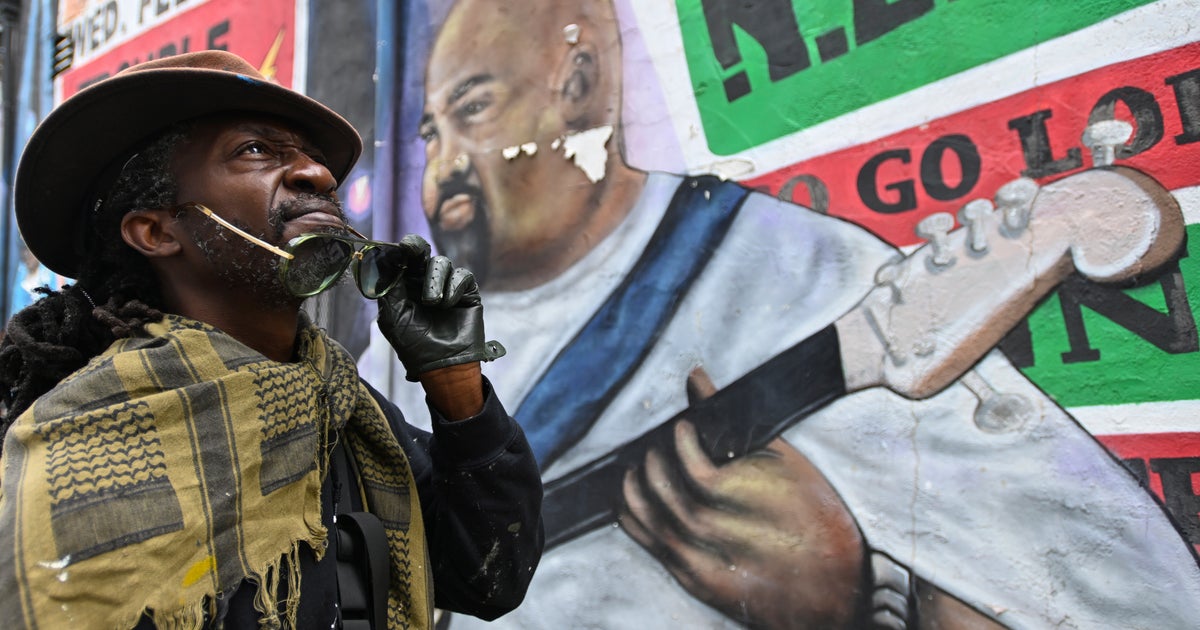
Key Highlights
- Empowerment through Expression: Rap has provided a platform for marginalized communities to express dissent and share personal narratives of injustice.
- Mobilization and Solidarity: The genre connects diverse audiences, mobilizing youth and community groups to rally against oppressive policies.
- Cultural Resistance: Artists use rap to articulate systemic grievances, challenge dominant narratives, and inspire collective action against the CAA and NRC.
Historical Context and Emergence of Protest Rap
In India, the evolution of rap music as a form of protest is deeply intertwined with the country’s socio-political changes over the last decade. Originally emerging from urban areas as a reflection of the struggles faced by marginalized communities, rap in India has grown from an expression of individual grievance into a potent tool of political mobilization. Early influences were marked by the emphasis on social justice and the quest for recognition, which later evolved into a medium of resistance against government policies seen as discriminatory. The critical turning point was the introduction of controversial policies such as the Citizenship Amendment Act (CAA) and the National Register of Citizens (NRC).
The Trigger: CAA and NRC Policies
Passed in December 2019, the Citizenship Amendment Act was designed to fast-track citizenship for non-Muslim refugees from neighboring countries, while the National Register of Citizens aimed to document citizens. Both policies have been widely criticized as discriminatory, particularly targeting Muslim communities and other marginalized groups. These laws, viewed as instruments of state control, dramatically raised concerns about citizenship rights and fueled widespread protests. Against this backdrop, rap music became a resonant medium, allowing artists to articulate dissent, mobilize supporters, and question the legitimacy of these policies.
The Role of Rap Music in Political Mobilization
Articulating Grievances and Narratives
Rap artists from various regions in India have used the genre to articulate the everyday struggles and historical grievances of their communities. Personal narratives of marginalization, discrimination, and injustice find a vivid expression in rap lyrics. For instance, tracks that directly tackle the impact of CAA and NRC bring forth the lived experiences of those potentially affected by these laws. Through their poignant lyrics and metaphorical wordplay, rappers transform abstract legal and political issues into relatable stories, making their messages accessible to a wider audience.
Personal and Collective Testimonies
Many rap tracks weave together both personal testimony and collective memory. Songs serve as an audio diary where artists recount their personal battles with discrimination and reflect the wider community’s frustrations. This synthesis of personal experience with collective struggle creates an emotionally charged narrative that resonates powerfully with listeners. When artists speak about feeling alienated or targeted by state policies, their music becomes a vehicle for shared identity and resistance.
Mobilizing Youth and Marginalized Communities
The predominantly youthful audience of rap music finds its voice in the protest against policies like the CAA and NRC. With social media accelerating the spread of influential music videos and viral tracks, rap has quickly transformed into an accessible medium for mobilization. Platforms such as YouTube, Instagram, and Twitter have been pivotal in enabling these songs to attain national and even global attention.
Digital Outreach and Social Media Amplification
The digital age has provided rap a unique advantage in political mobilization. Through social media, a single track can ignite millions to rally for justice and reform. Artists like Divine, Naezy, and Arivu have used online platforms to amplify their protest messages. This digital outreach not only spreads awareness about the shortcomings of the CAA and NRC but also unites disparate groups under the banner of resistance and solidarity. The interactive nature of social media has allowed concert-goers and online supporters to form virtual communities of dissent.
Fostering Solidarity and a Sense of Community
Beyond individual mobilization, rap music plays an integral role in building collective identity among protestors. Songs performed live at protests and rallies create a shared atmosphere of defiance. This tradition of live performance fosters a communal space where music becomes not just an art form but also a call to action. It strengthens the resolve of protestors and bridges regional, linguistic, and cultural divides, establishing rap as a unifying element in the protest movement.
Cultural Connectivity Across Diverse Regions
India’s vast cultural and linguistic diversity poses a challenge to creating a cohesive protest narrative. Rap music, however, has the remarkable ability to transcend these divides. By incorporating regional dialects and local idioms, artists tailormake their lyrics for specific audiences while still contributing to the overall national discourse. This adaptability ensures that protest messages are both locally relevant and widely understood, further uniting marginalized citizens who might otherwise feel isolated.
Rap as a Medium to Challenge Government Narratives
Countering State Propaganda
The government’s narrative on the necessity of the CAA and NRC is often couched in terms of national security and reform. In stark contrast, rap music has provided a counter-narrative that questions and challenges these state-sanctioned discourses. Rappers draw attention to the potential for social exclusion and the erosion of democratic values. Their lyrics often critique the perceived hypocrisy in portraying these laws as solutions while ignoring their detrimental impact on vulnerable communities.
Direct Confrontation Through Lyrics
With their incisive and confrontational style, rap artists deliver messages that resonate as direct challenges to government policies. Songs such as "Kaam Kaaj" or "Sanda Seivom" have been adopted as anthems in protests, serving as rallying cries that embody public discontent. This genre’s use of vivid imagery and metaphor not only exposes the underlying social inequities but also mobilizes audiences to question the legitimacy of official narratives.
Legitimizing Dissent Through Cultural Expression
The beauty of rap as a medium lies in its ability to legitimize dissent without necessarily resorting to violence. Instead, it channels deep-seated emotions into creative expression that critiques and ultimately seeks to transform society. The culture of rap, with its roots in resistance, provides artists the freedom to expose uncomfortable truths—stories of limited access to justice, systemic discrimination, and the struggle for true citizenship.
Overcoming Challenges and Governmental Backlash
Censorship and Surveillance
Despite its increasing popularity and significant role in political mobilization, rap music has not escaped scrutiny from governmental authorities. Several artists have faced censorship, harassment, and even threats due to their outspoken views. These challenges underscore the risks associated with using art as a tool for political dissent. The state's reaction often serves as a double-edged sword: while it intends to suppress dissent, it can also amplify the messages of resistance by symbolically underscoring the need for creative freedom.
Navigating the Repressive Environment
Artists must navigate a complex and often perilous landscape where freedom of expression is challenged. Despite the risks, the resilience and determination of these musicians continue to inspire a generation of activists. By persisting in the face of censorship, these artists not only safeguard their right to speak out but also galvanize the public to demand accountability and transparency from those in power.
Artistic Innovation as a Form of Resistance
In response to governmental pressures, rap artists have adopted innovative methods to covertly disseminate their messages. Whether through underground performances, encrypted digital releases, or collaborations across genres and regions, these methods ensure that the voice of dissent can continue to be heard despite external obstacles. This innovation transforms the act of protest into an evolving art form, continually adapting to the changing political landscape.
Analytical Overview: Rap’s Impact and Future Prospects
Integration of Artistic Expression and Political Activism
The integration of artistic expression with political activism has redefined protest in modern India. Rap music, with its compelling narratives and cultural nuances, continues to play a multifaceted role. It informs, mobilizes, and unites diverse groups under a common banner of resistance while simultaneously challenging the dominant paradigms set by governmental authorities. This confluence of art and politics is not only vital for immediate protests but also lays the groundwork for long-term societal change and civic engagement.
A Comparative Timeline of Key Rap Movements Against CAA and NRC
| Year | Key Events | Notable Tracks/Artists |
|---|---|---|
| 2019 |
Initial emergence of protest rap amid rising socio-political awareness; release of early anti-CAA tracks. |
Rahul Rajkhowa (Khasi Bloodz) and emerging voices spreading awareness against discriminatory policies. |
| 2020 |
The CAA and NRC come under intense scrutiny; rap music becomes a prominent medium in protests across major cities like Delhi and across state boundaries. |
Arivu’s "Sanda Seivom", Sumit Roy’s "Poorna Swaraj", and viral tracks from grassroots movements. |
| 2021 |
Increased digital outreach and organized live performances at protest sites; enhanced mobilization of the youth via social media. |
Expanding influence of artists like Divine, Naezy, and regional rappers utilizing local languages to bridge cultural divides. |
| 2022-2023 |
Consolidation of protest movements; use of rap as a lasting cultural emblem of resistance and critique of state policies. |
Collaborations among various artists; innovative response to censorship; sustained influence despite governmental attempts to silence dissent. |
Broader Cultural Impact and Ongoing Trends
The synthesis of rap music and political mobilization in India has ushered in a new era of cultural resistance. By transforming anger and frustration into creative energy, rap artists are not merely reacting to government policy—they are reshaping the political narrative. Their work challenges the conventional boundaries of art and activism and creates an enduring legacy for future generations. With every track produced and every live performance held, rap is carving out a niche where dissent is celebrated as a form of civic participation and cultural expression.
References
- How Rap Became a Powerful Form of Protest – BBC Culture
- The Scene Has a Voice: A List of Protest Songs on CAA and NRC – The Indian Music Diaries
- Anti-CAA, NRC, Shaheen Bagh and the Role of Protest Songs – The Quint
- Kolkata’s Protest Poet EPR on CAA, Jamia Violence and More – News18
- Protest Songs as Voices of Anti-CAA, NRC Demonstrations – Scroll.in
Recommended Related Queries
Last updated March 22, 2025