
Unlocking Development Speed: The Best Alternatives to Compose for Rapid Application Building
Discover powerful frameworks that can slash your development time by 80% while maintaining enterprise-grade quality and flexibility
Essential Insights on Rapid Development Frameworks
- Low-code platforms like OutSystems and Mendix can reduce development time by up to 75% compared to traditional coding approaches
- Cross-platform frameworks such as Flutter and Jetpack Compose enable teams to maintain a single codebase while deploying across multiple device ecosystems
- Modern RAD frameworks incorporate AI assistance, cutting development time further by automating repetitive tasks and generating boilerplate code
Rapid development frameworks and SDKs have revolutionized how developers build applications by providing pre-built components, streamlined workflows, and abstraction layers that eliminate repetitive coding tasks. While Compose HQ offers an impressive open-source SDK for building custom internal tools with minimal backend code, several alternatives provide similar capabilities with different strengths and focuses.
Categories of Rapid Development Frameworks
Rapid Application Development (RAD) frameworks can be categorized based on their primary focus, technical approach, and target platforms. Understanding these categories will help you select the right alternative to Compose for your specific needs.
UI-Focused Development Frameworks
Mobile UI Frameworks
These frameworks excel at creating responsive, aesthetically pleasing mobile interfaces with minimal code:
- Flutter: Google's UI toolkit for building natively compiled applications across mobile, web, and desktop from a single codebase using Dart programming language. Flutter offers extensive widget libraries and hot reload functionality.
- Jetpack Compose: Android's modern toolkit for building native UIs with a declarative programming model. It significantly reduces boilerplate code and offers seamless integration with existing Android applications.
- Compose Multiplatform: Developed by JetBrains, this framework extends Jetpack Compose's capabilities to iOS, desktop, and web applications, making it a true cross-platform solution using Kotlin.
Web UI Frameworks
For web applications, these frameworks emphasize component-based development and rapid prototyping:
- React.js: Facebook's JavaScript library for building user interfaces with reusable components and a virtual DOM for optimal rendering performance.
- Vue.js: A progressive JavaScript framework that focuses on the view layer, making it easy to integrate with other projects or libraries.
- Svelte: A radical approach that shifts the work of framework abstraction from runtime to compile time, resulting in highly optimized applications.
Low-Code/No-Code Platforms
These platforms empower developers and business users to create applications with minimal hand-coding through visual development interfaces:
- OutSystems: An enterprise-grade low-code platform that provides visual development tools, workflow automation, and deployment capabilities.
- Mendix: A comprehensive low-code application development platform with collaboration tools and pre-built templates.
- Microsoft Power Apps: Part of the Microsoft Power Platform, it allows for building custom business applications with drag-and-drop functionality and seamless Microsoft ecosystem integration.
- Bubble: A no-code visual programming platform specifically designed for web application development without writing code.
- AppSheet: Google's no-code platform that leverages existing data sources like spreadsheets to create mobile and web applications.
Back-End Focused RAD Frameworks
These frameworks accelerate development by providing structured architectures and abstractions for server-side logic:
- Django: A high-level Python web framework that follows the "batteries-included" philosophy, providing an extensive suite of tools out of the box.
- Ruby on Rails: Emphasizes convention over configuration and DRY (Don't Repeat Yourself) principles to minimize code and maximize productivity.
- Laravel: A PHP framework with elegant syntax that simplifies common web development tasks like authentication, routing, and caching.
- Express.js: A minimal Node.js framework that provides a robust set of features for building single and multi-page web applications.
Cross-Platform Development Solutions
These frameworks allow developers to write code once and deploy across multiple platforms:
- React Native: Enables building mobile applications using JavaScript and React, with native rendering capabilities.
- Xamarin: Microsoft's framework for building mobile applications using C# and sharing code across platforms.
- NativeScript: Allows developing cross-platform native mobile apps using JavaScript, TypeScript, Angular, or Vue.js.
- Ionic: Combines web technologies with native capabilities to create cross-platform mobile applications.
Internal Tool Builders (Most Similar to Compose)
These specialized platforms focus specifically on rapidly building internal business applications:
- Retool: A platform for building internal tools quickly using pre-built components that connect to any database or API.
- Appsmith: An open-source framework for building custom admin panels, dashboards, and internal tools.
- Budibase: An open-source low-code platform designed specifically for building internal tools and business applications.
- Internal.io: A developer platform for building internal tools with components that integrate with various data sources.
Framework Capability Comparison
When comparing alternatives to Compose, it's important to evaluate their capabilities across key dimensions. The radar chart below illustrates how different types of rapid development frameworks perform across these important attributes:
The radar chart reveals that while low-code platforms and internal tool builders excel in development speed, UI frameworks offer superior customization flexibility and performance. Cross-platform solutions provide the best multi-platform support but may sacrifice some performance compared to specialized frameworks.
Feature Comparison: Top Rapid Development Frameworks
Here's a detailed comparison of the key frameworks that compete most directly with Compose:
| Framework | Primary Use Case | Programming Language | Learning Curve | Cross-Platform | Key Strengths |
|---|---|---|---|---|---|
| Compose SDK | Internal Tools | Backend Code (Various) | Low | Yes | Automated networking, authentication, 20x less code |
| Retool | Internal Tools | JavaScript | Low | Web-based | Pre-built components, extensive integrations |
| OutSystems | Enterprise Applications | Visual + C#/Java | Medium | Yes | Enterprise features, scalability, governance |
| Flutter | Consumer Mobile Apps | Dart | Medium | Yes | Beautiful UI, high performance, single codebase |
| Django | Web Applications | Python | Medium | Server-side | Admin interface, ORM, "batteries included" |
| Power Apps | Business Applications | Visual + PowerFx | Low | Yes | Microsoft ecosystem integration, AI features |
| React Native | Mobile Applications | JavaScript/TypeScript | Medium-High | Yes | Native performance, JavaScript ecosystem |
| Appsmith | Internal Tools | JavaScript | Low | Web-based | Open-source, self-hostable, customizable |
Rapid Development Framework Ecosystem
The mindmap below illustrates the ecosystem of rapid development frameworks and how they interconnect:
Mobile App Development Frameworks Landscape
For teams looking to develop mobile applications rapidly, several frameworks stand out as alternatives to Compose. These frameworks focus on different aspects of the development process while maintaining speed and efficiency.
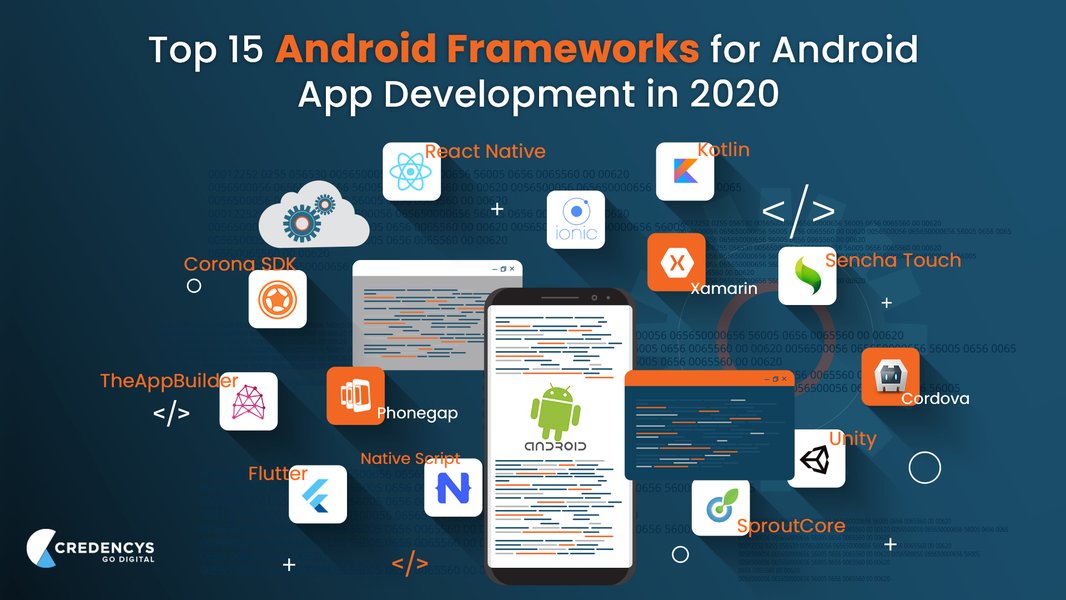
The image illustrates the diversity of mobile app development frameworks available in 2025. While native development offers the highest performance, cross-platform frameworks like Flutter and React Native have gained tremendous popularity due to their ability to maintain a single codebase while deploying to multiple platforms.
For those specifically focused on Android development, Jetpack Compose has emerged as the modern UI toolkit of choice, replacing the older XML-based layouts with a more intuitive, declarative approach that significantly speeds up development.
Video Demonstration: Rapid Application Development
This video provides an excellent overview of Rapid Application Development (RAD) methodology, which underlies many of the frameworks mentioned in this article. It explains how RAD differs from traditional waterfall development approaches and why it's particularly effective for modern software development:
The video highlights how RAD methodologies focus on rapid prototyping, iterative development, and continuous user feedback—principles that are embedded in modern frameworks like Compose and its alternatives.
Frequently Asked Questions
References
- Jetpack Compose vs Flutter: Comprehensive Comparison - Netguru
- A Complete Guide to Rapid Application Development Frameworks in 2024 - Yeeflow
- Compose HQ: Open-source SDK for Building Custom Internal Tools
- Top 10 Rapid Application Development Tools to Consider - Quixy
- 5 Best Android Frameworks for Faster App Development - Perpetio
- Compose Multiplatform: Share UIs Across Platforms - JetBrains
- JetBrains/compose-multiplatform: Kotlin UI Framework - GitHub
Recommended Reading
Last updated April 6, 2025