
Unraveling Domestication: Swift Transformations vs. Gradual Cultivation in Our Staple Crops
Exploring how human influence has shaped plants like beans, wheat, and barley through different evolutionary pathways.
The journey of wild plants to the cultivated crops that sustain us is a story of profound evolutionary change, driven by human intervention. This process, known as domestication, has not followed a single, uniform path. Instead, it showcases a spectrum of approaches, broadly categorized into "rapid" and "protected" (or gradual) domestication. Understanding these distinct pathways is crucial for appreciating the history of agriculture and for guiding future crop improvement efforts. This review delves into these contrasting models, drawing insights from key crops such as common bean, wheat, barley, and others, to illuminate the mechanisms, outcomes, and implications of how humanity has reshaped the plant kingdom.
Key Insights: Rapid vs. Protected Domestication
- Rapid domestication is characterized by swift and significant genetic and phenotypic alterations, often occurring over a few centuries or millennia, driven by strong, direct human selection for specific desirable traits.
- Protected domestication involves a more gradual evolutionary process where plants are managed within human-influenced environments that buffer them from some natural selective pressures, allowing for slower adaptation and often greater retention of genetic diversity.
- The chosen domestication pathway significantly impacts a crop's genetic diversity, adaptability, and resilience, with implications for modern breeding and agricultural sustainability.
Defining the Pathways: Rapid and Protected Domestication
Domestication is a multi-generational process where humans influence the reproduction and care of other species, leading to a more predictable supply of resources. This interaction has fundamentally altered the evolution of both humans and the domesticated species. Two primary models help us understand the tempo and mode of these changes: rapid and protected domestication.
Rapid Domestication: Accelerated Evolution Under Intense Selection
Rapid domestication describes scenarios where significant evolutionary shifts occur in a relatively short timeframe, potentially within 100-200 years, or over a few millennia in archaeological contexts. This accelerated pace is typically driven by strong and direct artificial selection by humans for specific, highly desirable traits. These "domestication traits" are generally fixed within all domesticates of a species and were selected during the initial domestication episode.
Characteristics of Rapid Domestication:
- Intense Selection Pressure: Humans actively select for traits like increased seed or fruit size, non-shattering (seeds remaining on the plant for easier harvest), loss of seed dormancy, and changes in plant architecture.
- Genetic Bottlenecks: Strong selection can lead to a reduction in genetic diversity compared to wild progenitors, as only individuals with desired traits are propagated.
- Rapid Fixation of Alleles: Genes responsible for key domestication traits can become fixed in the population relatively quickly.
- Phenotypic Transformation: Noticeable changes in plant morphology and physiology become apparent over fewer generations. For instance, large, instantaneous alterations to the genome, such as those from hybridization and polyploidy (as seen in wheat), can contribute to rapid change.
Protected Domestication: Gradual Change in Managed Environments
Protected, or gradual, domestication describes a more prolonged process. Here, wild or semi-wild populations undergo selection within anthropogenic landscapes. Humans provide a degree of "protection" from harsh natural selective pressures (e.g., competition, herbivory, extreme weather) and engage in low-intensity management and seed selection over many generations. This "soft" selection allows for a slower accumulation of changes.
Characteristics of Protected Domestication:
- Human-Mediated Environmental Buffering: Cultivation in managed plots shields plants from some natural stresses.
- Less Intense, Protracted Selection: Selection pressures may be less direct or less severe, leading to a slower rate of genetic and phenotypic change.
- Retention of Genetic Diversity: This model may allow for the maintenance of a broader gene pool compared to rapid domestication, as the selection bottleneck is less severe. Genetic diversity might decline slowly rather than exhibit a sharp drop.
- Gene Flow: There might be continued gene flow between managed populations and their wild relatives, further influencing the evolutionary trajectory.
- Ecological Interactions: The interplay between humans, the target species, and the environment plays a significant role in shaping the domestication process over extended periods.
Crop Spotlights: Case Studies in Domestication
Common Bean (Phaseolus vulgaris): A Tale of Parallel Journeys
The common bean offers a fascinating example, having been domesticated independently in two primary centers: Mesoamerica and the Andes. This parallel domestication has resulted in distinct gene pools and associated traits, showcasing how different human cultural practices and environmental conditions can shape a crop.
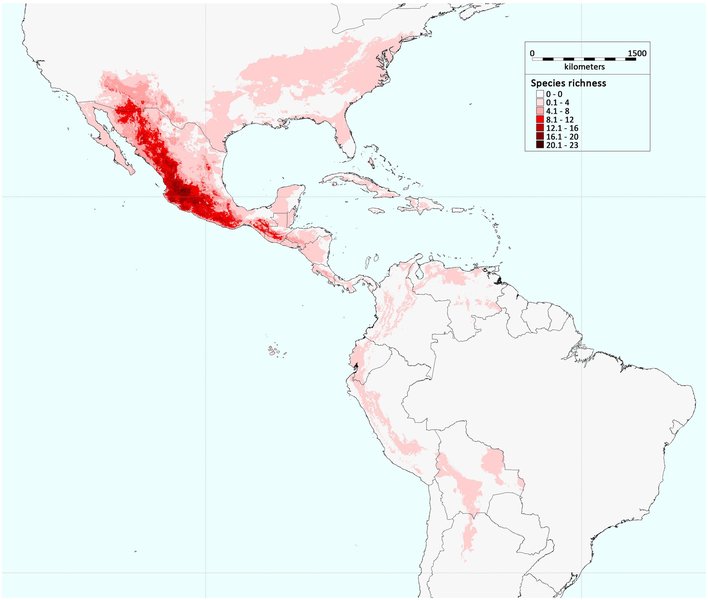
A visual representation of the morphological diversity found in common bean pods and seeds, a product of domestication.
Evidence suggests elements of both rapid and protected domestication in common beans. Selection for key "domestication syndrome" traits, such as larger seeds, non-dehiscent (non-shattering) pods, and determinate growth habits, likely involved periods of relatively rapid change driven by farmer preferences. However, the significant genetic diversity retained within landraces, particularly in the Andean gene pool, and the long history of cultivation in managed, diverse agricultural systems also point to aspects of protected domestication, where selection occurred over extended periods with ongoing adaptation to local environments.
Wheat (Triticum spp.): Complexity Forged in the Fertile Crescent
Wheat, one of the founder crops of agriculture, was domesticated in the Fertile Crescent approximately 10,000 years ago. Its domestication history is complex, involving hybridization and polyploidy (the multiplication of chromosome sets), which contributed to significant and sometimes rapid evolutionary leaps.
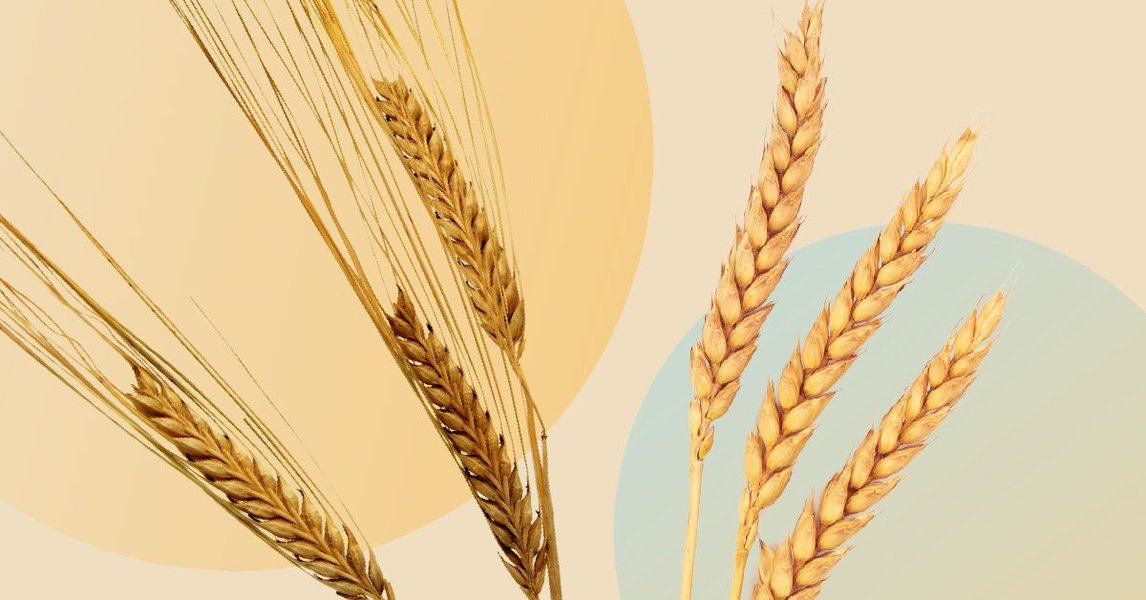
Comparison of mature wheat (left) and barley (right) heads, highlighting key cereal crops.
Traits like the non-brittle rachis (preventing seed shattering) and free-threshing grains (easier separation of grain from chaff) were crucial for efficient harvesting and processing. The fixation of genes controlling these traits likely occurred relatively rapidly under strong human selection. However, the persistence of genetic heterogeneity and evidence for multiple domestication events or distinct lineages, even within species like emmer wheat, suggest that the overall process also involved prolonged periods of human management and interaction across diverse environments, aligning with aspects of protected domestication. For example, the discovery of two distinct gluten gene lineages in emmer wheat, which diverged hundreds of thousands of years ago in wild populations, indicates a deep and complex genetic history prior to and during domestication.
Barley (Hordeum vulgare): From Wild Grass to Global Staple
Barley, another cornerstone crop from the Fertile Crescent, shares a long history of cultivation with wheat. Wild progenitors of barley still exist in the region. Cultivated barley is morphologically similar to its wild ancestor, Hordeum spontaneum. Key domestication traits in barley include the development of a non-brittle rachis and an increase in grain size.
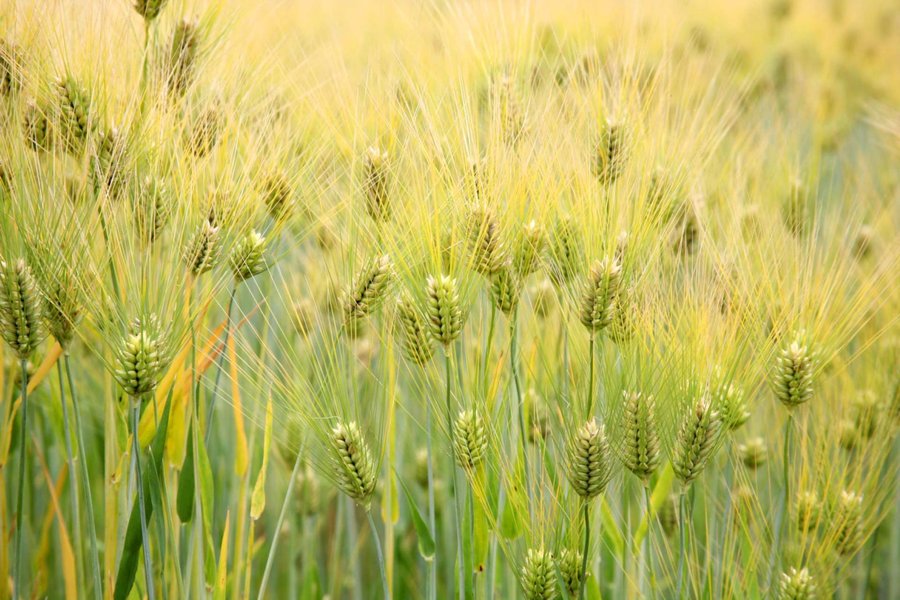
Mature barley heads showcasing the grains that have been a staple for millennia.
The domestication of barley has been a subject of debate. Initial genetic analyses suggested a monophyletic origin (a single domestication event). However, more recent research, including studies of multilocus genetic data and specific genes (like gluten genes, similar to findings in wheat), has proposed the possibility of multiple domestication events or at least significant introgression from different wild populations across various regions. Some studies indicate a two-stage domestication process with rapid initial changes. The observation that genetic diversity in some crops like barley declined slowly rather than sharply at the onset of domestication can also support a more protected or protracted domestication scenario in certain contexts, where selection pressures were less intense or gene flow from wild relatives continued.
Other Notable Crops: Rice, Maize, and More
Beyond these examples, other major crops also illustrate these domestication dynamics:
- Rice (Oryza sativa): Shows evidence of rapid selection for traits like reduced seed shattering and synchronous maturation, crucial for cultivation. Yet, it also maintains considerable genetic diversity, suggesting complex domestication pathways involving different populations and potentially prolonged human management.
- Maize (Zea mays): Domesticated from teosinte in Mesoamerica, maize underwent dramatic morphological changes (e.g., increased ear size, reduced seed case hardness). While some changes appear to have been rapid under strong selection, the adaptation of maize to diverse environments across the Americas involved long-term selection and maintenance of genetic diversity in landraces, reflecting protected domestication.
- Sorghum and Millets: These cereals, vital in arid and semi-arid regions, also show traits fixed rapidly due to human selection. However, genomic studies often reveal ongoing gene flow between domesticated and wild populations, a characteristic that can be associated with protected domestication dynamics where crops are cultivated in proximity to their wild relatives.
Comparative Analysis: Traits and Timelines
The distinction between rapid and protected domestication can be visualized by comparing key characteristics. Rapid domestication often leads to a faster fixation of traits critical for human use, potentially at the cost of some genetic diversity. Protected domestication, while slower, may foster broader adaptation and resilience by maintaining a wider genetic base.
This radar chart offers a conceptual comparison of rapid versus protected domestication across several key characteristics. "Rapid Domestication" typically scores higher on speed of trait fixation and intensity of human selection, often leading to a more pronounced genetic bottleneck. Conversely, "Protected Domestication" tends to score higher on retention of wild alleles, environmental buffering by humans, and a longer duration for the initial phase, potentially preserving more genetic diversity.
Key Phenotypic Transformations
Regardless of the pace, domestication results in a suite of phenotypic changes that distinguish cultivated plants from their wild ancestors. These include:
- Yield Components: Increased seed/fruit size, number of seeds/fruits per plant.
- Seed Dispersal Mechanisms: Loss of natural seed shattering or dehiscence.
- Seed Dormancy: Reduction or loss of dormancy for uniform germination.
- Growth Habit: Changes in plant architecture, such as reduced branching or more erect growth.
- Threshability: Easier separation of edible parts from chaff (e.g., free-threshing grains).
- Reduction of Defenses: Lower levels of toxins, antinutritional compounds, or physical defenses (e.g., thorns), though strong support for a universal reduction in defenses is sometimes weak.
- Maturity and Flowering Time: Adaptation to agricultural cycles and human preferences.
Visualizing Domestication Concepts
A mindmap can help illustrate the interconnected concepts surrounding rapid and protected domestication, highlighting their core features and the crops they have shaped.
(e.g., centuries to few millennia)"] id1a3["Significant Genetic Bottleneck"] id1a4["Fixation of Key Domestication Alleles"] id1a5["Examples: Early non-shattering in cereals"] id1b["Crops with Rapid Elements"] id1b1["Wheat (some traits, polyploidy)"] id1b2["Rice (some traits)"] id1b3["Maize (dramatic morphological shifts)"] id1b4["Common Bean (key syndrome traits)"] id2["Protected Domestication"] id2a["Characteristics"] id2a1["Gradual Evolutionary Change
(prolonged process)"] id2a2["Human-Managed Environments
(buffering natural selection)"] id2a3["Lower Intensity Selection"] id2a4["Greater Retention of Genetic Diversity"] id2a5["Potential for Gene Flow with Wild Relatives"] id2a6["Examples: Landrace adaptation, slow diversity decline"] id2b["Crops with Protected Elements"] id2b1["Barley (gradual diversity changes, multiple origins suggested)"] id2b2["Common Bean (Andean landraces, diversity retention)"] id2b3["Wheat (complex history, heterogeneity)"] id2b4["Sorghum/Millets (gene flow)"] id3["Shared Outcomes"] id3a["Dependence on Humans for Propagation"] id3b["Altered Phenotypes (Domestication Syndrome)"] id3b1["Seed Size/Number"] id3b2["Non-Shattering"] id3b3["Loss of Dormancy"] id3b4["Growth Habit Changes"] id4["Influencing Factors"] id4a["Genetic Makeup of Wild Progenitor"] id4b["Nature and Intensity of Human Selection"] id4c["Environmental Context"] id4d["Cultural Practices"]
This mindmap outlines the core concepts of rapid and protected domestication, detailing their characteristics, the types of crops that exemplify these pathways (often showing elements of both), common outcomes of domestication, and the factors influencing the process.
Broader Context: Animal and Aquatic Domestication
While this review focuses on crops, the principles of domestication apply to animals as well. The dog was likely the first animal domesticated, over 10,000 years ago, even before the large-scale cultivation of crops, while humans were still predominantly nomadic hunter-gatherers. Animal domestication requires selective breeding by humans for more than 10 generations while living in captivity, leading to traits like increased docility and neoteny (retention of juvenile features).
More recently, the domestication of aquatic species, particularly marine species for aquaculture, has seen exponential growth. This contrasts with the relatively slower rate of new land species domestication since the initial agricultural revolution, highlighting aquaculture as a significant modern development in food production.
This video, "Crop domestication: why only wheat, rice & maize? - Mark Lynas," discusses the fascinating questions around why certain crops were domesticated and became staples. While not exclusively about rapid vs. protected domestication, it delves into the genetics and historical context of crop domestication, touching on examples like maize (from teosinte) and tomatoes, which provide valuable background to understand the selective pressures and outcomes involved in transforming wild plants into the foods we rely on today. The discussion on the genetics of domestication and comparisons between wild and domesticated forms aligns with the core themes of how human selection, whether rapid or gradual, has shaped our key agricultural species.
Implications for Genetic Diversity and Crop Improvement
The mode of domestication has profound implications for the genetic landscape of crops.
Genetic Diversity and Bottlenecks
Rapid domestication, with its intense selection for a few key traits, often results in a significant reduction in genetic diversity—a "domestication bottleneck." While this leads to uniformity and predictability in desired traits, it can also make crops more vulnerable to new diseases, pests, or changing environmental conditions. Protected domestication, by allowing for more gradual change and potentially more gene flow with wild relatives, may preserve a greater breadth of genetic variation. This variation is a crucial resource for future crop improvement, providing the raw material for breeding programs aimed at enhancing resilience, nutritional value, or adaptation to new challenges like climate change.
Future Breeding Strategies
Understanding the nuances of rapid versus protected domestication informs modern plant breeding. "De novo domestication"—attempting to rapidly domesticate wild species or re-domesticate existing crops by targeting key genes using modern genomic tools—can be seen as a technologically advanced form of rapid domestication. However, there's also a growing appreciation for the genetic resources held in landraces and wild relatives, products often of longer, more protected evolutionary histories. Strategies like "breeding by domestication" aim to reintroduce beneficial genes from wild relatives into elite cultivars, effectively combining the targeted approach of rapid selection with the genetic richness maintained through more gradual processes.
Comparative Domestication Traits
The table below summarizes common traits affected during domestication and how their selection might differ in emphasis or outcome between rapid and protected scenarios, though many crops exhibit a blend of these processes.
| Trait Category | Focus in Rapid Domestication | Outcome in Protected Domestication | Example Crops Exhibiting Trait |
|---|---|---|---|
| Seed Shattering | Strong, rapid selection for non-shattering. | Gradual reduction, possibly with intermediate forms. | Wheat, Barley, Rice, Common Bean |
| Seed/Fruit Size | Rapid increase due to direct selection for yield. | Moderate or gradual increase, balanced with other adaptive traits. | Maize, Common Bean, Wheat, Tomato |
| Seed Dormancy | Strong selection for loss of dormancy for uniform germination. | Gradual reduction, may retain some dormancy adapted to local sowing times. | Most cereals and legumes |
| Genetic Diversity (at domestication loci) | Often significant reduction due to strong selective sweep. | Potentially higher diversity retained or slower loss. | All domesticated crops (degree varies) |
| Plant Architecture | Selection for specific forms (e.g., erect, less branching) for ease of cultivation. | More variable forms may persist, adapted to diverse local niches. | Maize (apical dominance), Beans (determinate growth) |
| Toxins/Antinutritional Factors | Often rapid reduction for palatability and safety. | Gradual reduction, or selection for processing methods to remove them. | Common Bean (lectins), Cassava (cyanogenic glucosides) |
This table illustrates that while the general direction of change for many domestication traits is similar, the intensity and speed of selection, and thus the impact on genetic diversity and phenotypic uniformity, can differ based on whether the process was predominantly rapid or protected.
Frequently Asked Questions (FAQ)
What are the main differences between rapid and protected domestication?
Rapid domestication involves swift evolutionary changes driven by intense human selection for specific traits, often leading to a significant reduction in genetic diversity (bottleneck) but quick fixation of desired characteristics (e.g., non-shattering seeds). Protected domestication is a more gradual process where plants evolve in human-managed environments that buffer them from some natural selection pressures, often allowing for greater retention of genetic diversity and slower, more nuanced adaptation.
Can a single crop exhibit signs of both rapid and protected domestication?
Yes, many crops show evidence of both. Initial domestication might have involved rapid selection for a few critical traits (e.g., non-shattering in wheat), followed by longer periods of diversification and adaptation within different agricultural systems (a form of protected evolution), or vice-versa. The domestication history of a crop is often complex and not strictly one or the other.
How does domestication affect a plant's defenses?
Generally, domestication tends to reduce plant defenses, such as toxins, bitterness, or physical barriers like thorns. This is because humans select for traits that make plants more palatable, easier to handle, or allocate more resources to yield rather than defense. However, this can make domesticated plants more vulnerable to pests and diseases if not protected by humans. The extent of defense reduction can vary.
What is the "domestication syndrome"?
The "domestication syndrome" refers to a common suite of traits that distinguish domesticated plants from their wild progenitors. These often include loss of seed dispersal mechanisms (non-shattering), reduced seed dormancy, increased size of edible parts (seeds, fruits, tubers), changes in plant architecture (e.g., more compact growth), and altered flowering times. These traits reflect human selection for ease of cultivation, harvest, and consumption.
Recommended Further Exploration
- What are the genetic mechanisms underlying key domestication traits in cereals?
- How has polyploidy influenced the domestication and evolution of wheat?
- Explore the concept of de novo domestication and its potential for future food security.
- Investigate the differences in domestication pathways between Old World and New World crops.
References
Last updated May 10, 2025