
Unveiling the Rarest Blood Types: Beyond the Common Eight
Exploring the fascinating world of blood classifications and their prevalence
Key Insights into Blood Type Rarity
- While AB negative (AB-) is often cited as the rarest of the eight main blood types globally and in the United States, occurring in roughly 1% of the population, it is not the absolute rarest.
- The truly rarest blood type is Rhnull, sometimes called "golden blood," due to the complete absence of Rh antigens. Fewer than 50 cases have ever been reported worldwide.
- Blood type prevalence varies significantly across different ethnic groups and geographic regions due to genetic factors, highlighting the importance of diverse blood donation.
Understanding Blood Type Classification
Blood types are determined by the presence or absence of specific antigens on the surface of red blood cells. These antigens are inherited from our parents and play a crucial role in how our immune system interacts with transfused blood. The two primary systems used for classification are the ABO system and the Rh system. Combining these systems results in the eight main blood types we commonly hear about: A positive (A+), A negative (A-), B positive (B+), B negative (B-), AB positive (AB+), AB negative (AB-), O positive (O+), and O negative (O-).
Beyond these eight, there are hundreds of other known antigens, leading to a total of 36 recognized human blood type groups. The rarity of a blood type is often defined by its frequency within a given population, with "rare" typically referring to types occurring in fewer than one in every 1,000 people.
The Rarest of the Eight Main Blood Types
When considering the eight primary blood types, AB negative (AB-) is consistently identified as the rarest in many populations, including the United States and the United Kingdom. Its low prevalence means that finding compatible blood for individuals with this type can sometimes be challenging, although demand is also relatively low compared to more common types.
Here's a general breakdown of the approximate percentages of the eight main blood types in the UK, illustrating the rarity of AB negative:
| Blood Type | Approximate Percentage |
|---|---|
| O positive | 36% |
| O negative | 14% |
| A positive | 28% |
| A negative | 8% |
| B positive | 8% |
| B negative | 3% |
| AB positive | 2% |
| AB negative | 1% |
While these percentages provide a general idea, the distribution can vary by country and ethnicity. For example, while O positive is the most common globally, group A has high frequencies in some parts of Europe and among certain indigenous populations.
Unveiling the World's Rarest Blood Type: Rhnull
While AB negative is rare among the common blood types, the title of the rarest blood type in the world belongs to Rhnull. This extraordinary blood type is characterized by the complete absence of any Rh antigens on the red blood cells. First discovered in 1961, Rhnull is incredibly scarce, with fewer than 50 documented cases worldwide throughout history. Its extreme rarity has led to it being nicknamed "golden blood" due to its immense value in transfusions for individuals with other rare blood types within the Rh system.
Individuals with Rhnull blood require transfusions of only Rhnull blood. Finding compatible donors is exceptionally difficult, making those with this blood type particularly vulnerable and often necessitating self-banking of their own blood for potential future needs.
Geographic and Ethnic Variations in Blood Type Distribution
The prevalence of different blood types varies significantly across the globe and among different ethnic groups. These variations are a result of genetic inheritance patterns over generations. Understanding these distributions is crucial for blood banks and healthcare systems to ensure adequate supplies of various blood types to meet the needs of their diverse populations.
Global Trends
Globally, O positive is the most common blood type. However, the distribution shifts when looking at specific regions:
-
Type O is highly prevalent in South America, with nearly 70% of the population in some countries having this type. It is also the most common type in Canada and the United States.
-
Type A is frequently found in Europe, particularly in Scandinavia and Central Europe.
-
Type B is more common in Asia, with high percentages observed in countries like India and Vietnam.
These regional differences highlight how genetic factors influence blood type distribution.
A microscopic view of red blood cells, which carry blood type antigens.
Ethnic Influences
Within countries, blood type distribution can also vary among different ethnic groups. The American Red Cross notes that when individuals, especially those with rare blood types, require transfusions, the best matches often come from donors of the same race or ethnic background. This underscores the importance of a diverse donor base to meet the needs of all patients.
For example, certain rare subtypes of blood are more prevalent in specific ethnic populations and are vital for treating conditions like sickle cell disease, which disproportionately affects individuals of African descent. The increasing demand for these specific rare types emphasizes the ongoing need for donations from diverse communities.
The Importance of Knowing Your Blood Type
Knowing your blood type is essential, particularly in medical emergencies requiring blood transfusions. Receiving an incompatible blood type can trigger a severe immune response, leading to potentially life-threatening complications. Blood transfusions are a critical medical procedure, saving millions of lives each year. Ensuring that compatible blood is available relies heavily on a robust blood donation system.
If you don't know your blood type, you can typically find out after your first blood donation. Blood donation centers test donated blood to determine its type and ensure it is safe for transfusion. Donating blood is a valuable way to contribute to the healthcare system and help ensure that rare and common blood types are available for those in need.
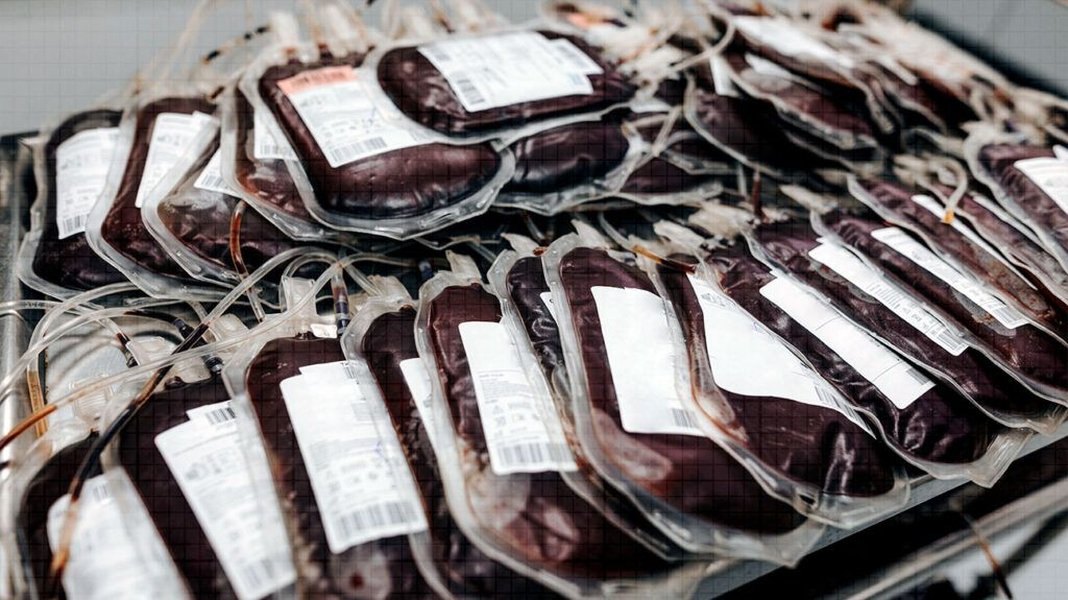
A bag of packed red blood cells, ready for transfusion.
Frequently Asked Questions
What is the difference between blood type and Rh factor?
Blood type refers to the presence or absence of A and B antigens (ABO system), while the Rh factor refers to the presence or absence of the RhD antigen (Rh system). Combining these determines whether your blood type is positive (+) or negative (-).
Why is O negative blood considered a universal donor?
O negative blood lacks A, B, and RhD antigens, meaning it is generally compatible with all other blood types in transfusions, particularly in emergency situations when a patient's blood type is unknown. However, this primarily applies to red blood cell transfusions.
Why is AB positive blood considered a universal acceptor?
AB positive blood has both A and B antigens and the RhD antigen. This means individuals with AB positive blood can receive red blood cells from any other blood type without triggering an immune response related to the ABO and Rh systems.
How rare is Rhnull blood?
Rhnull blood is extremely rare, with estimates suggesting only about 1 in every 6 million people have this blood type. Fewer than 50 cases have been recorded globally.
Does ethnicity affect blood type rarity?
Yes, ethnicity significantly influences the distribution of blood types and certain rare subtypes are more prevalent in specific ethnic groups.
References
Last updated May 4, 2025