
Unveiling the World's Rarest Elixir: What is the Ultimate Rare Blood Type?
Journey into the fascinating world of blood groups to discover the unique 'Golden Blood' and why blood type rarity matters.
Essential Insights
- The Absolute Rarest: The Rhnull blood type, often called "Golden Blood," is the rarest globally, identified in fewer than 50 individuals worldwide since its discovery.
- Rarest Common Type: Among the eight standard blood types (ABO/Rh system), AB-negative is the rarest, particularly in populations like the United States, occurring in less than 1% of people.
- Complexity Beyond ABO/Rh: Blood classification involves over 30 systems and hundreds of antigens, meaning many potential rare types exist beyond the common classifications, often defined as occurring in 1 in 1,000 people or fewer.
Understanding Blood Types and Their Rarity
The Basics: ABO and Rh Systems
Your blood type is a crucial piece of your biological identity, determined by the presence or absence of specific molecules called antigens on the surface of your red blood cells. The two most important systems for classifying blood are the ABO system and the Rh system.
The ABO System
This system categorizes blood into four main groups based on the presence of A and B antigens:
- Type A: Has the A antigen.
- Type B: Has the B antigen.
- Type AB: Has both A and B antigens.
- Type O: Has neither A nor B antigens.
The Rh System
This system adds another layer, primarily focusing on the RhD antigen. If the RhD antigen is present, the blood type is positive (+). If it's absent, the blood type is negative (-). Combining ABO and Rh gives us the eight familiar blood types: O+, O-, A+, A-, B+, B-, AB+, and AB-.
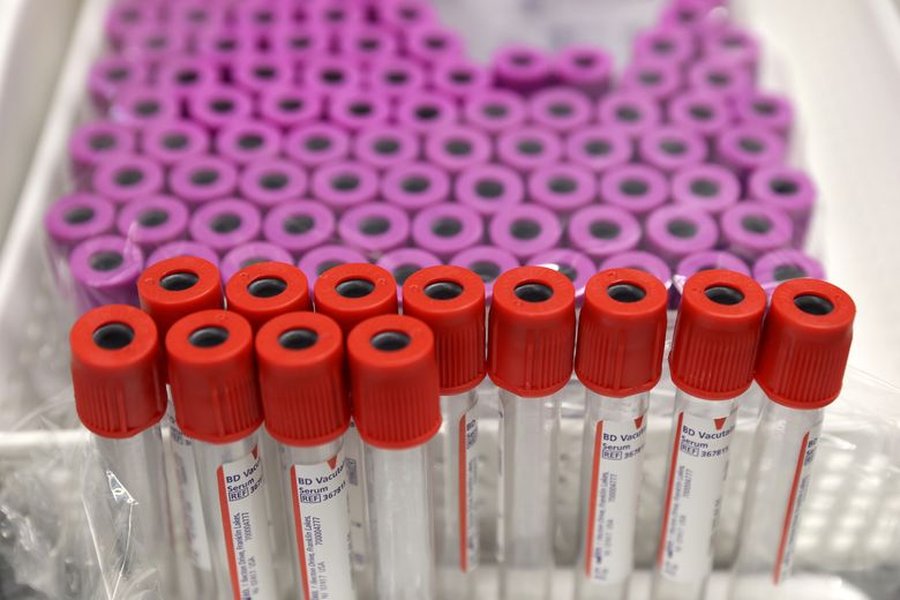
Blood types are critical for safe transfusions, requiring careful matching between donors and recipients.
Defining "Rare" Blood
While the eight main types vary in prevalence, true rarity goes beyond these common classifications. There are actually over 30 recognized blood group systems and hundreds of known antigens. A blood type is generally considered rare if it lacks an antigen that over 99% of people have, or if it possesses a unique antigen configuration found in fewer than 1 in 1,000 individuals. Some types are so rare they occur in less than 1 in a million people.
The Pinnacle of Rarity: Rhnull or "Golden Blood"
What Makes Rhnull Unique?
The title of the rarest blood type in the world belongs unequivocally to Rhnull (pronounced R-H-null). First identified in 1961 in an Indigenous Australian woman, this extraordinary blood type is characterized by the complete absence of *all* antigens within the complex Rh system. The Rh system comprises 61 distinct antigens, and individuals with Rhnull blood lack every single one.
This complete lack of Rh antigens makes Rhnull blood incredibly unique and gives it the nickname "Golden Blood," reflecting both its extreme rarity and its immense value in specific medical situations. Fewer than 50 individuals worldwide have ever been confirmed to have Rhnull blood across different populations, including Brazil, Colombia, Japan, Ireland, and the United States.

The term "Golden Blood" highlights the extreme rarity and potential life-saving value of the Rhnull type.
Implications of Having Rhnull Blood
Transfusion Challenges
While Rhnull blood sounds like a universal donor for the Rh system (as it lacks antigens that could trigger immune reactions), the reality is complex. People with Rhnull blood can typically only receive transfusions from other Rhnull donors. Receiving blood with any Rh antigens can trigger a severe, potentially fatal immune response. Finding compatible donors is exceptionally difficult due to the minuscule number of Rhnull individuals globally, often requiring international cooperation among blood banks.
Health Considerations
Individuals with Rhnull blood may face certain health challenges. The absence of Rh proteins, which contribute to red blood cell structure, can lead to mild to moderate chronic hemolytic anemia. This means their red blood cells break down faster than the body can replace them, potentially causing fatigue, paleness, jaundice, and, in severe cases, organ damage. However, many individuals with Rhnull live relatively normal, healthy lives with appropriate medical monitoring.
AB-Negative: Rarest Among the Common Types
Prevalence and Significance
While Rhnull holds the absolute rarity title, AB-negative (AB-) is widely recognized as the rarest among the eight primary blood types derived from the ABO and Rh systems. Its prevalence varies geographically and ethnically, but in many populations, including the United States, it's found in less than 1% of people (approximately 0.6%).
Having AB- blood means possessing both A and B antigens but lacking the RhD antigen. People with AB- blood can receive red blood cells only from other Rh-negative donors (O-, A-, B-, AB-). However, their plasma is universal, meaning it can be given to patients of any ABO blood type, making AB- individuals valuable plasma donors.
Blood Type Prevalence Comparison
The following table illustrates the approximate prevalence of the main blood types in the United States population, highlighting the rarity of AB-negative compared to others.
| Blood Type | Approximate US Prevalence | Can Donate Red Cells To | Can Receive Red Cells From |
|---|---|---|---|
| O+ | 37-40% | O+, A+, B+, AB+ | O+, O- |
| O- | 6-14% | All Blood Types (Universal Donor) | O- |
| A+ | 28-34% | A+, AB+ | A+, A-, O+, O- |
| A- | 6-8% | A+, A-, AB+, AB- | A-, O- |
| B+ | 8-9% | B+, AB+ | B+, B-, O+, O- |
| B- | 1-3% | B+, B-, AB+, AB- | B-, O- |
| AB+ | 2-4% | AB+ | All Blood Types (Universal Recipient) |
| AB- | 0.6-1% | AB+, AB- | AB-, A-, B-, O- |
Note: Prevalence figures are approximate and can vary slightly based on source and population subgroup.
Visualizing Blood Type Rarity and Characteristics
Blood Type Rarity Mindmap
This mindmap provides a visual overview of blood type classification, highlighting the position of rare types like Rhnull and AB-negative within the broader system.
(e.g., Duffy, Kell, Kidd)"]
Comparative Analysis of Blood Types
The radar chart below compares key characteristics of selected blood types, including the extremely rare Rhnull, the rare common type AB-, the universal donor O-, and the most common type O+. The scores (scaled 1-10, higher is more pronounced) are illustrative estimates based on general knowledge:
- Global Rarity: How rare the type is worldwide (higher = rarer).
- Transfusion Flexibility (Donor): Ease of donating to others (higher = more compatible).
- Transfusion Flexibility (Recipient): Ease of receiving from others (higher = more compatible).
- Donor Demand: How needed the blood type is for transfusions (higher = more needed).
- Finding Match Difficulty: Difficulty in finding compatible blood for a patient with this type (higher = more difficult).
Why Blood Type Rarity Matters
Challenges in Transfusion Medicine
The existence of rare blood types like Rhnull presents significant challenges for blood banks and transfusion services. Ensuring a safe and adequate supply for patients with rare types requires specialized programs, including international rare donor registries and cryogenic storage of rare blood units. Patients needing frequent transfusions, such as those with sickle cell disease or thalassemia, are particularly vulnerable if they develop antibodies to common blood antigens, necessitating compatible rare blood.

Identifying and managing rare blood types requires sophisticated laboratory techniques and international collaboration.
The Importance of Blood Donation
Regardless of whether your blood type is common or rare, donation is vital. While O-negative blood is the universal red cell donor often needed in emergencies, and AB plasma is the universal plasma donor, all blood types are needed to maintain a stable supply. Donors with rare blood types are especially crucial and are often encouraged to join rare donor programs to help patients with specific, hard-to-match needs.
Exploring Rhnull: The "Golden Blood"
This video delves deeper into the fascinating story of Rhnull, the world's rarest blood type, explaining its discovery, characteristics, and the implications for the few individuals who possess it.
Understanding Rhnull, often termed "Golden Blood," offers insight into the incredible diversity within human biology and the critical importance of global cooperation in healthcare. The video highlights not only the scientific aspects but also the human element associated with having such an exceptionally rare biological trait.
Frequently Asked Questions (FAQ)
Why is Rhnull called "Golden Blood"?
Rhnull is called "Golden Blood" for two main reasons: its extreme rarity (being the rarest blood type known, found in fewer than 50 people worldwide) and its potential value in transfusion medicine. Because it lacks all Rh antigens, it can theoretically be a universal donor for people with other rare blood types within the Rh system who have developed antibodies against common antigens. However, its primary significance lies in its scarcity, making compatible blood incredibly difficult to find for Rhnull individuals themselves.
Is AB-negative or Rhnull rarer?
Rhnull is significantly rarer than AB-negative. While AB-negative is the rarest of the eight *main* blood types (found in less than 1% of the US population), Rhnull is exceptionally rare on a global scale, with fewer than 50 known cases ever recorded. Rhnull involves the absence of all 61 Rh antigens, a far more uncommon genetic occurrence than lacking only the RhD antigen (which defines Rh-negative types like AB-).
How can I find out my blood type, especially if it might be rare?
You can find out your basic ABO/Rh blood type by donating blood, through tests ordered by your doctor, or sometimes via at-home testing kits (though accuracy may vary). If routine tests indicate potential irregularities or if you require specialized transfusions, blood banks or hospitals can perform more detailed antigen typing to identify rarer blood group variations. If you suspect you might have a rare type due to family history or ethnicity, discuss advanced testing with your healthcare provider or a blood center specialist.
Are certain ethnicities more likely to have rare blood types?
Yes, the prevalence of certain blood antigens, including rare ones, can vary significantly among different ethnic and geographic populations due to genetic heritage. For example, the U antigen, common in most populations, is sometimes absent in individuals of African descent, making U-negative a rare type important for this group. While Rhnull has been found in diverse individuals, the distribution of many other rare types often correlates with specific ancestries. This is why diverse blood donor pools are essential.
What are the health risks associated with Rhnull blood?
The main health risk associated with Rhnull blood is mild to moderate chronic hemolytic anemia. The Rh antigens contribute to the structural integrity of red blood cells; their absence can make the cells more fragile and prone to premature destruction. This can lead to symptoms like fatigue, shortness of breath, and paleness. Additionally, individuals with Rhnull face extreme difficulty finding compatible blood if they need a transfusion, as they can only receive blood from other Rhnull donors.
References
- Rarest blood type: Chart and compatibility - Medical News Today
- The World's Rarest Blood Type Is Rhnull - Our Blood Institute
- 9 Rarest Blood Types in the World - Rarest.org
- What Is the Rarest Blood Type? - Verywell Health
-
Blood Types: What They Are and Mean for Your Health - Cleveland Clinic
- Golden Blood Type: Understanding the Rarest Blood Group - MedicineNet
- Rare blood types - Australian Academy of Science
Recommended
Last updated April 15, 2025