
Comparative Histology of the Rat and Human Stomach
Understanding Structural Similarities and Differences for Translational Research
Highlights
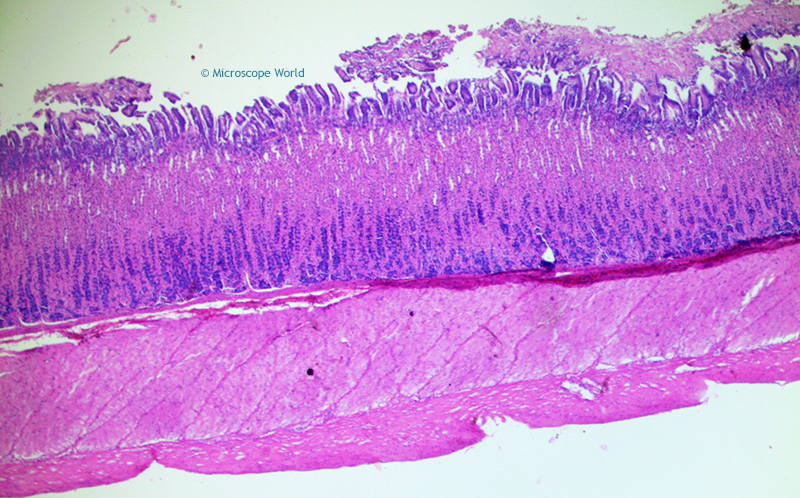
- Layered Organization: Both species exhibit a common four-layer structure – mucosa, submucosa, muscularis externa, and serosa/adventitia – each vital to their digestive function.
- Distinct Subdivisions: The rat stomach is partitioned into specialized regions (forestomach and glandular stomach) unlike the singular glandular structure in humans.
- Research Implications: Understanding differences in cellular composition and muscular organization is key in transferring insights from animal models to human therapies.
Introduction
The stomach serves as a central organ in the gastrointestinal system responsible for both mechanical and chemical digestion. Both humans and rats possess stomachs organized into multiple layers, each contributing uniquely to the overall process of digestion. Comparative histological studies between the rat and human stomachs provide critical insights into evolutionary biology and enhance the understanding required for translating findings from animal models into effective human therapies.
This article offers a comprehensive synthesis of current knowledge regarding the histological structures of the rat and human stomachs, focusing on their commonalities and distinctive features. Journal articles and research studies have provided a wealth of data that facilitate our deeper appreciate of how variations in cellular, anatomical, and muscular frameworks influence gastrointestinal functionality and, ultimately, the approach to medical research.
Anatomical and Histological Overview
General Layered Organization
In both rats and humans, the stomach is characterized by four fundamental layers:
- Mucosa: The innermost layer involved in secretion and protection.
- Submucosa: A supportive layer containing blood vessels, nerves, and lymphatics.
- Muscularis Externa: The muscle fibers facilitating the peristaltic and mechanical breakdown of food.
- Serosa/Adventitia: The outer covering offering structural support and anchorage to adjacent organs.
Despite this similarity, the specific organization and specialized adaptations within these layers vary between the two species.
Mucosal Layer
The mucosa is pivotal for the production of gastric secretions and forms the first line of defense against the corrosive environment of the stomach.
Human Mucosa
In humans, the mucosal surface is lined by a simple columnar epithelium that is deeply invaginated to form gastric pits. These pits lead to gastric glands which contain an array of specialized cells:
- Parietal Cells: Secrete hydrochloric acid that aids in the initial chemical breakdown of ingested food.
- Chief Cells: Produce pepsinogen, the precursor to the proteolytic enzyme pepsin.
- Mucous Neck Cells: Contribute to the production of mucus serving as a protective coating.
This sophisticated cellular arrangement ensures both the mechanical breakdown and enzymatic digestion of food.
Rat Mucosa
In contrast, the rat stomach is subdivided into two distinct regions. The proximal region, known as the forestomach, is lined by a cornified stratified squamous epithelium similar to that of the esophagus. This segment is non-glandular and specialized to withstand mechanical stress. The distal glandular stomach, which is analogous to the human glandular stomach, contains gastric glands that function in a manner similar to human glands but exhibit differences in cell density and distribution. For instance, studies note a higher density of parietal cells in the rat fundus, which has implications for acid secretion efficiency.
Submucosal Layer
The submucosa in both the rat and human stomachs is comprised primarily of connective tissue that supports the mucosal layer. It houses a network of blood vessels, lymphatics, and nerves that help regulate digestive functions.
Comparative Aspects
Although the overall function of the submucosa is conserved, variations in the architecture of the submucosal plexus have been observed between the two species. These differences are thought to reflect species-specific adaptations to digestive physiology and might influence how each species responds to various pharmacological agents.
Muscularis Externa
The muscularis externa is responsible for the mechanical churning and peristalsis required for food digestion. While both species share the presence of distinct muscle layers, the specific organization differs.
Human Organization
In the human stomach, the muscularis externa typically consists of three layers: an inner oblique layer, a middle circular layer, and an outer longitudinal layer. Together, they orchestrate the intricate movements essential for the mixing and propulsion of gastric contents.
Rat Organization
The rat stomach also presents a three-layered muscularis externa. However, research indicates that the rat displays a distinctive internal oblique (or sling) muscle in addition to the longitudinal and circular layers. This muscular arrangement in rats is believed to contribute to nuanced patterns of food movement and may influence how gastric motility is modulated in experimental settings.
Serosa/Adventitia
The outer covering of the stomach differs in nomenclature and potentially subtle anatomical detail between the species.
Human Stomach
In humans, the serosa is a smooth, slippery membrane that is continuous with the peritoneum, aiding in the reduction of friction between abdominal organs.
Rat Stomach
In rats, while a similar serosal layer exists, regional differences may occur with some parts presenting as adventitia. The difference in the external coating is generally considered to reflect variations in how the stomach is anchored within the abdominal cavity.
Distinctive Anatomical Features and Their Implications
Rat-Specific Features
The rat stomach exhibits unique attributes that diverge from human anatomy. One of the most prominent features is the distinction between the forestomach and the glandular stomach.
Forestomach
The forestomach represents a substantial proximal portion of the rat stomach. It is characterized by its non-glandular, cornified stratified squamous epithelium, which provides durability against chemical and mechanical insults. Although it does not participate significantly in chemical digestion, its robust structure helps process coarse food particles, a trait that is less critical in the human stomach.
Glandular Stomach
The glandular portion, located distally, contains the secretory gastric glands that closely mirror the human stomach's functionality. Even within this segment, differences in cellular density and hormonal responsiveness may contribute to variations in digestive processes. For example, increased parietal cell density in the rat fundic region suggests that acid secretion patterns could be adapted to the specific dietary habits or metabolic demands of the species.
Human-Specific Characteristics
In contrast to rats, the human stomach remains a singular, glandular entity from the esophagus to the pylorus. The seamless continuity of the gastric glands allows for a consistent environment necessary for enzymatic digestion.
Additionally, the presence of specialized cell types, such as enteroendocrine cells, plays a significant role in the regulation of gastric motility and the coordination of gastric secretions. These cells respond to neural and hormonal signals, influencing not only digestion but also the integrated responses of the gastrointestinal tract as a whole.
Cellular Composition and Secretory Functions
Cell Types in the Gastric Glands
Both human and rat stomachs contain various specialized cell types within the gastric glands that are crucial for digestion. Nonetheless, the relative distribution and density of these cells can vary.
| Cell Type | Function | Human Stomach | Rat Stomach |
|---|---|---|---|
| Parietal Cells | \( HCl \) secretion to aid digestion | Prominent in fundic glands | Higher density, particularly in the glandular region |
| Chief Cells | Secretion of pepsinogen | Abundantly present | Present with slight variances in distribution |
| Mucous Cells | Secretion of mucus that protects the mucosa | Distributed in both surface epithelium and glandular neck | Found in the glandular region; absent in forestomach |
| Enteroendocrine Cells | Release hormones regulating digestive processes | Scattered throughout the glands | Variable presence, modulating gastric functions |
Functional Implications of Cellular Differences
Variations in the cellular composition between the species have significant implications. For instance, the comparatively higher density of parietal cells in rats may lead to differences in acid secretion profiles. This can influence drug metabolism and digestive efficiency. Moreover, subtle differences in the distribution of secretory and regulatory cells (such as enteroendocrine cells) can affect the overall endocrine modulation of gastric functions.
Such distinctions are critical when extrapolating findings from rat models to human conditions. Researchers must account for these differences when considering dosages, drug absorption rates, and potential side effects in clinical applications.
Muscularis Externa: Structural and Functional Insights
Human Gastric Musculature
In the human stomach, the muscularis externa facilitates a coordinated digestive process by employing three distinct layers of muscle:
- Inner Oblique Layer: Contributes to the twisting and mixing motions that break down food mechanically.
- Circular Layer: Maintains the integrity of the stomach cavity and supports mixing.
- Longitudinal Layer: Assists in the propulsion of food towards the pylorus, regulating the passage into the duodenum.
These layers work in harmony to ensure effective digestion through complex motility patterns.
Rat Gastric Musculature
The rat stomach exhibits a similar multilayered structure; however, its muscular organization introduces specific variations. Notably, the presence of an internal oblique (or sling) muscle, in addition to the standard circular and longitudinal layers, contributes to unique motility patterns. These variations are of particular interest in experimental research, as they can affect the rate of gastric emptying and the response to various pharmacological interventions. Understanding these differences is crucial for researchers who rely on rat models to simulate human gastrointestinal diseases or test new therapeutic compounds.
Implications for Gastrointestinal Research
Translational Research and Drug Development
The similarities between rat and human stomach histology make the rat an indispensable model in gastrointestinal research. However, caution must be exercised when translating preclinical findings to human patients due to the presence of distinctive anatomical features. For example, the non-glandular forestomach found in rats does not have a direct counterpart in human anatomy. Consequently, any research relying on drug absorption, acid secretion, or mucosal responses may require adjusted interpretations.
Additionally, differences in the density and distribution of secretory cells (in particular, parietal and enteroendocrine cells) can influence:
- Drug Pharmacokinetics: Variations in the gastric environment may alter how orally administered compounds are metabolized and absorbed.
- Tissue Response to Injury: Divergent cellular compositions may result in different susceptibility to conditions such as gastritis or ulcer formation.
- Surgical Outcomes: Understanding the specific muscular arrangement aids in refining surgical techniques and improving prognostic assessments in procedures involving the stomach.
Disease Modeling and Therapeutic Interventions
The rat model serves as a critical platform for investigating gastrointestinal disorders that affect humans. Conditions such as gastric ulcers, cancer, and motility disorders can be studied in rats to gain insights into their underlying pathophysiology. The translational relevance of these studies hinges on the detailed understanding of the histological differences highlighted above.
In many experimental studies, pharmacological interventions targeting acid secretion or gastric motility have shown varying degrees of efficacy between rats and humans. Such discrepancies are likely attributable, at least in part, to the species-specific differences in cellular composition and muscular organization. Researchers are, therefore, advised to:
- Consider the implications of the forestomach when designing experiments involving oral administration.
- Adjust dosages and delivery methods based on the differences in acid secretion and drug metabolism.
- Use advanced imaging and histological techniques to correlate the morphological findings with functional outcomes.
Comparative Analysis Table
| Feature | Human Stomach | Rat Stomach |
|---|---|---|
| General Layers | Mucosa, Submucosa, Muscularis Externa, Serosa (or Adventitia) | Mucosa, Submucosa, Muscularis Externa, Serosa/Adventitia |
| Mucosal Structure | Simple columnar epithelium with gastric pits and glands | Divided into non-glandular forestomach and glandular stomach with variable gastric gland distribution |
| Musculature | Three layers: Oblique, Circular, Longitudinal | Three layers including a distinctive internal oblique (sling) muscle |
| Functional Impact | Coordinated digestion with regulated secretion and motility | Enhanced mechanical resistance in forestomach and varying secretory efficiency in glandular regions |
Advanced Topics in Comparative Gastrointestinal Physiology
Evolutionary Considerations
The anatomical and histological differences between the human and rat stomachs not only underline the evolutionary adaptations of each species but also provide insights into their respective ecological and dietary demands. Humans, with a predominantly omnivorous diet, have developed a consistent glandular architecture that allows for sustained and regulated digestive enzyme secretion. In contrast, the rat’s dual-chambered stomach, including a specialized forestomach, reflects an adaptation to a variety of food sources that may include fibrous plant material. Such differences underscore the complex interplay between evolution, diet, and gastrointestinal structure.
Interpreting Experimental Data
For researchers, understanding these differences is pivotal in interpreting experimental data accurately. Studies comparing drug effects, tissue injury, and regenerative processes must consider that the same stimulus might elicit divergent responses owing to the distinct cellular landscapes within the stomach. For instance, while a pharmacological agent might effectively regulate acid secretion in rats by acting on a higher concentration of parietal cells, the same effects might not be directly transferable to human systems that exhibit a more uniform parietal cell distribution.
Moreover, the presence of the forestomach in rats, which is absent in humans, poses specific challenges when evaluating outcomes related to mucosal integrity and injury repair. Recognizing these discrepancies allows researchers to tailor their experimental designs, ensuring robust correlation and interpretation of data between the animal model and the human condition.
Conclusions and Final Thoughts
In summary, while the rat and human stomachs share a fundamental layered histological architecture, the specific anatomical subdivisions, cellular compositions, and muscular organizations exhibit marked differences. The forestomach characteristic of rats, absent in humans, along with the variation in the density and distribution of secretory cells, underscores the necessity of a detailed comparative understanding when translating research findings.
Translational studies that utilize rat models have significantly advanced our knowledge of gastrointestinal physiology, drug absorption, and disease pathophysiology, thereby enabling the development of targeted therapies. However, the success of these translational efforts is contingent on carefully considering the species-specific differences highlighted throughout this discussion.
Ultimately, this comprehensive understanding facilitates more accurate predictions of therapeutic outcomes in humans, informs the design of more effective pharmacological interventions, and enhances the overall quality of gastrointestinal research. Recognizing the nuances in comparative histology is not merely an academic exercise but a prerequisite for the responsible and innovative development of clinical applications.
References
- Comparative Histological Structure of the Gastrointestinal Mucosa - PubMed
- General Comparative Anatomy of Human and White Rat Digestive Systems - PubMed
-
Comparative Anatomy and Histology: Rat Stomach - ScienceDirect
-
Forestomach Characteristics in Rats - ScienceDirect
- Comparative Gastrointestinal Histology - Wiley Online Library
Recommended Related Queries
Last updated February 23, 2025