
Exploring the Philosophical Roots and Deep Influences on Consumer Behavior Theories
Delving into the Evolution from Rationality to the Complexities of Impulse and Social Factors
Key Insights
- Rational Choice Theory, with roots in philosophy and economics, initially posited that consumers make decisions purely to maximize their personal benefit through a logical cost-benefit analysis.
- Later research revealed that consumer behavior is significantly influenced by non-rational factors, including impulse buying, social influences (family, friends, advertisers, role models), and internal states like mood and emotion.
- The evolution of consumer behavior theory reflects a shift from a purely economic, rationalistic view to a more comprehensive understanding that integrates insights from psychology, sociology, and other social sciences.
The provided text highlights a fundamental shift in the understanding of consumer behavior. Initially, early theories were heavily influenced by the notion that individuals are rational actors who make purchasing decisions solely to maximize their satisfaction or benefit. This perspective is deeply rooted in philosophical and economic traditions, particularly in rational choice theory. However, subsequent research has uncovered the significant impact of non-rational factors on consumer choices, including impulsive behavior, social pressures, and emotional states.
The Philosophical and Deep Roots of Rational Choice Theory in Consumer Behavior
The concept that individuals act rationally to maximize their benefits has deep philosophical and economic origins, primarily encapsulated in Rational Choice Theory. This theory posits that individuals make decisions based on a calculated assessment of potential outcomes, choosing the option that yields the greatest personal utility or satisfaction.
Philosophical Foundations
The roots of rational choice theory can be traced back centuries, with significant contributions from prominent philosophers. Thinkers like Adam Smith, often considered the originator of rational choice theory in economics, proposed that individuals' pursuit of self-interest could lead to overall societal prosperity. His work, particularly "An Inquiry into the Nature and Causes of the Wealth of Nations" (1776), was influenced by earlier philosophical ideas.
Influence of Hobbes and Machiavelli
Adam Smith's work drew upon the ideas of philosophers such as Thomas Hobbes and Niccolò Machiavelli. Hobbes, in his work "Leviathan" (1651), suggested that the functioning of political institutions was a result of individual choices. Machiavelli, in "The Prince" (1513), also introduced concepts related to individuals acting in their perceived self-interest. These early philosophical perspectives laid some of the groundwork for understanding individual decision-making based on self-regarding motives.
Scottish Enlightenment and Moral Philosophy
Rational choice theory also has roots in the moral philosophy of the Scottish Enlightenment. This period saw a focus on human reason and individual liberty, which contributed to the idea of individuals as autonomous agents capable of making reasoned choices.
The theory's development was also influenced by the classical political theory of the eighteenth century, with figures like Cesare Beccaria and Jeremy Bentham contributing to ideas about individuals making choices based on a calculation of pleasure and pain, particularly in the context of criminology.
Economic Foundations
While rooted in philosophy, the core of rational choice theory was significantly developed within economics. Early economic models often assumed perfect rationality, where consumers have complete information and consistently make choices that maximize their utility. This perspective was central to neoclassical economics.
Utility Maximization
A core tenet of rational choice theory in economics is utility maximization. This assumes that individuals have preferences and will choose the option that provides them with the highest level of satisfaction or utility, given their constraints (such as budget). This framework provides a seemingly logical and predictable model for understanding economic behavior, including purchasing decisions.
\[ \text{Maximize Utility} = f(\text{choices}) \quad \text{subject to constraints} \] This basic mathematical representation illustrates the core concept of optimizing outcomes based on available options within certain limits.
The Discovery of Non-Rational Influences on Consumer Behavior
Despite the initial dominance of rational choice theory in explaining consumer behavior, later research from various social science disciplines revealed that actual consumer decision-making is far more complex and often deviates from purely rational models. This led to a broader understanding that incorporates psychological, social, and emotional factors.
Impulse Purchasing
One of the most significant findings contradicting pure rationality is the phenomenon of impulse buying. Impulse purchases are unplanned decisions to buy a product or service made just before a purchase. This behavior is often driven by sudden urges and can occur without much forethought or a rational weighing of costs and benefits.
Psychological Drivers of Impulse Buying
Impulse buying is heavily influenced by psychological factors. Emotions play a crucial role; consumers may make impulse purchases to satisfy emotional needs, such as seeking instant gratification, relieving negative moods like stress or anxiety, or simply for the pleasure and excitement the purchase provides. Personality traits, self-esteem levels, and tendencies towards anxiety or depression have also been linked to impulse buying.
Marketing strategies often leverage these psychological triggers through appealing product displays, scarcity promotions, and discounted prices, which can stimulate impulsive behavior. The point-of-sale environment, sensory factors, and even brand loyalty can contribute to the likelihood of an impulse purchase.

Retail therapy can be an emotional driver for impulse buying.
Social Influences
Consumers do not make decisions in a vacuum; they are significantly influenced by their social environment. This includes the impact of family, friends, advertisers, and role models.
The Role of Reference Groups
Family and friends serve as reference groups that can shape consumer preferences and behaviors through recommendations, opinions, and shared consumption experiences. Social norms and the desire to conform can also drive purchasing decisions.
Advertising and Marketing
Advertisers and marketers employ various persuasive communication strategies to influence consumer choices. These strategies often appeal to emotions, aspirations, and social desires rather than solely providing rational information about a product's features. The messages conveyed through advertising can significantly impact consumer behavior and purchase intentions.
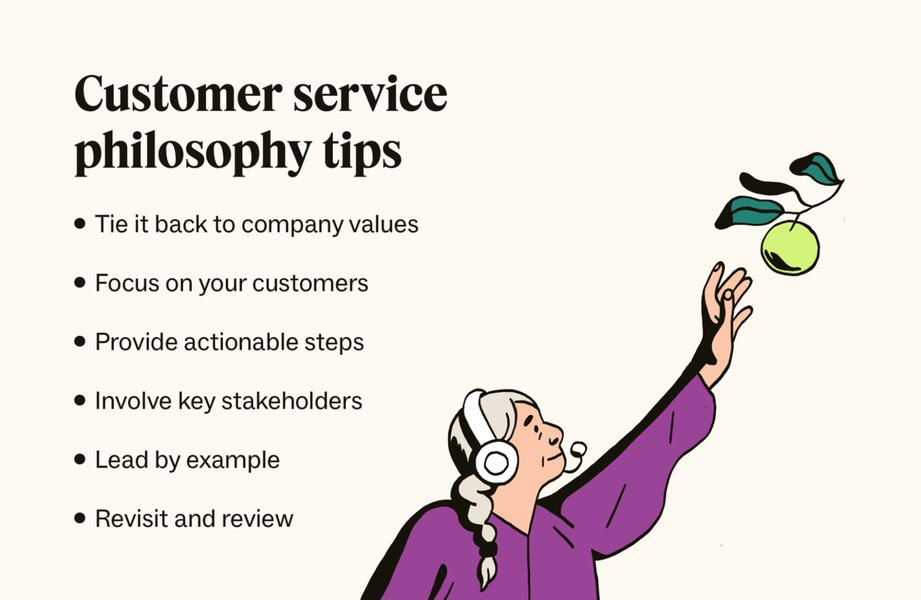
Marketing and customer-centric strategies aim to understand and influence consumer behavior.
Mood, Situation, and Emotion
Internal states like mood and emotion, as well as external situational factors, have a powerful influence on consumer decisions, often overriding rational considerations.
Emotional States
Positive emotions can lead to more favorable evaluations of products and a greater willingness to spend, while negative emotions can also trigger impulse purchases as a coping mechanism or a way to seek comfort. The emotional connection a consumer has with a brand or product can be a significant driver of loyalty and purchasing behavior.
Situational Factors
The specific context or situation in which a purchase decision is made can also heavily influence the outcome. Factors such as the shopping environment (online vs. physical store), time constraints, the presence of others, and even the weather can impact consumer choices, sometimes leading to unplanned or emotionally driven purchases.
The Evolution of Consumer Behavior Theory
The recognition of these non-rational influences has led to a more nuanced and multidisciplinary approach to understanding consumer behavior. The field has evolved from a primarily economic perspective to one that integrates insights from psychology, sociology, anthropology, and marketing.
Integration of Psychological Theories
Modern consumer behavior research heavily borrows from psychological theories, including theories of learning, motivation, perception, and attitude formation, to explain why consumers behave the way they do. The study of consumer psychology is now intrinsically linked with marketing strategies aimed at understanding and influencing purchase decisions.
Shift to Behavioral Economics
The limitations of purely rational models have contributed to the rise of behavioral economics, which combines insights from psychology and economics to understand how cognitive biases, heuristics, and emotional factors influence economic decisions, including consumer choices. This field acknowledges that individuals are not always perfectly rational and that their decisions are often influenced by psychological factors.
Bridging the Gap: Rationality and Non-Rationality
While early theories focused on rationality and later research highlighted non-rational factors, contemporary understanding recognizes that consumer behavior is often a complex interplay of both. Consumers may engage in rational deliberation for some purchases while acting impulsively or being heavily influenced by social and emotional factors for others. The degree to which rationality or non-rationality dominates can depend on the product category, the individual consumer, and the specific context of the purchase.
Comparing Early and Later Perspectives on Consumer Behavior
To further illustrate the shift in understanding, the following table highlights the key differences between the early rationalistic view and the later, more comprehensive perspective on consumer behavior:
| Aspect | Early Theories (Rationalistic) | Later Research (Comprehensive) |
|---|---|---|
| Core Assumption | Individuals are purely rational actors. | Individuals are influenced by a mix of rational and non-rational factors. |
| Decision-Making Process | Logical cost-benefit analysis, utility maximization. | Can be deliberative, impulsive, or influenced by emotion and social factors. |
| Primary Drivers | Maximizing personal benefit/satisfaction. | Self-interest, emotions, social norms, situational cues, habits. |
| Influences Considered | Primarily economic factors (price, value). | Psychological states (mood, emotion), social environment (family, friends, advertising), cultural factors. |
| View of Consumer | Homo Economicus (Economic Man). | Complex individual influenced by internal and external factors. |
This table underscores the evolution from a simplified model assuming perfect rationality to a more realistic portrayal of consumers as complex individuals whose decisions are shaped by a multitude of factors.
Frequently Asked Questions
What is the main idea of Rational Choice Theory in the context of consumer behavior?
The main idea is that consumers make purchasing decisions by rationally weighing the potential costs and benefits of different options to choose the one that will provide them with the greatest personal satisfaction or utility.
How did later research challenge the idea of purely rational consumer behavior?
Later research introduced the concept of non-rational influences, such as impulse buying, the impact of emotions and mood, and the significant role of social factors like family, friends, and advertising, demonstrating that decisions are not always based on purely logical analysis.
What are some examples of non-rational factors influencing consumer choices?
Examples include spontaneously buying something because it looks appealing (impulse buying), purchasing a product because a friend recommended it (social influence), or buying something to feel better when in a bad mood (emotional influence).
Why is understanding both rational and non-rational factors important in consumer behavior?
A comprehensive understanding of consumer behavior requires acknowledging the interplay of both rational deliberation and non-rational influences. This provides a more accurate picture of how and why consumers make decisions, which is crucial for effective marketing and business strategies.
References

 etherwave.wordpress.com
Last updated May 9, 2025