
Integrating React Components within SvelteKit: A Comprehensive Guide
Seamlessly combine the power of React and SvelteKit in your projects.
Key Insights
- ReactAdapter Utility: A common approach for integrating React components into Svelte involves using a utility class like
ReactAdapterto inject and manage React components within the Svelte environment. - Interop Solutions: Libraries such as
svelte-preprocess-reactandreact-svelteoffer preprocessor-based solutions and adapters to facilitate interoperability and allow the use of third-party React components or aid in migration. - Performance and Ecosystem Benefits: Integrating Svelte into a React application can offer performance advantages due to Svelte's compilation approach, while using React components in SvelteKit can provide access to React's extensive ecosystem and libraries.
Integrating React components within a SvelteKit application might seem counterintuitive at first, given the distinct philosophies and architectures of the two frameworks. React utilizes a virtual DOM and a runtime library to manage component updates, while Svelte is a compiler that transforms your components into highly optimized vanilla JavaScript at build time, eliminating the need for a virtual DOM. However, there are scenarios where leveraging existing React components or libraries within a SvelteKit project can be beneficial. This guide explores the easiest ways to achieve this integration, drawing upon common patterns and available tools.
The primary challenge in using React components in SvelteKit lies in their fundamental differences in how they handle reactivity and DOM manipulation. React relies on its JSX syntax and a component lifecycle managed by the React runtime. Svelte, on the other hand, uses a template syntax similar to HTML and handles reactivity through simple variable assignments, compiling components directly to imperative JavaScript that updates the DOM efficiently.
Understanding the Core Differences
How React and Svelte Approach UI Development
Before diving into integration methods, it's crucial to understand the core differences between React and Svelte. React's approach involves a build step that transforms JSX into JavaScript calls, which then interact with the virtual DOM. The virtual DOM is an in-memory representation of the actual DOM, and React uses it to efficiently update the browser's DOM by minimizing direct manipulation. State changes in React trigger a re-rendering process where React compares the new virtual DOM with the previous one and updates only the necessary parts of the real DOM.
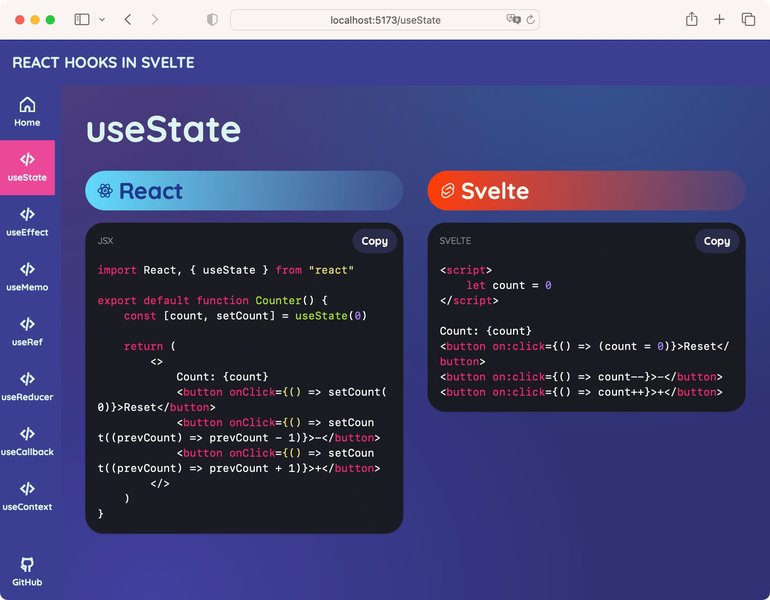
Svelte, conversely, shifts much of the work to the build phase. When you build a Svelte application, the Svelte compiler analyzes your components and generates highly efficient JavaScript code that directly updates the DOM when state changes. This compilation step eliminates the need for a runtime library like React's, resulting in smaller bundle sizes and potentially faster initial load times.
React's Virtual DOM and Runtime
React's use of a virtual DOM provides a layer of abstraction over direct DOM manipulation. This can simplify development in complex applications by handling updates efficiently. However, it also introduces a runtime overhead. React's hooks, such as useState, are part of this runtime and provide a way to manage state and side effects in functional components. While powerful, some developers might find the "magic" of Svelte's reactivity more intuitive than managing state with hooks.
Svelte's Compilation Approach and Reactivity
Svelte's compilation approach means that the framework's logic is embedded directly into the generated JavaScript. This leads to very performant applications, as there is no virtual DOM to diff and update. Svelte's reactivity is built into the language itself: simply assigning a new value to a variable declared with let in a Svelte component's <script> block triggers updates in the template.
Methods for Integrating React Components
Exploring Different Approaches to Interoperability
Despite their differences, several methods have emerged to enable the use of React components within SvelteKit. These methods generally involve creating a bridge or adapter layer that allows the two frameworks to coexist and communicate.
Using a React Adapter Utility
One of the most common and effective ways to use React components in Svelte is through a utility class often referred to as a "ReactAdapter." This approach involves creating a Svelte component that acts as a container for a React component. The adapter handles the rendering of the React component within the Svelte application's DOM.
The basic principle involves creating a DOM element within the Svelte component where the React component will be mounted. Using React's rendering capabilities (e.g., ReactDOM.createRoot().render()), the React component is then rendered into this designated DOM element. Props can be passed from the Svelte component to the React component through this adapter.
// Example conceptual outline of a ReactAdapter
    import React from 'react';
    import ReactDOM from 'react-dom/client'; // Use createRoot for React 18+
    import { onMount, onDestroy } from 'svelte';

    export default function ReactAdapter({ Component, props }) {
      let container;
      let root;

      onMount(() => {
        container = document.createElement('div');
        // Append the container to the Svelte component's DOM
        // You would need to get a reference to the parent element in Svelte
        // For simplicity, let's assume a parent element 'svelteContainer' exists
        // document.getElementById('svelteContainer').appendChild(container);

        root = ReactDOM.createRoot(container);
        root.render(React.createElement(Component, props));
      });

      onDestroy(() => {
        if (root) {
          root.unmount();
        }
      });

      // In the Svelte template, you would render this adapter
      // <div bind:this={svelteContainer}></div>
      // <ReactAdapter Component={YourReactComponent} props={{ someProp: value }} />
    }
Libraries and examples like those based on RichHarris/react-svelte or custom implementations demonstrate this pattern. This method allows you to encapsulate React components and use them within your Svelte templates as if they were native Svelte components.
Utilizing Interoperability Libraries and Preprocessors
Several libraries and preprocessors are specifically designed to facilitate interoperability between React and Svelte. Projects like svelte-preprocess-react aim to make the integration process more seamless by providing tools to use React components directly within Svelte files or for migrating existing React codebases.
These tools often work by transforming your code during the build process, allowing Svelte to understand and render React components. They might provide utility functions or components that act as wrappers around your React components, handling the necessary communication and rendering logic.
For instance, svelte-preprocess-react can allow you to "reactify" Svelte components to be used within a React application, or, conversely, provide mechanisms to embed React components within Svelte.
// Example using svelte-preprocess-react (conceptual)
    import { reactify } from "svelte-preprocess-react";
    import { Youtube } from "svelte-youtube-lite"; // A Svelte component

    const svelteComponents = reactify({ Youtube });

    export default function App() {
      // Using a reactified Svelte component in React
      return <svelteComponents.Youtube videoId="AdNJ3fydeao" />;
    }
While this example shows using a Svelte component in React, the principle applies to using React components in Svelte with the right configuration and provided utilities from such libraries.
Considering Micro Frontends
For larger applications or when migrating gradually, a micro frontend architecture can be a viable strategy. This involves treating different parts of your application as independent units built with different frameworks. You could have a main SvelteKit application that incorporates smaller micro frontends built with React. This approach allows you to leverage the strengths of each framework for specific parts of your application and manage them more independently.
Practical Considerations and Challenges
Navigating Potential Pitfalls and Best Practices
While integrating React components into SvelteKit is possible, it's important to be aware of the practical considerations and potential challenges:
Ecosystem Compatibility
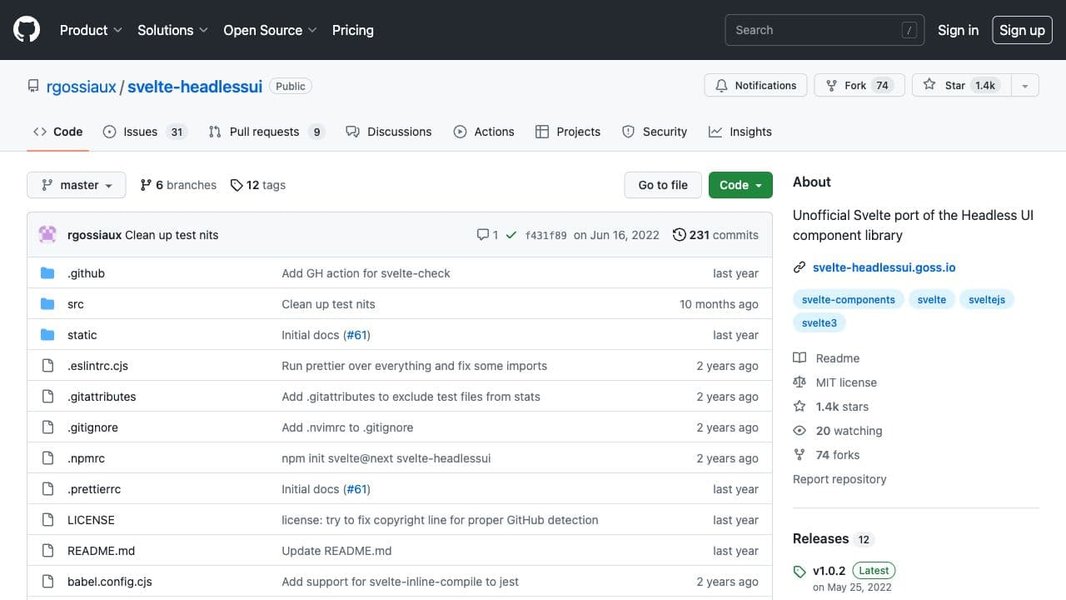
Although the React ecosystem is vast and mature, not all React libraries and components will seamlessly integrate with SvelteKit without some effort. Libraries that heavily rely on React's context API or specific hooks might require careful handling or may not be fully compatible. When considering a third-party React component, it's worth checking if a native Svelte alternative exists or if the component is designed with framework-agnosticism in mind.
State Management
Managing shared state between React and Svelte components can add complexity. You'll need a strategy for how state changes in one framework will affect components in the other. This might involve using a shared state management library that supports both environments or implementing a custom communication layer.
Performance Implications
While Svelte is known for its performance, embedding React components introduces the React runtime and its virtual DOM. This can potentially negate some of the performance benefits of using Svelte, especially if the integrated React components are complex or frequently update. It's crucial to evaluate the performance impact and ensure that the benefits of using the React component outweigh any potential overhead.
Build Process Complexity
Integrating two different frameworks can complicate your build process. You'll need to ensure that your build tools (like Vite, which SvelteKit uses) are configured correctly to handle both Svelte and React code. This might involve adding specific plugins or configurations.
When to Consider Integration
Identifying Scenarios Where Combining Frameworks Makes Sense
Integrating React components into a SvelteKit application is not always the best approach. It introduces complexity and potential performance considerations. However, there are specific scenarios where it can be a pragmatic choice:
Leveraging Existing Component Libraries
If you have a substantial investment in a React component library (either internal or third-party) that provides critical functionality or UI elements, integrating these components might be more cost-effective than rebuilding them in Svelte.
Gradual Migration
When migrating a large existing React application to SvelteKit, integrating React components can facilitate a gradual transition. You can rewrite parts of the application in Svelte while still utilizing existing React components until they are eventually replaced.
Accessing Specific React Ecosystem Tools
Some specialized libraries or tools might only be available or have better support within the React ecosystem. If your application requires such a tool, integrating the relevant React component might be necessary.
Comparing React and Svelte Capabilities
To further understand the context of integrating these two frameworks, here's a comparison of some of their key characteristics:
| Feature | React | Svelte |
|---|---|---|
| Approach | Virtual DOM, Runtime Library | Compiler (No Virtual DOM) |
| Reactivity | Hooks (e.g., useState, useEffect) | Compiled-in reactivity (variable assignment) |
| Bundle Size | Generally larger (includes runtime) | Generally smaller (compiler output) |
| Performance | Efficient updates via Virtual DOM diffing | Highly performant due to direct DOM manipulation |
| Learning Curve | Requires understanding JSX, hooks, component lifecycle | Lower barrier to entry, closer to standard web technologies |
| Ecosystem | Mature, extensive libraries and tools | Growing, but smaller than React's |
FAQ
Is it recommended to use React components in SvelteKit for new projects?
Generally, for new SvelteKit projects, it's recommended to use native Svelte components to fully leverage Svelte's performance and simplicity. Integrating React components adds complexity that might not be necessary unless there's a compelling reason, such as utilizing a critical existing React library.
Will using React components in SvelteKit negatively impact performance?
Yes, embedding the React runtime and virtual DOM within a Svelte application can introduce some performance overhead compared to a pure Svelte application. The extent of the impact depends on the complexity and usage of the integrated React components.
Are there libraries that make the integration easier?
Yes, libraries like svelte-preprocess-react and approaches using a ReactAdapter utility are designed to simplify the process of using React components within Svelte.
Can I use Svelte components inside a React application?
Yes, the interoperability can also work in the other direction. Libraries like react-svelte allow you to use Svelte components within a React application.
This video explores the process of using React libraries within a SvelteKit application, demonstrating practical steps and considerations for integrating components from the React ecosystem into your Svelte projects. It provides a visual guide to complement the methods discussed in this article.
References
Last updated April 21, 2025