
The Critical Role of Reading in Elementary Education
Understanding the importance and overcoming the challenges in developing strong reading habits among young learners
Key Takeaways
- Academic and Cognitive Growth: Reading enhances comprehension, vocabulary, and critical thinking, forming the foundation for future academic success.
- Emotional and Social Development: Exposure to diverse narratives fosters empathy, creativity, and lifelong learning habits.
- Practical Interventions: Creating reading-rich environments through daily rituals, digital platforms, and community involvement can effectively address resource gaps and socio-economic challenges.
The Importance of Reading in Early Education
Reading is not merely the ability to decode symbols or words; it is a gateway to developing young minds and building a solid foundation for academic achievement and personal growth. By immersing children in the world of books, educators and parents provide them with the opportunity to explore diverse subjects, improve memory retention, and cultivate analytical as well as critical thinking skills. Regular reading also allows children to develop a robust vocabulary and advanced language skills that further empower them in other academic disciplines such as mathematics, science, and history.
Academic and Cognitive Benefits
Enhanced Learning and Critical Thinking
Strong reading habits encourage active learning where students engage with text to analyze underlying themes and draw meaningful conclusions. This consistent practice of asking questions and seeking answers not only builds comprehension but also sharpens cognitive abilities. Studies have shown that proficient readers exhibit improved memory retention and enhanced analytical skills, which directly correlate with enhanced overall academic performance.
For instance, many educators have observed that children who immerse themselves in varied reading materials are better prepared for problem-solving tasks in math and practical science experiments, as they tend to approach problems in a systematic and thoughtful manner.
Building Language and Communication Skills
Reading exposes students to various sentence structures, diverse vocabularies, and contextual language use, thereby reinforcing both written and verbal communication skills. The confidence gained by accurate and fluent reading translates into more effective self-expression. As children navigate through different genres—from fiction to informational texts—they develop the ability to articulate their thoughts clearly, a key skill for successful learning and interpersonal interactions.
Emotional and Social Benefits
Fostering Empathy and Creativity
Stories often transport readers to alternative worlds, exposing them to characters, experiences, and cultures outside their immediate reality. This exposure helps children develop empathy and appreciate diverse perspectives, an invaluable asset in our interconnected world. The imaginary journeys taken through books spur creative thinking and innovation, essential not just for personal development but also for cultivating future leaders and dynamic problem solvers.
Encouraging Lifelong Learning Habits
Establishing reading as a habit early in life paves the way for lifelong learning. A love for reading propels students to continually seek new knowledge across various subjects, driving academic success well into adulthood. Over time, this persistent engagement with literature fosters not only intellectual growth but also the resilience required to navigate an ever-evolving world.
Challenges in Developing Reading Habits Among Elementary Students
Despite the recognized benefits, numerous elementary students face significant challenges in forming strong reading habits. These challenges are often exacerbated by environmental, socio-economic, and technological factors, making it imperative for educators, parents, and communities to work collectively to mitigate these issues.
Barriers to Reading Development
Limited Access to Quality Materials
A major barrier is the limited access to a wide range of reading materials. In many underserved areas, schools and families might lack adequate books, resulting in a scarcity of stimulating and diverse literary resources. This often translates into a reduced exposure to literature that could ignite curiosity and the desire to learn.
Socio-Economic Constraints
Socio-economic factors present another formidable challenge. Children from low-income households are often deprived of a home environment where reading is prioritized or valued. Budget constraints may limit the number of books in the home and reduce opportunities for visits to well-equipped libraries or bookstores, further curtailing the potential for developing a love of reading.
Digital Distractions
In today’s digital era, the lure of technology often competes with books for a child's attention. Although digital learning platforms and interactive reading tools hold promise, they can sometimes also contribute to distractions if not properly curated. The excessive use of screens for entertainment can detract from the time traditionally allocated to reading, reducing the quality and consistency of reading habits.
Strategies for Enhancing Reading Skills
Given the substantial benefits and the challenges outlined, it is crucial to implement targeted strategies that will nurture and improve reading habits among elementary students. These strategies involve collaboration among educators, parents, and community members, combining traditional and innovative methods to create an engaging reading environment.
Practical Approaches to Foster Reading
Establish Daily Reading Rituals
Consistency is key when it comes to building strong reading habits. Instituting a daily reading period, whether at school or at home, helps children develop a routine that solidifies reading as an essential activity. Dedicated reading times help students focus, and the regular practice reinforces their comprehension and analytical abilities.
Create a Reading-Rich Environment
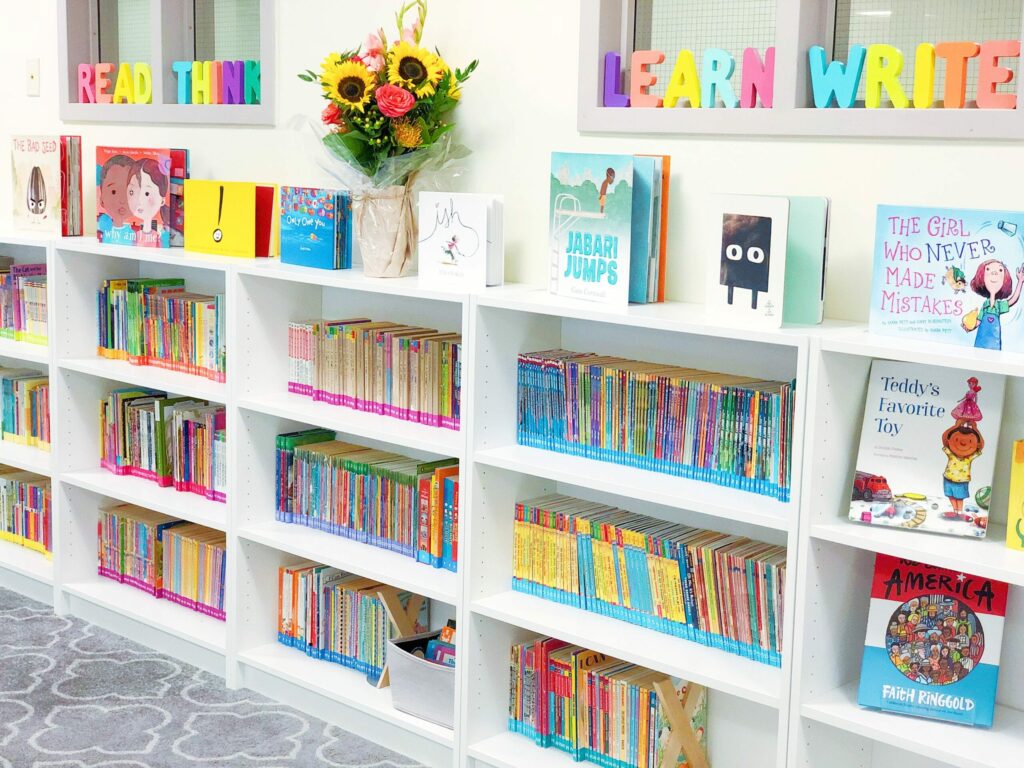
A stimulating environment filled with various reading materials can make a significant difference. Efforts to improve access to books include establishing mini-libraries in classrooms, promoting community libraries, and even innovative ideas such as book vending machines. Research indicates that students who are surrounded by a wide selection of books naturally tend to read more and diversify their reading choices.
Integrate Digital Learning Platforms
Modern interactive digital learning platforms have been successfully integrated into reading programs at several schools. Digital tools offer interactive and engaging content that appeals to the contemporary learner. Studies suggest that such platforms can accelerate the pace at which students develop reading proficiency by integrating gamified learning and multimedia content that appeals to young readers.
Parental and Community Involvement
Encouraging parents and community members to take an active role in a child’s reading journey can greatly enhance the efficacy of reading programs. Activities like reading aloud together, discussing books, or even forming community reading clubs can transform reading into a social, shared activity. This not only improves reading skills but also fosters meaningful bonds and lifelong learning habits.
Innovative Solutions to Combat Reading Shortfalls
Incorporating Reading into the Curriculum
Schools ought to emphasize structured reading time within their curricula. Integrating reading segments into daily lessons and dedicating specific days for reading celebrations not only improves literacy but can also enhance critical discourse among students. Engaging projects, interactive discussions, and reading-driven assignments contribute significantly to a student's academic portfolio.
Diverse Book Selections and Formats
To captivate a wider range of interests, it is essential to diversify the types of reading materials available. Options such as comics, graphic novels, magazines, and audiobooks provide varied ways for students to connect with content. Not every student thrives on traditional texts, and multiple formats ensure that every child can find something that resonates with their learning style.
Implementing Community-Based Reading Programs
Communities can play a pivotal role in closing the reading gap among elementary students. Initiatives such as partnerships with local libraries, interactive reading festivals, and mobile book libraries can dramatically enhance accessibility. For example, public libraries often organize reading challenges and incentive-based programs that motivate students to read more frequently. Such programs not only provide access to books but also create an exciting culture around reading.
Addressing the Impact of External Disruptions
Interventions Post-Pandemic
The recent challenges posed by global events, such as the COVID-19 pandemic, have further highlighted disparities in reading proficiency among elementary students. With disruptions in conventional schooling, many children experienced setbacks in developing strong literacy skills. In response, innovative intervention programs have been introduced to help students catch up. These include targeted reading sessions led by both educators and volunteers, digital tutoring initiatives, and remedial programs that are designed to be both engaging and effective.
Comparative Overview of Educational Strategies
To better illustrate the comparison between various reading approaches for elementary students, consider the table below which summarizes the key strategies, their benefits, and potential challenges:
| Strategy | Benefits | Potential Challenges |
|---|---|---|
| Daily Reading Rituals | Increases consistency and immersive learning; establishes routine | Requires commitment from both educators and parents |
| Reading-Rich Environment | Improves accessibility to diverse materials; motivates independent reading | Needs resources and regular updates of materials |
| Digital Learning Platforms | Engages young learners with interactive content; accelerates reading proficiency | May distract if not properly curated; technology access disparity |
| Parental & Community Involvement | Enhances support system; encourages social reading activities | Relies on volunteer support and participation levels |
| Curriculum Integration | Ensures dedicated reading time; complements academic content | Time constraints and balancing with other subjects |
Additional Resources and References
For readers seeking more in-depth information on the significance of reading in early education and the innovative measures implemented to foster these habits, the following resources provide comprehensive insights:
- CraftyThinking - 20 Reasons Why Is Reading Important
- Cambridge - Reading Empowers
- Merrimack College - 5 Reasons Reading is So Important for Student Success
- Oxford Learning - How To Encourage Good Reading Habits In Kids
- Tuscaloosa News - Buhl Elementary Boosts Reading Skills
Further Exploration
If you are intrigued by the subject and wish to explore further, you might consider the following questions and topics for deeper insights:
Last updated March 6, 2025