
Unlock Your Real Estate Empire: Building a Powerful Online Presence for Your Portfolio
Crafting a robust website and compelling content is essential for attracting tenants, buyers, and investors to your development and rental properties.
Key Insights for Your Digital Real Estate Journey
- Strategic Planning is Paramount: Before building, clearly define your website's goals and target audience—whether it's prospective tenants, investors, or both—to guide your platform and content choices.
- Feature-Rich, User-Friendly Websites are Crucial: Prioritize responsive design, intuitive navigation, high-quality visuals, advanced search options, and interactive maps to enhance user experience and engagement.
- Diverse and Consistent Content Drives Engagement: Develop a content strategy that includes property showcases, market insights, tenant/landlord resources, and community guides, distributed across your blog and social media to establish authority and attract traffic.
Laying the Foundation: Strategic Planning for Your Real Estate Website
Building an effective online presence for your development and rental portfolio begins with meticulous strategic planning. This foundational step ensures your website and content are aligned with your business objectives and resonate with your target audience. Begin by clearly identifying what you aim to achieve—are you primarily looking to attract potential tenants, showcase development projects to buyers, draw in investors, or perhaps a combination of these? Your goals will dictate the features and content tone of your digital platform.
Understanding your target audience is equally critical. Different segments, such as renters, property buyers, or investors, have distinct needs and expectations. For instance, renters may seek easy property searches and online application processes, while investors might prioritize market data and return on investment analyses. Researching competitors can provide valuable insights into successful strategies and common pitfalls, helping you refine your approach and differentiate your brand. Additionally, establishing a realistic budget and timeline from the outset will prevent delays and ensure a smooth development process.
Choosing the Right Platform for Your Portfolio
Selecting the appropriate website platform is a pivotal decision that impacts flexibility, scalability, and ease of management. Several options cater to real estate businesses, each with unique advantages:
- Content Management Systems (CMS) like WordPress: WordPress is a highly recommended choice due to its extensive flexibility and a vast ecosystem of real estate-specific themes and plugins. These plugins can facilitate features like property search, interactive maps, and even MLS (Multiple Listing Service) integrations, making it ideal for comprehensive property listings.
- AI-Powered Website Builders (e.g., Wix, Hostinger): For those seeking a more user-friendly, drag-and-drop interface with less need for advanced coding, platforms like Wix or Hostinger offer intuitive tools and real estate-specific templates. While they may offer less customization than a CMS, they provide a quicker path to launching a professional-looking site.
- Custom Software Development: For maximum flexibility and unique features tailored precisely to your business needs, custom development is an option. However, this typically requires a larger budget and longer development time.
Regardless of the platform chosen, ensure it supports responsive design, guaranteeing your website functions seamlessly across all devices, from desktops to smartphones and tablets. This is crucial as a significant portion of web traffic originates from mobile devices.
Designing an Engaging and Functional Website
Beyond the choice of platform, the design and functionality of your website are paramount for user experience and lead generation. Your site should be visually appealing, easy to navigate, and rich in valuable features that cater to your audience's needs.
Essential Website Features
To create a high-performance real estate website, consider integrating the following key features:
- Comprehensive Property Listings: Each property should have its own detailed page with high-quality photos, professional videos, virtual tours, floor plans, detailed descriptions, amenities, pricing, and availability.
- Advanced Search and Filter Functions: Empower visitors to easily find properties based on various criteria such as location, price range, property type (e.g., single-family, multi-family, commercial, vacation rental), number of bedrooms/bathrooms, and specific amenities.
- Interactive Maps and Neighborhood Guides: Integrate maps (e.g., Google Maps) that show property locations and allow users to explore nearby amenities, schools, public transport options, and community profiles. These guides add significant value by providing context and lifestyle insights.
- Client Testimonials and Success Stories: Build trust and credibility by showcasing positive feedback from satisfied tenants, buyers, or investors. This social proof can be a powerful conversion tool.
- Lead Capture Forms and Calls to Action: Strategically place clear, accessible forms for inquiries, tour requests, or newsletter subscriptions. Make it easy for potential clients to contact you.
- About Us and Team Section: Humanize your brand by sharing your company's story, mission, and introducing your team members. This fosters personal connections and builds rapport.
- Mobile Responsiveness: Absolutely non-negotiable. Your website must adapt flawlessly to any screen size, ensuring a consistent and optimal viewing experience on all devices.
- Tenant Portals: For rental properties, consider a secure tenant portal for online rent payments, maintenance requests, and access to lease documents.
Optimizing for Performance and Search Engines
A beautifully designed website needs to be discoverable. Implement basic Search Engine Optimization (SEO) practices from the start:
- Keyword Integration: Use relevant keywords related to your properties and services (e.g., "rental properties [city name]," "real estate development [region]") naturally within your content, headings, and meta descriptions.
- Fast Page Loading Speed: Compress and resize images and optimize code to ensure your site loads quickly. Slow loading times can deter visitors and negatively impact SEO.
- SSL Certificate: Secure your website with an SSL certificate (HTTPS) to protect user data and boost your site's credibility and search ranking.
- Regular Updates and Maintenance: Keep your website content fresh and ensure all plugins and software are up-to-date to maintain security and performance.
Crafting Compelling Content: What to Post
Content creation is the engine that drives traffic to your website, engages your audience, and establishes your authority in the real estate market. Your content strategy should be diverse, valuable, and consistently updated across your website's blog and social media channels.
Content Pillars for Your Development and Rental Portfolio
Here’s a breakdown of content types and specific ideas tailored to your business:
| Content Category | Description and Examples for Website Blog | Social Media Post Ideas |
|---|---|---|
| Property Showcases | Detailed "Property of the Week" or "Development Spotlight" posts with high-quality photos, videos, virtual tours, and unique features. Include floor plans, amenities, pricing, and location benefits. | Short video tours, photo carousels of recent renovations (before/after), "dream property" polls, highlight unique features with engaging captions and relevant hashtags. |
| Market Insights & Trends | Analysis of local housing prices, rental market trends, investment opportunities (e.g., 1% rule, cap rates), and discussions on real estate as an inflation hedge. Position yourself as a market expert. | Infographics summarizing market stats, quick video explanations of current trends, "ask me anything" (AMA) sessions about market forecasts, share relevant news articles with your commentary. |
| Tenant & Landlord Resources | Guides for renters on finding the right property, understanding lease agreements, maintenance tips, and move-in/move-out checklists. For landlords, offer advice on property management strategies, tenant screening, maximizing rental income, and tax deductions. | "Tip of the Day" videos for tenants (e.g., "how to fix a leaky faucet"), quick infographics on tenant rights, landlord success stories, Q&A sessions on property management challenges. |
| Community & Lifestyle | Comprehensive neighborhood guides highlighting schools, local attractions, events, dining, and lifestyle associated with living in your properties. Showcase the character and benefits of each area. | Photo tours of local parks, videos of community events, "best coffee shops in [neighborhood]" lists, interactive maps of local hotspots, collaborate with local businesses for cross-promotion. |
| Company Updates & Behind-the-Scenes | News about new developments, completed projects, company achievements, and team profiles. Share the journey of your development projects, showing the various stages. | "Meet the Team" spotlights, "a day in the life of a property manager" stories, sneak peeks of upcoming projects, behind-the-scenes glimpses of renovations or property preparations. |
| Educational Content & FAQs | "How-to" guides for new investors or first-time renters. Address common questions about property management, real estate investing, financing options, and property ownership. Bust common myths. | Short videos answering FAQs, carousel posts with "myth vs. fact," polls on common misconceptions, mini-tutorials on property evaluation or investment strategies. |
Leveraging Visuals and Multimedia
Visual content is incredibly powerful in real estate. Incorporate a mix of high-quality photos, engaging videos, and informative infographics. Virtual tours are particularly effective for showcasing properties remotely. Short, engaging videos for social media can highlight property features, offer quick tips, or provide behind-the-scenes glimpses.
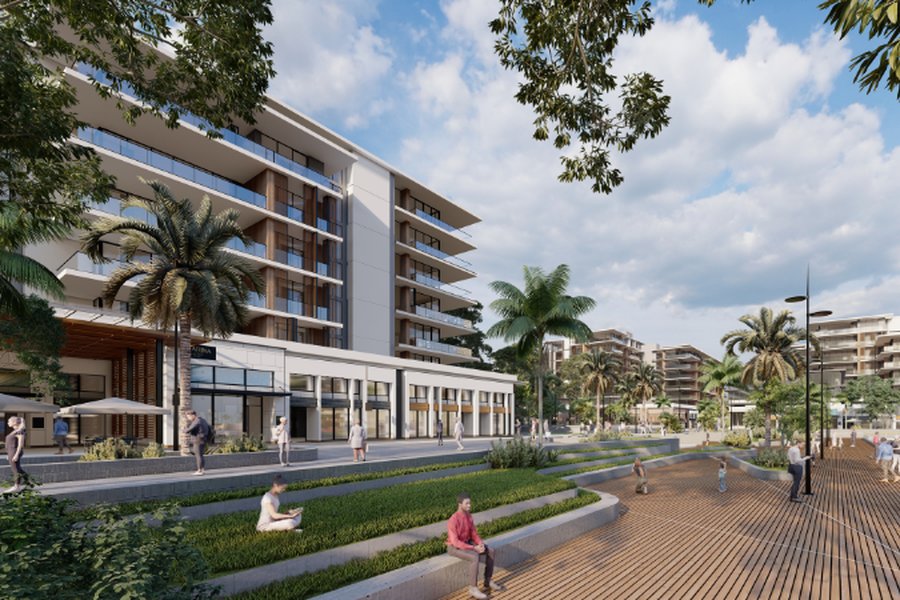
Illustrating modern design and strategic property development trends in real estate.
Content Distribution and Consistency
Once your content is created, promote it strategically across various platforms. Your website's blog should be the central hub for in-depth articles. Extend your reach by sharing content on social media platforms like Instagram, Facebook, LinkedIn, Pinterest, and even TikTok. Use relevant hashtags and geo-tags to target local audiences and industry peers. Maintain a consistent posting schedule to keep your audience engaged and improve your search engine rankings. Regularly monitor your website analytics and social media engagement metrics to understand what content resonates best with your audience and refine your strategy accordingly.
Understanding Key Performance Areas for Your Online Presence
To ensure your website and content strategy are effective, it's beneficial to visualize your performance across various key areas. This radar chart illustrates the importance and potential impact of different elements, from website functionality to content engagement, helping you prioritize your efforts for maximum return.
This radar chart provides a visual representation of crucial areas for your online real estate business. The inner polygon (Current Performance) indicates a hypothetical assessment of your current capabilities, while the outer polygon (Target Performance) illustrates the ideal state. By analyzing these dimensions, you can identify strengths and areas requiring more focus. For example, strong "Visual Appeal" and "Lead Generation" are excellent starting points, but bolstering "SEO Optimization" and "Community Engagement" could significantly broaden your reach and impact.
Understanding Your Digital Real Estate Ecosystem
A mindmap can help visualize the interconnected components of your online real estate strategy, from initial planning to ongoing content efforts and promotion. This diagram provides a structured overview of the elements necessary to build a comprehensive and effective digital presence for your development and rental portfolio.
This mindmap visually outlines the intricate connections between various aspects of building your digital presence. It starts with the overarching "Digital Real Estate Ecosystem" and branches out into the core components: Strategic Planning, Website Development, Content Creation, and Content Distribution & Engagement. Each branch further subdivides into specific elements, illustrating how defining your goals impacts your platform choice, which in turn influences the features you prioritize and the types of content you create. This holistic view helps ensure no critical area is overlooked in your journey to establish a strong online footprint.
Empowering Your Journey: A Look at Building a Rental Portfolio
While building a website and creating compelling content are vital, understanding the foundational principles of growing your rental portfolio adds immense value to your overall strategy. The video below offers practical insights into expanding your portfolio, complementing your online efforts by informing the depth and relevance of your content. By leveraging strategies for portfolio growth, you can enrich your website with valuable educational content for potential investors and provide current tenants with a sense of your long-term commitment to quality properties.
This video, titled "Revealing My $1m Real Estate Portfolio | 25 Years Old," showcases a personal journey of building a significant real estate portfolio. While the video focuses on a specific individual's experience, its relevance to your business lies in its demonstration of what's achievable in real estate investment and development. Content like this can inspire and educate your audience, particularly investors, about the potential for growth and diversification in rental portfolios. It provides concrete examples and a relatable narrative that you can draw upon when creating your own market insights, success stories, and investment-focused blog posts.
Frequently Asked Questions
What is the most crucial first step in building a real estate website?
How often should I post new content on my website and social media?
What type of visuals should I prioritize for my property listings?
Should my website include features for current tenants?
How important is mobile responsiveness for a real estate website?
Conclusion
Building a successful online presence for your development and rental portfolio is a strategic endeavor that combines a robust, user-friendly website with a dynamic and valuable content strategy. By meticulously planning your site's purpose and target audience, you lay a solid foundation. Implementing essential features like comprehensive property listings, advanced search functions, and interactive maps ensures a compelling user experience. Furthermore, a consistent content creation plan—encompassing property showcases, market insights, and tenant/landlord resources—will not only attract but also engage your audience, establish your brand authority, and drive business growth. Integrating visual elements, optimizing for search engines, and promoting content across diverse platforms will amplify your reach and solidify your position in the competitive real estate market. The synergy between a well-designed website and a rich content library will ultimately transform your online presence into a powerful asset for your development and rental portfolio.
Recommended Further Exploration
- Explore the best website builders specifically designed for real estate rental portfolios.
- Uncover advanced SEO strategies to boost the visibility of your real estate development projects.
- Discover innovative video content ideas to enhance your property management marketing efforts.
- Learn how to effectively leverage local community guides to deepen engagement with your real estate properties.