
Beyond Touch and Sight: Why Your Reality Is More Than Just Physical
Unpacking the virtual and digital layers that shape our existence and challenge our influence.
For millennia, human understanding of reality has been anchored in the tangible world—what we can perceive through our five senses. Yet, this physical experience, while fundamental, represents only a fraction of the complex tapestry that constitutes human reality. Layers of abstract, non-physical constructs have always co-existed with our material world, shaping our societies and interactions. Now, a powerful new digital layer is rapidly emerging, overlaying and even dominating our experiences, raising critical questions about the nature of reality and our ability to shape it.
Highlights: Understanding Our Layered Reality
- Reality Extends Beyond the Physical: Philosophical concepts, mental states, and shared social constructs demonstrate that human reality has always incorporated non-physical dimensions.
- The Historical Virtual Substrate: For centuries, abstract entities like nations, religions, and corporations formed a virtual layer, largely shaped and influenced through collective human action, often via democratic processes.
- The Dominant Digital Layer & Diminished Influence: A new, pervasive digital substrate (internet, AI, virtual worlds) is reshaping existence, but unlike its historical predecessor, it's often controlled by forces less susceptible to democratic influence.
The Incompleteness of the Physical World
Why What You See Isn't All There Is
Our lived experience is deeply rooted in the physical environment. However, confining human reality solely to the material world provides an incomplete picture. Philosophical traditions have long recognized dimensions beyond the purely physical.
Philosophical Perspectives on Non-Physical Reality
Thinkers like Plato proposed a realm of ideal Forms existing beyond our sensory perception. Metaphysics, as a branch of philosophy, systematically explores the nature of being, existence, causality, and consciousness, venturing beyond empirical observation. These inquiries suggest that reality encompasses abstract principles, values, and norms—ideas about how things *should* be, not just how they physically *are*. Concepts like justice, rights, and societal values, while having real-world consequences, are not tangible objects but powerful non-physical components of our reality.
The Power of the Mind
Furthermore, our internal landscape—our thoughts, beliefs, and consciousness—actively shapes our experience of reality. Research indicates that our mindset can influence our health, behavior, and even our perception of the physical world. This interplay between mind and matter underscores that human reality is not just an external phenomenon but is also significantly constructed internally.
The Longstanding Virtual Substrate: Society's Unseen Framework
Nations, Religions, and Companies as Shared Constructs
Long before the digital age, humanity operated within complex "virtual substrates"—shared systems of beliefs, rules, and social structures that overlay the physical world. These are not physical entities themselves but conceptual frameworks that organize collective life and have tangible effects.
- Nations: More than just geographical territories, nations exist as imagined communities bound by laws, shared identity, symbols, and governance structures.
- Religions: These provide moral frameworks, rituals, and belief systems that guide behavior and shape cultures, often transcending physical locations.
- Corporations and Economies: Companies represent legal and economic agreements, while financial systems operate on abstract concepts like currency value, credit, and market confidence, maintained by trust and regulation.
Shaping the Virtual Through Democracy
Crucially, humans developed mechanisms to collectively influence and shape these virtual substrates. Democracy, in its various forms, emerged as a primary tool, allowing individuals to participate in governance, debate laws, and hold institutions accountable. Through voting, civic engagement, and public discourse, societies could adapt these abstract structures—altering national policies, reforming religious practices, or regulating corporate behavior. While imperfect, democratic processes provided a vital avenue for human agency within this non-physical layer of reality.
The Digital Dawn: A New, Dominant Layer of Reality
The Internet, AI, and Virtual Worlds Transforming Existence
The 21st century is witnessing the rapid ascent of a fundamentally new layer: the digital substrate. Built upon the internet, mobile computing, artificial intelligence (AI), social media platforms, blockchain networks, and increasingly immersive virtual and augmented reality (VR/AR) environments, this layer operates on principles distinct from both the physical world and the historical virtual substrate.
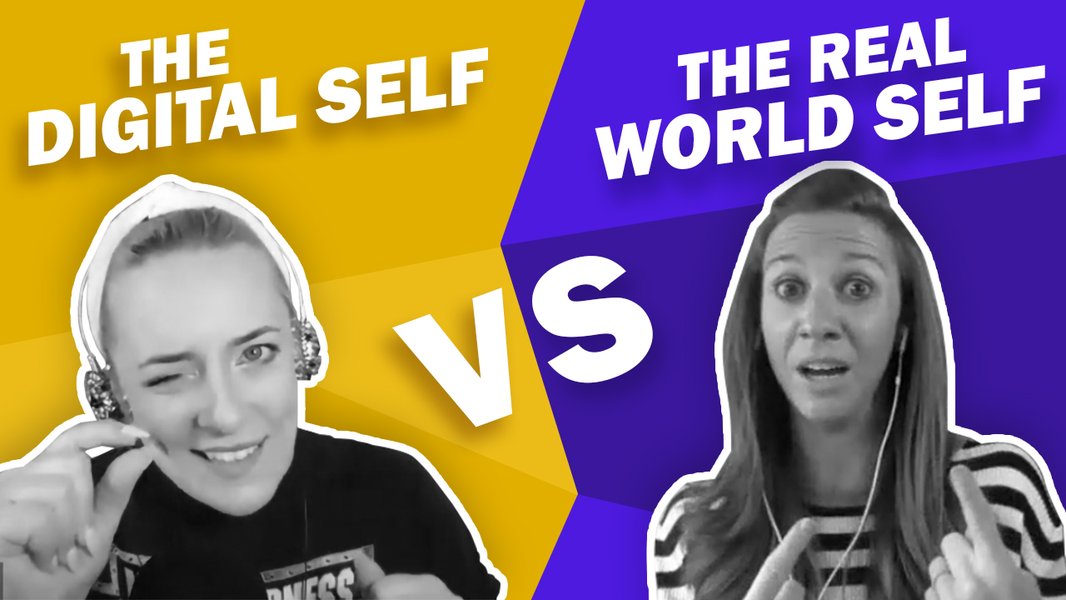
The digital layer increasingly intertwines with, and influences, our physical lives.
Characteristics of the Digital Substrate
This digital realm transcends geographical boundaries, enabling the formation of global virtual communities, decentralized organizations (DAOs), and digital economies operating partly outside traditional frameworks. It allows for the creation of persistent online identities or "virtual selves" that can differ from physical personas. Experiences within digital environments, such as the metaverse or sophisticated simulations, are becoming increasingly realistic and have been shown to influence real-world behavior, attitudes, and social interactions.
Visualizing the Layers of Reality
Understanding these distinct but interacting layers is crucial. The following mindmap illustrates the progression from the physical to the historical virtual substrate, and now to the emerging digital substrate, highlighting the associated challenges:
(Collective Influence)"] id3["Emerging Digital Substrate"] id3a["Internet & Networks"] id3b["AI & Algorithms"] id3c["Social Media Platforms"] id3d["VR / AR / Metaverse"] id3e["Digital Economies (Crypto, NFTs)"] id3f["Challenges to Influence"] id3f1["Corporate Control"] id3f2["Lack of Transparency"] id3f3["Algorithmic Governance"] id3f4["Digital Divide"] id3f5["Weakened Democratic Oversight"]
The Growing Gap: Influence in the Digital Age
Why We Have Less Control Over the New Reality
A critical distinction emerges when comparing the historical virtual substrate with the new digital one: the level of democratic influence. While traditional systems like nations and corporations were, to varying degrees, subject to public pressure and democratic regulation, the digital substrate presents formidable challenges to collective control.
Concentrated Power and Lack of Transparency
Much of the digital infrastructure—search engines, social media platforms, cloud services—is owned and operated by a small number of powerful tech corporations. These entities often function globally, sometimes beyond the effective reach of national regulations. Their algorithms shape information flow, social interactions, and even economic opportunities in ways that are frequently opaque and not subject to direct democratic oversight. Users often have limited agency, acting more as consumers within predefined systems rather than active participants shaping the rules.
Algorithmic Governance and Data Control
Decision-making within the digital substrate is increasingly automated through algorithms. These systems, while efficient, can perpetuate biases, spread misinformation, and influence behavior without clear accountability. Furthermore, the vast amounts of data generated within this layer become a source of power, controlled by platforms and potentially used in ways that citizens cannot easily monitor or contest.
The Digital Divide and Inequality
Access to and understanding of digital technologies are unevenly distributed. This "digital divide" means that the ability to participate in, benefit from, and influence the digital substrate is unequal, potentially exacerbating existing social and economic disparities.
Comparing the Substrates: A Shift in Dynamics
The following table summarizes key differences between the historical virtual substrate and the emerging digital substrate, highlighting the shift in influence and control:
| Characteristic | Historical Virtual Substrate | Emerging Digital Substrate |
|---|---|---|
| Basis | Shared beliefs, laws, social contracts, imagined communities | Code, networks, data, algorithms, platforms, virtual environments |
| Key Entities | Nations, states, religions, traditional corporations, NGOs | Tech giants, platform monopolies, DAOs, virtual communities, AI systems |
| Primary Influence Mechanism | Democracy (voting, civic action), social movements, regulation | Market forces, technological innovation, platform terms of service, algorithmic curation |
| Locus of Control | Often distributed (though unequal), subject to national/local governance | Often centralized (platform owners), transnational, less regulated |
| Transparency | Variable, but often with mechanisms for public scrutiny (e.g., free press, elections) | Often low ('black box' algorithms), opaque data practices |
| Geographic Link | Strongly linked to physical territory and location | Largely transcends physical geography |
Mapping Influence Across Realities
This radar chart visually contrasts key factors across the different layers of reality, illustrating the shift in dynamics, particularly concerning democratic control and corporate power:
As the chart suggests, while democratic control and transparency were moderately present in shaping the historical virtual substrate, these factors appear significantly diminished in the emerging digital layer, where corporate power seems more pronounced and geographic boundaries less relevant.
Blurring Boundaries: Digital Experiences, Real-World Consequences
How Virtual Interactions Shape Physical Lives
The digital substrate is not merely a separate realm; it actively interacts with and influences our physical reality. Experiences in virtual environments can alter subsequent real-world behaviors, social attitudes, and even cognitive processes. Online identities shape offline interactions, and information encountered digitally impacts political views and consumer choices. The lines are blurring, creating a hybrid reality where the digital and physical are increasingly intertwined.
Exploring the nature of reality itself becomes more complex as digital layers intertwine with our physical perception.
This merging raises profound questions about the nature of experience, identity, and reality itself. As technologies like the metaverse promise even more immersive digital existences, understanding their impact on our perception of reality and our agency within it becomes paramount.
Urgent Challenges and the Path Forward
Navigating a Reality Dominated by the Digital
The rise of the digital substrate presents significant challenges that require urgent attention. If human reality now encompasses this powerful digital layer, yet our ability to democratically shape it is diminished, we risk living in a reality increasingly defined by unaccountable forces.
- Reasserting Democratic Values: How can principles of transparency, accountability, fairness, and participation be embedded within digital platforms and AI systems?
- Developing New Governance Models: Do we need new forms of digital citizenship or governance structures that empower users and hold platforms accountable, potentially transcending national borders?
- Bridging the Digital Divide: Ensuring equitable access and digital literacy is crucial for enabling broader participation and influence.
- Ethical Frameworks: Establishing clear ethical guidelines for AI development, data usage, and virtual environment design is essential to mitigate risks and promote human well-being.
Recognizing that our physical world is intertwined with virtual and digital layers is the first step. Addressing the governance gap and ensuring that this increasingly dominant digital substrate serves human values, rather than undermining them, is the critical task ahead. We must consciously work to extend democratic principles and human agency into this new dimension of our collective reality.
Frequently Asked Questions
What is a 'virtual substrate'?
A virtual substrate refers to the non-physical, conceptual frameworks that structure human society and interaction, overlaying the physical world. Examples include systems of governance (like nations), shared belief systems (like religions), and economic structures (like corporations and markets). These exist through shared agreements, laws, norms, and collective imagination rather than being tangible objects.
How does the 'digital substrate' differ from the historical 'virtual substrate'?
While both are non-physical, the digital substrate is built on digital technologies (internet, code, AI, data) and operates differently. It often transcends geography, can be controlled by private global corporations, operates with algorithmic decision-making, and can offer more immersive experiences (VR/AR). The historical virtual substrate was more closely tied to physical locations and often more amenable to influence through traditional democratic processes within nations or communities.
Why is democratic influence weaker in the digital substrate?
Several factors contribute: 1) Control is often concentrated in a few large, global tech companies. 2) Operations are complex and lack transparency (e.g., algorithms). 3) Traditional national regulations struggle to keep pace and apply globally. 4) Algorithmic governance and data control create new forms of power less subject to public oversight. 5) The digital divide limits equal participation.
What are the main risks of this shift?
Risks include erosion of democratic accountability, increased social and economic inequality due to the digital divide, manipulation through misinformation and opaque algorithms, loss of privacy, fragmentation of social cohesion, and the potential for human experience to be increasingly mediated and controlled by unaccountable corporate or state actors.
Recommended Reading & Exploration
- How do virtual reality experiences change real-world behavior?
- What are the challenges of governing global digital platforms?
- Explore the concept of algorithmic governance and its impact on democracy.
- Investigate philosophical ideas about consciousness and reality beyond the physical.
References

Last updated May 5, 2025