
Why People Engage in Cave Exploring Despite the Risks and Perceived Lack of Excitement
Unveiling the Hidden Motivations and Rewards of Cave Exploration
Key Takeaways
- Adventure and Thrill: The allure of exploring uncharted territories and experiencing the unknown fuels the passion for caving.
- Scientific Discovery: Caves serve as natural laboratories, offering invaluable opportunities for geological, biological, and archaeological research.
- Physical and Mental Benefits: Caving promotes physical fitness, mental resilience, and the development of problem-solving skills.
Adventure and Thrill
Embracing the Unknown
Cave exploring, or caving, is inherently an adventurous endeavor. The excitement of venturing into uncharted and mysterious underground passages provides a unique thrill that is hard to replicate in other activities. The sense of discovery that comes from uncovering hidden chambers, unknown geological formations, or previously undetected water systems satisfies a deep-seated human desire for exploration.
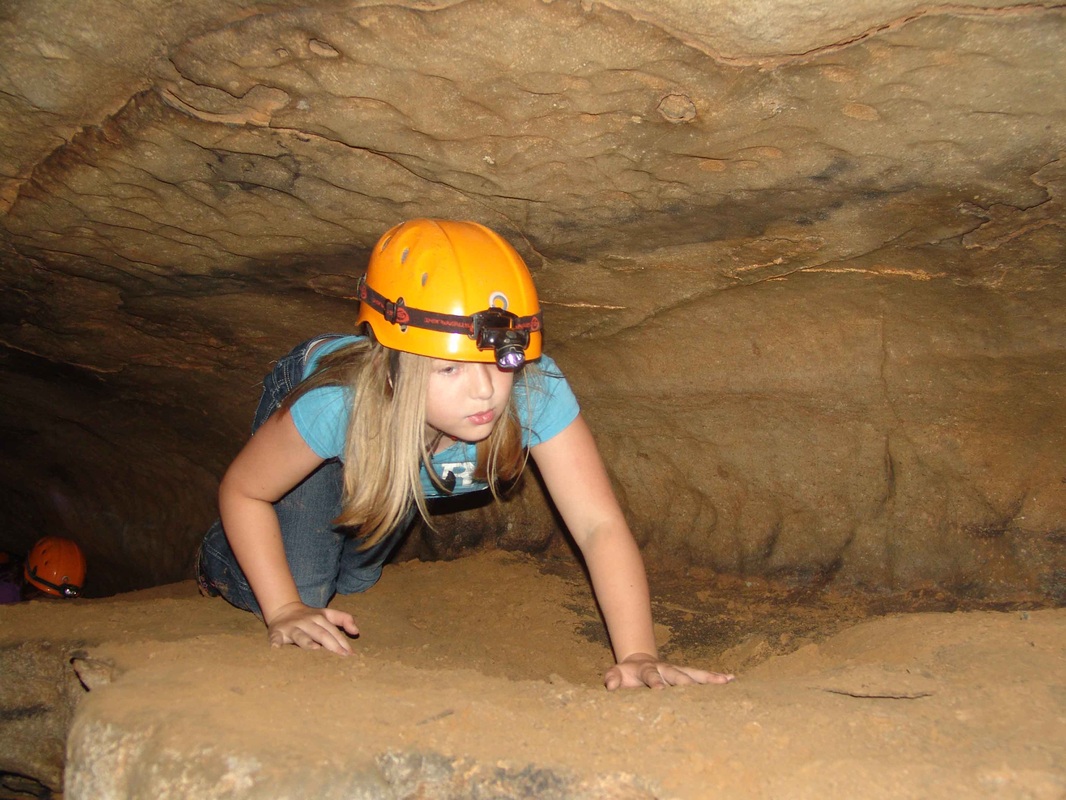
Moreover, the adrenaline rush associated with navigating through tight, dark passages, scaling vertical shafts, and overcoming natural obstacles adds an element of excitement and risk that many find exhilarating. This combination of physical challenge and the unknown creates an addictive allure, drawing enthusiasts back time and again despite the inherent dangers.
Adrenaline and Accomplishment
The physical demands of caving, such as climbing, crawling, and wading through water, not only provide a robust workout but also trigger the release of endorphins. These natural feel-good chemicals contribute to a sense of euphoria and accomplishment upon successfully navigating challenging sections of a cave. The mastery over such demanding environments fosters a profound sense of achievement and boosts self-esteem.
Scientific Discovery and Research
Natural Laboratories
Caves are often referred to as natural laboratories due to their ability to preserve geological, biological, and archaeological records over millions of years. This unique preservation makes caves invaluable for scientists seeking to understand Earth's history, climate changes, and the evolution of life. By studying cave formations like stalactites and stalagmites, researchers can gain insights into past climatic conditions, as the growth patterns and chemical compositions of these formations are influenced by historical environmental factors.
Biodiversity and New Species
The isolated and extreme environments of caves harbor unique ecosystems that support a variety of specialized organisms. Many cave-dwelling species exhibit remarkable adaptations, such as loss of pigmentation and eyesight, and enhanced non-visual senses. Cavers often discover new species of insects, bacteria, and other microorganisms, contributing to the broader understanding of biodiversity and evolutionary biology.
Archaeological and Paleontological Insights
Caves have historically served as shelters for early humans and are rich repositories of archaeological artifacts. Discoveries of ancient tools, cave paintings, and human remains provide valuable information about early human societies, their lifestyles, and migrations. Additionally, caves can contain well-preserved fossils that offer clues about prehistoric life and environmental conditions, further enriching our knowledge of Earth's past.
Physical Challenge and Fitness
Full-Body Workout
Cave exploring demands a diverse range of physical activities, including climbing, crawling, squeezing through narrow passages, and navigating uneven terrains. These movements engage multiple muscle groups, enhancing strength, endurance, balance, and flexibility. Unlike traditional forms of exercise, caving provides an all-encompassing workout that is both physically stimulating and enjoyable.
Cardiovascular Health
The sustained physical exertion required in caving improves cardiovascular fitness. Activities such as ascending vertical shafts, wading through subterranean streams, and traversing long distances on foot elevate the heart rate, promoting better heart health and increased stamina. Regular caving expeditions can contribute to long-term cardiovascular benefits and overall physical well-being.
Endurance and Resilience
The challenging nature of caving builds both physical and mental endurance. Cavers often face physically taxing conditions for extended periods, which enhances their ability to withstand fatigue and discomfort. This resilience not only benefits their caving endeavors but also translates into other areas of life, promoting a general sense of perseverance and strength.
Mental Stimulation and Personal Growth
Problem-Solving and Strategy
Navigating complex cave systems requires keen problem-solving skills and strategic thinking. Cavers must assess risks, plan routes, and adapt to unexpected challenges such as sudden obstacles or changes in the environment. This intellectual engagement fosters critical thinking and enhances cognitive abilities, making caving a mentally stimulating activity.
Overcoming Fears and Building Confidence
Caving often involves confronting and overcoming fears, such as claustrophobia or fear of darkness. Successfully navigating these challenges builds confidence and self-esteem, empowering individuals to tackle other fears and obstacles in their lives. This personal growth aspect is a significant motivator for many cavers, providing a sense of achievement and fulfillment.
Stress Relief and Mindfulness
The immersive and solitary nature of caving offers a form of escapism from the stresses of everyday life. The focus required to navigate through caves encourages mindfulness, allowing individuals to be present in the moment and disconnect from external pressures. This mental reset promotes relaxation, reduces stress levels, and enhances overall mental health.
Connection with Nature and Unique Experiences
Subterranean Beauty
Caves are home to some of the most extraordinary and otherworldly natural formations. Stalactites, stalagmites, flowstones, and underground rivers create stunning visual landscapes that are rarely seen on the Earth's surface. The awe-inspiring beauty of these formations captivates cavers, offering a profound appreciation for the natural world's hidden wonders.
Sensory Engagement
The subterranean environment engages all the senses in unique ways. The cool, damp air, the sound of dripping water, the tactile sensation of rocky surfaces, and the complete darkness create an immersive sensory experience. This heightened sensory engagement enhances the overall experience, making caving a deeply engaging and memorable activity.
Unique Ecosystems
Caves harbor specialized ecosystems that are vastly different from surface environments. The presence of unique flora and fauna, such as blind salamanders and bioluminescent fungi, offers cavers the opportunity to witness and study life forms that have adapted to extreme conditions. This exposure fosters a greater appreciation for biodiversity and the resilience of life in challenging environments.
Community and Camaraderie
Teamwork and Collaboration
Caving often requires teamwork and collaboration, especially in complex or challenging cave systems. Working together to navigate, set up safety protocols, and support each other during expeditions fosters strong bonds among participants. This cooperative spirit enhances the overall experience and creates a sense of unity and shared purpose.
Lifelong Friendships
The unique and intense experiences shared during caving trips often lead to the formation of lifelong friendships. The mutual trust and reliance developed in the face of subterranean challenges create deep personal connections that extend beyond the caving community. These relationships contribute to a supportive and welcoming network of like-minded individuals.
Shared Passion and Subculture
Caving enthusiasts often identify with a distinct subculture that values exploration, conservation, and respect for natural environments. This shared passion creates a strong sense of belonging and identity within the community. The camaraderie and mutual respect fostered in this subculture encourage members to support one another and collaborate on conservation and research efforts.
Environmental Stewardship and Conservation
Preservation of Fragile Ecosystems
Caves are delicate ecosystems that are highly susceptible to human impact. Cavers play a crucial role in preserving these environments by adhering to best practices that minimize disturbance. Their efforts contribute to the conservation of pristine environments, protecting them from pollution, vandalism, and other forms of degradation.
Advocacy and Awareness
Many cavers are actively involved in advocacy and educational initiatives aimed at raising awareness about the importance of cave conservation. By participating in research, documenting cave conditions, and engaging with the broader community, cavers help promote the protection of these natural resources. Their work ensures that caves remain preserved for future generations to study and enjoy.
Contribution to Scientific Research
Through their explorations and scientific endeavors, cavers contribute valuable data that inform conservation strategies. Their findings can lead to improved management practices, policy development, and the establishment of protected areas. This collaborative effort between cavers and scientists enhances the overall understanding and preservation of subterranean environments.
Personal Fulfillment and Achievement
Sense of Accomplishment
Navigating the complexities of cave systems and overcoming the challenges they present provides a profound sense of accomplishment. Successfully exploring a challenging cave section or contributing to scientific discoveries instills a feeling of achievement and purpose. This personal fulfillment drives individuals to continue their caving pursuits and strive for further accomplishments.
Legacy and Contribution
Many cavers are motivated by the desire to leave a lasting legacy through their contributions to exploration and science. By mapping uncharted caves, discovering new species, or aiding in the preservation of fragile ecosystems, cavers ensure that their efforts have a meaningful and enduring impact. This sense of contributing to a greater good adds depth and significance to their endeavors.
Educational Value
Hands-On Learning
Cave exploring offers unparalleled educational opportunities, allowing individuals to engage directly with geological formations, hydrological systems, and unique biological ecosystems. This hands-on experience enhances the understanding of earth sciences and environmental studies, providing practical knowledge that complements theoretical learning.
Development of Specialized Skills
Through caving, individuals acquire a range of specialized skills, including map reading, navigation, first aid, and emergency response. These competencies are not only essential for safe exploration but also add valuable skills that can be applied in various other contexts, both personal and professional.
Unique Senses and Experiences
Immersive Sensory Environment
Caves offer a sensory experience that is distinct from any other outdoor activity. The interplay of light and darkness, the sounds of water dripping, and the tactile sensation of rock surfaces create an immersive environment that stimulates the senses in unique ways. This deep sensory engagement enhances the overall experience, making caving a profoundly memorable activity.
Spiritual and Meditative Qualities
The serene and isolated nature of caves can evoke a sense of spirituality and introspection. The quiet and stillness promote a meditative state, allowing individuals to connect with their inner selves and find peace away from the distractions of the surface world. This spiritual aspect adds another layer of depth to the caving experience, offering mental and emotional benefits.
Safety and Risk Management
Preparation and Training
While caving does involve inherent risks, experienced cavers emphasize that these dangers can be mitigated through proper preparation, training, and adherence to safety protocols. Comprehensive training programs teach essential skills such as rope handling, navigation, emergency response, and equipment usage, ensuring that cavers are well-prepared to handle the challenges they may encounter.
Use of Safety Equipment
The use of specialized safety equipment, including helmets, headlamps, protective clothing, ropes, and harnesses, plays a critical role in ensuring the safety of cavers. Modern advancements in caving gear have significantly reduced the risks associated with cave exploration, allowing enthusiasts to navigate challenging environments with greater confidence and security.
Risk Assessment and Management
Cavers are trained to conduct thorough risk assessments before embarking on expeditions. This involves evaluating potential hazards, planning appropriate routes, and establishing contingency plans for emergencies. Effective risk management practices contribute to safer caving experiences, enabling participants to enjoy the activity while minimizing the likelihood of accidents.
Conclusion
Cave exploring is a multifaceted activity that offers a blend of adventure, scientific discovery, personal growth, and a deep connection with nature. Despite the inherent dangers, the rewards of caving—ranging from physical and mental benefits to the thrill of exploration and the satisfaction of contributing to scientific and conservation efforts—make it a compelling pursuit for many individuals. The sense of accomplishment, the beauty of subterranean landscapes, and the camaraderie within the caving community further enhance the appeal, ensuring that cave exploration remains a cherished and enduring activity.
References
Last updated January 23, 2025