
Drafting a Motion for Reconsideration in Reckless Imprudence Homicide Cases
Navigating Legal Challenges in Vehicle-Related Criminal Incidents
Key Highlights from the Case Analysis
- Critical Legal Thresholds: Understand that reckless imprudence resulting in homicide requires proving beyond reasonable doubt that the driver's actions, such as overtaking, directly led to the fatal incident, potentially influenced by factors like expired vehicle registration.
- Supreme Court Precedents: Landmark cases like Grady v. Corbin and Cichos v. Indiana emphasize that subsequent prosecutions for more severe charges may be barred if initial rulings establish key facts, which could form the basis for reconsideration in your scenario.
- Strategic Motion Elements: A motion for reconsideration must highlight evident errors in fact or law, such as the victim's left turn as an intervening cause, while addressing defenses related to vehicle registration to argue against criminal liability.
In the realm of criminal law, particularly cases involving reckless imprudence resulting in homicide, the intersection of driver behavior, unforeseen events, and procedural oversights can significantly impact judicial outcomes. This response delves into crafting a motion for reconsideration based on the specific scenario you described: an accused driver overtaking another vehicle when the victim suddenly turned left, leading to a collision, compounded by the fact that the accused's vehicle had an expired registration. Drawing from established legal principles and Supreme Court jurisprudence, we will explore how to structure such a motion effectively.
To begin, it's essential to grasp the foundational elements of reckless imprudence under Philippine law, as referenced in sources like Article 365 of the Revised Penal Code. Reckless imprudence is not a standalone crime but is determined by the consequences of negligent acts. In your case, the overtaking maneuver, combined with the victim's actions and the expired registration, raises questions about causation, foreseeability, and potential defenses. Courts have consistently ruled that for criminal liability to attach, the negligence must be the proximate cause of the harm, as seen in cases like G.R. No. 210816, where negligence must be proven beyond reasonable doubt.
Understanding Motions for Reconsideration in Criminal Cases
A motion for reconsideration is a post-decision filing that petitions the court to revisit and potentially reverse or modify a ruling based on errors of fact or law. According to sources such as the one from womenslaw.org, this motion is common in post-trial proceedings and must specify the exact aspects of the decision being challenged. In your scenario, the motion could argue that the court overlooked intervening causes, such as the victim's left turn, which might break the chain of causation from the accused's overtaking.
Historically, Philippine courts have allowed such motions when new evidence or misapplications of law are evident. For instance, in DOJ-related cases like the denial of a motion in the Richard Gutierrez case, the focus was on whether the initial dismissal was justified. Here, you could leverage jurisprudence from the Supreme Court, such as in G.R. No. 240337, which discusses complex crimes arising from reckless acts. The motion should assert that the accused's overtaking, while potentially negligent, was not the sole or primary cause if the victim's actions were unforeseeable and contributed directly to the accident.
The Role of Expired Registration in Establishing Recklessness
The expired registration of the accused's vehicle adds a layer of complexity, as it could be interpreted as evidence of negligence under traffic laws. However, Supreme Court decisions like Kansas v. Glover indicate that minor infractions like expired registration might not independently constitute recklessness unless directly linked to the accident. In your motion, emphasize that while this violation exists, it does not automatically equate to the mens rea required for reckless imprudence resulting in homicide. Cases such as Navarette v. California highlight the need for reasonable suspicion beyond mere traffic violations, suggesting that the court might have erred in weighing this factor disproportionately.
Furthermore, U.S. precedents like Grady v. Corbin (495 U.S. 508) are instructive, as they prevent double jeopardy by barring subsequent prosecutions if core facts were already litigated. Although this is a Philippine context, similar principles apply, allowing you to argue that the initial ruling failed to adequately consider the expired registration as a peripheral issue rather than a central one. This could be pivotal in your motion, positioning it as an error in law that warrants reconsideration.
Legal Basis and Supreme Court Jurisprudence
Drawing from key Supreme Court cases, the motion should cite authorities that address reckless driving and intervening causes. For example, in Seibert v. State, the court reversed a reckless homicide conviction when driver behavior was not the direct cause, emphasizing the need to evaluate all contributing factors. In your case, the victim's left turn could be framed as an intervening act, potentially absolving or mitigating the accused's liability.
Another relevant case is State v. Tucker, which deals with proximate cause in vehicular deaths. The motion could argue that the accused's overtaking was not reckless per se, especially if road conditions or the victim's sudden maneuver made the accident unavoidable. Additionally, Borden v. United States underscores that recklessness involves a conscious disregard of substantial risk, which might not apply if the overtaking was standard and the expired registration was an unrelated administrative lapse.
Crafting the Motion: Step-by-Step Guide
To draft an effective motion, start with a clear statement of the grounds for reconsideration, such as manifest errors in the court's findings. The structure should include:
- An introduction outlining the original case details and the specific ruling being challenged.
- A body section detailing the legal errors, supported by citations like G.R. No. 210816, which requires negligence to be proven beyond reasonable doubt.
- A conclusion requesting the court to set aside the decision and dismiss or reduce charges.
Incorporate arguments from eCodal and other sources that discuss motions for reconsideration in similar contexts, ensuring the language is formal and evidence-based. For instance, reference the sample motion from the Philippine National Police sources to format your document properly.
Comparative Analysis of Key Supreme Court Cases
To provide a structured overview, the following table summarizes relevant Supreme Court cases that could bolster your motion. This table highlights how courts have interpreted reckless imprudence and intervening causes, helping to illustrate potential defenses based on causation and negligence standards.
| Case Name | Key Holding | Relevance to Your Scenario |
|---|---|---|
| Grady v. Corbin (495 U.S. 508) | Prohibits subsequent prosecutions if facts were already litigated, emphasizing double jeopardy protections. | Argue that the initial trial covered core facts like overtaking, preventing escalation of charges due to expired registration. |
| Cichos v. Indiana (385 U.S. 76) | Conviction for reckless homicide requires clear evidence of disregard for safety. | Use to challenge if overtaking alone constitutes recklessness when an intervening act (victim's turn) occurred. |
| Seibert v. State | Reversed conviction when driver actions were not the proximate cause of death. | Highlight the victim's left turn as the primary cause, potentially exonerating the accused. |
| State v. Tucker | Focuses on proximate result in vehicular fatalities, requiring direct linkage to negligent act. | Demonstrate that expired registration is not directly tied to the collision's outcome. |
This table underscores the importance of causation in reckless imprudence cases, providing a visual aid to strengthen your motion's arguments.
Embedded Video Insight: Understanding Motions for Reconsideration
To further enhance your understanding, the following video explains the fundamentals of a motion for reconsideration, directly relating to your need to challenge the court's decision. This resource is particularly relevant as it breaks down how such motions can address errors in fact or law, much like in your case involving reckless driving and homicide. By embedding this, we dive deeper into the procedural aspects, offering context on why filing such a motion could alter the trajectory of the accused's case.
This video, titled "What is a motion for reconsideration?", provides an engaging explanation of the process, emphasizing its role in correcting judicial oversights. In the context of your scenario, it highlights how to present arguments about intervening causes and minor infractions like expired registration, making it a crucial supplement to your legal strategy.
Visual Exploration: Accidents from Overtaking Maneuvers
Visual elements can illuminate the risks associated with overtaking, as in your case. This section features images that depict real-world scenarios of overtaking gone wrong, tying into the accused's actions and the resulting collision. These images serve as a cohesive deep dive into the dynamics of road accidents, underscoring how sudden turns by other vehicles can lead to unintended consequences, potentially supporting arguments for reconsideration.
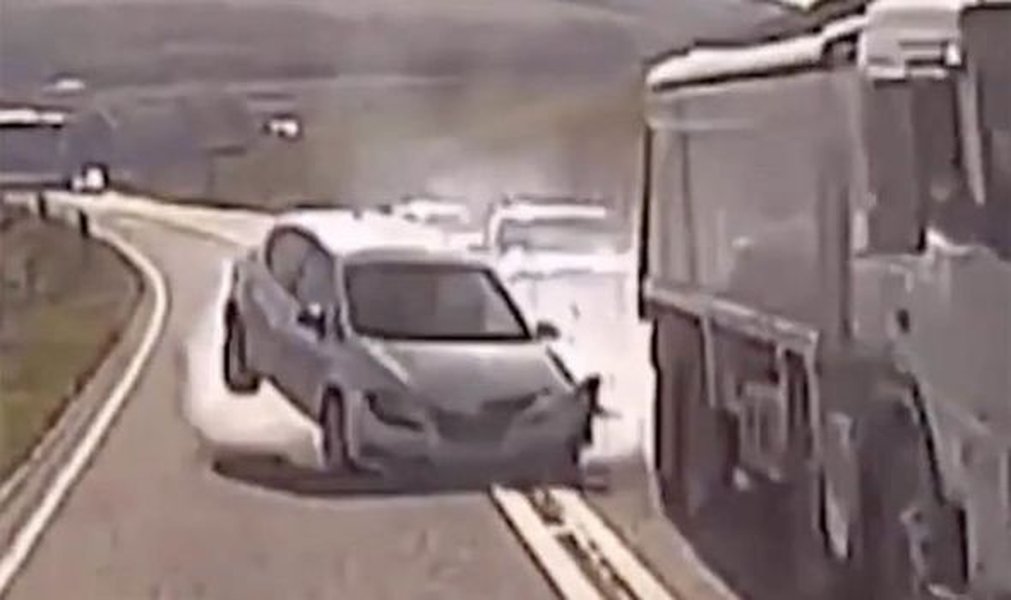
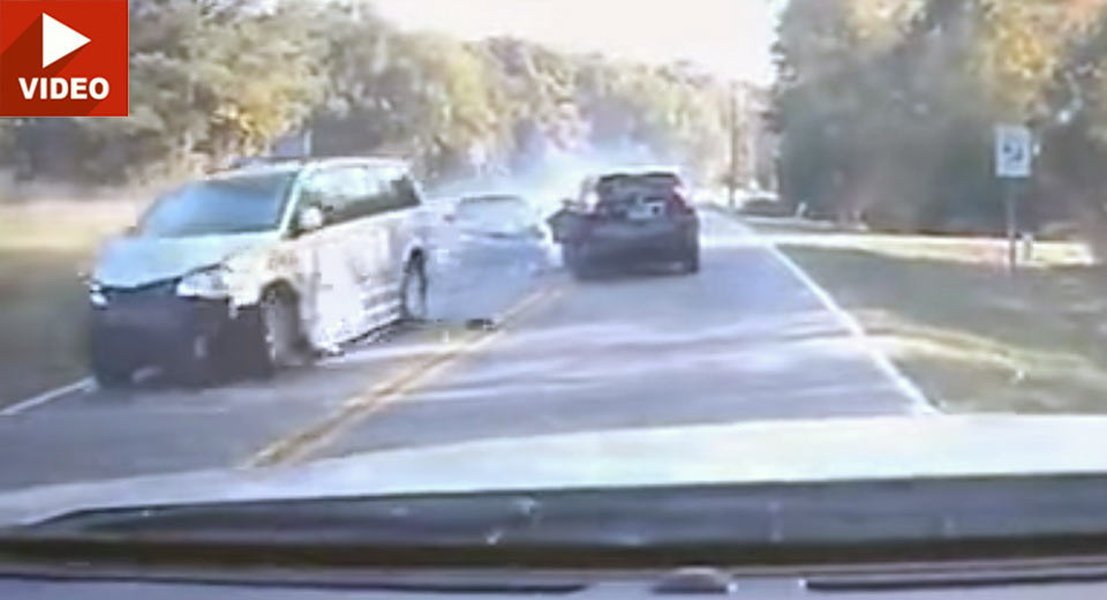
These images illustrate the chaos of overtaking maneuvers that result in head-on collisions, often due to unexpected actions like a left turn. In your motion, reference such visuals metaphorically to argue that the accused's behavior, while not ideal, was not the sole catalyst, especially with factors like expired registration playing a minimal role. This deep dive reveals how road dynamics can shift liability, reinforcing the need for courts to reconsider initial rulings based on comprehensive evidence.
Implications for Reckless Imprudence Defenses
Building on these visuals, consider how they align with legal defenses. In cases like yours, where overtaking leads to tragedy, the law often examines whether the act was reckless or merely unfortunate. Supreme Court rulings, such as those in People v. Watson, imply that malice or intent must be evident, which might not apply here, further justifying a motion for reconsideration.
Frequently Asked Questions
-
What is the time limit for filing a motion for reconsideration? Typically, you have 15 days from the receipt of the decision in Philippine courts, but always check the specific rules of the court handling your case.
-
Can an expired vehicle registration alone lead to a reckless imprudence charge? No, it is usually considered a traffic violation, not sufficient for homicide charges unless directly linked to the incident, as per cases like Kansas v. Glover.
-
How does an intervening cause affect liability in reckless driving cases? An intervening cause, like the victim's left turn, can break the chain of causation, potentially reducing or eliminating the accused's liability, based on jurisprudence from Seibert v. State.
-
Is double jeopardy a valid defense in these motions? Yes, if the initial trial covered key facts, subsequent actions could violate double jeopardy principles, as seen in Grady v. Corbin.
-
What evidence should be included in the motion? Focus on new or overlooked evidence, such as witness statements about the victim's actions, to demonstrate errors in the original ruling.
References
Last updated April 11, 2025