
Navigating Recovery: Insights on Minimally Invasive Hemorrhoid Surgery
Understanding the nuanced journey through recovery and return to daily life
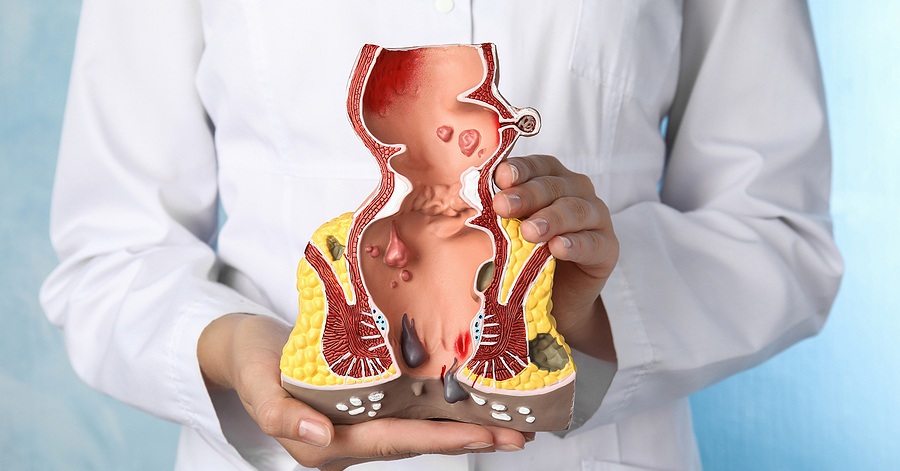
Key Highlights
- Minimized Discomfort: Most patients experience reduced pain and discomfort post-surgery.
- Expedited Recovery: The timeline for resuming daily activities is significantly shorter compared to traditional methods.
- Patient-Centered Protocol: Postoperative care emphasizes diet, pain management, and gradual return to physical activity.
Overview of Minimally Invasive Hemorrhoid Surgery
Minimally invasive hemorrhoid surgery is designed to treat hemorrhoidal issues with approaches that minimize tissue damage, resulting in less postoperative pain, reduced recovery times, and a quicker return to normal activities. By utilizing advanced techniques such as Transanal Hemorrhoidal Dearterialization (THD), Infrared Coagulation (IRC), ALTA sclerotherapy, Hemorrhoidal Artery Embolization (HAE), and other innovative procedures like the Rafaelo Procedure, healthcare professionals aim to provide an optimal balance between efficacy and patient comfort. The recovery journey following such procedures is a vital part of the treatment process, helping to restore functionality and quality of life.
Understanding the Patient Recovery Experience
Initial Postoperative Period
Immediate Aftercare and Discharge
Most patients undergoing minimally invasive procedures are discharged on the same day. The immediate postoperative period is marked by the use of tailored pain management protocols. Over-the-counter medications like acetaminophen are commonly recommended to manage mild pain, particularly during the first 24 to 48 hours. Hospitals and surgical centers focus on quick mobilization, ensuring the patient is comfortable and informed about the next steps in recovery. Many patients note that they experience significantly less pain compared to traditional hemorrhoidectomy, which involves more extensive tissue cutting.
Pain and Discomfort Management
The innovative techniques used in minimally invasive procedures inherently minimize trauma to the affected tissues. As a result, the overall pain perception is notably lower. However, it is not uncommon for patients to experience mild discomfort, particularly during bowel movements. Factors contributing to discomfort include:
- Localized swelling and inflammation.
- A sensation of fullness in the rectal area.
- Mild cramping often triggered by bowel movements.
In most cases, the pain peaks within the first day and gradually subsides over a period ranging from 2 to 4 weeks. A combination of non-prescription and sometimes mild prescription medications can efficiently manage these symptoms. Additionally, several patients benefit from sitz baths, which involve soaking the affected area in warm water several times a day. This not only soothes the discomfort but also promotes circulation and healing.
Activity Levels and Gradual Resumption of Daily Routines
Short-Term Activity Guidelines
One of the key advantages of minimally invasive hemorrhoid surgery is the early resumption of daily activities. Patients are typically advised to avoid strenuous activities, such as heavy lifting or intense exercise, for at least one to two weeks following the procedure. However, light activities, including gentle walking and basic household tasks, can usually be resumed within a few days. This accelerated timeline significantly enhances the overall quality of life, reducing the need for prolonged bed rest.
Long-Term Recovery and Return to Normalcy
As recovery progresses, most individuals report that their symptoms diminish steadily, allowing them to return to their usual routines within a span of 2 to 4 weeks. However, it is imperative for patients to follow their surgeon’s instructions regarding physical activity and to maintain follow-up appointments to ensure optimal healing. During these follow-ups, physicians assess healing progress and address any complications, which, although rare, can sometimes occur if post-operative instructions are not adhered to.
Dietary and Lifestyle Adjustments During Recovery
Nutritional Considerations
A high-fiber diet is routinely recommended to ease bowel movements and prevent constipation, which can be particularly painful during the recovery phase. Patients are encouraged to consume foods rich in fiber—such as whole grains, fruits, and vegetables—and to stay adequately hydrated. This dietary regimen not only supports digestive health but also reduces the risk of further aggravation of the hemorrhoidal area during healing.
Additionally, healthcare providers may suggest the use of stool softeners, particularly during the first few days following surgery, to facilitate smoother bowel movements. A diet that minimizes the strain on the digestive system invariably contributes to a smoother and more comfortable recovery.
Lifestyle Modifications and Supportive Measures
Beyond nutritional adjustments, adopting certain lifestyle changes can further optimize recovery. For instance, patients are advised to:
- Avoid prolonged sitting or standing to prevent unnecessary pressure on the affected area; using specialized cushions can be beneficial.
- Practice gentle physical activities that do not strain the abdominal region.
- Maintain good hygiene practices, which include regular sitz baths to promote cleanliness and soothe discomfort.
- Adhere to prescribed medications and pain management strategies as advised by their healthcare provider.
These lifestyle adjustments are key to ensuring that the healing process is as smooth and efficient as possible.
Diverse Minimally Invasive Procedures and Their Impact on Recovery
Comparison of Key Techniques
Several minimally invasive procedures are available, each with its unique recovery profile. The following table provides a detailed comparison of common techniques:
| Procedure | Key Characteristics | Recovery Time | Pain Level |
|---|---|---|---|
| Transanal Hemorrhoidal Dearterialization (THD) | Utilizes ultrasound to close blood vessels; minimal tissue cutting. | Typically 2-3 weeks with rapid initial recovery. | Low pain scores, especially on the first postoperative day. |
| Infrared Coagulation (IRC) | Uses infrared light to coagulate affected tissue. | Quick recovery, often within a few days to a week. | Minimal discomfort and low post-procedure pain. |
| ALTA Sclerotherapy | Injection-based method reducing the hemorrhoidal size. | Day procedure with mild discomfort lasting a few days. | Very low pain levels reported by patients. |
| Hemorrhoidal Artery Embolization (HAE) | A non-surgical approach that blocks blood flow to hemorrhoids. | Rapid recovery—often within days. | Minimal pain and quick return to normal activities. |
| Rafaelo Procedure | Minimally invasive with manageable post-operative pain. | Generally rapid, with many returning to normal activities swiftly. | Mild discomfort with less impact on daily functions. |
Key Components of Postoperative Care
Pain Management Strategies
Medication and Non-Medication Approaches
The management of pain following minimally invasive hemorrhoid surgery is centered on a combination of medication regimens and supportive care, which can include the following strategies:
- Over-the-Counter Medications: Agents like acetaminophen provide essential relief and are typically sufficient to control mild pain episodes.
- Mild Prescription Medications: In instances where pain is slightly more pronounced, healthcare providers might recommend gentle prescription pain relievers.
- Sitz Baths: Regular sitz baths help in alleviating discomfort, reducing local swelling, and fostering an environment conducive to healing.
- Cushion Support: Special cushions can help reduce strain when sitting, thereby minimizing the pressure on the sensitive area.
Follow-Up Care and Professional Monitoring
Importance of Postoperative Check-Ups
Regular follow-up visits with the surgeon or healthcare provider are crucial to monitor the healing process, catch any potential complications early, and revise treatment plans if necessary. During these visits, several checkpoints are addressed:
- Assessment of Healing Progress: Ensuring that inflammation, swelling, and pain are reducing as expected.
- Management of Complications: Early identification of unusual symptoms like intensified bleeding or infection, which require prompt intervention.
- Adjustments to Postoperative Instructions: Providing updated guidance on medications, activity levels, and dietary changes as needed.
This oversight by medical professionals not only guarantees that recovery remains on track but also provides reassurance to the patient throughout the process.
Patient Experiences and Variations in Recovery
Personalized Recovery Journeys
While the general recovery experience following minimally invasive hemorrhoid surgery is positive, it is important to acknowledge that the experience can vary based on individual factors such as overall health, age, severity of hemorrhoids, and adherence to postoperative care instructions. For many, the reduction in pain and quicker return to routine activities translate into higher satisfaction and improved quality of life. Conversely, individual variances are normalized within the clinical setting, with ongoing support from healthcare providers tailored to address these differences.
Patients who strictly follow their recommended care regimen—incorporating dietary changes, proper rest, and gradual increases in physical activity—tend to report more favorable outcomes. On the other hand, those who experience pre-existing health issues or complications might have a slightly more extended recovery period. Nevertheless, the core advantage of minimally invasive procedures is the overall reduction in recovery time compared to conventional surgery.
Patient Testimonials and Clinical Outcomes
A considerable number of patient testimonials underscore the efficiency of these procedures. Feedback often emphasizes:
- Noticeably less postoperative pain and discomfort.
- Ability to return to work and daily routines more quickly.
- Satisfaction with the minimized scarring and lower risk of complications.
Clinically, studies compare pain scores using tools like the Visual Analog Scale (VAS) and consistently reveal lower pain ratings on the initial days following minimally invasive procedures relative to traditional techniques. The reduced physical trauma substantiates the reported benefits, confirming that these innovative methods are indeed patient-friendly and effective.
Additional Considerations and Best Practices in Recovery
The Role of Patient Education
Comprehensive patient education is an essential component of a successful recovery process. Prior to undergoing surgery, patients are provided with detailed guidelines and potential recovery outcomes, which help set realistic expectations. Information on diet, expected pain levels, wound care, and activity measures are all structured to mitigate anxiety and empower the patient to participate actively in their post-operative care.
Postoperative Lifestyle Optimizations
In addition to immediate postoperative care, long-term lifestyle optimizations provide ongoing support for patients. Maintaining a healthful diet rich in fibers, utilizing supportive seating, and engaging in light physical activities not only enhance the healing process but also contribute to the prevention of future hemorrhoidal issues. Patients are encouraged to consult their healthcare providers for personalized advice, which may include specific exercises or modifications to daily routines to further facilitate and sustain recovery progress.
References and Further Reading
- A Patient Guide to Minimally Invasive Hemorrhoid Surgery - Gregg Shore MD
- Less Pain, Faster Recovery and Other Benefits of Minimally Invasive Hemorrhoid Surgery - Dr. Klause
- Hemorrhoid Surgery Recovery Period - Chicago Vein Institute
- Hemorrhoids Treatment - UTH Med
- Minimally Invasive Procedures for Hemorrhoids - Dr. Maher Abbas
Recommended Further Queries
Last updated March 24, 2025