
Recurrent Pneumonia in the Back of the Lung
Understanding Causes, Remedies, and Severity of Recurring Lung Infections
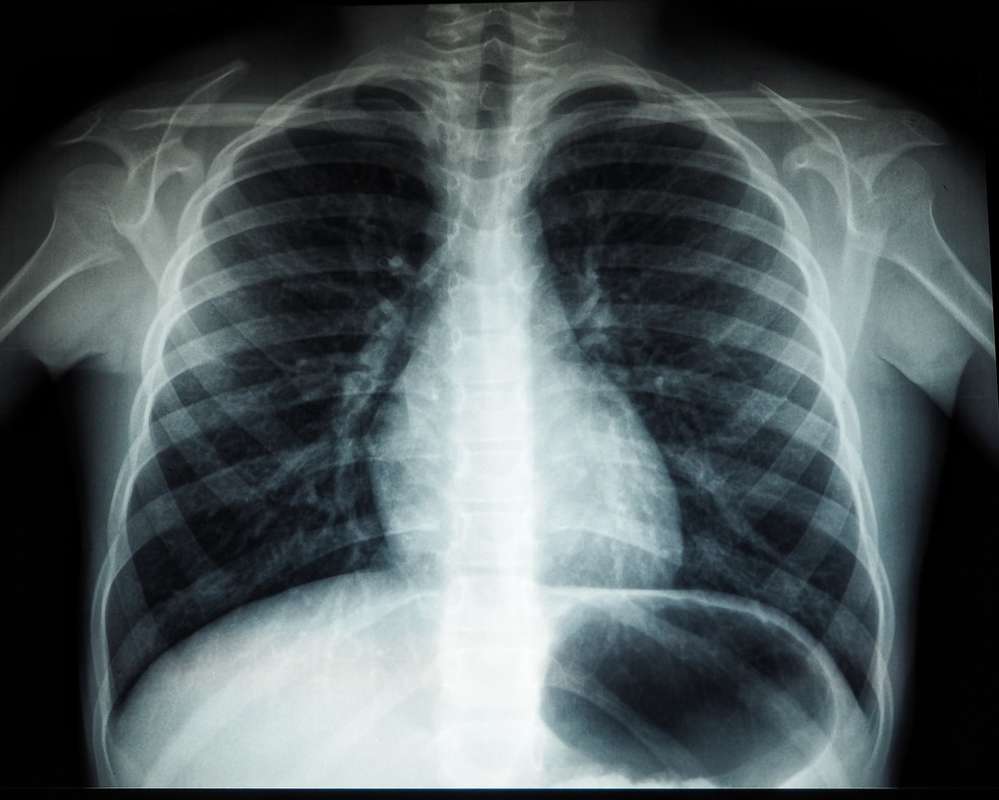
Key Highlights
- Underlying Causes: Chronic lung diseases, aspiration, anatomical defects, and immune deficiencies can all lead to recurring infections.
- Comprehensive Management: Treatment strategies include targeted medications, airway clearance techniques, lifestyle adjustments, and in some cases, surgical intervention.
- Severity and Long-Term Impact: Without proper treatment, recurrent pneumonia can lead to permanent lung damage and systemic complications.
Understanding Recurrent Pneumonia in the Back of the Lung
Recurrent pneumonia, particularly when localized in the back (posterior) areas of the lung, presents a medical challenge that necessitates careful investigation and tailored treatment. This condition refers to repeated episodes of pulmonary infection, generally defined as two or more episodes in a specific area or within a certain timeframe. The recurrence of pneumonia in these lung regions may signal underlying abnormalities in the respiratory system or other systemic issues.
Potential Causes of Recurrent Pneumonia
1. Chronic Lung Diseases
Patients with preexisting lung conditions such as Chronic Obstructive Pulmonary Disease (COPD), bronchiectasis, asthma, and cystic fibrosis are at increased risk for recurrent pneumonia. The abnormal mucus clearance associated with these conditions creates an environment conducive to persistent bacterial colonization and subsequent infection. For example, bronchiectasis, characterized by permanent dilation of the bronchial tubes, leads to mucus accumulation, enabling bacteria to thrive and cause repeated infections.
2. Aspiration
Aspiration pneumonia occurs when food, liquid, or vomit is inadvertently inhaled into the lungs. This is common in individuals with swallowing difficulties, neurological disorders, or impaired consciousness. The posterior segments of the lung are particularly vulnerable when a person lies down, allowing aspirated material to settle in the back of the lung, where it can lead to recurrent infections.
3. Structural Lung Abnormalities
Structural abnormalities such as congenital defects, tumors, or foreign bodies can obstruct airways and impair mucus clearance. Obstructions in the bronchial tree limit proper airflow and create pockets of stagnation, making it easier for infections to take hold and recur.
4. Immunodeficiency and Weakened Immune System
A compromised immune system, whether due to chronic illnesses like diabetes, HIV, or the use of immunosuppressive drugs, significantly increases the risk of recurrent lung infections. Both primary immunodeficiencies (inherited) and secondary causes (acquired) reduce the body’s ability to fend off pathogens, thus contributing to repeated episodes of pneumonia.
5. Misdiagnosis or Overlapping Conditions
Sometimes, recurrent respiratory symptoms might be attributed to pneumonia when in fact they are due to other conditions such as asthma. In such cases, the treatments may not fully address the underlying inflammation or airway hyperresponsiveness, resulting in persistent lung issues.
Support, Remedies, and Treatment Options
Successful management of recurrent pneumonia involves a multi-faceted approach that not only targets the infection but also addresses the underlying causes. Treatment plans are best tailored to the individual patient’s needs and the specific factors contributing to the recurrence. The following are effective strategies to manage this condition:
Medical Interventions
Antibiotics and Antimicrobials
Bacterial pneumonia typically requires a course of antibiotics. It is crucial that patients complete the full treatment regimens to avoid antibiotic resistance and to ensure the complete eradication of the infection. In cases where pneumonia is caused by fungi or viruses, antifungal or antiviral medications may be prescribed. Furthermore, the use of inhaled corticosteroids is common in individuals with concurrent asthma or chronic inflammatory conditions.
Airway Clearance Techniques
Chest physiotherapy and respiratory exercises are recommended to help clear mucus from the lungs. Techniques such as postural drainage, percussion, and vibratory therapy assist in mobilizing secretions, thus reducing the risk of infection. These methods are particularly valuable for patients with bronchiectasis or cystic fibrosis, where mucus buildup is a recurrent problem.
Pulmonary Rehabilitation
Pulmonary rehabilitation programs typically include a combination of physical therapy, nutritional counseling, and respiratory therapy. This multidisciplinary approach aims to enhance lung function, improve breathing efficiency, and boost overall physical endurance. Regular exercise and breathing exercises can fortify the respiratory muscles, making the lungs more resilient against infections.
Lifestyle and Supportive Measures
Hydration, Nutrition, and Rest
Simple yet effective home remedies play a significant role in recovery and prevention. Maintaining adequate hydration helps thin mucus secretions, facilitating their removal from the lungs. Nutritional support is vital; a balanced diet rich in vitamins and antioxidants can enhance immune function. Adequate rest allows the body to repair and strengthen itself against ongoing insults. Patients are advised to consume nutrient-dense foods that support immune health, which may include lean proteins, fruits, vegetables, and whole grains.
Breathing Exercises
Deep breathing exercises and techniques such as diaphragmatic breathing are beneficial as they improve lung capacity and aid in mucus clearance. Regular practice of these exercises can lead to improved ventilation and reduced stagnation of secretions, making recurrent infections less likely.
Lifestyle Adjustments
Patients should aim to maintain a healthy lifestyle by avoiding smoking, limiting exposure to environmental pollutants, and engaging in regular physical activity. Quitting smoking is critical for lung health, as smoking can exacerbate underlying lung conditions and further impair the immune system. Additionally, addressing factors such as poor nutrition and sedentary lifestyle can have a positive impact on overall lung function and decrease susceptibility to respiratory infections.
Advanced and Alternative Interventions
Diagnostic Imaging and Investigations
For patients experiencing recurrent pneumonia, diagnostic imaging such as chest X-rays and CT scans is invaluable. These imaging tests can help identify anatomical abnormalities, persistent mucus plugs, or any structural changes within the lung tissue. In some cases, bronchoscopy may be performed to directly visualize the bronchial tree, which can reveal obstructions or evidence of localized infections.
Surgical Interventions
If structural abnormalities—such as tumors, foreign bodies, or congenital defects—are identified as the cause of repeated infections, surgical intervention might be necessary. Procedures to remove obstructions or repair damaged lung tissue can dramatically reduce the possibility of further infections and improve respiratory function.
Homeopathic and Complementary Remedies
Some individuals explore homeopathic remedies to complement conventional treatment. While not a substitute for professional medical care, certain homeopathic preparations such as Antimonium Tart, Kali Carb, and Bryonia are sometimes used to alleviate symptoms and support overall lung health. However, it is essential that patients consult healthcare providers before initiating any alternative therapy to ensure it does not interfere with standard treatments.
Severity and Long-Term Concerns
Recurrent pneumonia is not just an isolated incident—it may have profound long-term implications. The severity of this condition can vary from one individual to another, largely depending on the underlying causes and the patient’s overall health.
Potential Complications
Chronic Lung Damage
Repeated infections can lead to permanent changes in the lung tissue. Scarring (fibrosis) from ongoing inflammation can reduce lung capacity and impair oxygenation. This can result in diminished respiratory function and chronic breathlessness, significantly affecting quality of life.
Respiratory Failure
In severe cases, the cumulative impact of repeated infections can precipitate respiratory failure, a condition where the lungs are no longer able to supply sufficient oxygen to meet the body’s needs. This is a serious medical emergency that often requires hospitalization, intensive care, and sometimes mechanical ventilation to support breathing.
Systemic and Cardiovascular Complications
Pneumonia can extend beyond the lungs. In some instances, the infection may become systemic, leading to sepsis—a widespread inflammatory response that can be life-threatening. Additionally, studies suggest that recurrent pulmonary infections can increase the risk of cardiovascular events, such as heart failure or arrhythmias, particularly in vulnerable populations with preexisting cardiac conditions.
Emotional and Psychological Impact
Chronic illness has a cumulative effect on mental health. Recurrent pneumonia may lead to anxiety, depression, and a general decline in quality of life. The ongoing struggle with respiratory issues can affect daily activities, social interactions, and mental well-being, thereby necessitating a holistic approach to treatment that includes both physical and psychological support.
Comprehensive Overview Table
| Aspect | Details |
|---|---|
| Potential Causes |
|
| Medical Interventions |
|
| Supportive and Lifestyle Measures |
|
| Advanced Interventions |
|
| Potential Complications |
|
Further Diagnostic and Treatment Considerations
Tailored Diagnostic Procedures
When facing recurrent pneumonia, particularly in the posterior lung segments, healthcare providers recommend a comprehensive evaluation to pinpoint the underlying causes. This typically involves:
- Imaging Studies: Chest X-rays and computed tomography (CT) scans help assess lung architecture and reveal any hidden obstructions, lesions, or areas of consolidation that may predispose to infection.
- Bronchoscopy: In more persistent or unexplained cases, direct visualization of the airways via bronchoscopy can identify foreign bodies, tumors, or other abnormalities not evident on imaging alone.
- Laboratory Tests: Blood tests, sputum cultures, and immunological evaluations can help determine if infections are bacterial, viral, or fungal in nature, as well as reveal any underlying immune deficiencies.
Long-Term Management Strategies
Ongoing management extends beyond acute treatment. Following an episode of pneumonia, preventive strategies are essential to minimize the risk of recurrence. These long-term management considerations include:
- Regular Follow-Up: Scheduled medical reviews are critical. These visits allow healthcare providers to monitor lung function, adjust medications as needed, and implement proactive measures to maintain respiratory health.
- Vaccinations: Immunizations, including the pneumococcal vaccine and annual influenza shot, can help reduce the incidence of respiratory infections that might trigger pneumonia.
- Patient Education: Empowering patients with knowledge regarding their condition, proper inhaler technique, and the importance of lifestyle changes is key to effective long-term management.
References
- Recurrent Pneumonias - Cancer Therapy Advisor
- Can Pneumonia Recur Even After Treatment? - iCliniq
- Recurrent Respiratory Infections in Adults - Verywell Health
-
Pneumonia: Causes, Symptoms, Diagnosis & Treatment - Cleveland Clinic
- Chronic and Recurrent Pneumonia - PubMed
Recommended Further Queries
Last updated March 16, 2025