
Recycling Bubble Wrap: Challenges and Sustainable Solutions
Understanding the complexities of recycling LDPE-based bubble wrap and exploring sustainable alternatives.
Key Takeaways
- Bubble wrap is predominantly made from low-density polyethylene (LDPE), classified as Plastic #4, which is not typically accepted in curbside recycling programs.
- Recycling bubble wrap requires specialized drop-off locations due to its flexible and thin nature, which can cause issues in standard recycling facilities.
- Consumers can contribute to sustainability by reusing bubble wrap, opting for biodegradable alternatives, and following best practices for proper disposal.
Composition and Classification of Bubble Wrap
Understanding the Material Makeup
Bubble wrap is primarily composed of low-density polyethylene (LDPE), a type of plastic known for its flexibility and durability. LDPE is categorized under Resin Identification Code #4, which distinguishes it from other plastics such as polyethylene terephthalate (PET) in #1 or high-density polyethylene (HDPE) in #2. The lightweight and pliable nature of LDPE makes it ideal for creating the air-filled bubbles that provide cushioning during packaging.
Environmental Implications
The classification of bubble wrap as Plastic #4 has significant implications for its recyclability. Unlike more commonly recycled plastics like PET and HDPE, LDPE presents unique challenges in the recycling stream. Its flexible form can interfere with sorting machinery, leading to operational issues and increased processing costs. Moreover, the low recycling value of LDPE compared to other plastics reduces its desirability for recycling facilities, further complicating its lifecycle management.
Challenges in Curbside Recycling
Mechanical Limitations
Curbside recycling programs are typically optimized for rigid and thicker plastics, which are easier to sort and process. The thin and flexible nature of bubble wrap poses several mechanical challenges:
- Tangling: Bubble wrap can easily become entangled in recycling machinery, causing jams and potential damage to the equipment.
- Sorting Difficulties: Its lightweight and pliable form make it difficult to separate from other materials accurately, leading to inefficiencies in the recycling process.
- Contamination Risks: Improperly cleaned or mixed materials can contaminate other recyclables, reducing the overall quality and value of the recycled output.
Economic Factors
Recycling bubble wrap through curbside programs is not economically viable for many municipalities. The costs associated with processing thin plastics like LDPE are higher compared to the limited market value of the recycled material. This economic disparity discourages recycling facilities from accepting bubble wrap, leading to its exclusion from standard curbside pickup services.
Recycling Alternatives and Drop-off Locations
Specialized Recycling Centers
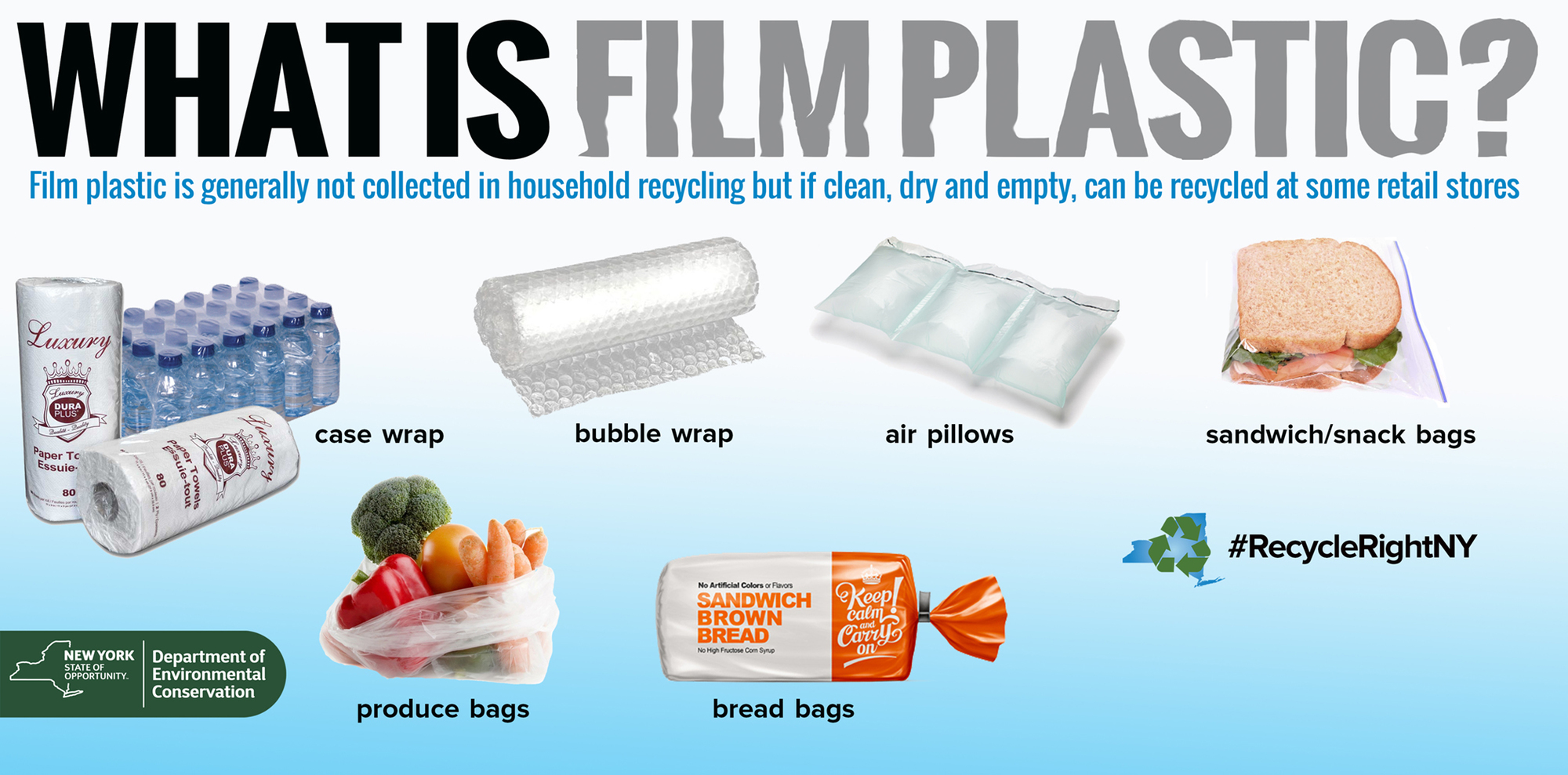
To effectively recycle bubble wrap, consumers must seek out specialized recycling centers that can handle plastic films. These centers are equipped with the necessary machinery and processes to sort, clean, and repurpose LDPE materials. Common drop-off locations include:
- Grocery Stores: Many supermarkets have designated bins for plastic bags and films, including bubble wrap.
- Retailers: Certain large retailers and office supply stores offer recycling services for packaging materials.
- UPS Store Locations: Some UPS stores accept bubble wrap for recycling; however, it's advisable to call ahead to confirm availability.
Online Resources for Recycling Locations
Consumers can utilize online resources to locate appropriate recycling drop-off points:
Preparing Bubble Wrap for Recycling
To facilitate the recycling process, it is essential to prepare bubble wrap correctly:
- Cleaning: Ensure that bubble wrap is free from contaminants such as food residues or adhesives.
- Popping the Bubbles: Flatten the bubble wrap by popping the air-filled bubbles to reduce volume and prevent tangling.
- Separation: Remove any attachments or mixed materials that may interfere with the recycling process.
Reuse and Sustainable Alternatives
Reusing Bubble Wrap
Before considering recycling, reusing bubble wrap is the most environmentally friendly option. It can be repurposed for various uses, such as:
- Packaging: Use it again to protect items during shipping or storage.
- Insulation: Utilize bubble wrap for temporary insulation projects or greenhouse coverings.
- Arts and Crafts: Incorporate it into creative projects for educational purposes or decorative items.
Biodegradable Alternatives
For those seeking more sustainable packaging options, biodegradable bubble wrap alternatives are available. These products are typically made from materials like cornstarch, which can decompose naturally without requiring specialized recycling processes. Biodegradable options offer similar cushioning properties while reducing environmental impact.
Environmental Impact of Improper Disposal
Landfill Accumulation
When not recycled or reused, bubble wrap often ends up in landfills. Given that LDPE is not biodegradable, it can persist in the environment for decades, contributing to landfill mass and occupying valuable space.
Wildlife and Ecosystem Harm
Improperly disposed of bubble wrap can pose threats to wildlife. Animals may ingest or become entangled in plastic materials, leading to injury or death. Additionally, the breakdown of plastics in the environment can release harmful chemicals, further impacting ecosystems.
Carbon Footprint
The production and disposal of LDPE-based bubble wrap contribute to the overall carbon footprint. Manufacturing processes for plastics are energy-intensive and emit greenhouse gases, while landfilling plastics releases methane, a potent greenhouse gas.
Best Practices for Consumers
Proper Disposal
To minimize environmental impact, consumers should adhere to the following disposal practices:
-
Check local recycling guidelines to identify suitable drop-off locations for bubble wrap.
-
Ensure bubble wrap is clean, flattened, and free from contaminants before recycling.
-
Support recycling programs by participating actively and encouraging others to do the same.
Opting for Reusable Packaging
Whenever possible, choose reusable packaging materials over single-use options. Materials such as cloth wraps, sturdy boxes, and other sustainable alternatives reduce the reliance on disposable plastics like bubble wrap.
Supporting Sustainable Products
Advocate for and support companies that prioritize sustainability in their packaging choices. By opting for businesses that use recyclable or biodegradable materials, consumers can drive demand for more environmentally responsible products.
Innovations and Future Directions
Advancements in Recycling Technology
Ongoing research is focused on improving the recyclability of flexible plastics like LDPE. Innovations in sorting technology, such as advanced optical sorting and machine learning algorithms, aim to enhance the efficiency and accuracy of recycling processes for these materials.
Development of Enhanced Biodegradable Materials
The future of sustainable packaging lies in developing materials that combine the protective qualities of bubble wrap with biodegradability. Researchers are exploring various organic polymers and composite materials that can offer similar cushioning while breaking down more readily in the environment.
Circular Economy Models
Adopting circular economy principles can transform the lifecycle of bubble wrap. By designing packaging for reuse, repair, and recycling from the outset, manufacturers can create more sustainable products and reduce waste generation. Collaboration between producers, consumers, and recycling facilities is essential to realize these models effectively.
Conclusion
Recycling bubble wrap presents significant challenges due to its composition and physical properties. While standard curbside recycling programs are typically unable to process LDPE-based bubble wrap effectively, specialized recycling centers offer viable alternatives. Consumers play a crucial role in mitigating the environmental impact by reusing bubble wrap, choosing sustainable alternatives, and adhering to proper disposal practices. As technology advances and sustainability becomes increasingly prioritized, the recyclability of flexible plastics like bubble wrap is poised to improve, fostering a more circular and environmentally responsible packaging ecosystem.
References
Last updated February 11, 2025