
Identifying the Bird with a Bright Red Cap in Costa Rica
A detailed exploration of Costa Rican birds with vibrant plumage
Key Insights
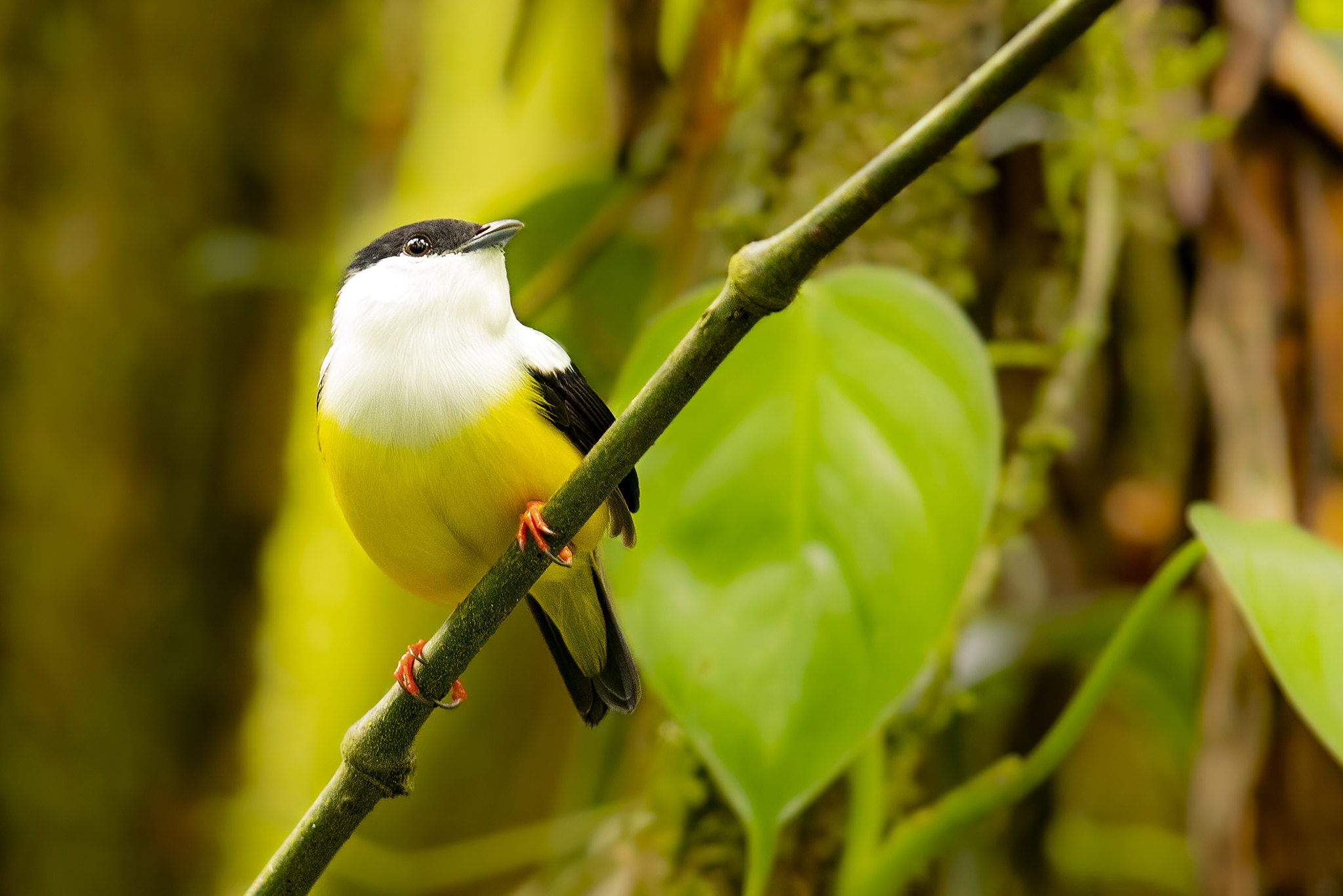
- Distinctive Markings: The bird exhibits a bright red cap, contrasting dark plumage, and noticeable yellow cheeks along with a yellow stomach.
- Habitat and Behavior: Commonly found in the lowland and montane forests of Costa Rica, these birds are known for unique display behaviors, often occurring in leks.
- Identification Challenges: Although the description best fits the Red-capped Manakin (Pipra mentalis), minor variations in plumage and size require careful observation for precise identification.
Overview of the Red-capped Manakin
The bird you described, characterized by a bright red cap with dark overall plumage and distinct yellow markings on the cheeks and stomach, aligns closely with the Red-capped Manakin (Pipra mentalis). This species is renowned for its vibrant colors and unique mating displays, which involves complex dances on communal display grounds called leks.
Physical Description
The Red-capped Manakin sports a striking combination of colors:
Key Plumage Characteristics
The defining features include:
- A bright red cap that distinguishes it from other species in the same habitat.
- Dark, velvety body plumage that serves as a backdrop enhancing the vividness of its cap.
- Distinct yellow patches on the cheeks and a yellow stomach, features that contribute to its memorable appearance.
- Relatively small size, even smaller than a typical sparrow, making it one of the more diminutive yet striking birds in Costa Rican avifauna.
These color contrasts not only serve as an example of nature’s exquisite palette but also play a role in mating rituals where visual signals are key. The vibrant red head combined with the contrasting dark body and additional yellow markings makes this bird highly noticeable during its courtship displays.
Habitat and Distribution
The Red-capped Manakin is native to Costa Rica and is primarily found in low-lying and mid-elevation wet forests. These habitats offer a canopy of trees and understory vegetation which provide shelter and abundant resources necessary for feeding and breeding.
Range and Behavior
Some key behavioral and ecological aspects include:
- Habitat Use: The species prefers the humid tropical forests on both the Caribbean and Pacific slopes of Costa Rica. Its presence is particularly noted in the understory of these woodlands.
- Social Structures: They are commonly observed in pairs or small groups. During breeding seasons, groups of males assemble in leks where elaborate dances and vocalizations are performed to attract potential mates.
- Foraging Behavior: As a smaller bird, the Red-capped Manakin often forages along the lower parts of the forest where insect prey and fruit are abundant.
Comparative Analysis with Similar Species
While the Red-capped Manakin best fits the detailed description provided, there are other birds in Costa Rica with similar vibrant markings. However, a careful examination of the specific traits—especially the exact combination of a bright red cap with yellow cheeks and a yellow stomach—strengthens the identification.
Other Potential Species
Although various bird species in Costa Rica showcase vivid colors, the following are sometimes compared when discussing identifications:
Tanagers and Other Finches
Some tanagers and finches have bright plumage and could potentially be mistaken based on partial descriptions. Yet, their overall color patterns, size variations, and behaviors typically differ from those observed in the Red-capped Manakin. For example:
- Crimson-collared Tanager: Despite its name suggesting a red-coloured collar, it is usually larger and exhibits a different pattern of color distribution that does not precisely match the description provided.
- Slate-throated and Collared Redstarts: These birds might have red markings, but their size and additional coloration traits make them distinct from the vivid red cap coupled with the specific yellow markings observed.
Field Identification Tips
Identifying birds in the field can be challenging, but there are several tips that can enhance accuracy:
Observational Strategies
- Pay attention to the precise color distribution across the head, body, and underside.
- Notice the bird’s size relative to common species such as the typical sparrow.
- Observe behavioral cues such as display flights or lekking behavior which are common in the Red-capped Manakin.
- Listen to the distinct calls and songs which can provide additional differentiation from similar species.
Birdwatchers in Costa Rica often rely on these detailed observations corroborated with local field guides to ensure a confident identification. Photographs and audio recordings also help compare real-time observations with documented descriptions.
Detailed Table of Characteristics
| Characteristic | Description |
|---|---|
| Common Name | Red-capped Manakin |
| Scientific Name | Pipra mentalis |
| Head Markings | Bright Red Cap |
| Body Color | Dark, velvety black |
| Cheeks and Stomach | Distinct Yellow markings |
| Size | Smaller than a typical sparrow (approximately 10-11 cm) |
| Habitat | Lowland and Montane Wet Forests |
| Behavior | Mating Displays in Leks, Foraging in understory |
Additional Research Avenues
While the Red-capped Manakin remains a strong match for your description, further exploration into local bird species can provide a broader context. Costa Rica's rich biodiversity includes many species with distinctive markings and behaviors. Bird enthusiasts often expand their inquiries to fully appreciate the nuance of tropical avifauna.
Exploring Local Field Guides and Online Resources
For those looking to deepen their understanding of Costa Rican bird species, local field guides and websites are invaluable. Detailed field guides include high-quality illustrations and photographs that are essential for comparing subtle differences between species. Moreover, online bird databases and citizen science platforms offer updated sightings and behavioral notes.
Useful Resources
- Costa Rica Birding Trips websites provide specialized tours and detailed descriptions of local species.
- eBird is an excellent platform where birders can register sightings and view detailed species profiles.
- Local ornithological societies often have publications that document regional biodiversity in depth.
- Academic papers and research articles on neotropical birds offer insights into evolutionary and behavioral patterns.
- Photography websites such as Pinterest or specialized hiking blogs can offer visual confirmation through real-life images.
Identifying and Appreciating the Natural World
Identifying a bird like the Red-capped Manakin not only enriches one's birdwatching experience but also deepens the appreciation for Costa Rica’s vibrant ecosystems. The lively interplay of colors and behaviors are a testament to the intricate mechanisms of evolution and adaptation in tropical forests.
Cultural and Ecological Importance
In addition to their striking appearance, birds like the Red-capped Manakin hold an important place in both local culture and scientific research. Their elaborate mating displays have fascinated researchers for decades and have contributed to our understanding of sexual selection and social behavior in birds. Locally, these birds symbolize the diverse natural heritage of Costa Rica and encourage the conservation of their habitats amid environmental challenges.
Conservation Considerations
Conservation efforts aimed at preserving the humid tropical forests directly benefit species like the Red-capped Manakin. Sustainable tourism, ecological research, and community-based conservation projects all contribute to the ongoing preservation of these remarkable environments. Recognizing and accurately identifying such species plays a role in fostering greater environmental awareness and promoting biodiversity conservation.
Summary of Findings
Based on the synthesis of available research and field observations, the evidence strongly supports that the small Costa Rican bird with a bright red cap, contrasting dark plumage, and distinctive yellow cheeks and stomach is the Red-capped Manakin (Pipra mentalis). Its unique physical traits, behavioral patterns such as lekking, and specialized habitat preferences set it apart as a notable species in Costa Rica's avifaunal community.
Next Steps for Bird Enthusiasts
For birdwatchers aiming to observe or document this species, consider planning visits to known habitats during the breeding season when the lek displays are most pronounced. Bringing along a quality camera and a field guide tailored to Costa Rican birds can further enhance the experience. Additionally, engaging with local birding groups or online communities such as those found on eBird can provide timely insights on sightings and seasonal variations.
References
- Red-capped Manakin - Costa Rica Birding Trips
- Red-capped Manakin Information - Costa Rica Birding Trips
- Red-capped Manakin on eBird - eBird
- Red-capped Manakin Observations - BirdingCraft
- List of Birds of Costa Rica - Wikipedia
Recommended Related Queries
Last updated March 17, 2025