
Unpacking the Benefits of Red Light Therapy Pads
Explore how deep penetration and optimal ray blending enhance recovery
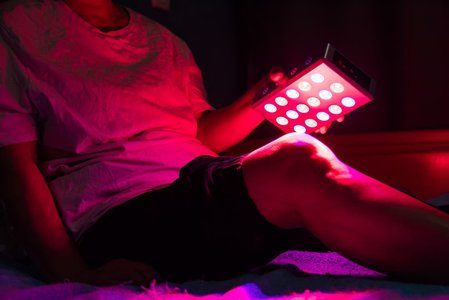
Highlights
- Deep Penetration: Maximizes the distribution of light energy within the tissue.
- Optimal Ray Blending: Ensures uniform mixing of red and near-infrared wavelengths.
- Even Exposure and Recovery: Guarantees a well-balanced therapeutic effect essential for recovery.
The red light pad is engineered to deliver red and near-infrared wavelengths that penetrate deeply into the tissues, thereby ensuring that the therapeutic light reaches target areas effectively. This deep penetration is fundamental in stimulating cellular repair and boosting circulation. The design of these pads emphasizes not only the depth of penetration but also the even distribution of light across the treated area. By achieving an optimal blending of the various wavelengths, these devices provide a consistent exposure which is essential for uniform recovery. This technology leverages both the biological and physical properties of light to support tissue repair, reduce inflammation, and promote overall wellbeing.
Detailed Analysis of Light Penetration and Ray Blending
Deep Penetration and Its Impact
Deep penetration refers to the ability of the red light to reach beneath the skin's surface, delivering energy to cells that are located further within the tissue. This is achieved by employing wavelengths that are capable of bypassing the superficial dermal layer, ensuring that even deeper tissues receive adequate stimulation. Such a mechanism is critical since many therapeutic benefits, such as enhanced metabolic activity and accelerated healing, are contingent upon reaching the deeper layers of the skin and muscle. When a red light pad is used, the light energy is dispersed uniformly, ensuring that the energy dose is consistent and effective across the target area.
Mechanism of Action
The mechanism behind deep tissue delivery involves the interaction of photon energy with the mitochondria present in the cells. As red and near-infrared light is absorbed, it triggers a cascade of bio-stimulatory processes. The result is an increase in ATP production—the energy currency of the cell—which, in turn, fosters improved cellular repair and regeneration. Additionally, the increased circulation brought about by the vasodilatory properties of these wavelengths helps in reducing tissue inflammation and accelerates recovery. This precise interaction is enhanced by the uniform mixing, or blending, of the rays, ensuring that each part of the exposed skin area receives an optimal amount of light energy.
Optimal Ray Blending Explained
Optimal ray blending ensures that the therapeutic rays produced by the red light pad are evenly distributed over the treatment area. This is achieved through design innovations that allow multiple wavelengths to merge seamlessly, resulting in a spectrum that offers both targeted and uniformly distributed energy. The blending process is essential, as it helps maintain a balance between the different wavelengths, each of which plays a unique role in the healing and recovery processes. The even distribution of light minimizes the risk of hot spots or shadowed areas that might receive either an insufficient or excessively high dose of light, which could potentially reduce the overall therapeutic effect.
Technological Aspects and User Benefits
Modern red light therapy pads often incorporate adjustable power levels and configurable operating modes. These features allow users to tailor their treatment sessions to specific needs, enhancing the effectiveness of the therapy. Whether the primary goal is to reduce inflammation, improve wound healing, or simply boost overall cell function, the deep penetration combined with optimal ray blending ensures a comprehensive delivery of light energy. The result is an evenly distributed exposure that is critical for maximizing the benefits of the therapy. The ability to provide a balanced dose directly to the affected tissue makes these pads highly effective for both localized and systemic therapeutic applications.
Comparative Insight: How the Red Light Pad Excels
When compared to broader light therapy panels, red light pads offer the distinct advantage of targeted application. This precision ensures that the therapeutic benefits are concentrated on areas requiring the most attention. The focused nature of these pads helps in even ray distribution, which in turn improves the overall efficacy of the treatment. Deep penetration ensures that light reaches compact and deeper tissues, while optimal ray blending guarantees that the light's therapeutic properties are uniformly applied, mitigating potential discrepancies in light dosage across the treated area. This meticulous design is what sets red light pads apart as a reliable tool for recovery and rejuvenation.
| Feature | Description | Therapeutic Benefit |
|---|---|---|
| Deep Penetration | Delivers light energy to deeper tissue layers | Enhances cellular repair and ATP production |
| Optimal Ray Blending | Uniform distribution of red and near-infrared wavelengths | Ensures consistent therapeutic exposure |
| Focused Application | Targets specific areas with precision | Improves localized treatment efficacy |
| Adjustable Modes | Configurable settings for power and duration | Customizable therapy sessions for various needs |
Rewritten Line in Detail
Original Line:
"Red light pad shows deep penetration and adequate ray crossing/blending. Very good for evenly distributed exposure /recovery."
Refined Rewritten Line:
"The red light therapy pad is engineered for profound tissue penetration, ensuring that the light rays mix seamlessly for a uniformly distributed treatment, thereby facilitating effective and balanced recovery."
This refined statement encapsulates the essence of the original line while presenting the technical advantages in a more detailed and professional manner. The emphasis on "profound tissue penetration" highlights the capability of the device to reach deeper layers, while "ensuring that the light rays mix seamlessly" underscores the technological sophistication behind optimal ray blending. Lastly, "uniformly distributed treatment" ties the technology back to its key benefit—providing an even therapeutic dose that improves overall recovery outcomes.
Extended Benefits and Applications
Clinical and Personal Use Cases
The clinical efficacy of red light therapy is well-documented, with many health practitioners recommending its use for various conditions. Chronic pain, inflammation, and soft tissue injuries respond particularly well when exposed to the consistent light dosing achieved through these pads. The ability to deliver a controlled dose of red and near-infrared light makes these devices invaluable in both clinical settings and for personal wellness routines. Users have reported notable improvements in their conditions, as the consistent exposure promotes a balanced healing process. This has encouraged further exploration and investment in red light technology, making it a popular choice among both professionals and at-home users.
Practical Implementation Tips
For users looking to maximize the benefits of their red light pad, it is recommended to:
- Identify the target area that requires treatment, ensuring that the pad can be applied correctly.
- Adjust the power level to suit the intensity required, based on the depth and sensitivity of the tissue.
- Maintain an optimal distance between the pad and the skin to enhance penetration.
- Follow manufacturer instructions regarding duration and placement to avoid overexposure.
- Utilize the device consistently as part of a comprehensive recovery or wellness regimen.
These tips ensure that users receive the maximum benefit from their red light therapy sessions, reducing recovery times and improving overall therapeutic outcomes.
Scientific Underpinnings and Technological Advancements
Biological Impact of Red Light
The underlying science of red light therapy hinges on photobiomodulation—a process through which light influences cellular function. When cells absorb red and near-infrared photons, it stimulates the mitochondria, enhancing the production of adenosine triphosphate (ATP). This increased ATP production supports cellular repair and regeneration. The process, scientifically captured by the equation:
\( \text{\( \text{Photon Energy} \rightarrow \text{Mitochondrial Activation} \rightarrow \text{Increased ATP Production} \)} \)
underlines the therapeutic benefits of red light. By ensuring that the light penetrates deeply, the pad maximizes the bioavailability of photons essential for stimulating metabolic processes. The even distribution of these energies further ensures that the affected tissues receive a balanced dose, mitigating potential complications arising from uneven light exposure.
Innovations in Device Design
Recent innovations in red light therapy pad designs have focused on enhancing both the penetration depth and the uniformity of light distribution. Technological advancements, such as the integration of multiple LED arrays, adjustable power modes, and ergonomic designs, have collectively contributed to a device that is both effective and user-friendly. These developments ensure that the light therapy pad not only meets clinical standards but also addresses the practical needs of everyday users. The result is a device that delivers consistent, evenly distributed therapeutic light, crucial for promoting efficient tissue recovery.
Insightful Operational Characteristics
Engineering and Light Distribution
The engineering claim that these devices offer “deep penetration” is directly correlated with the specific wavelengths chosen for therapy. Scientific studies have demonstrated that wavelengths in the red (around 660 nm) and near-infrared (around 850 nm) ranges are particularly effective at penetrating tissues. This combination is ideal as the red wavelengths provide surface-level benefits while the near-infrared wavelengths offer deeper tissue results. The synergy between these wavelengths is what is referred to as "optimal ray blending," a term that encapsulates the ability of the device to deliver a consistent, therapeutic mix of light.
The authors behind these studies note that such uniform distribution minimizes the risk of untreated “cold spots” while also preventing the occurrence of localized overheating that could arise from concentrated beams. As a result, the pad is ideal for both stimulating targeted areas and providing overall rejuvenation benefits.
Integrative Health Perspectives
Holistic Recovery Perspective
From an integrative health standpoint, the technology behind red light therapy pads is gaining traction due to its non-invasive nature and few contraindications. Integrative health practitioners often advocate for the inclusion of red light therapy as part of a broader recovery regimen. By enhancing cellular regeneration and reducing inflammation, this technology supports a holistic approach to health maintenance. It complements other therapies such as physiotherapy, massage, and even nutritional interventions, making it a well-rounded option for individuals looking to improve well-being.
The evidence suggests that when used consistently, the red light pad can bolster the body’s natural healing processes. This is achieved by reinforcing blood flow, augmenting lymphatic drainage, and accelerating overall cellular metabolism. In doing so, the therapy contributes to both immediate pain relief and long-term tissue health, solidifying its place as a cornerstone in modern therapeutic practices.
Practical Considerations and Safety
Ease of Use and Versatility
Red light therapy pads are not only effective but also highly user-friendly. Their design allows for straightforward application even by non-professionals. With intuitive controls and customizable settings, these devices are suitable for a wide range of users—from elite athletes requiring quick recovery from injuries to individuals seeking to alleviate chronic pain. Their versatility extends to various body parts, allowing practitioners to target specific areas or cover a broader region for general health promotion.
Safety and Efficacy
The primary focus in the design of these devices is safety. Most red light therapy pads adhere to strict safety standards to ensure that users receive the maximum benefit without the risk of overexposure. Users are advised to follow recommended exposure durations and maintain appropriate distances as specified by the manufacturer. This careful balance between efficacy and safety ensures that the therapy remains a reliable option for both at-home and professional use.
References
- Best Red Light Therapy Mat - Perfect Fit Living
- Best Red Light Therapy Pads - Red Light Therapy Digest
- Red Light Therapy Pads vs. Panels - Health Light LLC
- Nicebeam Red Light Therapy Ultra Pad - Nicebeam
- Deep Penetrating Light Therapy - Platinum Therapy Lights
Recommended Related Queries

Last updated March 26, 2025