
Sebastes mentella: Comprehensive Insights
An in-depth exploration of the beaked redfish, its biology, habitat, and conservation
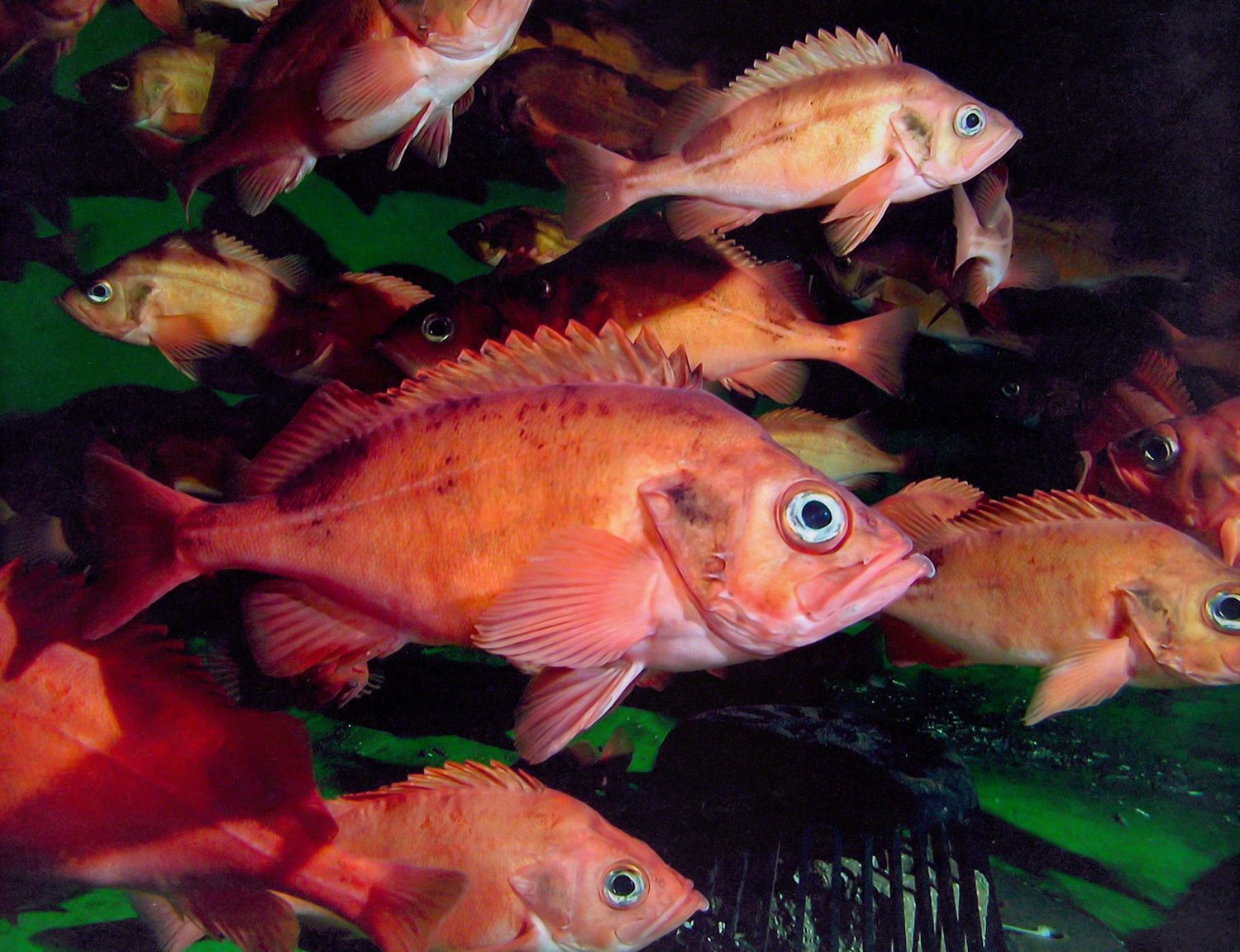
Highlights
- Taxonomy and Morphology: Detailed physical description, classification, and distinguishing features.
- Distribution and Life Cycle: Wide-ranging habitat in the North Atlantic with unique reproductive and longevity traits.
- Fisheries and Conservation: Economic importance, challenges of overfishing, and current conservation status.
Introduction
Sebastes mentella, commonly known as the beaked redfish (also referred to by names such as deepwater redfin, ocean perch, Atlantic redfish, Norway haddock, red perch, golden redfish, or hemdurgan), is a marine ray-finned fish belonging to the subfamily Sebastinae within the family Scorpaenidae. First formally described in 1951 by the Soviet biologist Valentin Ivanovich Travin, this species displays distinctive morphological features and a fascinating life history that has garnered scientific attention. Its wide distribution across the North Atlantic and unique reproductive methods contribute to its ecological and economic significance. This comprehensive overview highlights the diverse aspects of Sebastes mentella, including taxonomy, morphology, distribution, ecology, fisheries impact, and conservation efforts.
Taxonomy and Morphological Characteristics
Scientific Classification
Sebastes mentella is categorized under the subfamily Sebastinae, part of the larger Scorpaenidae family. The initial formal description was made in 1951, with the type locality identified as the Bear Island Banks in the Barents Sea. Its taxonomic placement, based on morphological and genetic characteristics, underscores its relation to other rockfishes. The species is sometimes grouped within the subgenus Sebastes by certain taxonomists, highlighting ongoing discussions within the scientific community regarding its precise classification.
Morphological Features
The physical appearance of Sebastes mentella is notable for several reasons. The fish features an elongated and compressed body, accompanied by a deep head and a wide mouth, which are adaptations beneficial for its predatory lifestyle within deep waters. Specific identifiable characteristics include:
- Preorbital Spines: Two prominent spines are present on the preorbital bone, with one or two spiny points situated above the maxilla.
- Chin Knob: The species derives its specific name "mentella" from the Latin diminutive of "mentum" (chin), referring to the conspicuous symphyseal knob on the lower jaw.
- Head and Facial Structures: Apart from its deep head, the beaked redfish possesses spines on several facial bones including the nasal, pre-ocular, supraocular, postocular, and parietal bones. These spines likely play a role in defense and, potentially, in intra-species recognition during mating.
- Body Profile: Its streamlined yet robust body design supports a life spent in the varied pressures of deep ocean waters, contributing to both its agility and endurance in the pelagic zones.
Comparative Morphology
When compared with related rockfishes, Sebastes mentella exhibits both shared and unique characteristics. Its spiny head characteristic is common among species in the Sebastinae subfamily; however, the well-developed chin knob and the specific arrangement of spines distinguish it from similar species such as the Acadian redfish (Sebastes fasciatus), with which it is known to hybridize in overlapping habitats.
Distribution, Habitat, and Life Cycle
Geographic Range and Habitat
Sebastes mentella is primarily found in the boreal waters of the North Atlantic Ocean, with its distribution extending from the western regions near Nova Scotia and Baffin Island to the eastern territories approaching the northern parts of the North Sea. It is also present around significant northern locales including Greenland, Iceland, and along the Iceland-Faroes ridge, reaching as far north as Svalbard, Jan Mayen, and the southern Barents Sea.
This species is adapted to a range of ocean depths, usually residing in deep waters. Depending on the region, it can be encountered at depths ranging from 100 meters to as deep as 1,400 meters. In some areas such as certain parts of the Barents Sea, it exhibits flexibility by occupying shallower regions, while in others it is predominantly bathypelagic.
Coastal vs. Oceanic Zones
Although primarily an oceanic species, Sebastes mentella displays a degree of habitat adaptability. It is recognized as both an epibenthic (living near the bottom) and pelagic (within the water column) species. This adaptability proves beneficial in environments where resources are patchy, allowing the fish to explore a range of ecological niches for feeding and reproduction.
Life Cycle, Reproduction, and Growth
One of the remarkable aspects of Sebastes mentella is its reproductive strategy. The species is ovoviviparous, meaning that while eggs are fertilized internally, the developing embryos are retained within the females until they are ready to be released as free-swimming larvae.
Mating and Fertilization: In regions like the Barents Sea, insemination is known to occur as early as August and September, while in areas off Iceland the mating season extends from September to mid-December. Following insemination, fertilization of eggs typically takes place during January and February in the Barents Sea, or in March in Icelandic waters.
Larval Development: The larvae are generally released from the females between April and June. This seasonal timing aligns with an increase in food availability in the marine environment, which is crucial for the survival of the larvae.
Longevity and Growth: Sebastes mentella is a long-lived species. It can exceed 70 years in age, with some reports suggesting a maximum age of up to 75 years. Its maximum recorded total length is around 77.5 centimeters. Despite these large sizes and extended lifespans, this species exhibits very slow growth and reaches sexual maturity late, factors that are important when considering its vulnerability to overfishing.
Population Structure
Genetic studies have identified that there are multiple biological stocks within the species’ range. Different stocks have been recognized in various parts of the North Atlantic, such as the Irminger Sea where distinct deep-pelagic and shallow-pelagic populations exist. This suggests a degree of habitat segregation and localized reproductive strategies, which may have implications for fisheries management and conservation efforts.
Ecology and Feeding Behavior
Diet and Predatory Habits
Sebastes mentella is an opportunistic feeder and plays an integral role in the trophic dynamics of its ecosystem. Its diet primarily consists of a variety of marine organisms, which include small fishes, euphausiids (krill), hyperiids, cephalopods (such as squids and octopuses), and chaetognaths (arrow worms). This diversified diet allows the beaked redfish to thrive in the cold, nutrient-rich waters of the North Atlantic.
As a predator, the beaked redfish is well-equipped with a robust set of sensory and physical attributes that facilitate the detection and capture of prey in low-light, deep-sea environments. The wide mouth and well-developed jaw mechanism enhance its capacity to capture a range of prey sizes.
Trophic Interactions and Role Within the Ecosystem
Within its ecosystem, Sebastes mentella occupies both the predator and prey positions. While actively hunting other smaller marine organisms, it itself can be prey for larger predators. Its role in the mid-water and benthic food webs is crucial as it helps in regulating the populations of its prey species, thus maintaining ecological balance in deep-sea environments.
Fisheries, Economic Importance, and Conservation
Fisheries Impact and Commercial Value
Sebastes mentella holds substantial commercial value across the North Atlantic. Its mild and sweet taste, which pairs well with various culinary preparations, makes it a favored catch in seafood markets. Fishing methodologies commonly employed include bottom trawling, gillnetting, and the use of bottom longlines. These practices, however, have raised concerns for sustainable harvesting and the potential impacts on benthic habitats where the species predominantly resides.
The species’ slow growth rate and late maturity heighten its sensitivity to overexploitation. Because many individuals reach sexual maturity only after several decades, the population recovery can be sluggish if overfishing occurs. Maintaining sustainable fishing practices is therefore essential to ensure the long‐term viability of these stocks.
Conservation Measures and Current Status
Despite its commercial significance, Sebastes mentella is currently classified as "Least Concern" by the IUCN Red List. This denotes that, on a global scale, the species is not facing immediate risk of extinction. Nonetheless, the localized pressures from intensive fishing have led to close monitoring of its populations. Various management strategies and conservation measures have been introduced in many regions, such as fishing quotas and area-specific restrictions, aimed at protecting both the target species and the delicate benthic environments affected by fishing activities.
Additionally, the species has appeared on seafood sustainability lists due to concerns about indiscriminate fishing practices. These assessments have prompted both governmental and non-governmental organizations to reevaluate harvesting protocols to reduce bycatch and minimize ecological disruption.
Sustainable Management and Future Prospects
Research into the population structure and reproductive biology of Sebastes mentella has provided insights that are integral to developing effective management plans. Partitioning the population into distinct biological stocks helps fisheries scientists implement targeted measures that account for regional variations in life history traits.
Some proposed solutions include restricting the fishing season to periods outside the reproductive window, limiting the quota in particularly vulnerable stocks, and conducting regular stock assessments to inform policy decisions. As climate change alters marine ecosystems, these management frameworks may also need to be adaptive, ensuring that the health of the ecosystem as a whole is maintained.
Detailed Comparison and Summary Table
Key Attributes of Sebastes mentella
To further consolidate the extensive information discussed, the following table summarizes the key characteristics of Sebastes mentella:
| Attribute | Description |
|---|---|
| Common Names | Beaked redfish, deepwater redfin, ocean perch, Atlantic redfish, Norway haddock, red perch, golden redfish, hemdurgan |
| Family/Subfamily | Scorpaenidae / Sebastinae |
| Description | Elongated and compressed body, deep head, wide mouth, preorbital spines, and a distinctive chin knob |
| Depth Range | Typically between 100 and 1,400 meters (with some regional variation) |
| Distribution | North Atlantic; from Baffin Island and Nova Scotia to Greenland, Iceland, and northern parts of Europe including the Barents Sea and Svalbard |
| Reproduction | Ovoviviparous with insemination in late summer/early fall; larvae released in spring |
| Longevity | 70 to 75 years, with slow growth and delayed maturity |
| Diet | Euphausiids, hyperiids, cephalopods, chaetognaths, and small fishes |
| Fisheries | Commercially exploited, managed through quotas and fishing regulations |
| Conservation Status | Least Concern by IUCN, with local concerns prompting sustainable management measures |
Implications for Marine Ecosystems and Human Societies
Ecological Role
Sebastes mentella plays a multifaceted role in marine ecosystems. As both a predator and, in turn, prey for larger species, it maintains balance within complex food webs. Its predation on smaller organisms controls the populations of its prey, while its own vulnerability to predation enhances energy transfer across trophic levels. These ecological dynamics emphasize the importance of understanding and preserving the species, especially in threats posed by overfishing and habitat alteration.
The spatial segregation seen among its distinct biological stocks supports localized ecological processes. This variation allows certain populations to adapt to microhabitats and environmental conditions, thereby contributing to regional biodiversity. In ecosystems where biodiversity is critical for resilience, the sustainable management of species like Sebastes mentella indirectly benefits the overall health and productivity of the marine environment.
Socioeconomic Aspects
Beyond ecological implications, Sebastes mentella has significant socioeconomic value. Fisheries based on this species contribute to the economic livelihood of coastal communities in regions where it is harvested. Its appealing taste has also made it a coveted commodity in culinary markets, stimulating demand both domestically and internationally.
However, the economic benefits come with responsibilities. Managing the balance between commercial exploitation and environmental sustainability requires constant vigilance and adaptive policy frameworks. The slow reproductive rate and extended lifespan of the species mean that any mismanagement could have long-term adverse effects on fish stocks, affecting both the ecosystem and the people who rely on it.
Conclusion and Final Thoughts
In conclusion, Sebastes mentella stands out as an ecologically significant and commercially valuable species within the North Atlantic. Characterized by its distinctive morphology, wide geographic distribution, and unique reproductive strategy, the beaked redfish is a subject of intense study. Its slow growth and late maturity render it vulnerable to overfishing, necessitating carefully managed fisheries practices and conservation strategies. Whether viewed from a biological, ecological, or socioeconomic perspective, preserving the populations of Sebastes mentella is fundamental to maintaining the health and balance of the marine ecosystems it inhabits.
The comprehensive understanding of its taxonomy, life cycle, and role in marine food webs underlines the importance of collaborative research and adaptive management. As pressures from climate change and human exploitation intensify, future research and management efforts will be crucial in safeguarding this remarkable species for future generations.
References
- Deepwater Redfish - Animalia.bio
- Sebastes mentella - Wikipedia
- Beaked Redfish in the Barents and Norwegian Seas - HI.no
- Beaked Redfish Facts for Kids - Kiddle
- Sebastes mentella - FishBase
- Deepwater Redfish - iNaturalist
- Redfish - DFO-MPO
- Sebastes mentella - MarineSpecies.org
Recommended Queries for Further Exploration
Last updated February 22, 2025