
Applications of Redox Reactions
Discover how oxidation-reduction drives energy, industry, and life itself
Key Highlights
- Energy Solutions: Redox reactions are the core mechanism behind batteries, fuel cells, and emerging energy storage systems.
- Industrial and Environmental Impact: These reactions facilitate metal extraction, electroplating, wastewater treatment, and the production of everyday chemicals.
- Biological Processes: Essential for cellular respiration, photosynthesis, and metabolic pathways that sustain life on Earth.
Understanding Redox Reactions
Redox (reduction-oxidation) reactions involve the transfer of electrons between two substances, leading to changes in their oxidation states. In every redox reaction, one molecule or ion undergoes oxidation by losing electrons, while another is reduced by gaining those electrons. This electron exchange is fundamental in transforming energy and matter, making redox reactions crucial in a myriad of applications ranging from energy production in batteries to the biochemical pathways in living organisms.
Fundamental Processes
At their core, redox reactions can be separated into two complementary processes:
- Oxidation: The process in which a substance loses electrons. For example, when zinc corrodes (rusts), it loses electrons in the presence of oxygen and moisture.
- Reduction: The process in which a substance gains electrons. A typical example of reduction is the gain of electrons by oxygen during combustion or cellular respiration.
A balanced redox reaction must have both oxidation and reduction processes occurring simultaneously, ensuring that electrons are not lost but merely transferred between reactants.
Redox Reactions in Energy Production and Storage
Electrochemical Cells
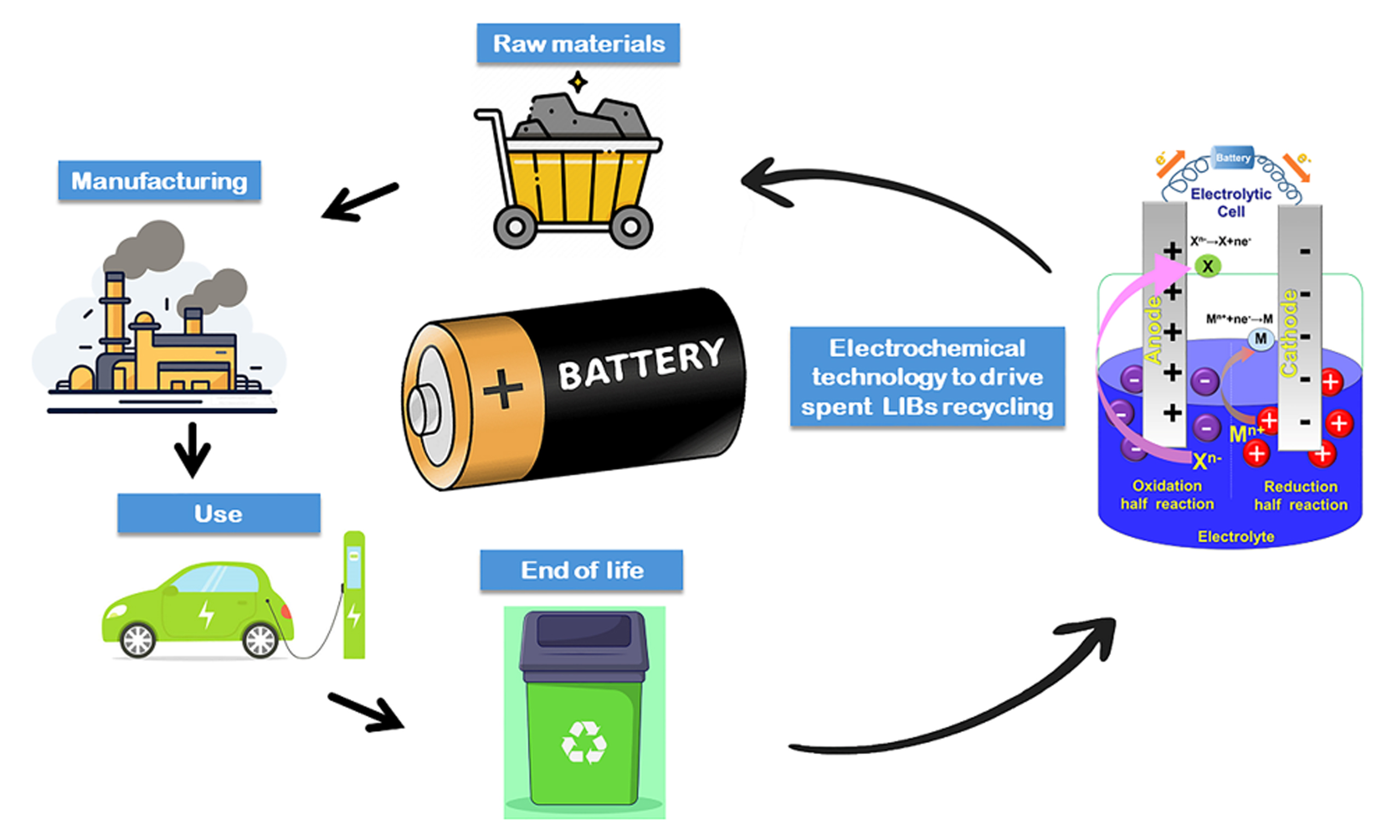
One of the most widespread applications of redox reactions is in electrochemical cells, commonly known as batteries. In these devices, redox reactions convert stored chemical energy into electrical energy—the cornerstone of modern portable and stationary energy solutions. For instance:
- Batteries: In alkaline batteries, redox reactions between zinc and manganese dioxide produce electrons that flow through a circuit, delivering power to electronic devices. Lithium-ion batteries, which power electric vehicles and portable electronics, harness redox processes between lithium ions and various electrode materials.
- Fuel Cells: Fuel cells generate electricity through redox reactions involving hydrogen and oxygen without combustion, offering a highly efficient and clean alternative for power generation.
- Redox Flow Batteries: These systems store energy in liquid electrolytes and are scalable for renewable energy applications, providing a flexible solution to balance supply and demand in power grids.
In all these scenarios, the principle remains the same: redox reactions facilitate controlled electron transfers that can be harnessed for useful work.
Comparative Overview of Energy Applications
| Application Field | Redox Reaction Mechanism | Examples | Description |
|---|---|---|---|
| Batteries | Electron transfer between metal and oxide | Alkaline, Lithium-ion | Conversion of chemical energy into electrical energy in everyday devices |
| Fuel Cells | Oxidation of hydrogen; reduction of oxygen | Polymer Electrolyte Membrane, Solid Oxide | Efficient and clean power generation for vehicles and stationary applications |
| Redox Flow Batteries | Reversible electron transfer in liquid electrolytes | Vanadium flow cells | Large-scale storage for renewable energy with long operational lifespans |
Industrial and Environmental Applications
Metallurgy and Material Processing
In the industrial sector, redox reactions are indispensable for the extraction and processing of metals. The metallurgy field relies on these reactions to reduce metal ores into their elemental forms. For example, in iron production, iron oxide is reduced by carbon-generating pure iron and carbon dioxide. This process is essential in steel manufacturing where control over oxidation states allows for the production of materials with desired strength and durability.
Another significant industrial application is electroplating. Here, redox reactions deposit a thin metal layer onto objects to improve corrosion resistance or enhance aesthetic appeal. Gold plating on jewelry is a common example, where a controlled redox reaction ensures uniform coverage.
Chemical Manufacturing and Wastewater Treatment
Redox reactions are also employed in the production of various chemicals. Processes such as chlor-alkali production, where electrolysis converts salt into chlorine and sodium hydroxide, are direct applications of redox chemistry.
In wastewater treatment, redox reactions help detoxify and remove harmful contaminants. For instance, redox processes convert toxic compounds into less harmful substances, enabling the safe treatment and disposal of industrial effluents. Such treatment methods are vital in maintaining environmental sustainability and protecting public health.
Corrosion and Its Prevention
The phenomenon of corrosion itself is a redox process. When metals like iron oxidize in the presence of moisture and oxygen, rust forms—a clear example of redox. However, these same principles can be applied to prevent corrosion. Techniques such as galvanization involve coating metals with a sacrificial layer that preferentially oxidizes, thereby protecting the underlying metal. This strategy is widely used in construction and infrastructure to extend the lifespan of metal components.
Biological Redox Reactions
Cellular Processes
In biological systems, redox reactions are indispensable for energy production and metabolic processes. Cellular respiration, for example, relies on a complex series of redox reactions to convert glucose and oxygen into adenosine triphosphate (ATP)—the energy currency of the cell. Here, glucose is oxidized and oxygen is reduced, releasing energy that cells use for a multitude of functions.
Similarly, in photosynthesis, plants harness redox reactions to transform carbon dioxide and water into glucose and oxygen. The light-driven oxidation of water coupled with the reduction of carbon dioxide is the foundation of energy conversion in plants, ultimately supporting life on Earth through the release of oxygen and the creation of organic matter.
Metabolic and Enzymatic Pathways
Enzymes catalyze redox reactions in living organisms, making them more efficient and controlled. These enzymatically-driven redox processes are involved in detoxifying harmful compounds, synthesizing essential biomolecules, and managing cellular oxidative stress. The balance of oxidation and reduction reactions within cells is critical for maintaining homeostasis, energy balance, and overall cellular health.
Disruptions in redox balance can lead to oxidative stress, which is implicated in various diseases and aging processes. Antioxidants, naturally occurring in many organisms and supplements, are molecules that help balance these reactions by neutralizing free radicals, providing a shining example of nature using redox chemistry to safeguard biological systems.
Additional Applications and Everyday Examples
Combustion and Explosive Reactions
Combustion is another common example of a redox reaction. In the combustion process, a fuel (such as hydrocarbons) is oxidized, releasing energy in the form of heat and light. This reaction is fundamental not only in everyday cooking and heating but also in high-power applications like propulsion in space shuttles, where controlled redox reactions drive combustion in rocket engines.
Photographic Processes and Beyond
An interesting application of redox reactions is found in traditional photography. Silver halide crystals in photographic films undergo redox reactions when exposed to light. The light-induced reduction leads to the formation of metallic silver, which creates the image on the film. Although digital photography has become prevalent, the chemical processes behind film photography remain a fascinating example of redox reactions in everyday life.
Household and Culinary Uses
Redox reactions subtly contribute to various everyday activities. In household cleaning agents, chemical bleaching relies on redox reactions to remove stains and disinfect surfaces. In culinary practices, the browning of fruits and vegetables during ripening is driven by oxidation processes. This biochemistry not only affects flavor and texture but also signals the maturity and quality of food.
Integration in Modern Technologies
The extensive integration of redox chemistry in modern technologies underscores its versatility. From renewable energy solutions and electronic devices to advanced medical therapies and environmental monitoring, redox reactions drive innovation by facilitating efficient and sustainable chemical transformations. This deep integration is a testimony to how fundamental chemical processes can shape technological advancements and improve quality of life.
Interactive Comparison Table of Redox Applications
| Field | Key Reaction | Application Example | Impact |
|---|---|---|---|
| Energy | Battery redox cycles | Lithium-ion batteries | Powering portable devices and EVs |
| Industry | Metal extraction and plating | Steel manufacturing, Electroplating | Production of durable metals and corrosion protection |
| Biology | Glucose oxidation | Cellular respiration | ATP production and energy metabolism |
| Environment | Pollutant oxidation | Wastewater treatment | Detoxifying and recycling industrial waste |
| Everyday Life | Food oxidation | Browning of fruits and vegetables | Indicators of freshness and ripeness |
References
-
Applications of Redox Reactions: From Energy to Industry and Beyond - Sridianti
- Applications of Redox Reactions - Aakash
- Industrial Applications of Redox Reactions - Solubility of Things
- Redox Reactions - BYJU'S
- Applications of Redox Reactions - Infinity Learn
- Understanding Redox Reactions: Mechanisms and Applications - Prime Scholars
- Applications of Redox Reactions in Industry - TutorChase
- Examples of Redox Reactions in Everyday Life - GeeksforGeeks
- Oxidation-Reduction in Everyday Life - Sciencing
-
Redox Applications in Chemistry - Example.com
Recommended Related Queries
Last updated March 4, 2025