
Best Ways to Reduce Daily Stress
Effective strategies for a healthier, calmer life
Highlights
- Optimize your lifestyle: Exercise, healthy diet, and sufficient sleep form the foundation for stress reduction.
- Embrace mindfulness: Incorporate practices like meditation and deep breathing to calm the mind.
- Maintain social balance: Cultivate meaningful connections and engage in hobbies to buffer stress.
Comprehensive Strategies for Stress Reduction
Adopting a Healthy Lifestyle
A healthy lifestyle is essential in managing daily stress. Engaging in regular physical activity not only strengthens the body but also releases endorphins, which are natural mood lifters. Multiple experts recommend aiming for a minimum of 150 minutes per week of moderate physical exercise such as brisk walking, running, yoga, or swimming. Exercise moderates stress hormones and provides a natural release for tension.
Nutrition plays a significant role in regulating mood and stress levels. A balanced diet brimming with vegetables, fruits, whole grains, and lean proteins can be a bulwark against stress. Foods that are rich in omega-3 fatty acids, antioxidants, and vitamins help in maintaining hormone balance. For instance, avocados, dark chocolate, spinach, chia seeds, and almonds have been noted in various studies to improve resilience against stress.
Lastly, no discussion about lifestyle management is complete without mentioning the importance of sleep. Ensuring 7-9 hours of quality sleep every night allows your body and mind to recover from daily stressors. Establish a consistent bedtime routine, reduce screen time before sleep, and create an environment that promotes healing rest.
Mindfulness, Meditation, and Relaxation Techniques
Mindfulness and meditation have been championed by mental health professionals for their beneficial effects on stress. Practicing mindfulness involves staying present, only focusing on the here and now, which helps reduce anxiety about the past or future. Meditation, even for short periods each day, can significantly lower stress and improve mental clarity.
Other relaxation techniques include deep breathing exercises, progressive muscle relaxation, and even guided imagery. These methods work by initiating the body’s relaxation response, reducing heart rate, and lowering cortisol levels. Techniques like the 4-7-8 breathing method can provide quick relief during moments of acute stress.
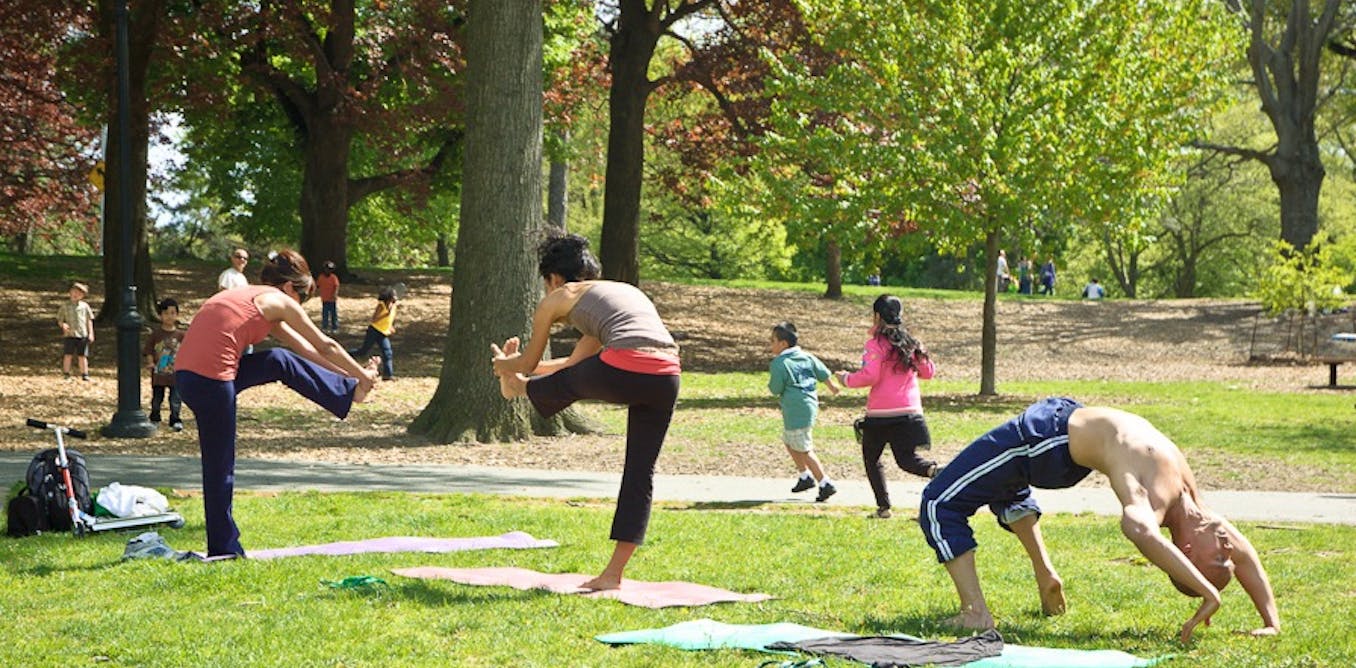
Additionally, incorporating practices such as yoga or tai chi combines physical movement with mindful breathing sequences. These activities not only stretch and tone your muscles but also help you focus and calm your mind.
Time Management and Organization
One of the significant contributors to stress is feeling overwhelmed by a busy schedule. Effective time management helps alleviate this pressure by organizing tasks and setting priorities. Utilizing digital calendaring applications or traditional planners can help you break down your daily responsibilities into manageable tasks.
Techniques like establishing daily routines, setting realistic goals, and taking regular intervals for short breaks are important components of effective stress management. When you structure your day logically, it can diminish the feeling of being overwhelmed, allowing you to focus and perform better in any given situation.
Moreover, learning to say "no" to activities or tasks that do not align with your priorities or add unnecessary stress is a critical step in safeguarding your mental well-being.
Social Connections and Emotional Support
Social interactions play a pivotal role in mitigating daily stress. Maintaining strong connections with family, friends, or community groups not only provides emotional support but also offers avenues for relaxation and laughter. Whether joining a club, engaging in group exercises, or simply spending quality time with loved ones, these interactions serve as a meaningful counterbalance to routine stress.
If in-person interactions are not immediately available, consider engaging with supportive online communities or social networks that focus on positive mental health strategies. In some cases, even spending some time with pets or nature can contribute significantly to reducing stress and enhancing your mood.
Self-Care and Personal Reflection
Self-care is not just about relaxation; it is a proactive approach to maintain a healthy mental state. Engaging in hobbies, journaling, or simply carving out time to indulge in activities that bring you joy are important forms of self-care. A dedicated self-care routine might include listening to music, reading, or simply taking time out for a warm bath.
Positive self-talk also plays a crucial role in combating stress. By replacing negative thoughts with positive affirmations, you can nurture a resilient mindset that is less susceptible to daily stressors. Regular self-reflection—through journaling or meditative practice—can help in identifying stressors, understanding personal triggers, and developing strategies to counteract them.
Alternative Techniques and Additional Considerations
In addition to conventional practices, there are several other strategies that can be highly effective in daily stress reduction. For example, aromatherapy using scents such as lavender or chamomile has been found to have a calming influence on the mind and body. Progressive muscle relaxation, where you tense and relax different groups of muscles, can also help relieve both mental and physical tension.
Connecting with nature—whether through daily walks in a park, hiking, or simply sitting in a garden—can slow the pace of modern life and allow you to reconnect with a sense of inner peace. Another often overlooked strategy entails managing exposure to stress-inducing factors like overwhelming news or excessive social media usage. By taking breaks from constant connectivity and navigating away from negative content periodically, you can protect your mental space.
Finally, do not hesitate to seek professional help if your stress levels persist. Mental health professionals can offer tailored guidance, therapy options, and coping techniques to help manage chronic stress that might affect your day-to-day life.
Summary Table of Stress Reduction Strategies
| Strategy | Description | Key Benefit |
|---|---|---|
| Physical Activity | At least 150 minutes of moderate exercise per week such as walking, running, or yoga. | Releases endorphins and reduces cortisol levels. |
| Healthy Diet | Consume a balanced diet rich in fruits, vegetables, whole grains, lean proteins, and stress-relieving foods. | Regulates mood and provides nutrients that lower stress hormones. |
| Mindfulness & Meditation | Practice mindfulness, deep breathing exercises, and meditation techniques. | Calms the mind and reduces anxiety. |
| Time Management | Utilize planners or apps for scheduling and prioritizing tasks. | Reduces feeling overwhelmed and improves focus. |
| Social Connections | Spend quality time with family, friends, or join community groups. | Provides emotional support and buffers against stress. |
| Self-Care | Engage in hobbies, journaling, or relaxation activities like aromatherapy. | Nurtures mental health while offering personal joy and relaxation. |
| Professional Support | Seek help from therapists or counselors if stress becomes unmanageable. | Offers tailored strategies and support for chronic stress management. |
In-Depth Discussion on Stress Reduction Techniques
Physical Activity and Its Benefits
Regular physical activity is one of the most effective ways to relieve stress. Exercise not only boosts endorphins but also improves blood circulation, which can help reduce the physical symptoms of stress. Fitness activities such as brisk walking, cycling, or practicing yoga promote relaxation by allowing the body to burn off extra tension and reset its stress hormone levels. Studies have shown that consistent exercise can reduce overall anxiety levels and contribute to mental clarity.
Nutrition and Sleep
A well-balanced diet works hand in hand with an adequate amount of sleep to ground your body for the challenges of the day. Nutritional balance is important because certain foods are known to aid in reducing stress levels, while others might exacerbate it. For instance, dark chocolate releases serotonin, and foods high in antioxidants combat oxidative stress in the body. Equally important is sleep, as it allows the brain to process and respond to daily stressors effectively. Establishing a nighttime routine that includes shutting down digital devices, dimming lights, and perhaps a short meditation can prime your body for restorative sleep.
Practice of Mindfulness and Meditation
Mindfulness, which entails the practice of staying present without judging your thoughts, is a powerful tool against stress. Whether implemented through meditation or simple mindful breathing, these practices help slow down racing thoughts, making it easier to focus on the moment. Short, consistent mindfulness sessions have been shown to lower blood pressure and improve emotional regulation. As a practical tip, many find that starting and ending their day with a few minutes of meditation can create a calm buffer to the hectic pace of modern life.
Harnessing Time Management and Organizational Skills
By adopting practical time management techniques, you can mitigate one of the principal contributors to daily stress: disorganization. Creating to-do lists, segregating tasks by urgency, and breaking projects into manageable steps help optimize your daily schedule. This structured approach not only increases productivity but also provides psychological relief by reducing the feeling of being overwhelmed. Many find that this clarity in planning also opens up time for activities that are purely restorative.
Social Engagement and Professional Assistance
The benefits of robust social connections cannot be overstated in the realm of stress reduction. Positive interactions—be it through conversation, shared activities, or simply mutual support—uplift our spirits and help us manage stress more efficiently. In parallel, recognizing when support from external professionals is necessary ensures that stress does not compound into more serious issues. Professional guidance can provide a customized approach to managing stress, be it through therapy or specialized stress management programs.
References
- Top ways to reduce daily stress - Harvard Health
- 20 Ways To Relieve Stress - Cleveland Clinic
- 16 Simple Ways to Relieve Stress and Anxiety - Healthline
- How to Manage and Reduce Stress - Mental Health Foundation
- 18 Highly Effective Stress Relief Strategies - Verywell Mind
Recommended Queries for Further Exploration
Last updated March 22, 2025