
Navigating Viral-Induced Wheeze: Effective Non-Steroidal Pathways to Relief
Discover comprehensive strategies for managing viral-induced wheezing and ensuring respiratory comfort without relying on steroid medications.
Key Insights into Non-Steroidal Wheeze Management
- Bronchodilators like salbutamol are frontline "reliever" medications that rapidly open airways during episodes.
- Leukotriene modifiers, such as montelukast, offer a preventive, non-steroidal approach to reduce the frequency and severity of wheezing.
- Supportive home remedies including humidification, adequate hydration, and rest, play a crucial role in alleviating symptoms and aiding recovery.
Viral-induced wheezing is a common respiratory condition, particularly prevalent in young children, where viral infections lead to inflammation and narrowing of the airways. This results in a characteristic whistling sound during breathing, often accompanied by coughing and difficulty breathing. While corticosteroids are frequently employed to manage inflammation in respiratory conditions, many seek non-steroidal alternatives due to concerns about potential side effects or a desire for a more natural approach. This comprehensive guide explores various evidence-based strategies, both medical and home-based, to effectively reduce and manage viral-induced wheezing without the use of steroids, ensuring comfort and promoting respiratory health.
Understanding Viral-Induced Wheeze: A Non-Asthmatic Perspective
Viral-induced wheeze is distinctly triggered by viral infections, such as the common cold, influenza, Respiratory Syncytial Virus (RSV), rhinovirus, and parainfluenza. Unlike chronic asthma, individuals experiencing viral-induced wheeze are generally symptom-free between episodes. This condition is especially common in children under five, whose smaller airways are more susceptible to swelling and narrowing during an infection. The wheezing typically emerges alongside other cold symptoms like a cough and runny nose, lasting anywhere from a few days to several weeks. While a portion of children who experience viral-induced wheeze might develop asthma later in life, for many, the condition is self-limiting, with symptoms improving as they grow older.
Common Viral Triggers and Airway Response
The primary culprits behind viral-induced wheeze are various respiratory viruses that provoke inflammation and increased mucus production in the airways. This inflammatory response leads to the constriction of airway muscles and swelling of the mucous membranes, impeding airflow and causing the characteristic wheezing sound. Recognizing the viral origin is crucial, as it dictates the treatment approach, emphasizing symptomatic relief and avoiding unnecessary interventions like antibiotics, which are ineffective against viruses.
Non-Steroidal Medical Treatments for Wheezing Relief
Several pharmaceutical options are available to manage viral-induced wheezing without corticosteroids. These medications primarily focus on opening constricted airways or modulating inflammatory pathways without the broad immune suppression associated with steroids.
Bronchodilators: Rapid Airway Openers
Bronchodilators are often the first line of defense for immediate symptom relief during a wheezing episode. These medications work by relaxing the smooth muscles surrounding the airways, thereby widening them and facilitating easier breathing. Salbutamol (also known as albuterol, Ventolin®, or Asmol®) is a commonly prescribed bronchodilator for viral-induced wheeze. It can be administered via a metered-dose inhaler, often with a spacer and mask for children, or through a nebulizer in more severe cases. Dosing can vary, with "burst therapy" regimens sometimes employed for acute episodes, where doses are administered every 20 minutes for a short period.
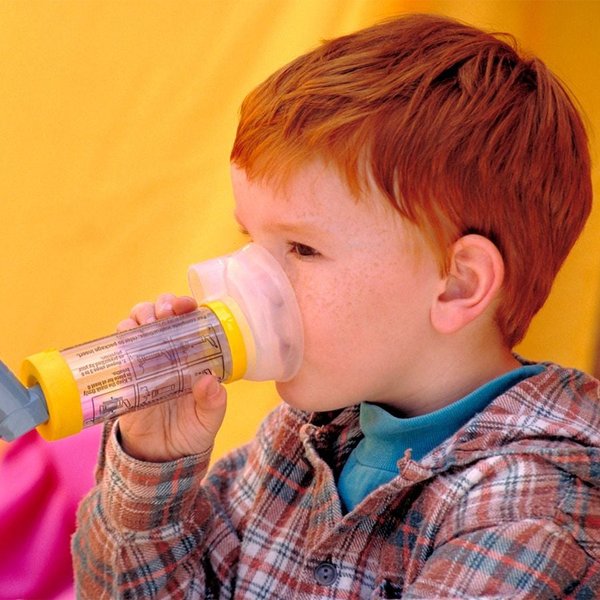
A child properly using an inhaler with a spacer for effective medication delivery.
Leukotriene Modifiers: Preventive Non-Steroidal Agents
Leukotriene modifiers, such as montelukast (Singulair), represent a preventive non-steroidal approach. These medications work by blocking the action of leukotrienes, which are inflammatory chemicals produced by the body that contribute to airway narrowing and swelling. By inhibiting these substances, leukotriene modifiers can help reduce the frequency and severity of wheezing episodes. Montelukast is often taken daily and is particularly considered for children prone to recurrent post-viral wheeze, especially if they also have allergies, eczema, or hay fever. While their efficacy can be mixed and may not benefit all individuals, they offer a valuable steroid-free option for long-term management.
Other Non-Steroidal Pharmaceutical Options
- Theophylline: This oral medication helps keep airways open by relaxing the muscles around them. While less commonly prescribed today due to newer alternatives, it remains a potential option for some individuals as a maintenance treatment.
- Over-the-Counter (OTC) Inhalers: For temporary relief of mild symptoms, OTC inhalers containing epinephrine or racepinephrine (e.g., Primatene Mist, Asthmanefrin) are available. These provide quick relief by acting as bronchodilators but are not recommended for moderate to severe conditions and should not replace professional medical advice.
- Hypertonic Saline: In some clinical settings, inhaled hypertonic saline can be used to help clear mucus and may reduce the length of hospital stays in acute wheezing episodes.
Home Remedies and Supportive Care for Wheezing Relief
Beyond prescribed medications, a range of home remedies and supportive measures can significantly help alleviate viral-induced wheezing symptoms and support recovery without the need for steroids. These strategies focus on soothing the airways, reducing irritation, and bolstering the body's natural healing processes.
Moisture and Hydration for Airway Comfort
Ensuring adequate hydration is paramount. Drinking plenty of fluids, especially warm liquids like herbal tea, warm water, or broth, can help thin mucus, soothe irritated throats, and alleviate coughing. For children, chilled drinks or ice lollies can also provide comfort and relief for a sore throat. Inhaling moist air is another highly effective strategy. Using a humidifier in the child's room or sitting in a steamy bathroom can help ease airway irritation and loosen mucus, making it easier to breathe and clear secretions.
Environmental Adjustments and Rest
Minimizing exposure to airborne irritants is crucial. This includes avoiding cigarette smoke (both primary and secondary), strong perfumes, dust, and cold, dry air, all of which can exacerbate airway inflammation and trigger wheezing. Ensuring ample rest is also vital for recovery, as it allows the body to conserve energy and focus on healing. For children, providing emotional support and a calm, comforting environment can be particularly beneficial when they are struggling with breathing difficulties.
Nutritional Support and Complementary Approaches
Certain dietary considerations may also offer support. Omega-3 fatty acids, found in oily fish, walnuts, flaxseed, and chia seeds, possess anti-inflammatory properties that can potentially reduce viral respiratory symptoms and enhance immunity. Quercetin, a flavonoid, may also be considered for children who are prone to post-viral wheeze and also experience allergic conditions like eczema or hay fever. While not primary treatments, these nutritional approaches can complement overall health strategies. Additionally, some alternative therapies such as breathing exercises, acupuncture, and massage therapy have shown limited but emerging evidence of providing symptomatic relief for respiratory conditions and may be explored under medical guidance.
Preventive Measures and Monitoring
Proactive strategies are key to reducing the frequency and severity of viral-induced wheezing episodes without relying on steroids. These include vaccination, trigger avoidance, and close symptom monitoring.
Vaccination and Trigger Avoidance
Keeping up-to-date with vaccinations, especially annual flu shots, can significantly reduce the risk of respiratory infections that commonly trigger wheezing. Identifying and avoiding individual triggers, such as specific allergens or environmental irritants, is also an important preventive step. For instance, maintaining a smoke-free environment is paramount, as exposure to smoke can severely irritate airways.
Developing an Action Plan and Recognizing Warning Signs
Having a personalized "wheeze action plan," developed in consultation with a healthcare provider, can empower individuals and caregivers to manage episodes effectively. This plan typically outlines when and how to use reliever inhalers, identifies key warning signs of worsening symptoms, and specifies when to seek urgent medical attention. For older children and adults, peak flow monitoring can help detect early signs of airway obstruction. It is crucial to recognize severe signs such as difficulty breathing, blue lips, rapid and labored breathing, grunting noises, or an inability to speak or drink due to breathlessness. In such instances, immediate emergency medical attention is required.
Antibiotics are ineffective against viral infections and should only be used if a secondary bacterial infection is confirmed. Oral steroids are generally not routinely recommended for mild to moderate viral-induced wheezing in preschool children, though they may be considered in severe cases.
Comparative Effectiveness of Non-Steroidal Approaches
To better understand the strengths of various non-steroidal approaches, the following radar chart illustrates their perceived effectiveness across several key dimensions. These assessments are based on the collective insights from various sources regarding their utility in managing viral-induced wheeze without steroids.
The radar chart visually represents the multifaceted utility of different non-steroidal interventions for viral-induced wheeze. Bronchodilators show high effectiveness in immediate symptom relief and applicability across different age groups, making them a cornerstone for acute episodes. Leukotriene modifiers, while strong in prevention, may have a slower onset and varying individual responses. Home remedies, though generally lower in immediate symptom relief compared to medications, excel in comfort, safety, and accessibility. Preventive measures, including vaccinations and trigger avoidance, are crucial for long-term health and reducing episode frequency, albeit with less direct impact during an acute wheezing attack. This visual comparison helps in understanding how different approaches complement each other in a holistic management plan.
Holistic Management of Viral-Induced Wheeze
Effective management of viral-induced wheeze often involves a combination of strategies, moving beyond immediate symptom relief to encompass preventive measures and long-term well-being. This integrated approach considers both pharmacological and non-pharmacological interventions to provide comprehensive care. The following mindmap illustrates the interconnectedness of these strategies, emphasizing a holistic perspective on addressing viral-induced wheezing.
(Non-Steroidal)"] id1["Understanding Condition"] id2["Definition: Airway Inflammation by Virus"] id3["Common in Young Children"] id4["Differs from Chronic Asthma"] id5["Self-Limiting Nature"] id6["Non-Steroidal Medical Treatments"] id7["Bronchodilators (e.g., Salbutamol)"] id8["Rapid Symptom Relief"] id9["Relax Airway Muscles"] id10["Administered via Inhaler/Nebulizer"] id11["Leukotriene Modifiers (e.g., Montelukast)"] id12["Preventive Action"] id13["Block Inflammatory Chemicals"] id14["Reduce Episode Frequency"] id15["Other Options"] id16["Theophylline (Airway Relaxation)"] id17["OTC Inhalers (Mild, Temporary Relief)"] id18["Hypertonic Saline (Mucus Clearance)"] id19["Home Remedies & Supportive Care"] id20["Hydration"] id21["Warm Liquids (Tea, Broth)"] id22["Chilled Drinks/Ice Lollies (for Children)"] id23["Moist Air"] id24["Humidifier Use"] id25["Steam Inhalation (Steamy Bathroom)"] id26["Rest & Emotional Support"] id27["Adequate Sleep"] id28["Calm Environment"] id29["Avoid Irritants"] id30["Cigarette Smoke"] id31["Strong Perfumes, Dust, Cold Air"] id32["Nutritional & Complementary Approaches"] id33["Omega-3 Fatty Acids (Anti-inflammatory)"] id34["Quercetin (Allergy/Wheeze Link)"] id35["Breathing Exercises, Acupuncture, Massage"] id36["Preventive Strategies & Monitoring"] id37["Vaccination (Flu, RSV)"] id38["Personalized Wheeze Action Plan"] id39["Early Recognition of Warning Signs"] id40["Difficulty Breathing, Blue Lips"] id41["Rapid, Labored Breathing"] id42["Inability to Speak/Drink"] id43["Avoidance of Unnecessary Antibiotics"] id44["Peak Flow Monitoring (Older Children/Adults)"]
This mindmap visually consolidates the key components of a non-steroidal approach to managing viral-induced wheeze. It highlights the importance of not only medical interventions but also supportive care and preventive strategies. By combining these elements, a holistic and effective management plan can be developed, prioritizing the individual's comfort and long-term respiratory health.
Understanding Key Differences: Bronchiolitis vs. Viral Induced Wheeze
Viral induced wheeze is often confused with bronchiolitis, especially in infants and young children, due to overlapping symptoms like coughing and wheezing. However, there are crucial distinctions in their pathophysiology and typical age of presentation, which can influence management. Bronchiolitis is primarily an infection of the small airways (bronchioles) in infants, usually under the age of 2, most commonly caused by RSV. Viral induced wheeze, while also virally triggered, typically affects slightly older children and involves broader airway inflammation and reactivity. Understanding these differences is important for accurate diagnosis and appropriate treatment. The following video offers a visual explanation of these distinctions, providing insights that can help caregivers and medical professionals differentiate between the two conditions and manage them effectively.
This video by "What Is Medical" clarifies the distinctions between Bronchiolitis and Viral-Induced Wheeze, key conditions affecting children's respiratory health.
Comparative Overview of Non-Steroidal Treatments
To provide a clearer perspective on the various non-steroidal treatments discussed, the following table summarizes their primary mechanisms of action, typical applications, and key considerations when used for viral-induced wheeze. This comparison highlights the diverse ways these approaches contribute to managing symptoms and improving breathing without the use of corticosteroids.
| Treatment Category | Primary Mechanism of Action | Typical Application/Purpose | Key Considerations for Viral-Induced Wheeze |
|---|---|---|---|
| Bronchodilators (e.g., Salbutamol) | Relax airway smooth muscles, widening airways. | Immediate relief of acute wheezing, opening constricted airways. | First-line for acute episodes. Administered via inhaler/nebulizer. Rapid effect, but no anti-inflammatory action. |
| Leukotriene Modifiers (e.g., Montelukast) | Block inflammatory leukotrienes, reducing airway swelling and narrowing. | Long-term prevention of recurrent wheezing episodes. | Taken daily. Can reduce frequency/severity, especially in atopic children. Efficacy varies among individuals. |
| Hypertonic Saline Inhalation | Helps thin and clear mucus from airways. | Used in acute hospital settings for mucus clearance. | May reduce hospital stay duration. Administered via nebulizer. Not a routine home therapy. |
| Theophylline | Relaxes airway muscles, similar to bronchodilators, but with broader effects. | Maintenance therapy to keep airways open. | Oral medication. Less commonly used today due to side effects and newer options, but still viable. |
| Over-the-Counter Inhalers (e.g., Epinephrine) | Quickly open airways via bronchodilatory action. | Temporary relief for very mild, infrequent symptoms. | Not for moderate/severe conditions. Should not replace prescribed bronchodilators or medical advice. |
| Humidification/Steam Inhalation | Adds moisture to air, soothing irritated airways and loosening mucus. | Symptomatic relief of cough and wheeze at home. | Safe, medication-free. Can be highly effective for comfort. Use cool mist humidifiers for children. |
| Hydration & Warm Liquids | Thins mucus and soothes the throat. | General supportive care for viral infections. | Essential for overall recovery. Simple and effective for symptom management. |
| Avoidance of Irritants | Reduces exposure to substances that trigger airway inflammation. | Preventive measure to minimize episode triggers. | Crucial for long-term management and reducing severity. Includes smoke, strong odors, allergens. |
Frequently Asked Questions About Non-Steroidal Wheeze Management
Can diet help reduce viral-induced wheezing?
Are breathing exercises effective for viral-induced wheeze?
When should I seek emergency medical attention for wheezing?
Is viral-induced wheeze the same as asthma?
Conclusion
Managing viral-induced wheeze without steroids is a multifaceted approach that combines symptomatic relief with preventive strategies and supportive care. Bronchodilators provide immediate relief during acute episodes, while leukotriene modifiers offer a preventive, non-steroidal option for reducing the frequency of wheezing. Complementary home remedies like hydration, humidification, and avoiding irritants play a crucial role in alleviating discomfort and supporting recovery. It is vital to consult with a healthcare professional to develop a personalized action plan, ensure appropriate medication use, and recognize when urgent medical attention is necessary. By adopting a comprehensive and informed approach, individuals can effectively manage viral-induced wheezing, promote respiratory comfort, and enhance their overall well-being.
Recommended Further Exploration
- Understanding the role of leukotriene modifiers in pediatric wheeze
- Best practices for using spacers with inhalers in children
- Non-pharmacological interventions for respiratory symptoms in children
- Differentiating viral bronchiolitis from viral-induced wheeze in infants