
Bridging the Gap: Safeguarding Wildlife on Our Roadways
Discover proven strategies and innovative solutions to minimize the conflict between wildlife and traffic, ensuring safer journeys for all.
The expansion of road networks, while crucial for human connectivity and economic development, poses significant threats to wildlife. These include habitat fragmentation, disruption of natural movement patterns, and direct mortality from wildlife-vehicle collisions (WVCs). Addressing these impacts is vital not only for biodiversity conservation but also for human safety and reducing economic losses associated with accidents. A multi-faceted approach, integrating infrastructure, technology, planning, and community involvement, offers the most promising path towards coexistence.
Key Insights: Protecting Our Wildlife on the Move
- Wildlife Crossing Structures are Highly Effective: Purpose-built overpasses and underpasses, especially when combined with guidance fencing, can reduce wildlife-vehicle collisions by up to 90%, allowing animals to safely navigate across busy roads.
- An Integrated Approach is Crucial: The most successful outcomes are achieved by combining multiple strategies, including physical barriers, technological warning systems, careful road planning, habitat protection, and driver awareness initiatives.
- Prevention Through Planning Saves Lives and Resources: Avoiding construction in sensitive wildlife habitats and incorporating ecological considerations into road design from the outset are fundamental to minimizing long-term impacts on animal populations.
Strategies for Mitigating Wildlife-Road Conflicts
A comprehensive suite of measures can be employed to reduce the negative impacts of roads on wildlife. These strategies range from large-scale infrastructure projects to localized interventions and policy changes.
1. Engineered Solutions: Wildlife Crossing Structures
Wildlife crossing structures are engineered passages designed to allow animals to safely cross roadways, thereby reducing WVCs and maintaining habitat connectivity. These are among the most effective interventions available.
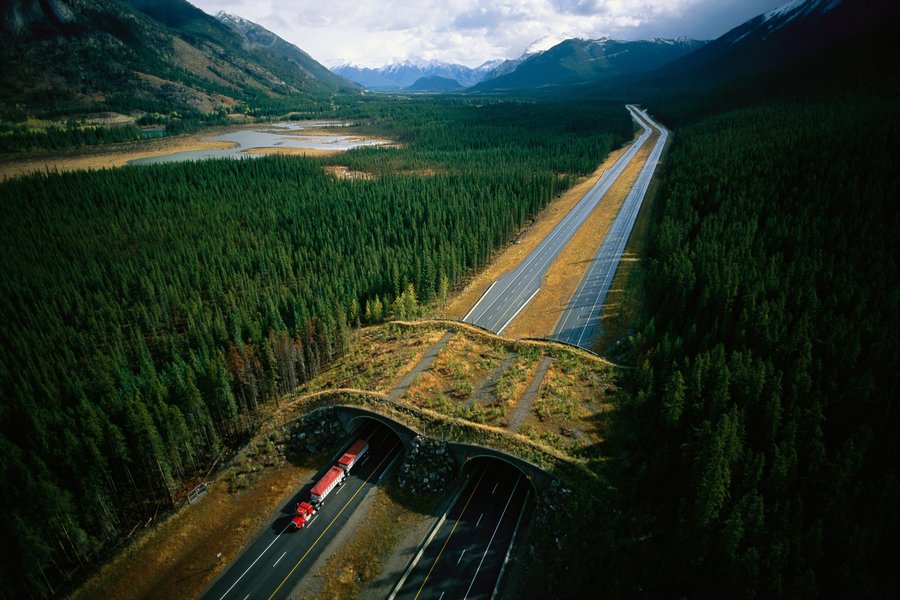
A vegetated wildlife overpass, or "ecoduct," allowing animals to safely cross a highway.
Types of Crossings:
- Overpasses (Ecoducts): These are bridge-like structures built over roads, often landscaped with native vegetation to mimic natural habitat and encourage use by a wide range of animals, particularly larger mammals like deer, elk, and bears.
- Underpasses and Culverts: Tunnels or pipes built beneath roads. Larger underpasses can accommodate medium to large animals, while smaller culverts are effective for amphibians, reptiles, and small mammals. Design considerations include openness, light penetration, and substrate.
Research consistently shows that well-designed and appropriately located crossing structures, especially when paired with guidance fencing, can reduce WVCs by 80-90%. The success of these structures depends on factors like size, location relative to animal movement corridors, and the presence of natural cover.

Elk safely utilizing an underpass to cross beneath a roadway.
2. Fencing and Guidance Barriers
Wildlife exclusion fencing is a critical complementary measure to crossing structures. It serves to prevent animals from accessing dangerous road sections and funnels them towards safe crossing points.
Key Considerations for Fencing:
- Height and Material: Fencing must be appropriate for the target species (e.g., taller fences for deer).
- Maintenance: Regular inspection and maintenance are crucial to ensure effectiveness and prevent breaches.
- Escape Mechanisms: Features like one-way gates or "jump-outs" (earthen ramps) should be incorporated to allow animals that inadvertently find themselves on the roadside to escape.
- Permeability Concerns: Fencing alone can fragment habitat if not used in conjunction with crossing structures. Careful planning is needed to maintain landscape permeability.
Electric mats placed at the ends of fences or near crossing entrances can also deter animals from attempting to bypass the intended routes, though their effectiveness can vary.
3. Strategic Road Planning and Design
Proactive planning is paramount in minimizing the impact of roads on wildlife.
Planning Principles:
- Avoid Sensitive Habitats: New road construction should avoid critical wildlife habitats such as wetlands, old-growth forests, known migration corridors, and breeding grounds. Environmental Impact Assessments (EIAs) are essential.
- Utilize Existing Corridors: When new roads are necessary, aligning them with existing linear features (e.g., other roads, utility lines) can reduce new habitat fragmentation.
- Road Design Features:
- Reduced Footprint: Minimizing the physical width of the road and associated disturbances.
- Permeable Surfaces: Using materials that allow water drainage and can support some forms of life.
- Noise and Light Barriers: Reducing sensory disturbances that can affect wildlife behavior and habitat use near roads.
- Protecting Adjacent Habitat: Conserving undeveloped land adjacent to roadways through mechanisms like conservation easements or land acquisition helps buffer against road impacts and maintains habitat connectivity.
Technological and Management Interventions
Beyond physical structures, technology and adaptive management play a growing role in reducing wildlife-road conflicts.
1. Advanced Detection and Warning Systems
Technology offers innovative ways to detect wildlife near roads and alert drivers.
- AI-Powered Video Recognition: Systems using artificial intelligence to analyze camera feeds can detect animals approaching roads in real-time and trigger warning signs for drivers or even adjust variable speed limits.
- Sensor-Based Systems: Radar, Lidar, or infrared sensors can detect larger animals, activating flashing warning signs or sending alerts.
- Mobile Digital Warning Signs: These can be deployed at known WVC hotspots, especially during peak animal activity periods (e.g., seasonal migrations, dawn/dusk).
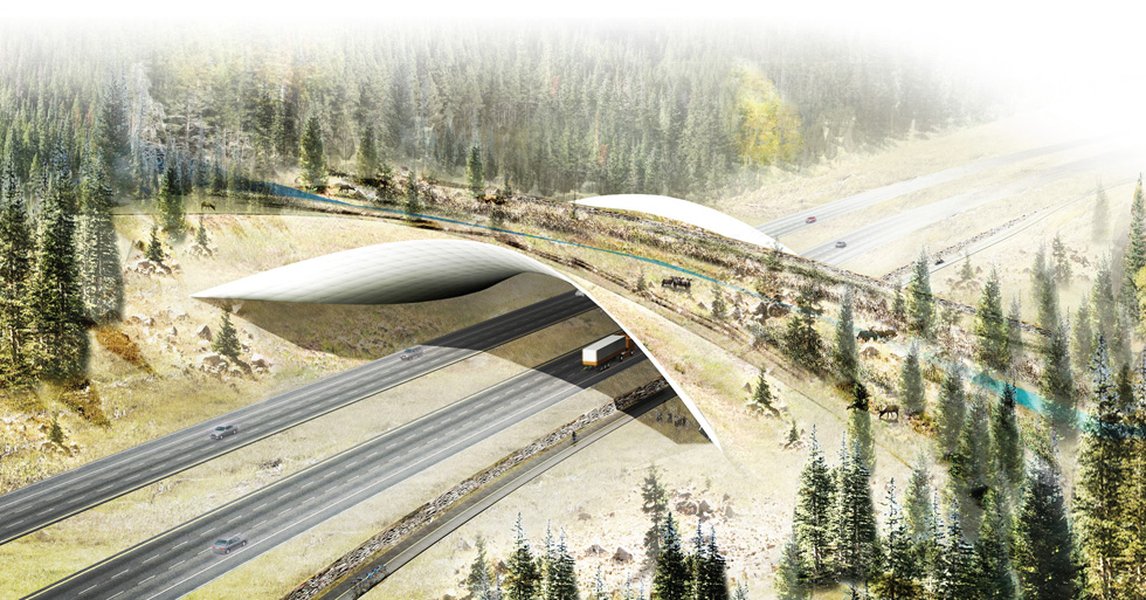
Innovative designs and technology are shaping the future of wildlife crossings.
2. Driver Awareness and Traffic Management
Informing drivers and managing traffic flow can contribute to reducing collision risks.
- Static Warning Signs: Traditional animal crossing signs alert drivers to areas with high wildlife activity.
- Reduced Speed Limits: Lowering speed limits in identified WVC hotspots, especially during high-risk times, can provide drivers with more reaction time. However, compliance can be an issue, and effectiveness is often enhanced when combined with other measures.
- Traffic Calming Measures: Speed bumps or rumble strips can be used in specific, high-risk locations, though they are not suitable for high-speed highways.
- Public Education Campaigns: Raising awareness among drivers about the risks of WVCs, peak animal activity times (dawn and dusk), and defensive driving techniques.
3. Habitat Connectivity and Restoration
Maintaining and restoring connections between habitats fragmented by roads is crucial.
- Identifying Key Corridors: Scientific studies, including GPS tracking of animals and landscape modeling, help identify critical movement corridors where mitigation efforts should be focused.
- Native Vegetation: Planting native vegetation along roadsides (where appropriate and safe) and within and around crossing structures makes these areas more attractive and functional for wildlife.
- Riparian Zone Protection: Rivers and streams often serve as natural corridors. Protecting and restoring these areas enhances landscape connectivity.
Comparative Effectiveness of Mitigation Strategies
Different strategies for reducing wildlife-road impacts vary in terms of their effectiveness, cost, maintenance requirements, and public acceptance. The radar chart below offers a conceptual comparison of several key intervention types. It's important to note that these are generalized assessments, and actual values can vary significantly based on specific site conditions, species, and implementation quality.
This chart illustrates that while comprehensive solutions like wildlife crossings coupled with fencing and habitat restoration tend to be highly effective and gain good public support, they can also involve higher costs and maintenance. Simpler measures like driver alert systems are less costly but may have lower overall effectiveness when used in isolation.
A Holistic View: Interconnected Mitigation Efforts
Reducing the impact of roads on wildlife requires a multifaceted strategy where various elements work in synergy. The mindmap below illustrates the interconnectedness of different approaches, from large-scale infrastructure to policy and community engagement.
This mindmap highlights that effective wildlife protection on roads isn't about a single solution but a comprehensive framework. Infrastructure like crossings and fencing provides physical safety nets. Thoughtful planning and design minimize initial impacts. Technology and ongoing management adapt to changing conditions and improve warnings. Finally, supportive policies and an engaged community provide the foundation and impetus for sustained action.
Visualizing Solutions in Action
Understanding how these strategies are implemented can be enhanced by seeing them in context. The following video provides an overview of wildlife crossings and their benefits for both animals and people.
This video, "How Wildlife Crossings Protect Both Animals And People!", illustrates the importance and functionality of wildlife crossing structures in reducing road accidents and preserving biodiversity.
The video emphasizes how engineered structures like overpasses and underpasses, often combined with extensive fencing, significantly reduce road accidents involving wildlife. This not only protects animal populations by maintaining their ability to move across landscapes but also enhances human safety by preventing dangerous collisions. Such projects represent a crucial investment in ecological connectivity and road safety.
Summary of Key Mitigation Strategies
The table below provides a concise overview of some primary strategies discussed, outlining their description and key benefits or effectiveness in reducing the impact of roads on wildlife.
| Strategy | Description | Key Benefits / Reported Effectiveness |
|---|---|---|
| Wildlife Crossing Structures (Overpasses/Underpasses) | Engineered structures allowing animals to cross over or under roads safely. Often vegetated to mimic natural habitat. | Can reduce WVCs by 80-90% when properly designed and combined with fencing. Maintains habitat connectivity. |
| Wildlife Fencing & Barriers | Physical barriers (e.g., woven wire, chain link) installed along roadsides to prevent animals from entering the roadway and to guide them towards crossing structures. | Highly effective in conjunction with crossings. Requires regular maintenance. Jump-outs/escape ramps are important additions. |
| Strategic Road Planning & Design | Avoiding construction in sensitive wildlife areas, utilizing existing corridors, minimizing road footprint, and incorporating wildlife-friendly design features. | Prevents habitat loss and fragmentation from the outset. Reduces long-term impacts and the need for costly retrofitting. |
| Advanced Detection & Warning Systems | Technology (e.g., AI, radar, infrared sensors) to detect wildlife near roads and alert drivers through dynamic signage or other means. | Provides real-time warnings, potentially reducing collisions in areas where physical crossings are not feasible. Effectiveness varies and is an area of ongoing research. |
| Traffic Management & Driver Awareness | Measures like reduced speed limits in high-risk zones, static and dynamic warning signs, and public education campaigns. | Can reduce WVCs, particularly when combined with other measures. Effectiveness depends on driver compliance and awareness. |
| Habitat Protection & Restoration | Conserving land adjacent to roads, restoring fragmented habitats, and maintaining or creating wildlife corridors. | Mitigates habitat loss, supports animal movement, and enhances the effectiveness of crossing structures. |
| Policy, Funding & Community Engagement | Implementing supportive government policies, securing funding for mitigation projects, and involving the public in reporting, advocacy, and awareness. | Creates a framework for widespread and sustained implementation of mitigation measures. Essential for long-term success. |
สรุปการลดผลกระทบของสัตว์ป่าข้ามถนน (Thai Summary)
กลยุทธ์สำคัญเพื่อความปลอดภัยของทั้งคนและสัตว์ป่า
การลดผลกระทบจากสัตว์ป่าที่ข้ามถนนเป็นสิ่งสำคัญเพื่ออนุรักษ์ความหลากหลายทางชีวภาพและความปลอดภัยของมนุษย์ กลยุทธ์ที่มีประสิทธิภาพสูงคือการผสมผสานหลายวิธีเข้าด้วยกัน:
- โครงสร้างทางข้ามสำหรับสัตว์ป่า (Wildlife Crossing Structures): เช่น สะพานลอยสำหรับสัตว์ (Overpasses/Ecoducts) และอุโมงค์ลอดใต้ถนน (Underpasses/Culverts) ช่วยให้สัตว์ข้ามถนนได้อย่างปลอดภัย การศึกษาวิจัยชี้ว่าเมื่อใช้ร่วมกับรั้วนำทาง สามารถลดอุบัติเหตุสัตว์ป่าถูกรถชนได้ถึง 80-90% โครงสร้างเหล่านี้ควรออกแบบให้กลมกลืนกับธรรมชาติและตั้งอยู่ในเส้นทางสัญจรของสัตว์
- รั้วกั้นและแผงนำทาง (Fencing and Barriers): รั้วกั้นสัตว์ป่าช่วยป้องกันไม่ให้สัตว์เข้าถึงถนนในจุดอันตราย และนำทางพวกมันไปยังทางข้ามที่จัดเตรียมไว้ ควรมีการบำรุงรักษาอย่างสม่ำเสมอและมีทางออกฉุกเฉินสำหรับสัตว์ที่พลัดหลงเข้ามา
- การวางแผนและออกแบบถนนอย่างมีกลยุทธ์ (Strategic Road Planning and Design): หลีกเลี่ยงการสร้างถนนใหม่ในพื้นที่อ่อนไหวทางระบบนิเวศ เช่น พื้นที่ชุ่มน้ำ ป่าอนุรักษ์ หรือเส้นทางอพยพของสัตว์ การออกแบบถนนควรมุ่งลดผลกระทบต่อสิ่งแวดล้อม เช่น ลดขนาดพื้นที่ถนน หรือติดตั้งแผงกั้นเสียงและแสง
- เทคโนโลยีและระบบเตือนภัย (Technology and Warning Systems): การใช้เทคโนโลยี เช่น ระบบตรวจจับสัตว์ด้วย AI หรือเซ็นเซอร์ เพื่อแจ้งเตือนผู้ขับขี่เมื่อมีสัตว์ป่าอยู่ใกล้ถนน รวมถึงป้ายเตือนอัจฉริยะที่สามารถเคลื่อนย้ายได้
- การจัดการจราจรและการสร้างความตระหนักของผู้ขับขี่ (Traffic Management and Driver Awareness): การลดความเร็วในพื้นที่เสี่ยง ป้ายเตือนสัตว์ป่า และการให้ความรู้แก่ผู้ขับขี่เกี่ยวกับพฤติกรรมของสัตว์ป่าและช่วงเวลาที่สัตว์ออกหากิน (เช่น พลบค่ำและรุ่งเช้า)
- การคุ้มครองและฟื้นฟูถิ่นที่อยู่อาศัย (Habitat Protection and Restoration): การอนุรักษ์พื้นที่ธรรมชาติข้างถนน และการฟื้นฟูแนวเชื่อมต่อระหว่างถิ่นที่อยู่อาศัยที่ถูกแบ่งแยกโดยถนน เพื่อให้สัตว์สามารถเคลื่อนย้ายได้อย่างปลอดภัย
- นโยบาย การสนับสนุนทางการเงิน และการมีส่วนร่วมของชุมชน (Policy, Funding, and Community Engagement): การสนับสนุนจากภาครัฐในการจัดสรรงบประมาณ โครงการนำร่อง และการออกนโยบายที่เอื้อต่อสัตว์ป่า รวมถึงการให้ชุมชนมีส่วนร่วมในการรายงานข้อมูลและการรณรงค์
การบูรณาการมาตรการเหล่านี้เข้าด้วยกันจะช่วยลดความขัดแย้งระหว่างมนุษย์กับสัตว์ป่าได้อย่างยั่งยืน สร้างความปลอดภัยให้ทุกชีวิต และรักษาสมดุลของระบบนิเวศ.
Frequently Asked Questions (FAQs)
What is the most effective single measure to reduce wildlife-vehicle collisions?
While effectiveness varies by context, wildlife crossing structures (overpasses and underpasses) combined with effective guidance fencing are generally considered the most effective single measure. Studies have shown they can reduce wildlife-vehicle collisions by 80-90% for targeted species by providing dedicated, safe routes for animals to cross roads.
How does fencing help protect wildlife near roads?
Wildlife fencing serves two main purposes: 1) It prevents animals from entering the roadway in dangerous areas, directly reducing the risk of collisions. 2) It guides or funnels animals towards safer crossing opportunities, such as dedicated wildlife underpasses or overpasses. For fencing to be most effective, it needs to be appropriately designed for the target species, well-maintained, and ideally used in conjunction with crossing structures to avoid simply creating a barrier that fragments habitat.
Can technology play a significant role in preventing wildlife accidents?
Yes, technology is playing an increasingly important role. Animal detection systems using radar, Lidar, infrared cameras, or AI-powered video analytics can identify wildlife near roads and trigger dynamic warning signs for drivers. This can be particularly useful in areas where physical crossings are not feasible or as a complementary measure. However, the reliability, cost, and maintenance of these systems are important considerations, and research is ongoing to improve their effectiveness.
Why is protecting habitat near roads important for wildlife safety?
Protecting and restoring habitat near roads is crucial for several reasons. Firstly, it provides safe zones and resources for wildlife, reducing the need for them to cross roads frequently in search of food, water, or shelter. Secondly, maintaining habitat connectivity through wildlife corridors (which can include areas adjacent to roads and crossing structures) allows animals to move between larger habitat patches, which is essential for genetic diversity and long-term population viability. Intact habitats near roads can also buffer wildlife from some of the direct disturbances of traffic.
Recommended Further Exploration
To delve deeper into related topics, consider exploring these queries:
- What are the economic benefits of investing in wildlife crossing infrastructure?
- How do different animal species respond to various types of wildlife crossings?
- What role does citizen science play in monitoring wildlife-vehicle collisions and informing mitigation strategies?
- Explore case studies of successful large-scale wildlife corridor projects across the globe.
References
The information presented is synthesized from various expert sources. For further reading, please consult the following:
Last updated May 9, 2025