
Unlock Your Ankles: The Essential Guide to Reclaiming Flexibility and Mobility
Discover practical steps and exercises to regain supple, strong ankles for improved movement and injury prevention.
Key Insights to Kickstart Your Ankle Flexibility Journey
- Consistent Effort is Crucial: Regaining ankle flexibility requires a dedicated routine of stretching, strengthening, and mobility exercises performed regularly.
- Listen to Your Body: Gentle progression is key. Avoid sharp pain during exercises and consult a healthcare professional if you have prior injuries or chronic conditions.
- Holistic Benefits: Improved ankle flexibility not only enhances range of motion but also contributes to better balance, athletic performance, and a reduced risk of injuries to the ankles, knees, hips, and lower back.
Understanding Ankle Flexibility: Why It Matters
Ankle flexibility, often termed ankle mobility, refers to the capacity of the ankle joint and its surrounding muscles and tendons to move through their complete range of motion. This includes crucial movements like dorsiflexion (pulling your foot up towards your shin) and plantarflexion (pointing your foot downwards). Adequate ankle flexibility is fundamental not just for athletes in sports like running, swimming, or dancing, but for everyday activities such as walking, climbing stairs, and squatting. Limited ankle mobility can stem from various factors including past injuries, prolonged inactivity, muscle stiffness, or tendon tightness. This restriction can cascade upwards, potentially leading to compensatory movement patterns that strain other joints like the knees, hips, and even the lower back.
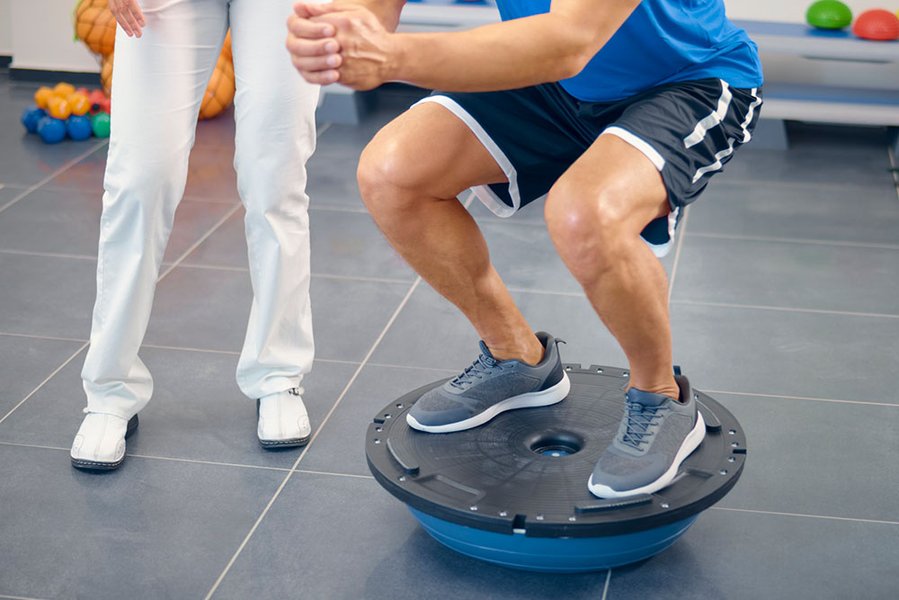
Various exercises targeting ankle flexibility and strength.
Restoring and maintaining good ankle flexibility offers numerous advantages:
- Enhanced Range of Motion: Allows for smoother, more efficient movements.
- Injury Prevention: Proper ankle mechanics reduce stress on the joint and lower limbs, preventing sprains, strains, and overuse injuries.
- Improved Athletic Performance: Crucial for generating power and efficiency in activities like running (better push-off) and swimming (more effective kicks).
- Better Balance and Stability: Strengthens stabilizing muscles, improving proprioception (your body's awareness of its position in space).
- Increased Blood Flow: Stretching and movement deliver more nutrients and oxygen to the joint tissues, promoting health and suppleness.
- Optimal Posture and Alignment: Good ankle function supports overall body alignment.
A Multi-Faceted Approach to Restoring Ankle Flexibility
Regaining ankle flexibility isn't about a single magic exercise; it's about a consistent, well-rounded approach. This involves warming up properly, dedicated stretching, targeted strengthening, specific mobility drills, and being mindful of your body's signals.
Phase 1: Preparation and Warm-Up
Setting the Stage for Success
Before diving into more intensive exercises, it's vital to prepare your ankles. A good warm-up increases blood flow to the muscles and tendons, making them more pliable and less prone to injury. Light activities like marching in place, gentle ankle rotations, or a few minutes of low-impact cardio can suffice. Some individuals find applying a heat pack for about 15 minutes before exercising can also help relax tissues, especially if there's pre-existing stiffness.
Phase 2: Stretching for Increased Range of Motion
Stretching exercises are fundamental for elongating the muscles and tendons around the ankle, particularly the calf muscles (gastrocnemius and soleus) and the Achilles tendon, which are often tight and can restrict movement.
Key Stretching Exercises:
- Ankle Circles:
Sit or lie down with your leg extended. Gently and slowly rotate your ankle in a circular motion. Perform 10-15 circles clockwise, then 10-15 circles counter-clockwise. You can hold the stretch at the extreme ends of the circle for a few seconds to deepen it.
- Standing Calf Stretch (Gastrocnemius):
Face a wall, placing your hands on it for support. Step one foot back, keeping the back leg straight and the heel firmly on the floor. Lean forward, bending your front knee, until you feel a stretch in the calf of your back leg. Hold for 20-30 seconds. Repeat 2-3 times on each leg.
- Bent-Knee Calf Stretch (Soleus Stretch):
Assume the same starting position as the standing calf stretch. This time, slightly bend the knee of your back leg while keeping the heel on the floor. You should feel this stretch lower in the calf, closer to the Achilles tendon. Hold for 20-30 seconds. Repeat 2-3 times on each leg.
- Kneeling Ankle Dorsiflexion Stretch:
Kneel on one knee, with your other foot flat on the floor in front of you (like a lunge position). Gently push your front knee forward over your toes, ensuring your heel stays flat on the ground. You should feel a stretch in the front of your ankle and lower shin. Hold for 20-30 seconds. Repeat 2-3 times on each side.
- Toe-to-Wall Stretch:
Stand facing a wall with the toes of one foot a few inches away from it. Place the ball of that foot up against the wall, keeping your heel on the floor. Gently lean your knee towards the wall, deepening the stretch in your calf and ankle. Hold for 20-30 seconds and switch sides.
- Downward-Facing Dog:
This yoga pose is excellent for a full-body stretch that particularly benefits the ankles by lengthening the calves and Achilles tendons. Start on your hands and knees, then lift your hips up and back, forming an inverted 'V' shape with your body. Try to press your heels towards the floor (it's okay if they don't reach). Hold for 20-30 seconds, repeating 3-5 times.
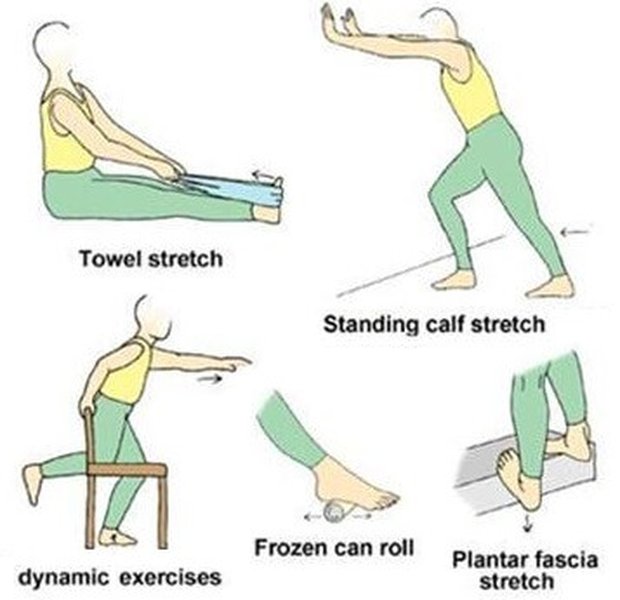
Examples of common ankle stretches to improve flexibility.
Phase 3: Strengthening for Support and Stability
While stretching increases flexibility, strengthening the muscles around the ankle provides crucial support and control, helping to maintain and utilize the newly gained range of motion. Strong ankles are also more resilient to injury.
Essential Strengthening Exercises:
- Calf Raises (Heel Raises):
Stand with your feet flat on the floor, hip-width apart. You can hold onto a chair or wall for balance if needed. Slowly rise up onto the balls of your feet, lifting your heels as high as you can. Hold for a moment, then slowly lower your heels back down. Aim for 2-3 sets of 10-15 repetitions. Progress to single-leg calf raises as you get stronger.
- Eccentric Calf Raises (Heel Drops):
Stand on the edge of a step or sturdy platform with your heels hanging off the edge. Rise up onto your toes using both feet. Then, lift one foot off the step and slowly lower the heel of the supporting foot below the level of the step over a count of about 10 seconds. Use both feet to rise back up, or the supporting leg if strong enough. This focuses on the lengthening (eccentric) phase of muscle contraction, which is very effective for building strength and flexibility. Perform 3 sets of 10-15 repetitions per leg.
- Toe Walks and Heel Walks:
Walk a short distance (e.g., 10-15 steps) on your toes, then turn around and walk back on your heels. This strengthens various muscles in the foot and lower leg. Repeat for 2-3 sets.
- Resistance Band Exercises:
Secure a resistance band around a stable object and loop the other end around your forefoot.
- Dorsiflexion: Sit with your leg extended. Pull your toes towards your shin against the band's resistance.
- Plantarflexion: Anchor the band under your other foot or hold it. Point your toes away from you against the resistance.
- Inversion/Eversion: Anchor the band to the side. Turn your foot inward (inversion) or outward (eversion) against the resistance.
Phase 4: Mobility Drills for Active Range of Motion
Mobility exercises focus on actively moving the ankle joint through its full range, improving control and functional flexibility.
Effective Mobility Drills:
- Loaded Stretches (e.g., Weight-Bearing Lunges):
Step into a lunge position with your front foot flat on the floor. Gently lean forward, allowing your front knee to track over your toes while keeping your heel down. This provides a loaded stretch to the ankle. Hold for 20-30 seconds. You can also perform dynamic lunges, moving in and out of the stretch.
- Box Dorsiflexion Stretch:
Place the foot of the leg you want to stretch onto a low box or step, keeping the heel on the ground. Lean your body forward, pushing your knee over your toes to increase dorsiflexion. Hold the stretch or perform gentle pulses.
- Sitting on Heels:
Start by kneeling and then sit back onto your heels, feeling a stretch across the front of your ankles and shins. Begin with short durations (e.g., 15 seconds) and gradually increase. If comfortable, you can deepen the stretch by slowly walking your hands behind you.
Visualizing Ankle Health Improvement
The radar chart below offers a conceptual representation of how dedicated ankle flexibility work can impact various facets of ankle health. The "Before" state might represent an individual with limited mobility, while the "After" state illustrates potential improvements following a consistent regimen of the exercises discussed. These are illustrative values to show potential progress across different domains.
This chart highlights that improvements are not just about one aspect, like dorsiflexion, but about a holistic enhancement of ankle function, including better stability, reduced injury risk, and improved balance and athletic performance.
Mapping Your Path to Flexible Ankles
To better understand the interconnected components of restoring ankle flexibility, the mindmap below outlines the key areas of focus. It visually organizes the strategies, types of exercises, expected benefits, and important considerations involved in this process.
(Avoid Pain)"] id1e["Professional Consultation
(If Injured)"] id2["Types of Exercises"] id2a["Stretching"] id2a1["Ankle Circles"] id2a2["Calf Stretches
(Gastrocnemius & Soleus)"] id2a3["Dorsiflexion Stretches
(Kneeling, Toe-to-Wall)"] id2a4["Downward Dog"] id2b["Strengthening"] id2b1["Calf Raises
(Standard & Eccentric)"] id2b2["Toe & Heel Walks"] id2b3["Resistance Band Work"] id2c["Mobility Drills"] id2c1["Loaded Stretches (Lunges)"] id2c2["Box Dorsiflexion"] id2c3["Sitting on Heels"] id2d["Balance Exercises"] id2d1["Single Leg Stands"] id3["Benefits"] id3a["Increased Range of Motion"] id3b["Injury Prevention"] id3c["Enhanced Athletic Performance"] id3d["Improved Balance & Stability"] id3e["Better Posture & Alignment"] id3f["Increased Blood Flow"] id4["Additional Aids & Tips"] id4a["Foam Rolling (Calves)"] id4b["Heat Application (Pre-exercise)"] id4c["Yoga or Pilates"] id4d["Patience and Persistence"]
This mindmap serves as a quick reference, illustrating that a comprehensive approach addressing stretching, strengthening, mobility, and mindful practice leads to the most effective restoration of ankle flexibility.
Exercise Demonstrations and Further Insights
Visual guidance can be incredibly helpful when learning new exercises. The video below from E3Rehab provides excellent demonstrations and explanations for various ankle mobility exercises, which can help ensure you are performing them correctly and effectively. It covers many of the principles and exercises discussed, offering a practical look at how to improve your ankle's range of motion for activities like squatting and general movement.
This video emphasizes the importance of targeting specific limitations in ankle mobility. It showcases exercises that address both soft tissue restrictions (like tight calf muscles) and joint mobility itself. Understanding the 'why' behind each exercise, as often explained in such resources, can enhance your commitment and the effectiveness of your routine.
Exercise Summary Table
To consolidate the types of exercises and their primary goals, the following table provides a quick overview:
| Exercise Category | Primary Goal | Example Exercises | Key Benefits |
|---|---|---|---|
| Warm-Up | Prepare tissues for exercise, increase blood flow | Light cardio, ankle circles (gentle) | Reduces injury risk, improves muscle pliability |
| Stretching | Increase muscle and tendon length, improve passive range of motion | Standing Calf Stretch, Soleus Stretch, Kneeling Dorsiflexion Stretch, Downward Dog | Relieves tightness, increases flexibility, improves joint movement |
| Strengthening | Build muscle capacity, support joints, improve active control | Calf Raises (various), Toe/Heel Walks, Resistance Band Exercises | Enhances stability, supports new ranges of motion, prevents weakness-related limitations |
| Mobility Drills | Improve active range of motion and joint function under load | Weight-Bearing Lunges, Box Dorsiflexion, Sitting on Heels | Improves functional movement, translates flexibility into real-world activities |
| Balance & Proprioception | Enhance body awareness and joint stability | Single Leg Balance, Supported Isometric Squats | Reduces risk of falls/twists, improves coordination |
This table serves as a reminder that a balanced routine incorporating all these elements will yield the best results for regaining and maintaining ankle flexibility.
Frequently Asked Questions (FAQ)
▶ How often should I perform these ankle flexibility exercises?
For optimal results, aim to perform stretching exercises daily, or at least 5-7 times per week. Strengthening exercises can typically be done 3-5 times per week, allowing for some recovery. Mobility drills can also be incorporated daily or on exercise days. Consistency is more important than intensity, especially in the beginning.
▶ What should I do if I experience pain during an exercise?
You should not feel sharp, stabbing, or intense pain during these exercises. A mild stretching sensation or muscle fatigue is normal. If you experience significant pain, stop the exercise immediately. You may need to reduce the range of motion, intensity, or duration. If pain persists, or if you have a history of ankle injury or a chronic condition, it is crucial to consult with a physical therapist or healthcare professional for personalized guidance.
▶ How long will it take to see improvements in my ankle flexibility?
The timeframe for seeing improvements varies greatly depending on your starting level of flexibility, consistency of your routine, the specific exercises you perform, and individual factors. Some people may notice small improvements within a few weeks, while for others, it might take several months of consistent effort to achieve significant changes. Patience and persistence are key.
▶ Why is ankle flexibility particularly important for activities like running or squatting?
For running, adequate ankle flexibility, especially dorsiflexion, allows for a proper foot strike, shock absorption, and efficient push-off. Limited mobility can lead to compensatory movements, increasing strain on knees, hips, and shins. In squatting, sufficient ankle dorsiflexion is necessary to allow the knees to track forward over the toes while keeping the heels down, enabling greater depth and proper form, which prevents excessive stress on the lower back.
▶ Can I use any tools or equipment to help improve ankle flexibility?
Yes, several tools can aid your efforts. Resistance bands are excellent for adding challenge to strengthening exercises. A slant board or wedge can help deepen calf and ankle stretches. Foam rollers can be used on calf muscles for self-myofascial release to reduce tightness before stretching. Yoga blocks can assist in modifying poses to suit your current flexibility level. However, many effective exercises require no equipment at all.
Recommended Next Steps
To further deepen your understanding and address related concerns, you might find these queries useful:
- What are the best exercises to prevent ankle sprains?
- How does poor ankle mobility affect knee and hip health?
- Can foam rolling significantly improve ankle dorsiflexion?
- What is the role of proprioception exercises in ankle rehabilitation?
References
Last updated May 7, 2025