
Unlocking the Hidden Patterns: A Deep Dive into Relationship Transition Analysis
Discover how scientific methods reveal the evolving dynamics between two individuals through life's critical relationship junctures
Essential Insights About Relationship Transition Analysis
- Relationships follow predictable transition patterns - Research shows that relationships typically experience distinct phases, including a crucial "transition point" that can determine long-term outcomes
- Communication quality during transitions is the strongest predictor of relationship success - How couples navigate challenging conversations during periods of change often determines whether they grow together or apart
- Data-driven analysis can identify relationship patterns invisible to those experiencing them - Systematic examination of communication patterns, emotional responses, and behavioral changes offers objective insights into relationship trajectories
Understanding Relationship Transition Analysis
Relationship transition analysis is a systematic approach to understanding how the dynamics between two individuals evolve over time. By examining key variables—such as communication patterns, emotional connections, conflict resolution strategies, and external influences—this methodology provides insights into relationship health, trajectory, and potential outcomes.
Unlike casual observation, a formal relationship transition analysis uses structured data collection methods and analytical frameworks to identify patterns that might otherwise remain hidden. This approach is particularly valuable during significant relationship milestones such as moving in together, navigating long-distance periods, career changes, or considering deeper commitment.
The Science Behind Relationship Transitions
Recent research has identified distinct phases that relationships typically progress through, with predictable patterns of satisfaction and challenge. Most notably, researchers have identified a critical "transition point" that often occurs 1-2 years before potential separation, marked by a rapid decline in relationship satisfaction. Understanding these patterns allows couples to recognize warning signs and implement effective interventions before problems become insurmountable.
Longitudinal studies have demonstrated that relationship quality often follows a predictable curve—starting with high satisfaction during the "honeymoon phase," gradually declining during day-to-day reality, experiencing turbulence during major transitions, and either stabilizing or continuing to decline based on how effectively couples navigate challenges together.
Comprehensive Framework for Relationship Transition Analysis
Step 1: Identify Key Relationship Variables
The first step in relationship transition analysis involves identifying the specific variables that will be examined. These typically include:
Communication Patterns
How do the individuals express their needs, feelings, and desires? Do they practice active listening? How do they handle difficult conversations? Assessment focuses on both verbal and non-verbal communication, frequency of interaction, and communication styles during conflict.
Emotional Connection
This examines the emotional intelligence of both individuals, how they respond to each other's emotional needs, and whether they create a safe space for vulnerability. Analysis includes assessment of attachment styles (secure, anxious, avoidant) and how these influence relationship dynamics.
Conflict Resolution
How do the individuals handle disagreements? Do they approach conflicts as a team or as adversaries? This variable examines conflict frequency, resolution strategies, and patterns of compromise versus stonewalling.
External Influences
This considers how outside factors—such as career demands, family relationships, social networks, and financial circumstances—impact the relationship. Analysis examines how the couple navigates these external pressures together.
Step 2: Map Relationship Phases
Relationship transition analysis involves identifying the major phases and transition points in the relationship's history. The four primary phases include:
Initiation Phase
The beginning period characterized by attraction, discovery, and idealization. During this phase, couples experience heightened emotional connection and tend to emphasize similarities while minimizing differences.
Development Phase
Partners deepen their connection through shared experiences and begin establishing routines and patterns. This phase involves greater self-disclosure and the gradual emergence of relationship roles.
Transition Point
A critical juncture typically triggered by significant life events (moving in together, career changes, family planning). Research shows that relationship satisfaction often declines during this phase as couples face increased constraints and expectations.
Terminal or Stabilization Phase
Following the transition point, relationships either enter a terminal phase (marked by sharp satisfaction decline) or a stabilization phase (characterized by renewed commitment and adaptation). This phase typically occurs between 7-28 months after reaching the transition point.
Step 3: Data Collection Methods
A comprehensive relationship transition analysis employs multiple data collection approaches:
| Method | Purpose | Example Tools | Advantages |
|---|---|---|---|
| Structured Questionnaires | Gather quantitative data on relationship satisfaction, communication quality, and conflict frequency | Relationship Assessment Scale, Gottman Method Questionnaires | Objective measurement, easy comparison over time |
| In-depth Interviews | Explore personal experiences, expectations, and feelings about the relationship | Semi-structured interview guides, timeline exercises | Rich qualitative insights, nuanced understanding |
| Behavioral Observation | Analyze interaction patterns during daily activities and conflict discussions | Recorded conversations, third-party observation | Reveals unconscious patterns, identifies discrepancies |
| Daily Journals | Track emotional responses, satisfaction, and significant events in real time | Structured diary entries, mood tracking apps | Captures day-to-day variations, minimizes recall bias |
| Retrospective Timelines | Map relationship history, significant milestones, and turning points | Relationship lifeline exercises, event mapping | Identifies patterns over time, contextualizes transitions |
Relationship Factors Radar Assessment
The Relationship Transition Radar Chart provides a visual representation of key relationship variables and how they change across different relationship phases. This visualization helps identify areas of strength and potential concern, highlighting where interventions might be most beneficial. Each axis represents a different relationship dimension, with higher scores indicating greater strength in that area.
Relationship Transitions Mindmap
The following mindmap illustrates the complex interconnections between different aspects of relationship transitions. It provides a framework for understanding how various factors influence relationship dynamics during periods of change. This visual representation helps identify key areas to address when conducting a comprehensive relationship transition analysis.
Visual Representations of Relationship Stages
These visualizations illustrate the typical emotional journey and transitions couples experience throughout their relationship. Understanding these stages helps contextualize current relationship dynamics and anticipate future challenges and opportunities for growth.
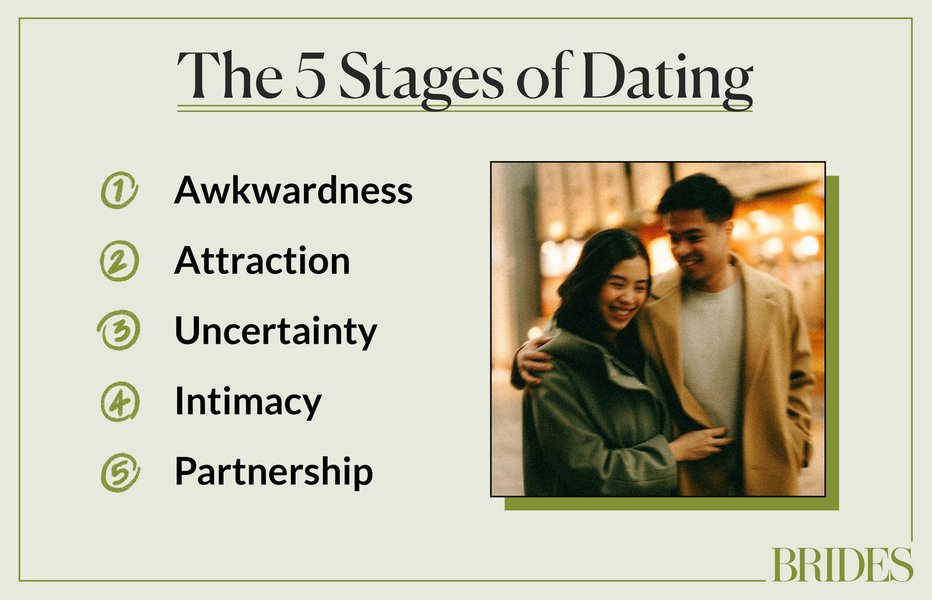
The typical progression of relationship stages

Emotional journeys throughout relationship transitions
Insightful Relationship Research
This video provides valuable insights into research-based understanding of relationship dynamics and transitions, exploring what makes partnerships successful through major life changes.
This research-based presentation examines how our perceptions of an "ideal partner" evolve as relationships transition from initial attraction to long-term commitment. Understanding these changing expectations is crucial for analyzing relationship transitions effectively.
Step-by-Step Guide to Conducting a Relationship Transition Analysis
Phase 1: Preparation and Data Collection
Before beginning the analysis, establish clear objectives and ethical guidelines. Ensure both individuals consent to the process and understand how information will be used. Collect data through a combination of the following methods:
- Individual Assessments: Both partners complete standardized relationship questionnaires measuring satisfaction, communication, and conflict resolution styles.
- Relationship Timeline: Create a visual mapping of the relationship history, including significant milestones, transitions, and turning points.
- Communication Analysis: Record and analyze conversation patterns during both everyday discussions and conflict resolution attempts.
- Individual Interviews: Conduct separate interviews to understand each person's perspective on the relationship, their needs, and their vision for the future.
Phase 2: Analysis and Pattern Identification
Once data is collected, analyze it to identify patterns, strengths, and potential areas of concern:
- Compare Relationship Phases: Analyze how key variables (communication, emotional connection, etc.) have changed across different relationship stages.
- Identify Transition Triggers: Determine what events or circumstances have precipitated major relationship transitions.
- Assess Current Trajectory: Based on identified patterns, evaluate whether the relationship is in a growth, maintenance, or decline phase.
- Analyze Conflict Patterns: Identify recurring conflicts and their underlying themes, as well as effective and ineffective resolution strategies.
Phase 3: Reporting and Recommendations
Synthesize findings into a comprehensive report that includes:
- Relationship Strengths: Highlight positive patterns and resilience factors that support the relationship.
- Growth Opportunities: Identify areas where improved skills or approaches could enhance relationship quality.
- Transition Management Strategies: Provide specific recommendations for navigating current or upcoming transitions effectively.
- Future Planning: Offer guidance for alignment on long-term goals and continued relationship growth.
Frequently Asked Questions About Relationship Transition Analysis
References
- Transition point in romantic relationships signals the beginning of... - Science Daily
-
The Impact of the Transition to Cohabitation on Relationship... - PMC
- The Impact of Relationship Transitions on Emotional Functioning - Simply Psychology
- 10 Opportunities for Growth Through Relationship Transitions - Marriage.com
- Psychologists Reveal the Point Your Relationship is 'Doomed' - Newsweek
- Statistics for Research Students: Section 4.1: Examining Relationships - USQ Pressbooks
- How do I analyze the change in the relationship between two variables - Stack Overflow
Recommended Explorations
Last updated April 5, 2025