
Soothing Your Skin: A Comprehensive Guide to Itch Relief
Understanding and Alleviating Pruritus for Lasting Comfort
Itching, medically known as pruritus, is a common and often frustrating sensation that compels us to scratch. While it can range from a mild annoyance to a severe, disruptive condition, various effective strategies and remedies exist to provide relief and prevent its recurrence. Understanding the underlying causes and applying appropriate treatments are key to restoring skin comfort and overall well-being.
Key Insights into Itch Relief
- Tailored Approaches: The most effective way to relieve itching often depends on its underlying cause, ranging from dry skin and allergies to specific skin conditions like eczema or even systemic illnesses.
- Immediate Soothing: Many common remedies, such as cool compresses, colloidal oatmeal baths, and high-quality moisturizers, can provide quick, temporary relief for various types of itchy skin.
- Preventative Measures: Beyond immediate relief, preventative strategies like maintaining proper skin hydration, avoiding irritants, and protecting skin from environmental factors are crucial for long-term comfort and reducing itch frequency.
Understanding the Roots of Itching
Deciphering the Causes of Pruritus
Itchy skin can arise from a multitude of factors, making diagnosis and targeted treatment essential. While some causes are benign and easily remedied, others may indicate more significant underlying health issues. Common culprits include:
- Dry Skin (Xerosis): This is one of the most frequent causes. When skin lacks moisture, its protective barrier can become compromised, leading to irritation and itching. Environmental factors like low humidity, hot or cold weather, and excessive washing can exacerbate dry skin.
- Skin Conditions: A vast array of dermatological conditions can cause intense itching. These include:
- Eczema (Atopic Dermatitis)
- Psoriasis
- Hives (Urticaria)
- Contact Dermatitis (allergic reactions to substances like poison ivy, certain metals, fragrances, or chemicals)
- Scabies, lice, and other parasitic infestations
- Fungal infections like jock itch
- Allergic Reactions: Beyond contact dermatitis, systemic allergic reactions to food, medications, or environmental allergens can manifest as itchy skin or hives.
- Insect Bites: Mosquitoes, fleas, and other insect bites frequently cause localized itching.
- Internal Diseases: Sometimes, itching can be a symptom of an underlying systemic condition, such as liver disease, kidney disease, thyroid problems, anemia, or certain cancers. Neurological disorders and even psychological factors like stress and anxiety can also trigger or worsen itching.
- Medications: Certain drugs can cause itching as a side effect.
- Pregnancy: Itching is common during pregnancy, sometimes due to hormonal changes or, in rarer cases, a liver condition called intrahepatic cholestasis of pregnancy (ICP).
Identifying the specific cause is paramount for effective treatment. While home remedies can offer significant relief for many common forms of itching, persistent or severe itching, especially if accompanied by other symptoms, warrants medical consultation.
Immediate Relief Strategies
Quick Solutions to Soothe Itchy Skin
When an itch strikes, immediate relief is often the top priority. Several simple yet effective strategies can help calm the sensation and prevent further irritation:
Cooling the Affected Area
Applying cold to itchy skin can provide quick and temporary relief by numbing nerve endings and reducing inflammation. This method is particularly useful for localized itching from insect bites, rashes, or minor irritations.
- Cold Compress: Soak a clean towel or washcloth in cool water, wring it out until damp, and apply it to the itchy area for 5-10 minutes.
- Ice Pack: Wrap ice cubes in a washcloth or use a bag of frozen vegetables and apply to the affected skin.
- Cool Baths or Showers: Lukewarm or cool baths and showers can help calm widespread itching. Avoid hot water, as it can strip the skin of its natural oils and worsen dryness. Consider adding baking soda or colloidal oatmeal to a cool bath for enhanced relief.
Applying a cold compress can quickly soothe localized itching.
Moisturize Regularly
Dry skin is a major contributor to itching. Daily moisturizing helps to restore the skin's barrier function, lock in moisture, and prevent dryness-induced itching.
- Unperfumed Lotions and Creams: Use fragrance-free, hypoallergenic moisturizers. Look for ingredients like ceramides, hyaluronic acid, or colloidal oatmeal. Apply immediately after bathing to seal in moisture.
- Petroleum Jelly: For very dry and itchy skin, a thick layer of petroleum jelly can provide intensive moisturizing and a protective barrier.
- Keep Moisturizer Cool: Storing your moisturizer in the fridge can add a cooling sensation upon application, further enhancing relief.
Avoid Scratching
While scratching offers temporary relief, it can exacerbate itching, damage the skin, and increase the risk of infection. Instead of scratching, try:
- Pinching or Patting: Gently pinch or pat the itchy skin area.
- Distraction: Engage in activities that divert your attention from the itch.
- Keep Nails Short: Trim fingernails to minimize skin damage if scratching occurs involuntarily, especially at night. Consider wearing cotton gloves at night to protect the skin.
Effective Home and Over-the-Counter Remedies
Natural and Readily Available Solutions
A variety of home remedies and over-the-counter (OTC) products can provide significant relief for many common causes of itching.
Soothing Baths and Topical Applications
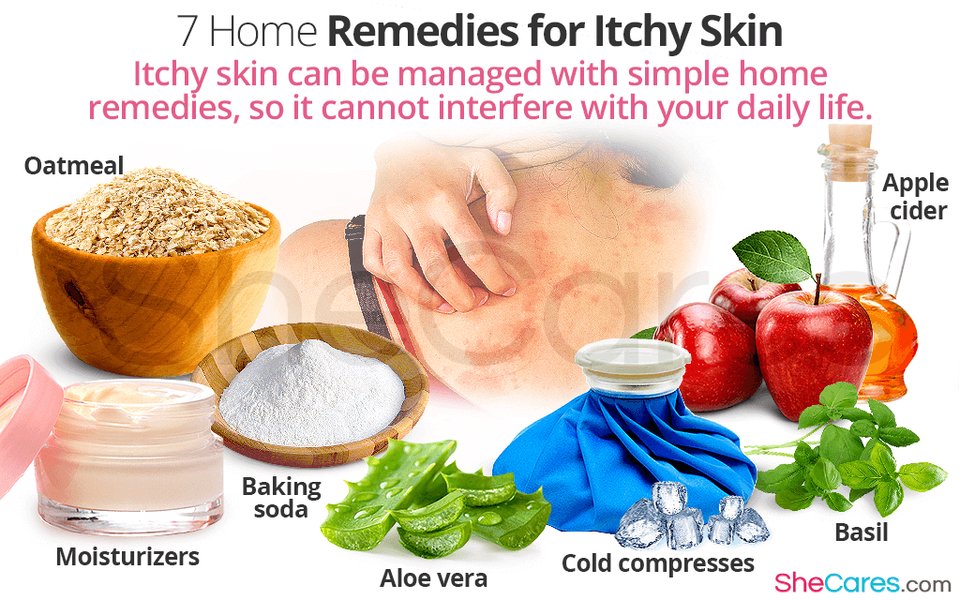
- Colloidal Oatmeal Baths: Finely ground oatmeal (colloidal oatmeal) creates a protective barrier on the skin, helping to seal in moisture and reduce dryness and itching. Add about a half cup (100 grams) to lukewarm bathwater and soak for 15-20 minutes.
- Baking Soda Baths: Similar to oatmeal, baking soda can soothe itchy skin. Add a quarter cup to a warm bath.
- Aloe Vera: Known for its soothing and healing properties, aloe vera gel can be applied directly to itchy areas to calm irritation.
- Menthol: Products containing menthol can create a cooling sensation that helps to calm itchy skin.
- Essential Oils (Diluted): Some essential oils, such as peppermint oil (diluted in a carrier oil), may offer relief due to their cooling effects. Always dilute essential oils before applying to the skin.
- Apple Cider Vinegar: Diluted apple cider vinegar can be applied to the scalp for itchiness (e.g., from dandruff) or to other affected areas, but avoid on broken skin as it can cause burning.
This video highlights three effective natural home remedies for soothing itchy skin and allergies.
Over-the-Counter Creams and Medications
When home remedies aren't quite enough, OTC options can offer more targeted relief.
- Hydrocortisone Creams: Mild steroid creams (usually 1% hydrocortisone) can reduce inflammation and itching caused by eczema, insect bites, and certain rashes. Use for only a few days unless directed by a doctor.
- Topical Anesthetics: Creams containing pramoxine can temporarily stop nerves from sending itch signals, providing relief for minor irritations, insect bites, and poison ivy/oak.
- Antihistamines: Oral antihistamines (e.g., diphenhydramine like Benadryl, or non-drowsy options like cetirizine or loratadine) can be effective for itching caused by allergies or hives. Sedating antihistamines can also help with nocturnal itching by promoting sleep.
Always follow product instructions and consult a pharmacist or doctor if you have questions or concerns about using these medications.

A variety of anti-itch creams are available over-the-counter to help alleviate discomfort.
Lifestyle Adjustments for Long-Term Comfort
Preventative Measures and Daily Habits
Beyond immediate relief, incorporating certain lifestyle adjustments can significantly reduce the frequency and severity of itching.
Clothing and Environmental Factors
- Wear Loose-Fitting Clothes: Choose soft, breathable fabrics like cotton. Avoid wool and synthetic fabrics that can irritate the skin.
- Protect Your Skin Outdoors: When in areas with biting insects or irritating plants (like poison ivy), wear long pants, long-sleeve shirts, and closed-toed shoes to minimize exposure.
- Use a Humidifier: In dry indoor environments, especially during winter, a humidifier can add moisture to the air, helping to prevent dry skin and associated itching.
- Avoid Prolonged Sun Exposure: Sunburn can lead to dry, itchy skin. Use sunscreen and protect your skin from excessive sun exposure.
Bathing Habits
- Lukewarm Water: Always use cool or lukewarm water for baths and showers, never hot.
- Limit Bath Time: Keep baths and showers short, ideally less than 20 minutes, to avoid stripping the skin of natural oils.
- Gentle Cleansers: Use mild, fragrance-free soaps or soap substitutes. Avoid harsh shower gels and foam bath products.
- Pat Dry: After bathing, gently pat your skin dry with a soft towel instead of rubbing vigorously.
Comparative Effectiveness of Itch Relief Strategies
A Radar Chart Analysis of Common Remedies
To illustrate the varying strengths of different itch relief strategies, the following radar chart provides an opinionated analysis across several key criteria: immediate relief, long-term effectiveness, natural approach, ease of use, and suitability for sensitive skin. This helps visualize which remedies might be best suited for particular needs, recognizing that individual responses can vary.
As the radar chart illustrates, different remedies excel in various aspects. For instance, a Cold Compress offers excellent immediate relief and is highly natural and suitable for sensitive skin, though its long-term effectiveness is limited to temporary soothing. Moisturizers are crucial for long-term skin health and overall ease of use, providing good suitability for sensitive skin, but their immediate itch-stopping power may be moderate compared to targeted medications. Hydrocortisone Creams offer strong immediate relief but are less aligned with a natural approach and should be used cautiously. This visual representation helps in selecting the most appropriate strategy based on the specific needs of the itching episode.
When to Seek Professional Medical Advice
Recognizing When Itching Signals More Serious Concerns
While many cases of itchy skin can be managed with home remedies and OTC treatments, it's crucial to know when to consult a healthcare professional. Persistent or severe itching can indicate an underlying medical condition that requires specific diagnosis and treatment.
You should see a doctor or dermatologist if:
- Itching is Persistent: The itch lasts for more than two to four weeks, despite home remedies.
- Itching is Severe: The itching is intense, widespread (generalized itching), or significantly interferes with daily activities or sleep.
- Accompanied by Other Symptoms: The itching occurs with other symptoms like a new or unusual rash, bumps, swelling, skin discoloration, fever, weight loss, fatigue, or jaundice (yellowing of the skin or eyes).
- No Obvious Cause: The cause of the itching is not apparent (e.g., no known allergies, insect bites, or dry skin).
- Signs of Infection: The skin appears inflamed, red, warm, weeping, or has pus, indicating a possible infection from scratching.
- Home Remedies Fail: Over-the-counter treatments and home remedies provide no relief or the condition worsens.
A doctor can conduct a thorough examination, which may include blood tests or a skin biopsy, to determine the cause of the itching and recommend appropriate prescription medications or other treatments. For instance, they might prescribe stronger corticosteroid creams, oral steroids, immunosuppressants, or even certain antidepressants (which can help with chronic itching by affecting nerve signals).
Comprehensive Overview of Itch Relief Methods
A Consolidated Guide to Remedies and Preventative Measures
The following table provides a concise summary of various itch relief methods, categorizing them by type and noting their primary benefits and common applications. This allows for quick reference when choosing the most suitable approach to manage itchy skin.
| Category | Method / Product | Primary Benefit | Common Applications |
|---|---|---|---|
| At-Home Soothing | Cool Compress / Ice Pack | Immediate numbing, reduces inflammation | Localized itching, bug bites, rashes, minor burns |
| At-Home Soothing | Colloidal Oatmeal Bath | Soothes, moisturizes, anti-inflammatory | Widespread itching, eczema, chickenpox, hives |
| At-Home Soothing | Baking Soda Bath | Calms irritation, pH balance | Widespread itching, general skin irritation |
| At-Home Soothing | Aloe Vera Gel | Cooling, healing, anti-inflammatory | Sunburn, minor irritations, general itch |
| Topical OTC | Moisturizers (Fragrance-Free) | Hydrates, restores skin barrier, prevents dryness | Dry skin, eczema, general skin maintenance |
| Topical OTC | Hydrocortisone Cream (1%) | Reduces inflammation and redness | Eczema flares, bug bites, allergic rashes |
| Topical OTC | Pramoxine Cream | Numbing effect on nerve endings | Insect bites, poison ivy/oak, minor skin irritations |
| Oral OTC | Antihistamines (e.g., Diphenhydramine, Cetirizine) | Blocks histamine response, reduces allergic itch, promotes sleep | Allergies, hives, nocturnal itching |
| Lifestyle / Prevention | Loose, Breathable Clothing | Reduces irritation, improves air circulation | General skin health, prevention of chafing and irritation |
| Lifestyle / Prevention | Humidifier | Adds moisture to air, prevents dry skin | Dry indoor environments (especially winter) |
| Lifestyle / Prevention | Short, Lukewarm Showers/Baths | Preserves skin oils, reduces dryness | Daily hygiene for sensitive/itchy skin |
Frequently Asked Questions About Itch Relief
What is the fastest way to stop an itch?
When should I be concerned about itchy skin?
Can stress cause itchy skin?
Are natural remedies always safe for itchy skin?
Why does my skin itch more at night?
Conclusion
Itching is a common and often distressing symptom that can significantly impact quality of life. Fortunately, a wide array of strategies, from simple home remedies and lifestyle adjustments to over-the-counter medications and professional medical interventions, can provide substantial relief. The most effective approach often involves identifying the underlying cause of the itch and tailoring treatment accordingly. By prioritizing skin hydration, avoiding irritants, and utilizing soothing topical applications, many individuals can find comfort. For persistent, severe, or unexplained itching, seeking advice from a healthcare professional is crucial to ensure proper diagnosis and comprehensive management, leading to lasting relief and healthier skin.
Recommended Further Queries
- Understanding the causes of chronic pruritus
- Best moisturizers for eczema-prone skin
- How to prevent dry skin in winter
- When to see a dermatologist for itching
References
Last updated May 22, 2025