
Beyond Waste: How Does REM Stack Up Against Global Circular Construction Innovators?
Exploring the landscape of startups revolutionizing material reuse in construction, comparing technologies, models, and funding insights.
REM is carving a niche in Latin America's construction sector by using Artificial Intelligence (AI), specifically Gemini, to create a marketplace for surplus building materials. This platform connects suppliers (construction companies, governments, individuals) with demand, aiming to drastically cut waste and costs while championing the circular economy through smart matching and image analysis. Let's delve into how REM compares to similar initiatives globally.
Key Highlights: The Circular Construction Arena
- Global Innovation Surge: Numerous startups worldwide are tackling construction waste, employing digital platforms, AI, and novel recycling methods to foster material reuse.
- Diverse Models: Approaches range from AI-driven marketplaces like REM and Concular, material registries like Madaster, forecasting tools like Material Mapper, to physical upcyclers like Front and FabBRICK.
- AI as a Differentiator: While digital platforms are common, the use of AI for smart matching, forecasting, and analysis (as seen in REM, Concular, Material Mapper) represents a significant technological edge in optimizing circularity.
Mapping the Competitive Landscape: Startups Driving Circularity
Understanding the Players Reshaping Material Reuse
The construction industry is a major contributor to waste globally. Recognizing this, a wave of startups and established companies are developing solutions to transition towards a more circular model. These initiatives vary significantly in their approach, technology, geographical focus, and business model. REM's focus on an AI-powered B2B/B2G marketplace for surplus materials in Latin America places it within this dynamic ecosystem, but with distinct characteristics. Let's examine some notable players.
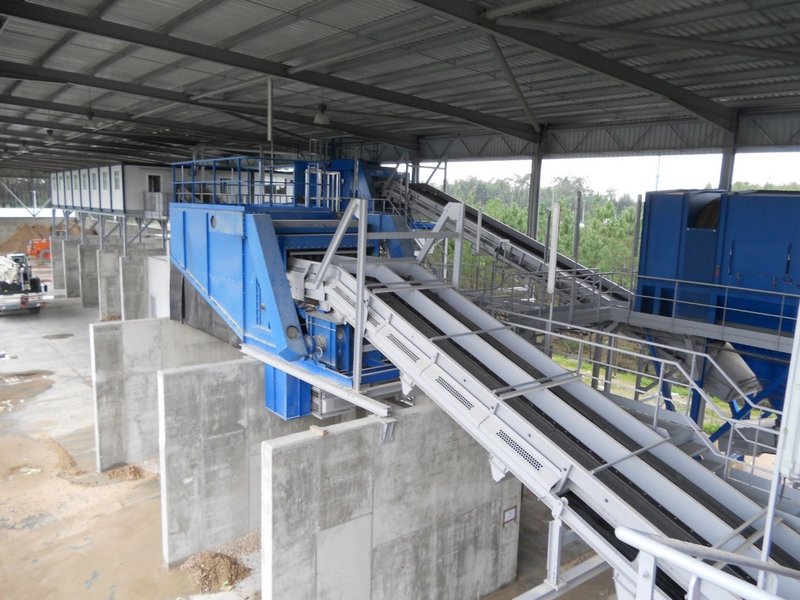
Automated Sorting of Construction Waste
Advanced sorting facilities are crucial for recycling and reusing materials from construction and demolition sites, forming a key part of the circular economy infrastructure.
Direct Competitors & Platform-Based Solutions
Concular (Germany/EU)
Description: Concular develops a digital platform, also leveraging AI, to manage material flows for circular construction primarily in Europe. It connects construction companies and governments with available surplus materials, focusing on tracking and reuse, particularly during demolition phases.
Comparison with REM: Similar to REM, Concular uses AI to optimize material reuse and reduce waste. However, Concular's primary focus is the European market, whereas REM targets Latin America. While both use AI, REM specifically highlights smart matching and image analysis, features not explicitly detailed for Concular in the provided context. Concular seems more integrated into the demolition and planning phases for material tracking.
- Pros: AI-driven, proven platform in the EU market, potential for sophisticated material tracking, secured Series A funding indicating growth potential.
- Cons: Geographically focused on Europe, potentially less emphasis on the specific AI features REM highlights (image analysis), might face different regulatory landscapes compared to LatAm.
- Funding: Has received Series A funding.
Madaster (Netherlands/EU)
Description: Madaster provides an online registry – a 'material passport' system – documenting materials within buildings. This facilitates identification and access for reuse upon demolition or renovation.
Comparison with REM: Both aim to enable material reuse and circularity. However, Madaster acts as a documentation and registry platform, making materials discoverable, while REM is an active marketplace connecting supply and demand using AI matching. Madaster doesn't appear to use AI in the same way REM does for dynamic matching. Madaster operates mainly in Europe.
- Pros: Established registry concept, promotes transparency and long-term planning for material reuse, successful partnerships demonstrate model viability.
- Cons: Not an AI-driven matching platform like REM, primarily focused on documentation rather than active transactions, EU-centric.
- Funding: Attracted investment through corporate partnerships, suggesting Seed or Series A level funding/support.
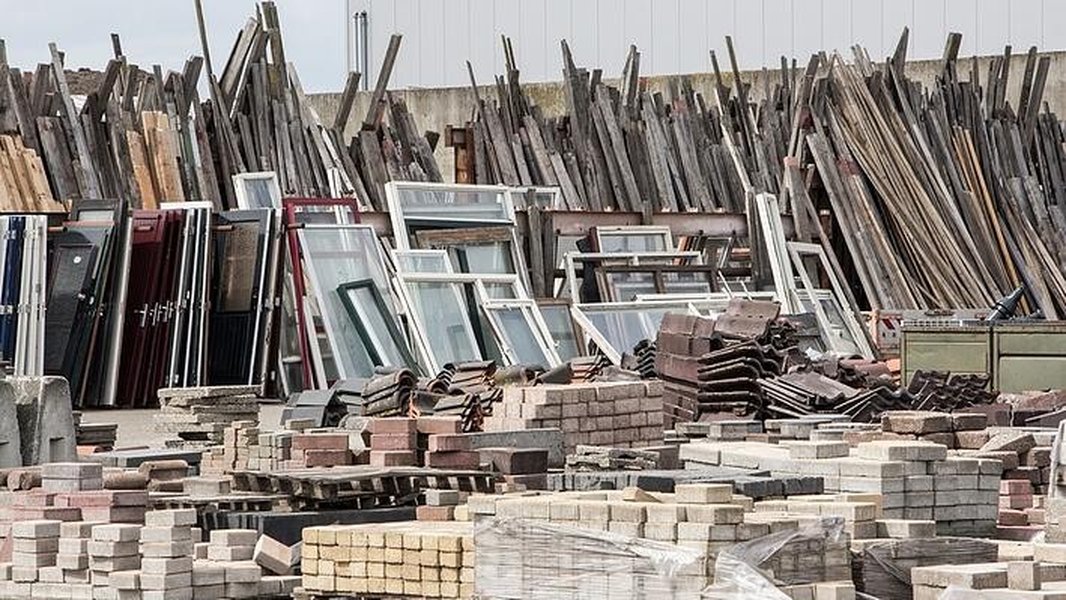
Recycled Aggregates in Construction
Using recycled materials like crushed concrete as aggregate is a common practice in circular construction, reducing the need for virgin resources.
Specialized Tools & Technologies
Material Mapper (Unknown Origin/EU Focus Implied)
Description: An AI-powered forecasting tool designed to help locate reusable building materials. It focuses on predicting availability rather than facilitating direct transactions.
Comparison with REM: Both utilize AI. However, Material Mapper focuses on *forecasting* the availability of materials, likely supporting planning, while REM focuses on *connecting* existing supply and demand through a marketplace. REM's platform approach seems more comprehensive for transactions.
- Pros: Uses AI for predictive insights into material availability, potentially valuable for project planning.
- Cons: Not a transactional marketplace, more of a supplementary tool, less comprehensive than REM's ecosystem vision.
- Funding: Mentioned among startups, likely in early stages (Pre-seed/Seed).
Innovators in Material Transformation & Upcycling
Front (EU)
Description: A startup that upcycles waste materials (from demolition, corn, cardboard) into new construction products, such as interior wall panels (Paper Waste Panels).
Comparison with REM: Both contribute to the circular economy by diverting waste. However, Front focuses on the *physical transformation* of waste into new products, whereas REM facilitates the reuse of *existing* surplus materials through a digital platform. REM is a connector; Front is a producer.
- Pros: Creates value from diverse waste streams, produces tangible sustainable products, demonstrated impact through upcycling volume.
- Cons: Focuses on production, not a marketplace platform, limited product range compared to the variety of materials REM could handle.
- Funding: Startup phase, likely Seed stage, given product launch and operations.
FabBRICK (Italy)
Description: Specializes in upcycling textile waste into innovative building materials (bricks).
Comparison with REM: Similar circular economy goal but highly specialized. FabBRICK tackles textile waste and creates a specific new material, unlike REM's broad focus on various surplus construction materials and digital matching.
- Pros: Addresses a specific waste problem (textiles), innovative material production process.
- Cons: Very niche material focus, not a platform connecting diverse buyers/sellers.
- Funding: Received funding from private investors and accelerators (Seed stage implied).

Innovative Building Materials from Waste
Companies like StoneCycling (pictured) and FabBRICK demonstrate the potential of transforming industrial and consumer waste into aesthetic and functional construction materials.
Urban Machine (US Implied)
Description: Focuses specifically on reclaiming waste wood from construction and demolition sites and repurposing it into usable timber products.
Comparison with REM: Addresses construction waste but is limited to wood. It's more of a specialized recycler/remanufacturer than a broad marketplace platform like REM.
- Pros: Targets a significant waste stream (wood), promotes material reuse.
- Cons: Narrow material focus, not a platform model connecting diverse supply/demand.
- Funding: Information not specified, likely early-stage startup.
Mycocycle (Unknown Origin)
Description: Employs fungi (mycelium) to biorecycle waste materials like old tires and construction debris into low-carbon raw materials.
Comparison with REM: Highly innovative approach to waste treatment. Focuses on biological recycling process rather than facilitating reuse of intact materials via a marketplace like REM.
- Pros: Novel, potentially highly sustainable recycling technology.
- Cons: Focuses on recycling process, not a marketplace, applicability might be limited to specific waste types suitable for the process.
- Funding: Information not specified, likely early-stage startup.
Ecosystem Builders & Accelerators
Holcim MAQER Ventures (Global/Mexico Focus)
Description: A corporate venture arm of Holcim supporting startups in the circular construction space. It's an enabler rather than a direct competitor platform.
Comparison with REM: Supports the ecosystem REM operates in but doesn't directly compete. Offers resources and market access to startups it selects.
- Pros: Provides valuable corporate backing, mentorship, and market access to selected startups.
- Cons: Not a platform accessible to all; acts as an incubator/accelerator.
- Funding: Provides support/resources rather than traditional VC funding rounds for external view.
Latitud R (Latin America & Caribbean)
Description: An accelerator focused on circular economy startups in Latin America, investing across various sectors including recycling.
Comparison with REM: Operates in the same region and shares the circular economy goal but has a broader focus than just construction materials. Supports startups like REM rather than competing directly.
- Pros: Regional focus aligned with REM, provides funding (up to $700k mentioned) and support.
- Cons: Broader scope than construction, acts as an investor/accelerator.
- Funding: Invests in startups via instruments like convertible notes.
Visualizing the Competitive Edge: REM vs. Peers
A Radar Chart Comparison
To better understand REM's positioning, this radar chart compares it against key global players across several critical dimensions. The scores represent a qualitative assessment based on the available information, highlighting relative strengths and focus areas. Dimensions include AI Integration (sophistication and centrality of AI), Geographic Scope (focus area breadth), Platform Type (Marketplace vs. Registry vs. Tool), B2B/B2G Focus (specificity of target audience), and Market Maturity/Funding (implied stage of development).
This visualization suggests REM holds a strong position regarding its specific focus on an AI-driven marketplace for Latin America, particularly highlighting its smart matching and image analysis features. Competitors may lead in market maturity (funding) or have different strengths, like Concular's AI platform focus in the EU or Madaster's established registry system.
Mapping the Ecosystem: Circular Construction Innovators
A Mind Map Overview
This mind map illustrates the broader ecosystem where REM operates. It shows different categories of players, key technologies employed, and the overarching goals driving innovation in circular construction.
The mind map highlights REM's position as an AI-driven marketplace within a diverse field including other platforms, specialized tool providers, material innovators, and ecosystem supporters, all working towards the common goals of waste reduction and circularity in construction.
Comparative Overview: REM and Key Competitors
Feature and Funding Snapshot
This table summarizes the key characteristics, differentiators, pros, cons, and funding status (where available) of REM compared to some of the most relevant global players identified.
| Company/Platform | Description | Key Differentiator vs. REM | Geographic Focus | AI Use | Model (B2B/B2G?) | Pros | Cons | Funding Stage (Est.) |
|---|---|---|---|---|---|---|---|---|
| REM | AI-powered marketplace for surplus construction materials. | N/A (Baseline) | Latin America | Yes (Gemini for matching, image analysis) | Yes (B2B/B2G primary) | Specific LatAm focus, Advanced AI features, Marketplace model. | Newer entrant potentially, LatAm focus could limit initial global scale. | Not Specified (likely Early/Seed) |
| Concular | AI-driven digital platform for managing material flows. | EU focus, potentially different AI emphasis (tracking vs. matching/image). | Europe (Germany) | Yes | Yes (Implied B2B/B2G) | AI-powered, Established in EU, Funded (Series A). | EU focus, Less detail on specific AI features vs REM. | Series A |
| Madaster | Online registry/passport for building materials. | Registry model, not AI-matching marketplace. | Europe (Netherlands) | No (Implied) | Yes (Implied B2B/B2G) | Promotes transparency, Facilitates long-term reuse planning. | Not AI-driven for matching, Less dynamic than a marketplace. | Seed/Series A (Implied via partnerships) |
| Material Mapper | AI tool for forecasting reusable material availability. | Forecasting tool, not a marketplace platform. | EU Implied | Yes (Forecasting) | Likely B2B | AI-powered insights for planning. | Not a transactional platform, Niche function. | Early Stage (Implied) |
| Front | Upcycles waste into new building products (panels). | Physical product manufacturer, not a platform. | EU Base / Global? | No (Implied) | B2B (selling products) | Innovative material creation, Tangible waste reduction. | Not a platform, Specific product focus. | Seed Stage (Implied) |
| FabBRICK | Upcycles textile waste into building bricks. | Specific material (textiles) & product focus, not a platform. | Europe (Italy) | No (Implied) | B2B (selling products) | Innovative niche solution for textile waste. | Very specific niche, not a broad platform. | Seed Stage (Implied) |
Insights from the Field: Circular Economy in Construction
Understanding the Movement
The transition to a circular economy is gaining momentum in the construction industry, driven by environmental pressures, regulatory changes, and the potential for significant cost savings. Platforms like REM are part of this larger shift. This video explores the implications and implementation of circular economy principles within the construction sector, providing valuable context for the innovations being discussed.
The video discusses expert perspectives on how the circular economy is impacting construction, whether it can be effectively implemented, and the methods involved. This aligns with the goals of REM and its competitors, who are actively developing solutions to facilitate this transition by making material reuse more accessible and efficient, often leveraging technology like digital platforms and AI.
Frequently Asked Questions (FAQ)
Quick Answers on REM and Circular Construction Platforms
What exactly is REM?
How does REM differ from platforms like Madaster or Concular?
What role does AI play in these construction tech startups?
What are common funding stages for these types of startups?
References
Sources Used for This Analysis
- Construction Startups Driving Innovation in 2024 - BigRentz Blog
- Concular - Digital platform enabling circular construction - European Circular Economy Stakeholder Platform
- Top Building Materials Recycling Startups - RecyclingStartups.org
- Construction Materials Startups - VentureRadar
- FabBRICK - Reinvents construction materials with recycled textile waste - DesignWanted
- Front - Construction Materials from Demolition, Corn, and Cardboard Waste - Renewable Matter
- Circular startups in construction: 4 trends to follow - LinkedIn Pulse
- Meet 16 Startups Leading the Circular Economy Transformation - Medium
Recommended Reading
Explore Further Insights
Last updated April 13, 2025