
Adapting Meeting Structures for Remote Teams
Strategies and Best Practices for Effective Virtual Collaboration
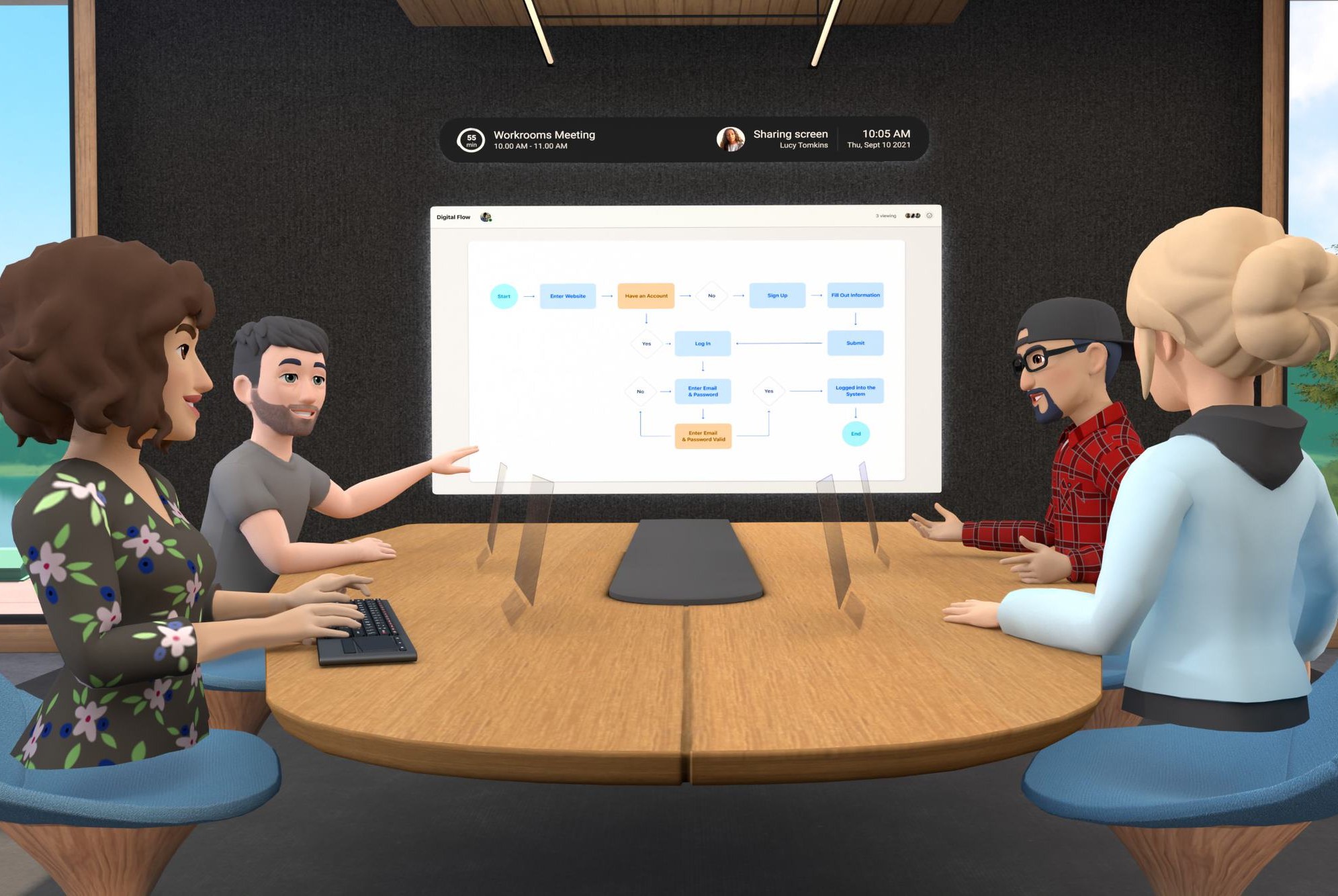
Key Highlights
- Structured Agendas and Clear Objectives: Develop and share detailed meeting agendas in advance to streamline discussions and set clear expectations.
- Optimized Use of Technology: Leverage reliable digital tools, virtual whiteboards, and video conferencing platforms to facilitate communication and collaboration.
- Engagement and Continuous Adaptation: Foster active participation through interactive elements and regular feedback, while adapting strategies based on team needs.
Overview of Remote Meeting Strategies
The transition to remote work has reshaped how teams communicate, requiring a rethink of traditional meeting structures. A well-adapted meeting format can boost productivity, maintain team cohesion, and ensure that every session is efficient and purposeful. The evolving nature of remote work demands a consistent review of meeting practices, utilizing both planned agendas and the flexibility to accommodate different team requirements. By embracing technology and continuously seeking team feedback, organizations can create a dynamic and inclusive meeting environment that supports remote teams.
Establishing a Consistent Meeting Framework
Purpose and Frequency
Setting clear objectives for each meeting is critical. Determine whether a synchronous meeting is necessary or if the discussion may be better addressed through asynchronous communication platforms. Teams should aim for periodic check-ins—daily for quick updates, weekly for in-depth discussions, or even monthly/quarterly reviews for broader strategic topics. This restructured frequency not only maintains the connection among dispersed team members but also ensures time is not wasted on unnecessary meetings.
Detailed Agendas and Pre-Meeting Preparation
A detailed agenda is the backbone of an effective meeting. Share the agenda in advance, outlining discussion topics, time allocations, and expected outcomes. This approach allows each participant to prepare adequately, leading to more focused and meaningful interactions. Preparing proper meeting materials ahead of time—be it documents, slides, or interactive whiteboards—streamlines the discussion and helps maintain focus on key issues.
Leveraging Technology
Choosing the Right Tools
Remote meetings heavily depend on the digital tools used for communication. It is essential to invest in reliable technology that supports seamless collaboration. Platforms such as Zoom, Microsoft Teams, or Mural can facilitate video conferencing, screen sharing, and collaborative document editing. Additionally, these platforms often include interactive features like polls and breakout rooms to enhance engagement during meetings.
Optimizing the Virtual Environment
Beyond selecting the right software, the physical environment in which participants participate is crucial. Encourage team members to choose well-lit, quiet spaces to reduce distractions. To maintain focus, ask participants to silence notifications and minimize background disturbances. Technical preparation, such as testing microphones, cameras, and internet connections, can significantly improve the meeting's flow.
Enhancing Engagement and Participation
Interactive Elements and Inclusive Practices
Remote meetings run the risk of being less engaging due to the absence of non-verbal cues and natural interactions. Incorporate interactive elements—like icebreakers, round-robin discussions, or quick breakout sessions—to encourage team participation. Leveraging features such as virtual hand-raising, chat functions, and online whiteboards promotes an inclusive environment where every voice is heard.
Role of the Facilitator
An assigned facilitator during meetings can help maintain cohesiveness and direction. This person is responsible for keeping the meeting on track, ensuring that discussions remain productive, and encouraging quieter team members to contribute. Rotating this role periodically can empower various team members and provide fresh perspectives on managing discussions.
Time Management and Structure
Efficient Use of Time
Time management is a crucial aspect of remote meetings. Allocate specific time slots for each agenda item, ensuring that no single topic dominates the entire session. Keeping meetings concise—ideally in the range of 15 to 20 minutes for routine check-ins—can help avoid fatigue and maintain the team's overall productivity. When longer sessions are necessary, schedule breaks to help maintain focus and energy levels among participants.
Balancing Structured and Flexible Formats
While structured meetings are essential, the format should also be flexible enough to accommodate different types of discussions. For example, status updates may follow a rigid structure, while brainstorming sessions benefit from a more open and flexible format. Tailoring the meeting style to the specific objectives can greatly enhance the efficiency and outcomes of remote sessions.
Strategies for Effective Meeting Preparation and Follow-Up
Before the Meeting
Determining Necessity
One key strategy is to critically assess whether a meeting is necessary. Not every update requires a synchronous session; some may be efficiently handled through emails, chat messages, or shared documents. This thoughtful discrimination can help preserve time and reduce meeting fatigue, ensuring that only essential topics are discussed collectively.
Scheduling with Consideration to Time Zones
Remote teams often span multiple time zones, making scheduling a potential challenge. When planning meetings, consider the local time of each participant and strive to find a balanced time slot that minimizes inconvenience. Rotating meeting times periodically ensures that the burden of early or late hours does not consistently fall on the same team members.
During the Meeting
Establishing Ground Rules and Roles
Clear ground rules set the tone for the meeting. Establish protocols for interrupting, questioning, and addressing each other to foster an environment of respect and efficiency. Additionally, assigning specific roles such as a moderator, timekeeper, or note-taker can help maintain order and ensure that all relevant points are recorded.
Real-Time Engagement Tools
Integrate real-time collaboration tools like shared documents, virtual whiteboards, or interactive polls during the meeting. These tools help to actively involve participants and provide visual support for key discussion points, enhancing the overall clarity of the meeting.
After the Meeting
Summarizing Key Points and Next Steps
Effective post-meeting follow-up is as essential as the meeting itself. Summarize the key decisions, action items, and next steps. Distributing meeting minutes promptly reinforces accountability and maintains clarity. This practice minimizes misunderstandings and ensures that teams move forward with a clear understanding of their roles and responsibilities.
Feedback and Continuous Improvement
Encourage team members to provide feedback after each meeting to identify areas for improvement. Implementing regular feedback loops helps adapt and tweak meeting structures based on real-time insights from the team. Over time, these adjustments lead to more efficient and engaging remote meetings, further aligning with the team's evolving needs.
Comparative Table of Key Strategies
| Aspect | Key Considerations | Best Practices |
|---|---|---|
| Agenda Setting | Clearly define meeting objectives and topics. | Develop and distribute detailed agendas prior to the meeting. |
| Technology | Ensure all participants have reliable access to virtual tools. | Use robust video conferencing platforms, virtual whiteboards, and shared documents. |
| Engagement | Encourage participation and inclusivity during meetings. | Implement interactive elements, assign roles, and rotate facilitation duties. |
| Time Management | Allocate specific time slots for discussion points. | Keep meetings concise and schedule breaks in longer sessions. |
| Follow-Up | Ensure tasks and decisions are communicated post-meeting. | Distribute minutes with clear action items, and gather feedback. |
Additional Considerations for Adaptable Remote Meetings
Maintaining a Balance Between Structure and Flexibility
The effectiveness of a remote meeting structure lies in striking an ideal balance between organization and flexibility. While a predetermined agenda creates order, allowing space for spontaneous discussion can drive creativity and lead to unplanned but valuable insights. This balance ensures that meeting time is well spent, accommodating both structured updates and innovative brainstorming sessions.
Customizing Meeting Formats Based on Objectives
Not every meeting will benefit from the same format; the meeting's purpose should dictate its structure. For regular status updates, a streamlined format focusing on quick synch points might be ideal. In contrast, strategic planning or problem-solving sessions may benefit from a more open format that encourages detailed discussion and collaboration. Customizing the meeting style to suit the objective can maximize effectiveness and team satisfaction.
Ensuring Inclusivity and Cross-Cultural Communication
Remote teams often consist of diverse members spread across various regions. Inclusivity in meeting structures is therefore not only about participation but also about recognizing cultural nuances and communication styles. Be proactive in setting norms that support respectful dialogue and make provisions for language differences or time-zone disparities. Such measures build trust and enhance team synergy in a virtual setting.
Using Data-Driven Insights to Evolve Meeting Practices
Feedback and data play a crucial role in continuously refining meeting structures. Surveys, direct feedback, and even informal check-ins can provide valuable insights into what works and what needs improvement. Leverage these insights to tweak the agenda, adjust the meeting frequency, and modify interactive elements to better align with the evolving needs of the team. This iterative approach helps maintain a dynamic meeting environment that keeps the team engaged and productive.
Measuring the Impact of Adapted Meeting Structures
Evaluating Engagement and Productivity
One of the key indicators of successful remote meetings is improved engagement and productivity. Metrics can include reduced meeting time, higher levels of participation, and enhanced follow-up compliance. By measuring these factors regularly, teams can fine-tune meeting practices to ensure efficiency remains high, while also fostering strong interpersonal connections among members.
Technology and Resource Optimization
Tracking the utilization of collaboration tools and monitoring technological issues during meetings can provide insights into areas where investments might be necessary. Ensuring that every team member has the necessary technical setup—and addressing any recurring issues—can greatly improve the overall meeting experience. Documenting these observations and acting on them reinforces the commitment to continuous improvement.
Feedback Integration and Continuous Improvement
Regularly synthesizing feedback from all participants is invaluable. It may reveal hidden challenges, suggest innovative adjustments, or highlight successful strategies previously overlooked. A feedback-driven approach ensures that meeting structures evolve in tandem with team dynamics, making remote meetings not only more effective but also more enjoyable for every participant.
Implementation Roadmap for Effective Remote Meetings
Implementing an adapted meeting structure requires deliberate planning and a phased approach. Here is an actionable roadmap to help remote teams transition to more effective settings:
Phase 1: Assessment and Planning
Start by evaluating existing meeting practices and identifying pain points. Engage team members through surveys or informal discussions to understand their challenges and preferences. Use this input to design a clear meeting structure that addresses these issues.
Phase 2: Tool Selection and Preparation
Select the appropriate digital tools and ensure all team members are comfortable using them. Provide training if necessary, and encourage a trial period where feedback is collected on the new system. Preparatory efforts like test runs for technology can preempt potential technical issues during live meetings.
Phase 3: Execution and Facilitation
Launch the renewed meeting structure with a clear agenda and designated facilitators. Maintain a strict time management strategy and remind participants of best practices for virtual meetings. During the meeting, ensure that roles are clearly articulated and interactive components are actively used to involve everyone.
Phase 4: Review and Adaptation
After a cycle of meetings, gather comprehensive feedback and review meeting metrics such as participation levels and adherence to the agenda. Utilize this data to modify elements of the meeting structure, ensuring that it continuously evolves to meet the team’s needs. Regular reviews ensure that the meeting format remains relevant and effective over time.
References
- Create the Perfect Meeting Cadence for Your Team - SoWork
- How to Manage a Remote Team - Atlassian
- How to Lead Better Virtual Meetings - Harvard Business Review
- Virtual Meetings - IT Accessibility, University of Illinois
- Managing Remote Teams - JoinBlink
Recommended Related Queries
Last updated March 7, 2025