
Most Remote Places on Earth
Discover the isolated corners of our planet that few have ever witnessed
Key Insights
- Isolation and Inaccessibility: These locations are defined by their extreme distance from populous regions, often accessible only by specialized transport.
- Unique Natural Environments: The remote sites offer pristine natural settings, from vast oceanic expanses to icy polar regions and rugged volcanic islands.
- Scientific and Cultural Significance: Many of these places serve as sites for research, cultural histories, or unique communities surviving against the odds.
Understanding Remoteness
Remoteness is determined by a variety of factors including geographical isolation, lack of population, and difficult access routes. For many, the term “most remote” transcends mere distance—it encapsulates environments that remain largely undisturbed by human development. The combination of harsh climates, natural barriers, and limited infrastructure often methodically preserves the pristine conditions of these regions.
Defining Characteristics
Geographical Isolation
The remote regions discussed here are frequently located in the middle of vast oceans, on isolated islands, or within harsh landscapes of polar and mountainous regions. Their distance from urban centers and the nearest landmass intensifies the isolation, making them ideal natural laboratories for ecological, meteorological, and geological research.
Sparse or No Human Populace
While some of these locations host small populations or transient research communities, many are entirely uninhabited. This absence of continuous human settlement often allows the natural environment to remain closer to its original state, unaffected by the rapid expansion that characterizes most other parts of the world.
Accessibility Challenges
Access is normally compromised by natural barriers. Whether it’s the tumultuous waters surrounding an island or the extreme climatic conditions reigning over icy lands and arid highlands, visiting these areas requires specialized vehicles, permits, and often, the expertise of local guides or research teams.
Notable Remote Locations
Several remote locations stand out for their extreme isolation and singular appeal. Below, we detail the key features of some of the most remoted places on Earth.
1. Point Nemo
Overview
Located in the South Pacific, Point Nemo is recognized as the “Oceanic Pole of Inaccessibility.” It represents the farthest distance from any land, making it the most isolated point on Earth. With the nearest humans typically found aboard the International Space Station, Point Nemo underscores the extreme boundaries of remoteness.
Key Facts
- Approximately 2,688 kilometers from the nearest coastlines.
- Located in the vast expanse of the Pacific Ocean.
- Often used as a location for spacecraft re-entries due to its isolation.
2. Tristan da Cunha
Overview
Tristan da Cunha is an isolated volcanic archipelago situated in the South Atlantic Ocean. It is renowned for being the most remote inhabited location in the world. Edinburgh of the Seven Seas is the main settlement, where a small community resides amidst dramatic natural scenery.
Key Facts
- A volcanic island group with difficult access requiring a six-day boat journey.
- Home to a small population that exemplifies sustainable, isolated living.
- Its community history and cultural heritage are deeply intertwined with its remote nature.
3. Pitcairn Islands
Overview
Situated in the Southern Pacific Ocean, the Pitcairn Islands are known for their minimal population, often linked with the history of the HMS Bounty mutineers. Their isolation makes them one of the least populated and hardest-to-reach territories on Earth.
Key Facts
- Only about 50 residents call this dispersed island group home.
- Characterized by limited infrastructure and challenging sea travel routes.
- Rich in historical and cultural narratives stemming from its early colonization days.
4. Ittoqqortoormiit, Greenland
Overview
Positioned on the northeastern coast of Greenland, Ittoqqortoormiit is one of the most remote settlements in the Arctic Circle. Its location, near the entrance to one of the largest national parks, coupled with prolonged periods of harsh weather, defines its secluded character.
Key Facts
- Plunged in an extreme Arctic environment with long, harsh winters.
- Accessible primarily by air or sea, with weather conditions often limiting travel.
- Embodies life at the edge of habitability, driven by cultural traditions and environmental adaptations.
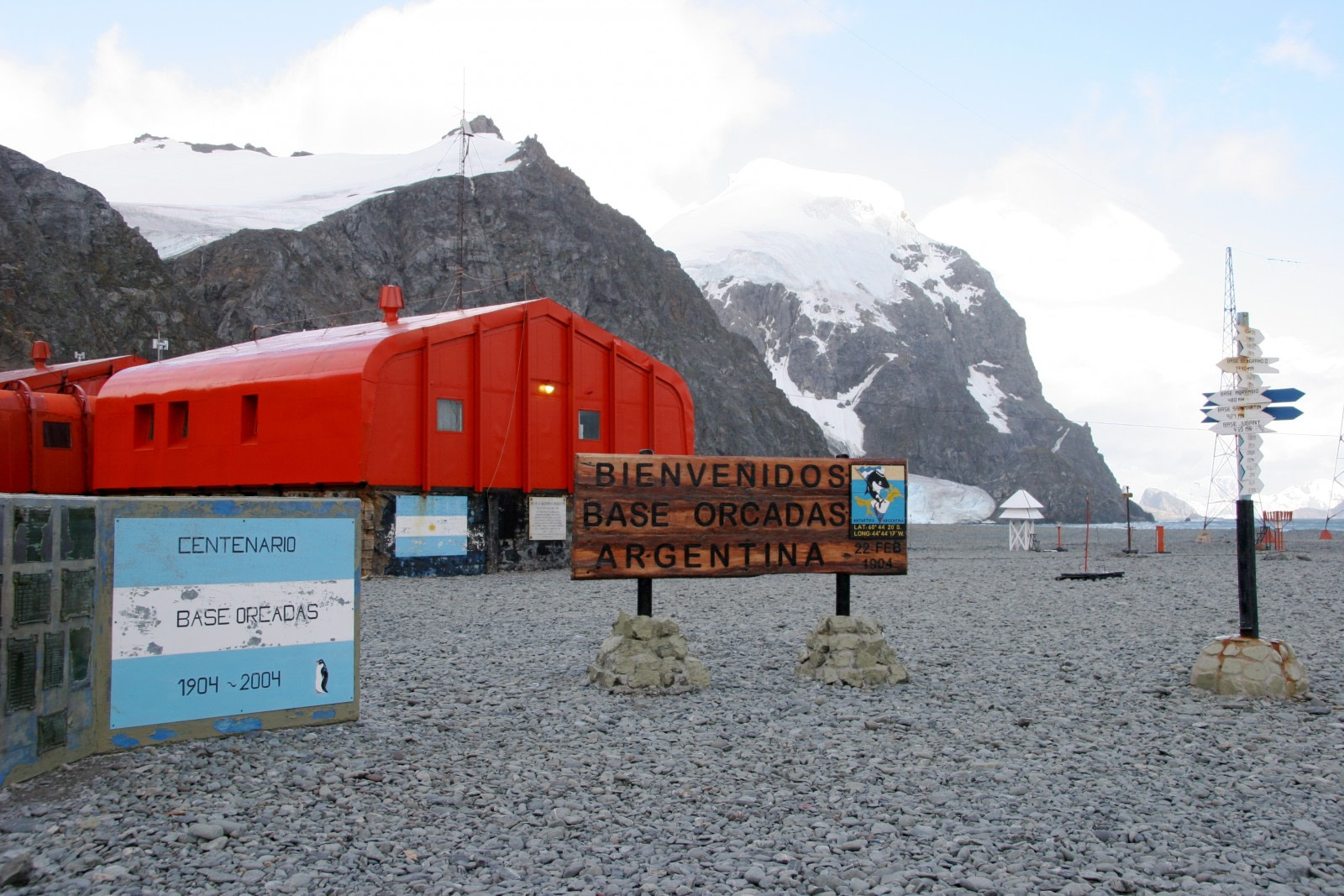
5. Amundsen-Scott South Pole Station (Antarctica)
Overview
This research station is situated at the geographic South Pole in Antarctica, one of the most fiercely inhospitable environments on Earth. While not inhabited permanently by a civilian population, it serves as a critical hub for scientific research in extreme conditions.
Key Facts
- Hosts international scientific research teams studying climate, astronomy, and glaciology.
- Embodied by severe cold, persistent storms, and nearly uninhabitable terrain.
- Represents human ingenuity in overcoming extreme isolation for the advancement of science.
6. Additional Remote Regions
Beyond the aforementioned sites, several other regions command attention due to their isolation and challenging environments:
- Macquarie Island: A subantarctic island known for its unique wildlife and rugged landscapes, positioned halfway between New Zealand and Antarctica.
- Kerguelen Islands: A subantarctic archipelago in the Indian Ocean with no permanent residents and severe weather conditions.
- Socotra Island: Part of Yemen, known for its unusual flora and fauna, though its isolation is compounded by political instability and complex travel arrangements.
- Tibetan Plateau: An expansive, high-altitude terrain in Asia characterized by harsh living conditions and dramatic landscapes.
- Desolation Islands: A set of islands in the southern Pacific offering a dramatic example of remote island environments.
Comparative Overview: A Table of Remote Locations
| Location | Region | Population Status | Unique Characteristics |
|---|---|---|---|
| Point Nemo | South Pacific Ocean | Uninhabited | Farthest from land; used for spacecraft re-entry |
| Tristan da Cunha | South Atlantic Ocean | Inhabited (small community) | Extremely isolated island with rich cultural history |
| Pitcairn Islands | Southern Pacific Ocean | Minimally populated | Historical ties with the HMS Bounty mutiny |
| Ittoqqortoormiit | Greenland | Small, isolated settlement | Located in the Arctic Circle with severe weather |
| Amundsen-Scott South Pole Station | Antarctica | Temporary research community | Located at the South Pole, extreme cold and isolation |
Environmental and Cultural Significance
Exploring the most remote regions is not just an exercise in geography—it is an exploration of human resilience and the majesty of natural environments. These locations often preserve ecosystems that have remained largely untouched by modern development. As such, they provide valuable data for climate research, biodiversity studies, and the understanding of natural processes in extreme conditions.
Preservation of Natural Habitats
In areas such as the remote islands of the Pacific or the frozen landscapes of Antarctica, nature flourishes under conditions where human interference is minimized. These ecosystems often host endemic species and unique natural phenomena that continue to evolve in isolation. By studying these environments, scientists gain insights into climate stability, natural selection, and the potential impacts of global change.
Human Adaptation and Historical Narratives
Despite the challenges posed by their harsh environments, some remote locations are home to resilient communities, like those in Tristan da Cunha or Ittoqqortoormiit. These populations have adapted to their extreme surroundings over generations, developing unique cultural markers and innovative approaches to survival. Moreover, the historical narratives—ranging from tales of mutiny on the Pitcairn Islands to the pioneering explorations in Antarctica—add layers of intrigue and cultural heritage to these geographical outposts.
Scientific and Logistical Considerations
The remoteness of these regions necessitates specialized approaches for both scientific research and logistical arrangements. Whether it is deploying research stations in Antarctica or supplying remote islands, the challenges are formidable. Weather conditions, complex transport routes, and the need for sustainable practices all converge to make these environments both a frontier for discovery and a test of human ingenuity.
Research Opportunities
Many remote sites have become key research hubs. For example, the South Pole Station offers unparalleled conditions for studying extreme weather patterns, astrophysical phenomena, and cryospheric sciences. Similarly, islands like Macquarie and Kerguelen have proven invaluable for ecological and geological research, where isolated ecosystems help scientists better understand natural evolution and species adaptation in isolation.
Logistical Strategies
Reaching these destinations typically involves overcoming severe logistical challenges. Modern advances in technology have improved access for scientific expeditions and adventurous travelers alike. However, traditional methods such as lengthy sea voyages and specialized aircraft remain indispensable for accessing locations where modern infrastructure has yet to make an impact. These strategies ensure that while the world becomes increasingly interconnected, some of Earth’s most mysterious realms remain reserved for the true off-the-beaten-path enthusiasts.
References
- Point Nemo - Marine Digital
- Most Remote Places - Treehugger
- Remote Destinations - Touropia
- Travel and Isolation - TripSavvy
- Remote Nature - Rarest.org
Recommended Related Queries
Last updated March 13, 2025