
Beyoncé’s Renaissance: Art, Technology, and Cultural Transformation
Exploring the Intersection of Musical Innovation and the Rise of AI
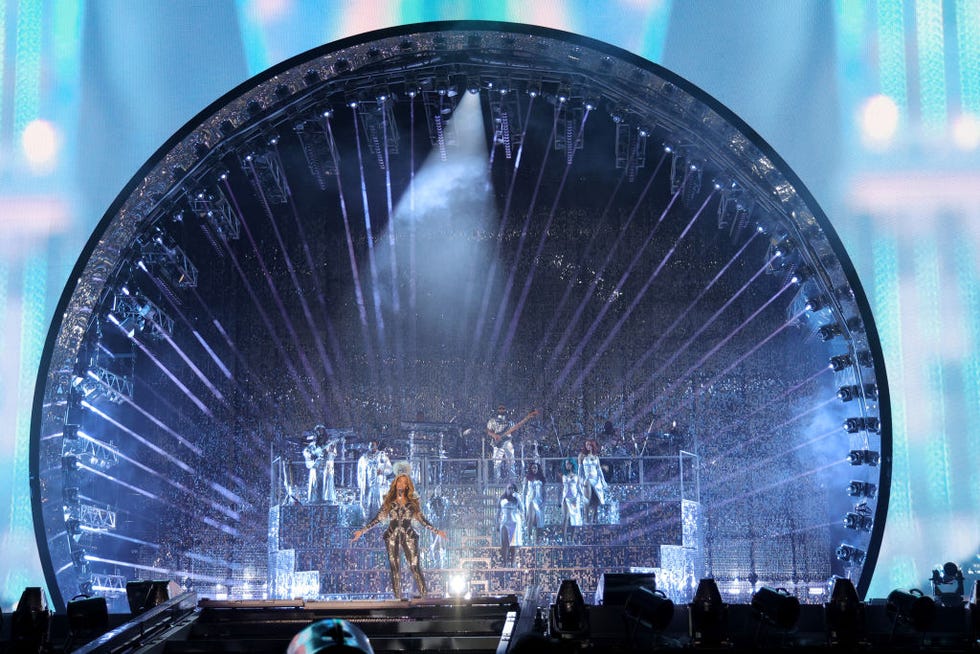
Key Insights
- Futuristic Aesthetics: The tour’s silver, robotic, and motherboard-inspired visuals resonate with technological themes.
- Art Reflecting the Era: The timing aligns with mainstream AI advancements, symbolizing a cultural and artistic renaissance.
- Cultural Significance: The tour not only celebrated dance music and Black cultural heritage but also captured the transformative spirit of the times.
Understanding the Artistic Context
Beyoncé’s Renaissance album, released in 2022, marked a significant shift in her artistic oeuvre. With an album that was steeped in dance music, disco, and a rich infusion of Black cultural heritage, the project was an effort to reinvigorate the musical landscape during challenging times. At its core, Renaissance celebrated liberation, creativity, and resilience. The subsequent Renaissance World Tour that commenced in early 2023 built upon these themes, incorporating elaborate staging and a striking futuristic aesthetic.
Futuristic Themes and Visuals
The tour was well-known for its inventive use of technology in creating immersive visual experiences. A visually arresting combination of silver and sparkly motifs was at the forefront of the show’s design. Elements such as robotic choreography, sophisticated stage designs featuring large screens, and even robotic arms that were integrated into costume changes became hallmarks of the performance. One of the most iconic images from the tour was Beyoncé’s portrayal on a silver horse, symbolically aligning her persona with the grandeur of a new era.
This robotic and motherboard-inspired imagery can, on one level, be seen as a meta-commentary on the transformative technological forces at play during this period. With the tour’s aesthetics resonating with futuristic motifs, some observers have interpreted these themes as echoing the cultural momentum behind technological progress, particularly the mainstream breakthrough of artificial intelligence.
The Convergence with Mainstream AI
At roughly the same time as the inception of Beyoncé’s Renaissance World Tour, artificial intelligence began to capture mainstream attention. The emergence of tools such as ChatGPT, which started to gain widespread recognition in late 2022 and early 2023, signaled a pivotal moment in AI’s journey from niche research fields to global cultural phenomena. As AI transitioned into everyday consciousness, it became emblematic of broader technological and societal shifts.
When examining the Renaissance tour in this light, the utilization of robotic elements and futuristic aesthetics can be interpreted as a symbolic nod to these emerging advancements. Whether or not Beyoncé intended to overtly declare AI as a centerpiece of the tour’s message, the timing and visual language naturally evoke comparisons between the artistic celebration of innovation and the technological renaissance unfolding in real time.
Detailed Analysis of Tour Elements
Stage Design and Technology
The tour was a marvel of modern stagecraft. By incorporating high-definition screens, vibrant ultraviolet lighting, and dynamic robotic elements, the performance space was transformed into a futuristic arena where art and technology coalesced. The elaborate stage design not only accentuated the theatricality of the performance but also invited audiences to consider the symbolic interplay between human creativity and technological enhancement. The convergence of these elements served as a physical manifestation of the evolving societal landscape as technology became increasingly interwoven with daily life.
Symbolism in the Silver Aesthetic
The recurring silver motif in the tour was more than just a visual choice; it was imbued with layers of symbolism. In many cultures, silver represents modernity, high technology, and an embrace of the future. Beyoncé’s decision to adopt a silver, sparkly theme—with notable moments such as her appearance on a silver horse—can be interpreted as a metaphorical declaration of a new age. This aesthetic not only commemorated the resurgence of dance music and its cultural roots but also offered an allegorical vision of a future where technology and art are indistinguishably linked.
Performance Dynamics and Choreography
Integral to the performance was an interplay between human dynamism and mechanized precision. The choreography often included robotic movements and coordinated sequences that visually resembled the operational precision of a computer or motherboard system. Such imagery reinforced the underlying message of the tour: that in this modern epoch, human creativity and technological innovation work in tandem to redefine the boundaries of artistic expression. The robotic choreography was not simply an aesthetic gimmick but an expression of the technological zeitgeist where the lines between organic artistry and digital prowess are increasingly blurred.
Cultural and Historical Dimensions
Art as a Mirror of Its Time
History teaches us that periods of artistic innovation often reflect deeper societal transformations. The Italian Renaissance, for example, was defined by a revival of classical knowledge and an explosion of artistic achievements that paralleled scientific, philosophical, and technological progress. In a contemporary parallel, Beyoncé’s Renaissance album and tour not only revitalized aspects of dance music and Black cultural expression but also mirrored the dramatic technological innovations of the early 21st century, particularly in the field of artificial intelligence.
While the primary narrative of the tour celebrated musical heritage and liberation, its futuristic visual themes subtly acknowledged that humanity was on the cusp of a new digital era. In this way, the tour can be seen as art reflecting the times—a creative response to an age defined by rapid technological progress, including the mainstream adoption of AI.
Cultural Significance and Empowerment
Beyond technological motifs, the Renaissance tour was a celebration of identity and empowerment. Beyoncé’s body of work, particularly with the Renaissance project, has long been associated with themes of liberation, resistance, and the reclamation of cultural narratives, especially within the Black and queer communities. The tour’s narrative was interwoven with historical and contemporary struggles, positioning the artist’s work as a vehicle for social change.
This dual focus on cultural revival and futuristic symbolism renders the tour a multifaceted cultural artifact—one that celebrates the legacy of past renaissances while boldly hinting at a future where technology, art, and identity converge. In doing so, it encapsulates the complexity of an era where traditional forms of artistic expression are continually being reimagined in response to rapid advancements in technology.
A Comprehensive Comparative Overview
Key Elements of the Renaissance Tour
The following table summarizes the key visual and thematic elements of Beyoncé’s Renaissance tour and draws parallels with the emerging trends in artificial intelligence during the same period:
| Aspect | Tour Elements | AI & Tech Parallels |
|---|---|---|
| Visual Theme | Silver, robotic aesthetic with sparkly accents | Modern digital interfaces and machine precision |
| Stage Design | Sophisticated stage layouts with LED screens and ultraviolet lighting | Futuristic displays, integrated circuits, and digital networks |
| Symbolism in Costumes | Exotic costumes representing a futuristic, motherboard-inspired persona | Visual analogies to computer chip designs and technological infrastructures |
| Choreography | Robotic movements and synchronized performance art | Automation algorithms, precision, and the rise of intelligent systems |
| Timing & Cultural Context | Tour launched as AI, notably ChatGPT, gained popularity | Global recognition of AI technology reshaping society |
Interpreting the Visual Metaphor
A closer examination of the tour’s imagery reveals a deliberate infusion of the technological narrative into the age-old tradition of artistic expression. The integration of robotic aesthetics and elements reminiscent of a computer’s motherboard architecture was not only visually captivating but also thematically rich. The choice of these motifs sparked discussions among fans and critics alike about whether the tour was making a broader statement—a declaration that the current era marked the advent of one of the most significant renaissances in human history, pivoted on the rapid evolution and mainstream acceptance of AI.
Although Beyoncé’s tour primarily celebrated musical heritage and cultural empowerment, the underlying futuristic elements serve as a reflective mirror of the current technological era. As artificial intelligence began to redefine industries and societal interactions, the tour became an inadvertent yet powerful commentary on how art can capture and amplify the zeitgeist. The movement toward a society where digital and analog realms merge is encapsulated in this performance, making it a vivid marker of our times.
References
- Renaissance World Tour - The Beyonce Wiki
- Beyoncé's Renaissance Tour - Rolling Stone
- How ChatGPT And Billions In Investment Helped AI Go Mainstream In 2023 - Forbes
- Renaissance World Tour - Wikipedia
- 2023 Was The Year AI Went Mainstream - Euronews
Recommended Queries
Last updated March 6, 2025