
Understanding Gender Differences in Political Engagement over Abortion and Contraception
Analyzing why young women prioritize reproductive rights while young men show less political focus
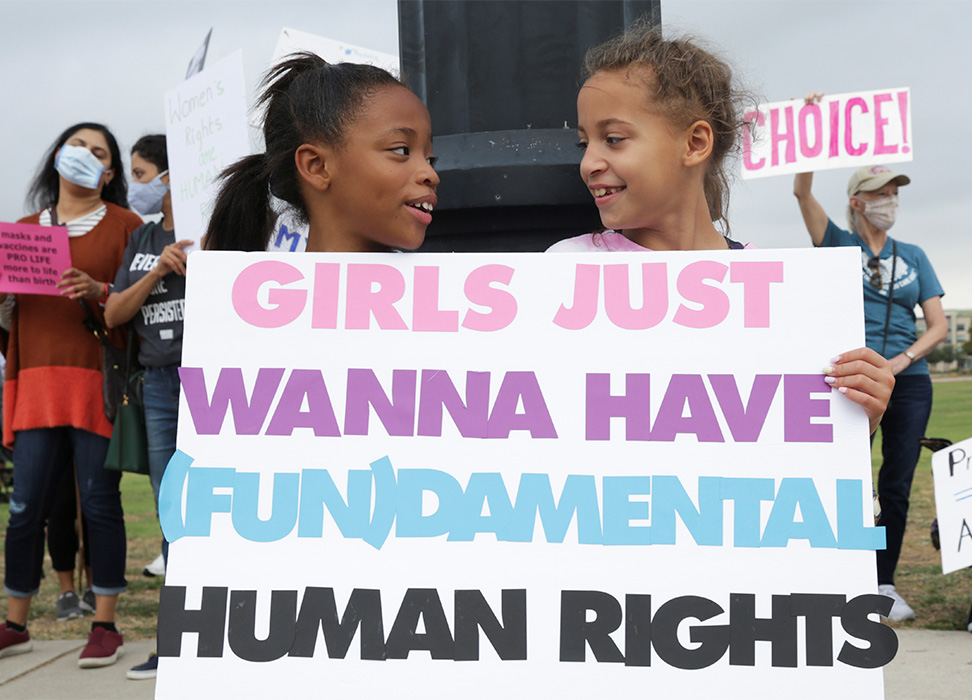
Key Highlights
- Direct Impact and Personal Autonomy: Young women experience a more immediate impact due to reproductive responsibilities, directly affecting their life choices.
- Social, Economic, and Cultural Factors: Disparities in socio-economic challenges and cultural narratives explain the heightened focus on abortion and contraception among young women.
- Political Engagement and Generational Shifts: Shifts in political priorities, along with recent legal developments, galvanize young women while young men encounter informational and societal barriers.
Introduction
The political landscape regarding abortion and contraception reveals a marked gender gap. Young women tend to be vocally and actively engaged, treating these issues as top priorities in their political agendas. Conversely, young men frequently exhibit less engagement in these debates, though many recognize the importance of shared responsibility in contraceptive decisions. This divergence is a result of a complex interplay of personal, societal, cultural, and economic factors. In this analysis, we will explore these factors, providing a comprehensive overview that synthesizes research insights and recent surveys.
Personal Impact and Autonomy
Direct Consequences on Life Choices
Abortion and contraception are closely tied to the personal autonomy of young women. Many young women view their reproductive choices as fundamental to ensuring control over their bodies, educational pursuits, and career trajectories. Issues such as unwanted pregnancies directly impact decisions regarding higher education, career planning, and financial stability. Access to safe and legal abortion procedures provides women with the ability to manage their health and future prospects without certain constraints or limitations. This direct impact on personal lives creates a compelling necessity for these issues to be recognized as political priorities.
Maintaining Reproductive Freedom
The concept of bodily autonomy is at the heart of young women's political engagement. In many societies, historical gender roles have placed the burden of pregnancy and childcare predominantly on women. As such, protecting reproductive rights—whether through ensuring access to abortion services or subsidized contraception—is viewed as a vital factor in securing female freedom and independence. The ability to decide if and when to have children is perceived as not just a personal health matter, but a central pillar of human rights and gender equality.
Social and Economic Considerations
Economic Stability and Future Planning
In addition to personal autonomy, economic realities play a considerable role in the heightened political engagement seen among young women. Early parenthood often correlates with interruptions in education and career progress, leading not only to immediate economic stress but also longer-term financial disadvantages. For many young women, the availability of abortion and contraception is intertwined with the ability to achieve economic stability and pursue long-term educational goals. Political advocacy around reproductive rights is therefore not just a matter of personal health, but a strategic effort to combat structural economic challenges.
Social Responsibilities and Childcare Expectations
Societal expectations frequently place the primary responsibility for childcare on women, whether due to traditional family roles or systemic social structures. This situation magnifies the consequences of unplanned pregnancies, which can limit opportunities for further education or career advancement. Consequently, reproductive rights are seen as essential tools for enabling young women to navigate their socio-economic realities without being disproportionately burdened by involuntary parenthood.
Political Engagement and Generational Shifts
Mobilization through Recent Legal and Cultural Changes
The political mobilization of young women around issues related to abortion and contraception has been accelerating, particularly in light of recent legal developments such as the overturning of landmark rulings. Such judicial decisions have underscored the fragile nature of reproductive rights and incited a strong political response, prompting young women to advocate more vehemently for protections. Polls indicate that a significant percentage of young women now consider abortion a primary election issue. This generational mobilization reflects not only an increased awareness of their own rights but also the recognition that political outcomes can have immediate and lasting impacts on their lives.
Influence of Social Media and Cultural Narratives
The advent of social media has dramatically reshaped how political issues are communicated and used as rallying points. Platforms like Twitter, Instagram, and TikTok have provided young women with spaces to share personal stories, mobilize communities, and campaign for legislative change. Through hashtags, viral posts, and organized movements, these platforms have amplified the visibility of issues pertaining to reproductive rights, further catalyzing political engagement among young women. Cultural narratives that traditionally cast women as the primary caretakers have also reinforced the need to secure reproductive rights, making abortion and contraception politically charged topics.
Comparative Analysis: Young Women vs. Young Men
Differences in Perceived Impact and Relevance
A stark contrast is observed when comparing the political priorities of young women and young men, particularly regarding reproductive issues. While young women face direct consequences from policies on abortion and contraception, such policies may appear more detached from the immediate life experiences of young men. This divergence is not indicative of a lack of awareness among young men but is rather reflective of differences in how reproductive issues tangibly affect each gender.
Table: Summary of Key Differences
| Aspect | Young Women | Young Men |
|---|---|---|
| Direct Impact | Life-altering consequences on education, career, and personal autonomy. | Less immediate personal impact; more indirect connection through shared responsibility. |
| Economic Considerations | Unplanned pregnancies often disrupt education and long-term financial stability. | Economic implications are more peripheral and less direct. |
| Personal Autonomy | Critical to maintain bodily autonomy and freedom of choice. | Generally seen as less directly related to issues of self-determination. |
| Societal Roles | Traditionally seen as bearers of child-rearing responsibilities, increasing political stakes. | Culturally perceived as less central to the role of managing reproductive health. |
| Political Mobilization | Highly mobilized due to recent legal changes and active social media campaigns. | Often observe and support, but less likely to actively participate in organizing or advocacy. |
| Educational Gaps | Typically receive more comprehensive reproductive health education focused on managing contraception. | Often have limited education on the breadth of reproductive health issues beyond condom use. |
Psychological Barriers and Cultural Influences
Several psychological and cultural factors contribute to the observed gender difference in political engagement. Young men often encounter internal conflicts when navigating the balance between advocating for gender equality and reconciling societal norms that attribute the primary responsibility for contraception to women. This dissonance creates a reluctance to fully immerse themselves in debates that are seen as innately tied to women's personal and societal identities.
The traditional construction of gender roles has long dispensed the notion that issues of reproductive rights and contraception are inherently "women's issues." For many young men, this cultural framing implies that although they might support shared responsibility, their own role in influencing these policies is limited. This is compounded by a systemic educational pattern that often emphasizes condom use as the primary, if not the sole method of contraception relevant to men, while a plethora of contraceptive methods predominantly designed for women are discussed less frequently.
Shared Responsibility: A Growing Yet Complex Recognition
Despite the differences in political engagement, there is a growing understanding among young men that reproductive responsibility should be a collective endeavor. Many young men indeed recognize that their participation in discussions about contraception and reproductive rights contributes to more balanced solutions and gender equality. The relative inactivity, however, is often not a result of disinterest but rather their struggle to navigate complex social expectations. Even as some acknowledge the shared nature of reproductive choices, the practical and emotional involvement in the commonly female-centered debate remains limited.
This dynamic creates an environment where young women lead politically on these issues—driven by the immediacy of personal impact—while young men continue to grapple with conceptualizing a role where their participation feels both necessary and meaningful.
Educational and Informational Disparities
Comprehensive Sexual Health Education
A significant contributor to this gender-based disparity is the difference in sexual health education that young women and men typically receive. Young women often obtain more detailed and nuanced information about a variety of contraceptive methods, their side effects, and their impact on reproductive health. In contrast, educational curricula directed at young men tend to center on basic protection methods such as condom usage. As a result, young men may not feel as well-equipped to engage in broader discussions about reproductive rights beyond these basic notions.
Impact of Information Accessibility
The rise of digital media has transformed how information is accessed, with social media platforms, online articles, and interactive campaigns playing vital roles in informing young women about their rights. This heightened access to information further reinforces the political significance of abortion and contraception for young women. For young men, however, the content they are exposed to is often curated within narrower scopes of reproductive health, thereby contributing to a more limited grasp of the full spectrum of issues. This discrepancy in information depth reinforces the observed differences in political focus.
Broader Societal and Cultural Narratives
Role of Gender Stereotypes and Media Representation
Gender stereotypes play a central role in shaping the political attitudes of both young women and men. Media and cultural narratives traditionally spotlight reproductive issues as a core aspect of womanhood. This portrayal not only influences public opinion but also encourages young women to view these issues as central to their identity and agency. Conversely, because these topics are framed within a gendered context, young men might see their role as supplementary rather than pivotal. This division reinforces their lower political investment in debates over abortion and contraception.
Additionally, the cultural context of bodily autonomy and personal freedom is more vividly championed by young women. This cultural framing emphasizes an emotional and political commitment that is both personal and collective, driving a more vigorous advocacy on their behalf compared to their male counterparts.
Intersection of Legal and Policy Developments
Impact of Judicial Decisions and Legislative Changes
Judicial decisions, particularly those that reconfigure the landscape of reproductive rights, have a significant effect on political activism. When landmark decisions that have historically safeguarded reproductive rights are challenged or overturned, it evokes massive public debate. Young women, who perceive such developments to have a profound impact on their personal and future rights, are quick to mobilize and express their concerns politically. This legal turbulence makes abortion and contraception more visible political issues and further solidifies young women’s commitment to advocating for permanent protections.
Role of Policy Debate and Electoral Prioritization
Recent surveys highlight that a considerable proportion of young women now rank abortion as the top electoral issue, even surpassing concerns such as inflation or broader economic factors. The key driver behind this prioritization is the perception that policy decisions about reproductive rights have immediate and ongoing implications for personal autonomy, economic stability, and social mobility. In contrast, while young men may support reproductive rights in theory, they are less likely to regard these issues as decisive in the context of electoral politics.
Comprehensive Synthesis and Final Thoughts
Summary of Influential Factors
Synthesizing the factors discussed reveals a multifaceted understanding of why young women are politically more engaged and focused on abortion and contraception than young men. The direct impact on personal autonomy, potential economic disruptions, and immediate consequences on life choices position reproductive rights as a pressing issue for many young women. Furthermore, cultural, educational, and social narratives reinforce the perception that these matters are integral to their identity and future possibilities. In contrast, young men experience a more indirect relationship with these issues, where societal expectations and narrower educational frameworks contribute to a diminished sense of urgency in political participation.
Additionally, while many young men acknowledge the importance of shared reproductive responsibility, the cultural framing and informational gaps elucidate why their role in active political advocacy is less prominent. The interplay between personal impact, societal norms, and policy developments creates a scenario in which reproductive rights become a rallying cry particularly for young women, driving their political mobilization and advocacy efforts.
The Path Forward for Political Engagement
Recognizing these differences is vital for addressing the broader challenges of gender-based political dialogue. Encouragingly, there are signs that young men are beginning to engage more deeply with conversations around reproductive rights as educational initiatives evolve and cultural narratives shift towards a more inclusive understanding of gender roles. Initiatives that promote comprehensive sexual health education for all genders, foster balanced political representation, and challenge traditional stereotypes can help bridge the current divide. Through these steps, both young women and young men may find common ground in the shared pursuit of policies that support autonomy, equity, and overall well-being.
In conclusion, the pronounced political interest of young women in abortion and contraception is anchored in their lived experiences—ranging from personal autonomy to socio-economic stability—while young men’s comparatively muted focus is shaped by cultural, educational, and perceived relevance factors. Understanding these entrenched differences not only explains current political behaviors but also guides future strategies for more balanced discourse and mutual support in the realm of reproductive rights.
Conclusion
The gender gap in political engagement over reproductive rights is the result of a complex matrix of personal impact, economic considerations, societal expectations, and cultural narratives. Young women, directly affected by the implications of reproductive policies, view issues such as abortion and contraception as central to their future opportunities and personal autonomy. These concerns have galvanized a robust political response, further amplified by recent legal developments and social media dynamics. On the other hand, young men, though recognizing the importance of shared responsibility, are less directly impacted by these issues and often receive a more limited scope of relevant education and discourse. Encouraging comprehensive education and fostering a culture that values egalitarian participation in reproductive decision-making can help in redressing these disparities. This comprehensive understanding not only explains the current political behavior but also serves as a roadmap for inclusive activism that supports all young people in their pursuit of rights and equality.
References
- Top Election Issue for Young Women - Newsweek
- Abortion and Election Issues Among Youth - Tufts Circle
-
Research on Abortion Impact - PMC
- Young Americans and Health Care Priorities - Think Global Health
- Young Men’s Perspective on Contraception - The Conversation
- Understanding Women's Reproductive Choices - BMC Women's Health
- Impact of Abortion on Life Outcomes - Guttmacher Institute
- Abortion and Election Issues - ABC News
- Gender, Generation and Abortion Perspectives - American Survey Center
Recommended
Last updated February 24, 2025