
Research Assistance Overview
Exploring comprehensive strategies and tools for effective research
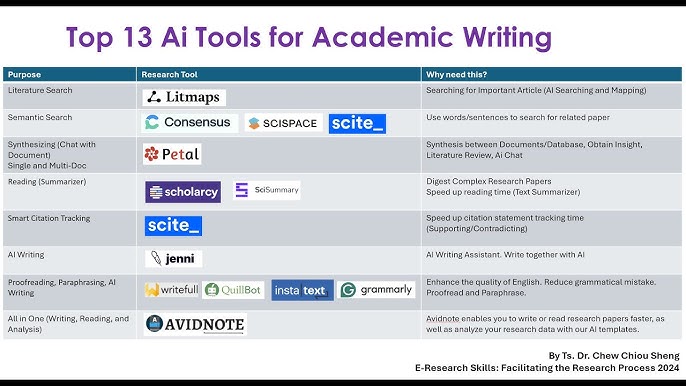
Key Highlights
- Comprehensive Research Tools: Utilize AI platforms to search, summarize, and extract data from millions of academic papers.
- Methodological Guidance: Get advice on literature reviews, research planning, design, and data analysis techniques.
- Efficient Research Strategies: Benefit from structured steps to streamline your research process, from planning to writing and referencing.
Introduction to AI-Based Research Assistance
In today's rapidly evolving research landscape, leveraging AI tools and research assistants can significantly enhance your ability to pinpoint, analyze, and synthesize information. As an AI assistant, I can help you find academic papers, provide literature reviews, extract relevant data, and offer strategic advice on research methodologies. Whether you are tackling a complex research project or simply need guidance on sourcing credible information, AI tools can streamline the process and help you stay up-to-date with the latest studies in your field.
Capabilities of AI Research Assistants
Locating Academic Research Papers
One of the primary benefits of an AI-based research assistant is the ability to search through vast databases containing more than 125 million papers. These platforms use advanced algorithms to analyze academic literature, ensuring that you receive relevant results quickly and efficiently. By harnessing this technology, you can rapidly compile a comprehensive list of papers necessary for in-depth study and analysis.
Summarization and Data Extraction
AI tools are skilled at summarizing complex research articles, distilling key findings, methodologies, and conclusions into succinct summaries. This functionality is especially useful when facing a large volume of academic literature where manual summarization would be time-consuming. Automated extraction of data ensures that key insights such as statistical methods, experimental results, and theoretical frameworks are captured effectively.
Literature Review and Comprehensive Overviews
Conducting literature reviews is a critical aspect of any research project. AI assistants can help compile overviews of existing work, identify gaps in the literature, and highlight seminal research contributions in a particular field. With the assistance of AI, you can achieve a more structured and systematic review, enabling you to ground your research on a solid foundation of existing knowledge.
Research Planning and Strategy Development
A well-planned research project starts with clearly defined objectives and a structured methodology. AI research assistants can guide you through the entire planning phase by:
- Identifying relevant research questions and hypotheses
- Suggesting appropriate research methodologies and experimental designs
- Recommending tools and techniques for data analysis
- Developing timelines and resource allocation plans
This strategic planning phase ensures that your research is focused, systematic, and executed effectively.
Utilizing AI Tools and Research Platforms
Several AI platforms are purpose-built to support diverse aspects of the research process. Below is an HTML table summarizing some of the leading research assistants and their features:
| Tool Name | Primary Features | Use Cases |
|---|---|---|
| Elicit |
|
|
| ScholarChat |
|
|
| Humata AI |
|
|
| Zotero |
|
|
| Paperguide |
|
|
Research Methodologies and Assistance in Research Design
Beyond simply locating and summarizing academic literature, an AI research assistant can guide you through the complete process of designing and conducting research. Whether you are embarking on a qualitative, quantitative, or mixed-method study, these assistants provide insights into:
Research Planning and Development
Defining Research Objectives
A clear understanding of what you intend to achieve is fundamental. AI research assistants can help articulate research questions and goals. This is particularly useful in identifying the scope of your project and determining the specific areas where literature needs exploration.
Methodology Selection
Whether your study involves experimental design, surveys, or data modeling, the selection of the appropriate methodology is essential. The guidance might include selecting between:
- Case studies
- Survey research
- Longitudinal studies
- Experimental designs
These decisions are often contingent on the nature of the research question and the available resources. An AI research assistant can suggest methods that have previously yielded successful outcomes in similar contexts.
Literature Review and Analysis
Comprehensive Databases Search
By leveraging databases that catalog millions of papers, AI tools streamline the process of identifying seminal works and recent advancements. These assistants help in gathering the required background information and summarizing it in a coherent manner. The tool may extract key themes, determine trends, and identify potential gaps in existing research.
Data Organization and Synthesis
Once relevant literature is gathered, organizing it effectively is just as critical. Using reference management tools like Zotero, you can compile and annotate your selected sources. Furthermore, synthesizing these findings to extract common themes and essential conclusions is a process where AI’s natural language processing capabilities excel.
Tips for Maximizing Your Research Efficiency
Leveraging the full potential of AI-based research does not just involve using platforms to locate papers; it extends to adopting best practices throughout the research process. Here are several tips to increase your research efficiency:
Establish Clear Research Goals
It is crucial to explicitly define your research objectives and determine the specific questions you wish to answer. Clear goals guide your search parameters and direct which methodologies and analytical techniques should be applied.
Use Collaborative Tools
Tools like Zotero and collaborative platforms allow multiple researchers to annotate, share, and manage bibliographies in a streamlined manner. This method fosters a more comprehensive approach and ensures that all team members are on the same page.
Regularly Review and Update Your Sources
With new research emerging continuously, maintaining an updated bibliography is essential. Schedule regular reviews of your accumulated sources. This ongoing engagement helps you adapt to breakthroughs or changes in your research field.
Emphasize Structured Data Analysis
Use tools and methodologies that enable clear statistical and qualitative data analysis. Whether it’s through AI-driven pattern recognition or traditional statistical software, aligning your analysis techniques with your research goals will ensure more reliable outcomes.
Practical Support in Writing and Research Documentation
In addition to assisting with the planning, sourcing, and analysis of research data, AI research assistants can also be invaluable when it comes to the documentation and writing phase of your project. The assistant can help in:
Drafting and Organizing Research Papers
Structure and Formatting
AI tools can suggest optimal structures for your research papers, recommending logical flows that encompass introductions, literature reviews, methodologies, findings, and discussions. These suggestions are based on proven academic frameworks which enhance clarity and readability.
Generating References and Citations
Keeping track of citations can be challenging. AI assistants ease this process by offering tools to generate, format, and manage references according to various citation styles. This automated feature minimizes human error and ensures that every reference conforms to academic standards.
Writing Assistance and Editing
Beyond structuring your paper, you may also require guidance for editing and refining your final draft. Whether you need help with grammar checks, style consistency, or coherent argument flow, AI editing tools can serve as an additional layer of review, enhancing the overall quality of your academic writing.
Summary of Research Assistance Advantages
AI research assistants provide an all-encompassing set of tools and methodologies that can dramatically improve the quality and efficiency of your academic pursuits. Through advanced search capabilities, data extraction, streamlined literature reviews, and research planning, these assistants support scholars and researchers across diverse fields. The collaborative and adaptive nature of these tools ensures that you have access to the most updated and comprehensive information, empowering you to present well-founded and rigorously analyzed findings.
References
- AI Research Assistant - Dhruvirzala
- Elicit - Elicit
- ScholarChat - Hix.ai
- Zotero - Zotero
- Paperguide - Paperguide.ai
Recommended Related Queries
Last updated March 13, 2025