
Potential Research Projects for Connected and Automated Vehicles in 2025
Exploring the Future of Mobility through Innovation and Integration
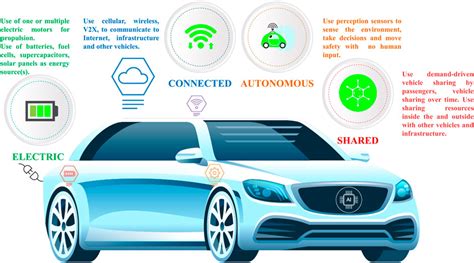
Key Takeaways
- Advanced V2X Communications: Enhancing vehicle interactions with infrastructure, other vehicles, and pedestrians through next-gen connectivity.
- AI-Driven Autonomous Systems: Developing sophisticated artificial intelligence for decision-making, perception, and navigation in autonomous vehicles.
- Regulatory and Ethical Frameworks: Establishing policies and ethical guidelines to ensure the safe and societal integration of automated vehicles.
1. Vehicle-to-Everything (V2X) Communications
Enhancing Connectivity for Improved Safety and Efficiency
V2X communications enable vehicles to interact with their environment, including other vehicles (V2V), infrastructure (V2I), pedestrians (V2P), and cloud services (V2C). Research in this area focuses on:
- 5G and 6G Integration: Implementing high-speed, low-latency networks to facilitate real-time data exchange, enhancing the responsiveness of V2X systems.
- Sensor Fusion: Combining data from LiDAR, radar, cameras, and other sensors to create a comprehensive situational awareness, improving decision-making processes.
- Edge Computing: Decentralizing data processing to handle information closer to the source, reducing latency and increasing reliability.
- Security Protocols: Ensuring secure data transmission to protect against cyber threats and unauthorized access.
2. Advanced Artificial Intelligence Integration
Enhancing Decision-Making and Perception Systems
AI is at the core of autonomous vehicles, driving the development of advanced perception, navigation, and decision-making systems. Key research areas include:
- Machine Learning Algorithms: Developing algorithms that enable real-time processing of sensor data for accurate object detection and path planning.
- Deep Learning for Perception: Utilizing deep neural networks to enhance the vehicle's ability to recognize and interpret complex environments, including dynamic objects and changing conditions.
- Ethical Decision-Making: Creating frameworks that allow AI systems to make morally sound decisions in critical situations, balancing safety for passengers and pedestrians.
- Human-Machine Interaction: Designing intuitive interfaces that facilitate effective communication between the vehicle and its occupants, enhancing user experience and safety.
3. Sensor Technologies and Perception Enhancements
Optimizing Sensing Capabilities for Reliable Operation
Reliable perception is essential for autonomous vehicles to navigate safely. Research focuses on:
- LiDAR Advancements: Enhancing the accuracy and cost-effectiveness of LiDAR sensors to improve object detection and environmental mapping.
- Sensor Fusion Techniques: Integrating data from multiple sensor types to compensate for individual limitations and improve overall system reliability.
- Adverse Condition Performance: Improving sensor performance in challenging environments, such as fog, rain, night-time operations, and varying lighting conditions.
- HD Mapping and Localization: Developing high-definition maps and precise localization systems to enable accurate vehicle positioning and navigation.
4. Autonomous Driving Technologies and SAE Levels
Advancing Automation to Full Autonomy
Research on autonomous driving spans the development of higher levels of automation as defined by the SAE standard:
- SAE Level 3-5 Automation: Developing systems capable of complete environmental awareness and control without human intervention.
- Highway Pilot Systems: Focusing on autonomous capabilities for highway driving, including lane keeping, adaptive cruise control, and automated lane changes.
- Robust Decision-Making: Ensuring autonomous systems can handle diverse driving scenarios, from urban settings to rural roads, with consistent safety and reliability.
5. Cybersecurity and Data Privacy
Protecting Autonomous Systems from Cyber Threats
As CAVs become more connected, ensuring their cybersecurity and protecting user data is paramount. Research areas include:
- Robust Encryption Protocols: Developing strong encryption methods to secure vehicle communications and data storage.
- Authentication Mechanisms: Ensuring that only authorized entities can communicate with the vehicle's systems.
- Intrusion Detection Systems: Creating systems to detect and respond to unauthorized access attempts or malicious activities in real-time.
- Data Privacy Frameworks: Establishing policies and technical solutions to safeguard user data, addressing concerns around data ownership and consent.
6. Regulatory Compliance and Policy Frameworks
Creating Standards for Safe Deployment
Developing and harmonizing regulations and policies is critical for the widespread adoption of CAVs. Key research topics include:
- Standardization of Automation Levels: Defining clear and consistent standards for different levels of vehicle automation to ensure interoperability and safety.
- Liability and Legal Frameworks: Addressing questions of responsibility in the event of accidents involving autonomous vehicles.
- Data Privacy and Security Regulations: Enforcing rules that protect user data and ensure secure communication channels.
- Testing and Deployment Guidelines: Establishing protocols for the safe testing and gradual deployment of autonomous vehicles on public roads.
7. Integration with Next-Generation Networks
Leveraging Advanced Communication Technologies
Integrating CAVs with cutting-edge communication networks enhances their functionality and reliability. Research in this area includes:
- 5G and 6G Connectivity: Exploiting high-speed, low-latency networks to support real-time data exchange and advanced V2X communications.
- Edge Computing Integration: Utilizing edge computing to process data closer to the source, reducing latency and improving system resilience.
- Network Slicing: Allocating dedicated network resources for different vehicle communication needs, ensuring prioritized and reliable connections.
8. User Acceptance and Societal Impact
Ensuring Public Trust and Integration into Society
Understanding and enhancing user acceptance is vital for the success of CAVs. Research focuses on:
- Public Perception Studies: Analyzing societal attitudes towards autonomous vehicles to identify barriers to adoption and areas for improvement.
- Human-Machine Interface Design: Creating intuitive and user-friendly interfaces that facilitate interaction between passengers and vehicle systems.
- Ethical Considerations: Addressing moral dilemmas faced by autonomous systems in decision-making processes.
- Inclusive Mobility Solutions: Ensuring that CAVs serve diverse populations, including those with disabilities and those in underserved communities.
9. Energy Efficiency and Environmental Impact
Optimizing Sustainability in Autonomous Mobility
Research in this area aims to minimize the environmental footprint of CAVs through:
- Energy-Efficient Algorithms: Developing driving algorithms that optimize fuel or electric energy consumption, reducing emissions and operational costs.
- Eco-Friendly Materials: Investigating sustainable materials for vehicle construction to lower environmental impact.
- Integrated Renewable Energy Sources: Exploring the use of renewable energy in powering connected and automated vehicle infrastructure.
- Lifecycle Analysis: Assessing the environmental effects of CAVs from production to end-of-life disposal.
10. Smart Infrastructure Integration
Building an Ecosystem for Autonomous Mobility
Seamless operation of CAVs requires smart infrastructure. Research projects in this domain include:
- Smart Traffic Management Systems: Developing systems that dynamically adjust traffic signals, manage congestion, and optimize traffic flow based on real-time data.
- Automated Parking Solutions: Creating infrastructure that supports autonomous parking, including designated lanes and automated payment systems.
- Roadway Enhancements: Implementing technologies like intelligent speed assistance and adaptive traffic signs to support CAV operations.
- Charging Infrastructure for Electric AVs: Developing extensive and efficient charging networks to support electric autonomous vehicles.
11. Data-Driven Efficiency and Fleet Management
Leveraging Data for Optimized Operations
Utilizing collected data to enhance vehicle and fleet performance includes:
-
Predictive Maintenance: Using data analytics to anticipate and address vehicle maintenance needs, reducing downtime and costs.
-
Route Optimization: Analyzing traffic patterns and environmental data to determine the most efficient routes, minimizing travel time and fuel consumption.
-
Fleet Management Systems: Developing centralized platforms that monitor and manage multiple vehicles, optimizing their deployment and utilization.
-
Over-the-Air Updates: Implementing systems that allow for remote updates of vehicle software, ensuring that systems are always up-to-date without the need for physical interventions.
Conclusion
Advancing Towards a Connected, Safe, and Sustainable Future
The year 2025 marks a significant milestone in the evolution of connected and automated vehicles. Research projects are multifaceted, addressing technical challenges, societal implications, and regulatory requirements. Key focuses include enhancing V2X communications, integrating advanced AI, improving sensor technologies, ensuring cybersecurity, and fostering user acceptance. Additionally, the integration of CAVs with smart infrastructure and next-generation networks, alongside a commitment to energy efficiency and environmental sustainability, are critical for realizing the full potential of autonomous mobility. Collaborative efforts across these research domains will drive innovation, ensuring that connected and automated vehicles contribute to safer, more efficient, and sustainable transportation systems.
References
Last updated January 15, 2025