
The Importance of Research
Exploring how systematic inquiry shapes progress and innovation
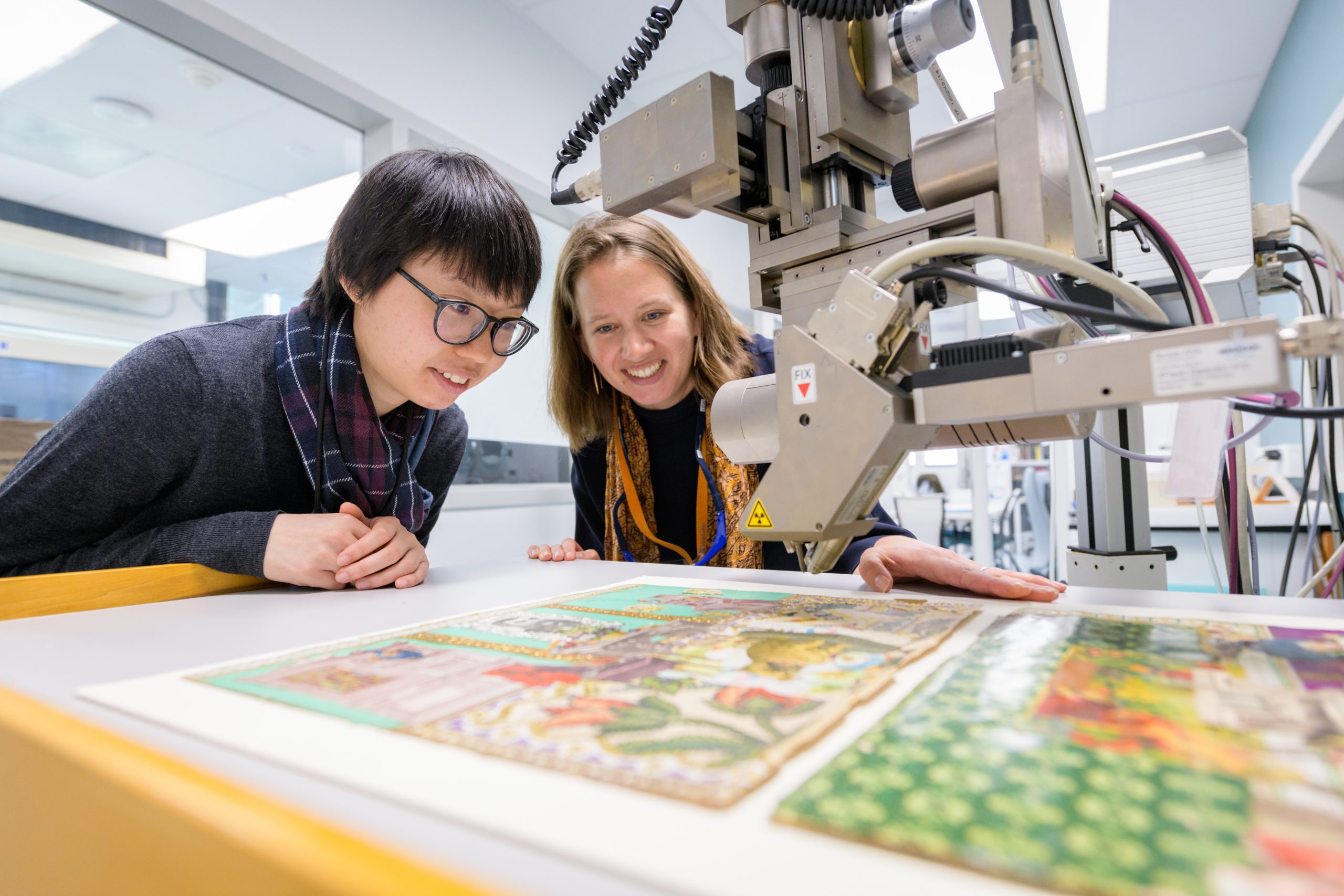
Key Highlights
- Advancing Knowledge – Research continuously expands our understanding of various disciplines.
- Solving Real-World Problems – By addressing practical challenges, research drives innovation and informed decision-making.
- Empowering Societal Progress – Research shapes policies and fuels economic, social, and technological advancements.
The Multifaceted Role of Research in Society
Research is a systematic process that underpins the advancement of human knowledge and society as a whole. Whether we consider academic endeavors, technological progress, or policy formulation, research acts as the backbone for growth, encouraging deep inquiry and robust analysis. At its core, research is the method by which we question, test, and refine our understanding of the world. By rigorously gathering data and critically analyzing evidence, research fosters an environment where theoretical perspectives are continuously reassessed in light of emerging realities. This dynamic process not only expands our collective knowledge but also directly contributes to innovation and enhanced problem-solving capabilities.
Expanding Knowledge and Understanding
Foundational Growth
One of the most significant contributions of research is its role in expanding our comprehension of the world. Through detailed studies and systematic inquiries, research facilitates the development of new theories and the refinement of existing ones. This progression leads to advancements in various fields such as natural sciences, humanities, social sciences, and arts. In every distinct discipline, research drives the evolution of ideas by allowing scientists and scholars to challenge assumptions, reevaluate hypotheses, and generate new insights.
In the process of generating new questions and seeking answers, research not only deepens our knowledge base but also encourages intellectual curiosity. This curiosity is instrumental in fostering critical thinking skills, a prerequisite for both academic pursuits and practical problem-solving in everyday life. Hence, research is not merely an abstract academic exercise, but a substantial contributor to the continuous intellectual development of societies.
Evidence-Based Decision-Making
In our increasingly complex world, decisions in both public and private sectors require a solid foundation of data and evidence. Research provides that foundation. By applying systematic methods to collect and analyze information, research enables policymakers, educators, and industry leaders to make well-informed decisions. Whether it is developing public health initiatives, crafting educational reforms, or driving business strategies, thorough research ensures that the decisions made are rooted in verifiable evidence.
The ability to discern high-quality data from less reliable sources is an invaluable skill developed through research. As organizations evaluate various strategies or policies, the insights derived from robust research studies play a decisive role in predicting outcomes and mitigating risks. In this sense, research acts as both a diagnostic tool and a guide, ensuring that strategic decisions lead to the desired outcomes.
Research as a Catalyst for Innovation and Problem-Solving
Driving Technological Advancement
Innovative Processes and New Technologies
One of the primary benefits of research is its ability to inspire innovation. By probing the boundaries of what is known, research identifies gaps and untapped opportunities that lead to breakthroughs. In fields like medicine, engineering, and information technology, the discoveries made through diligent research have catalyzed seismic shifts in how we live and work.
Consider the development of medical treatments and technological innovations. Medical research into cellular biology and genetics has paved the way for revolutionary treatments that target complex diseases. Similarly, breakthroughs in technology, spurred by academic and corporate research, have led to the creation of tools that improve connectivity and productivity. This continuous cycle of discovery and application is what drives society forward.
Systematic Problem-Solving
Beyond mere innovation, research plays a pivotal role in diagnosing and solving problems that affect both local and global communities. From tackling climate change to addressing economic disparities, research enables the identification of the underlying causes of issues and the formulation of targeted solutions. Whether it is through controlled experiments, field studies, or data analysis, research helps pinpoint the exact mechanisms by which problems arise and, consequently, offers pathways to solutions.
The iterative nature of research means that improvements are always within reach. By constantly reviewing and building upon previous findings, researchers can develop increasingly effective methods for solving some of the world’s most pressing problems. This ongoing cycle of inquiry and resolution underlines the essence of progress and underscores why research remains an invaluable asset for society.
Societal Impact and Policy Development
Informing Policy Making and Social Change
Bridging the Gap Between Academia and Practice
Research plays an instrumental role in shaping both public opinion and governmental policies. By providing solid evidence and sound reasoning, research findings inform policy decisions and shape the framework within which societies operate. Whether it is through large-scale surveys, clinical trials, or longitudinal studies, the objective data gleaned from research forms the basis for addressing social issues such as poverty, environmental degradation, and healthcare accessibility.
Evidence-based policymaking has become a cornerstone of modern governance. Decision-makers rely on rigorous research to guide initiatives and reforms, ensuring that they address the root causes of societal challenges rather than merely treating the symptoms. As such, the contributions of research extend from academic journals into the corridors of government, impacting legislation and public administration.
Economic Growth and Industrial Development
Modern economies thrive on innovation, and research is the lifeblood of innovation. Through systematic investigations, research can lead to the creation of entirely new industries and sectors, spawning economic growth and job creation. Historical examples abound—from the technological revolution led by advancements in computing to the modern digital economy shaped by array of research-driven innovations.
Furthermore, research nurtures entrepreneurship. As researchers develop new technologies or processes, opportunities arise for startups and established businesses alike to capitalize on these innovations. This cycle of research, innovation, and industrial development not only fuels economic expansion but also contributes to a higher quality of life by driving improvements in products, services, and overall living standards.
Research as a Tool for Personal and Professional Growth
Educational Enrichment and Critical Thinking
Enhancing Academic Experiences
For students and professionals, actively engaging in research cultivates a range of cognitive and analytical skills that are vital in today’s complex world. Research encourages meticulous thinking, attention to detail, systematic problem-solving, and the capacity to synthesize diverse information sources into coherent conclusions. These skills are transferable, influencing not only academic performance but also professional development and personal decision-making.
Participation in research projects fosters an environment of inquiry and continuous learning. For instance, students who undertake research projects learn to design experiments, perform data analysis, and present findings in a structured manner. Such experiences are invaluable as they prepare learners for real-world challenges by promoting a disciplined approach to inquiry and encouraging them to challenge prevailing norms.
Professional Skill Development
In the professional arena, research skills are increasingly seen as an essential competency. Many companies and institutions invest heavily in research and development (R&D) departments to maintain a competitive edge and ensure economic resilience. Employees skilled in research methodologies are capable of navigating complex problems and proposing innovative solutions, thereby contributing significantly to organizational growth.
Beyond immediate workplace benefits, the habit of engaging in research fosters lifelong learning. It empowers individuals to adapt to new challenges, understand emerging trends, and remain relevant in a rapidly changing world. Whether it involves staying abreast of advancements in technology or understanding evolving market dynamics, the skills honed through research provide a durable foundation for professional growth.
Comparative Analysis: Research Impact Overview
To illustrate the overarching impact of research across different areas and to better understand its multidimensional value, consider the following table which summarizes the various aspects of research and their corresponding impacts:
| Aspect | Description | Impact |
|---|---|---|
| Knowledge Expansion | Systematic inquiry leads to new discoveries and refines existing theories. | Enhances understanding across various academic and practical domains. |
| Problem Solving | Research provides answers to pressing questions by addressing specific challenges. | Drives innovations in healthcare, technology, and environmental solutions. |
| Policy Formulation | Evidence-based research is foundational to developing informed public policies. | Improves governance, resource allocation and public services. |
| Economic Development | Innovation stemming from research drives industrial growth. | Creates new industries, jobs, and enhances global competitiveness. |
| Personal Growth | Involvement in research nurtures critical thinking and analytical skills. | Boosts academic performance and professional competence. |
Real-World Examples Illustrating Research Impact
Transformative Discoveries
Medical Breakthroughs
Medical research is one of the most visible areas where rigorous studies have led to life-saving innovations. The development of vaccines, antibiotics, and sophisticated diagnostic tools has fundamentally transformed public health. For example, research into virology and immunology has enabled rapid responses to emerging infectious diseases, significantly reducing global mortality rates. Each scientific paper, clinical trial, or pharmaceutical innovation incrementally contributes to a larger body of knowledge that ultimately improves global healthcare outcomes.
Technological Innovations
In the realm of technology, research has revolutionized nearly every aspect of daily life. From the advent of the internet and smartphones to advances in artificial intelligence and renewable energy, research has been the catalyst for these transformative developments. Scholarly investigations and practical experiments alike have shown that research-driven innovation creates tools that simplify tasks, enhance communication, and even provide platforms for further scientific exploration. This perpetual cycle of research and application is one of the primary forces behind economic and social transformation in the modern world.
Societal and Environmental Benefits
Social Policy and Community Development
Research plays a critical role in identifying discrepancies in social systems and providing mitigation strategies that address issues such as poverty, inequality, and access to education. Studies that scrutinize social policies often inform reforms that help bridge the gap between idealistic goals and practical realities. For instance, urban studies and demographic research have influenced housing policies and community development projects, ensuring that initiatives are responsive to the needs of diverse populations. In doing so, research not only rectifies systemic issues but also crafts solutions that can be implemented at local, national, and international levels.
Environmental Studies and Sustainability
As the global community grapples with environmental challenges, research has become indispensable in understanding climate dynamics and formulating strategies for sustainable development. Environmental research explores the complex interactions between human activities and natural systems, providing insights that help mitigate the adverse impacts of climate change. Through methodologies such as climate modeling, ecosystem monitoring, and energy efficiency studies, researchers have contributed substantially to the development of renewable energy sources, conservation strategies, and resilient agricultural practices.
Emerging Trends and Future Directions in Research
Interdisciplinary Approaches
Breaking Down Silos
The future of research lies in interdisciplinary collaborations that combine insights from diverse fields. As the challenges facing modern society grow more complex, solutions increasingly require perspectives that transcend traditional disciplinary boundaries. By merging methodologies from fields as varied as data science, sociology, economics, and environmental studies, researchers are able to design studies that are not only comprehensive but also highly relevant to contemporary issues. This trend towards interdisciplinarity is promoting a synthesis of ideas where technology, human behavior, and environmental science intersect, leading to more robust and adaptable solutions.
Global Collaboration and Open Access
Sharing Knowledge Worldwide
Global collaboration is revolutionizing the nature of research. Advances in communication technologies have made it easier for researchers from different parts of the world to collaborate and share their findings. Open access initiatives are equally transforming research by making methodologies and results available without barriers. This movement democratizes information, allowing for faster and more effective responses to global challenges. When scholars and practitioners share data and insights freely, innovative ideas can be cross-pollinated across national and cultural divides, ultimately accelerating both scientific discovery and economic progress.
Synthesis of Research Insights
In summary, the importance of research is reflected in its capacity to deepen our understanding of the world, facilitate problem-solving, drive innovation, and shape societal progress. Research serves as both the foundation for evidence-based decision making and the catalyst for technological and medical breakthroughs. By nurturing critical thinking and fostering interdisciplinary collaboration, research not only influences individual academic or professional trajectories but also spurs broader economic and social advancements.
This multifaceted role positions research as an indispensable tool in a rapidly evolving global landscape. When we engage in research, we are not simply collecting data—we are constructing a framework for understanding that supports continuous learning, adaptation, and improvement. The ripple effects of such inquiry extend far beyond the laboratory or the academic journal; they shape the policies, technologies, and innovations that define the future of our society.
References
- The Importance of Research in the Advancement of Knowledge and Society - Interes Journals
- 10 Reasons Why Research is Important - The Important Site
- Importance of Research in Society - Cayuse
- The Importance of Research - Deep Dark Mind
- The Role of Research at Universities: Why It Matters - Forbes
Recommended Related Queries
 amazon.com
Last updated March 7, 2025