
Comprehensive Overview of Research Participants
Explore the essentials of research participation, ethical considerations, and opportunities
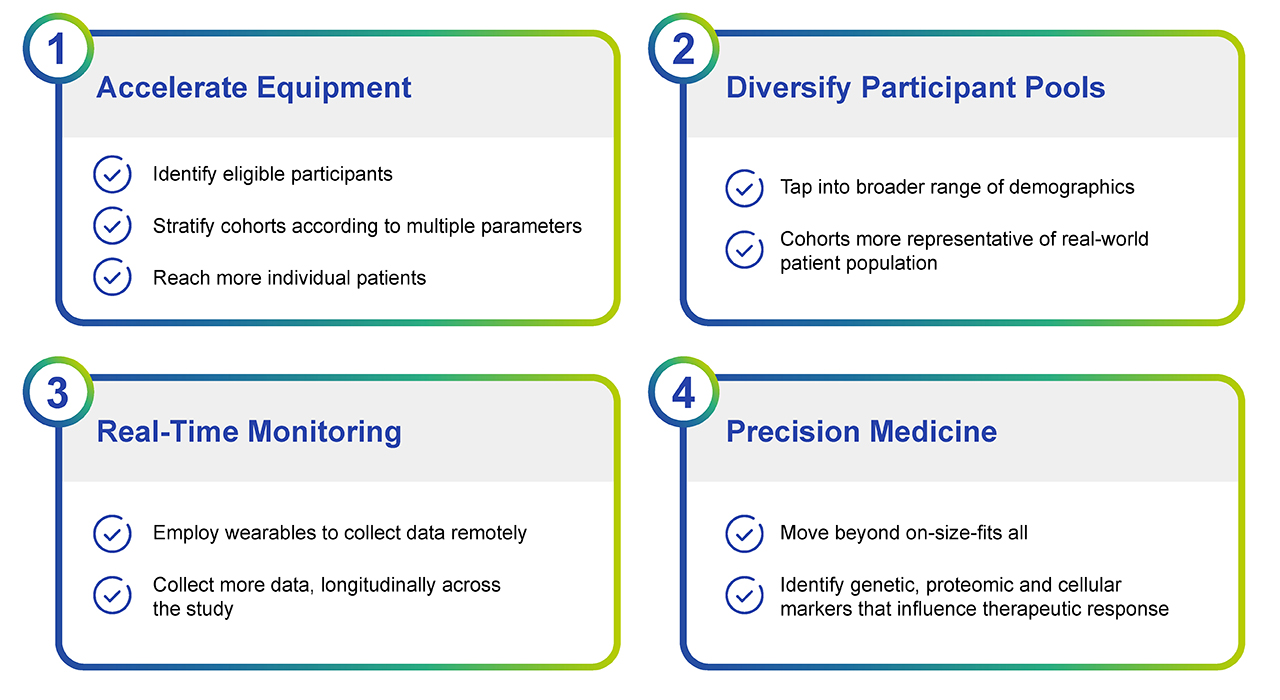
Key Highlights
- Voluntary Participation: Research participation is always voluntary, ensuring informed consent and a right to withdraw.
- Eligibility & Diversity: Studies seek both healthy volunteers and individuals with specific conditions, following clear eligibility criteria.
- Ethical & Practical Considerations: Strong ethical guidelines, including IRB oversight, are crucial to safeguarding participants' rights and confidentiality.
Introduction
Research participants are essential contributors to scientific studies, clinical trials, and qualitative research projects. Their involvement not only drives the progress of scientific knowledge but also supports breakthroughs in medicine, social sciences, and various other disciplines. This comprehensive overview will explore who research participants are, the different types of studies in which they may participate, the eligibility criteria often applied, and crucial ethical considerations. Additionally, the overview discusses the available avenues for individuals to find participation opportunities and the broader benefits that such contributions bring to society.
Who Are Research Participants?
Definition and Role
Research participants are individuals who voluntarily take part in research studies by providing data, experiences, or observations that are pivotal to a study's outcomes. Unlike the historical label of "subjects," the term "participants" reflects a more collaborative and respectful partnership in the research process. This evolution in terminology acknowledges the valued role of individuals who not only contribute data but also provide insights into their experiences and perspectives—especially in qualitative research contexts.
Types of Research Participants
The diversity among research participants is central to designing effective studies. Research studies typically categorize participants into different groups based on factors like health status, demographics, or specific experiences. The following are some common categories:
Healthy Volunteers
These individuals participate despite not having the condition being studied. Their involvement is essential for establishing control baselines and could contribute to determining the normal range of responses or outcomes in comparison to specific affected groups.
Participants with Specific Health Conditions
Many studies focus on individuals with defined medical or health conditions. For instance, research on chronic diseases, mental health disorders, or rare genetic conditions often requires participants who have firsthand experience with these issues. Their involvement not only enhances the relevance of the findings but also helps tailor future interventions or treatments based on observed outcomes.
Age-specific and Demographically Diverse Groups
Research studies may target specific age brackets to explore developmental or degenerative processes. Additionally, demographic characteristics such as gender, socioeconomic status, or ethnicity might be essential for analyzing variations in outcomes, ensuring that research findings are both balanced and applicable to a broader population.
Eligibility Criteria and Recruitment
Eligibility Requirements
Eligibility criteria are set by researchers to ensure that participants meet the specific needs of the study. These criteria may include:
- Age requirements, which can be crucial when studying developmental or age-related phenomena
- Health status—participants may be required to be either healthy or diagnosed with a particular condition
- Gender or ethnicity specifics, depending on the study’s goals
- Other attributes, such as lifestyle factors, socioeconomic status, or geographical location
In certain cases, studies may also require technical capabilities such as the ability to use a webcam or microphone, particularly in research conducted via digital platforms.
Recruitment Methods
Different strategies are employed by research institutions to recruit participants, including:
Institutional Recruitment
Many universities and hospitals advertise research opportunities through their networks and websites. Academic institutions and medical centers like clinical research organizations often have dedicated pages and portals where interested individuals can find opportunities that best match their interests and backgrounds.
Online Platforms
There are several online platforms specifically designed to connect research participants with studies. These platforms may offer advanced search capabilities, secure registration, and guidance to help potential participants navigate available studies. Some platforms focus on paid research opportunities that require virtual participation using video conferencing tools.
Community Outreach and Advertising
Researchers also use traditional advertising methods such as flyers, community events, and social media campaigns to reach a diverse audience. Collaborations with community organizations can help increase participation rates, especially among underserved or hard-to-reach populations.
Benefits and Considerations of Participation
Benefits to Research and Society
Participation in research provides invaluable benefits to both scientific progress and the individuals involved. Here are some of the key benefits:
- Advancing Scientific Knowledge: Every participant contributes to answering critical research questions, leading to breakthroughs in understanding diseases, behavioral patterns, or new technologies.
- Development of New Treatments: Data collected through clinical trials often facilitates the development of innovative therapeutic approaches and medications.
- Improved Public Health: The outcomes of research studies can lead to improved public health policies and preventive measures that benefit society at large.
- Personal Empowerment and Learning: Many volunteers find personal satisfaction in contributing to science, and some even gain insights into their own health.
Important Considerations for Participants
It is equally important for participants to be fully aware of their roles and rights within the research process:
Voluntary Participation
Participation in research studies is entirely voluntary. This means that individuals can choose whether or not to join a study without any coercion or undue pressure. Additionally, participants have the right to withdraw consent at any time, even after the study has begun.
Informed Consent
One of the most critical facets of research participation is informed consent. Before enrolling, participants are provided with comprehensive information regarding the study’s purpose, methods, potential risks, benefits, and their rights. This process ensures that participants can make a well-informed decision about whether to take part.
Privacy and Confidentiality
Protecting the privacy of participants is a fundamental ethical requirement in research. Institutional guidelines and review boards ensure that sensitive information is kept secure and that any published data does not compromise individual identities.
Potential Risks and Burdens
While research participation offers many benefits, it may also involve risks such as side effects from experimental treatments or a time commitment that could impact daily life. This is why a thorough risk-benefit analysis, along with participant consent, is essential before proceeding.
Ethical Standards and Institutional Oversight
Role of Institutional Review Boards (IRBs)
Institutional Review Boards (IRBs) are committees that review and approve research proposals to ensure that ethical standards are met. These boards play a vital role in protecting the rights and welfare of research participants by:
- Assessing the risk-to-benefit ratio of proposed studies
- Ensuring informed consent processes are comprehensive
- Monitoring ongoing studies for ethical compliance
Through these measures, IRBs help to foster a safe and respectful research environment where participants can contribute with confidence.
Special Considerations for Vulnerable Populations
Research often involves vulnerable populations — such as children, the elderly, or individuals with limited decision-making capacity. When these groups are involved, researchers must take additional precautions to ensure that participation does not expose them to undue risk. Special protocols, including additional informed consent procedures and heightened oversight, are implemented to safeguard these participants.
Finding Research Participation Opportunities
Online and Institutional Resources
Individuals interested in participating in research studies have a variety of resources at their disposal. Many platforms and institutional websites have dedicated sections for research participation opportunities. These online toolkits enable users to search for studies by location, health condition, age group, and other criteria.
For example, there are secure online portals that match volunteers with researchers who are studying topics ranging from chronic health conditions to behavioral sciences. Major academic and healthcare institutions also publicize their clinical trials and studies, making it easier for volunteers to find opportunities that align with their interests and eligibility.
Practical Tips for Interested Participants
If you are considering participating in a research study, here are some practical steps you should take:
Research the Study
Before committing to any study, review all available information regarding its purpose, procedures, potential risks, and benefits. Understanding these details will help ensure that the study aligns with your personal values and health needs.
Evaluate Ethical Practices
Look for studies that have been approved by reputable ethics committees or IRBs. Reputable studies always ensure that there is a clear process for informed consent and adequate measures to protect your privacy.
Prepare Necessary Facilities
Depending on the nature of the study, you may need to have access to specific technology, such as a webcam or microphone for virtual studies, or be able to travel to a clinical site for hands-on research activities.
Identifying these requirements in advance can help you decide whether a particular study is a good match for you.
Comparison of Platforms and Institutional Opportunities
To further illustrate the variety of opportunities available, the following table offers a comparison of different types of platforms used to connect research participants with studies:
| Platform/Source | Type of Study | Key Features |
|---|---|---|
| University Research Centers | Clinical Trials and Behavioral Studies | Direct engagement with academic professionals, in-person and online studies |
| Hospital Research Departments | Medical and Clinical Research | Access to latest clinical trials, specialized research on health conditions |
| Online Volunteer Platforms | Paid and Unpaid Studies, Virtual Participation | Remote engagement, flexible scheduling, and use of multimedia tools |
| Specialized Research Institutes | Diverse Research Areas | Wide-ranging studies from basic science to applied social research |
Ethical Implications and Participant Rights
Navigating the Ethical Landscape
The ethical integrity of research is paramount, and studies must adhere to rigorous ethical codes. Participants are afforded a range of rights designed to ensure respect, dignity, and safety. These rights include full disclosure through informed consent, assurance of confidentiality, and the ability to withdraw from a study without penalty.
Participant Protections and Responsibilities
In addition to ethical safeguards, participants have responsibilities during their involvement in research studies:
- Accurate Reporting: Participants should provide honest and accurate data during assessments or interviews to aid researchers in drawing reliable conclusions.
- Adherence to Protocol: Following study procedures such as attending required sessions or completing surveys is essential for maintaining the integrity of the research.
- Active Communication: It is important for participants to communicate any adverse effects or concerns with the research team immediately.
In return, researchers are ethically bound to protect participants from undue harm and to use the data responsibly. These mutual responsibilities ensure that the research not only contributes to scientific progress but also respects the dignity of every individual involved.
Conclusion and Final Thoughts
In summary, research participants play a critical role in advancing our understanding across a multitude of fields. Whether through the detailed reporting of personal experiences or by participating in rigorous clinical trials, every volunteer adds significant value to scientific discovery. Voluntary participation, underpinned by strong ethical practices, informed consent, and institutional oversight, ensures that research remains both ethical and effective. From online platforms to institutional research centers, there is a wealth of opportunities available that cater to diverse groups. Balancing the need for comprehensive data with the requirement to safeguard personal rights, research participants perform an essential service that not only furthers medical and scientific progress but also benefits society as a whole. As research continues to evolve, the collaborative relationship between participants and investigators remains a cornerstone of ethical and impactful scientific inquiry.
It is important for anyone contemplating involvement in research to critically evaluate studies, seek opportunities that align with their personal and ethical standards, and recognize the mutual commitment between research teams and participants. With robust ethical frameworks and meticulous recruitment processes in place, the landscape of research participation continues to advance knowledge while upholding human dignity.
References
- Participate in Studies - ITHS
- ResearchMatch
- Participate in Clinical Studies - NIH Clinical Center
- Participate in Research Studies - National MS Society
Recommended Queries for Further Exploration
Last updated February 27, 2025