
Unlocking Research Success: The Blueprint of a Well-Chosen Problem
Discover why crafting the right research question is paramount and how to select one that truly matters in your field.
Key Insights: Navigating Your Research Journey
- Clarity is King: Formulating a research problem provides essential direction and focus, guiding every subsequent step of your investigation.
- Impactful Inquiry: A well-selected problem ensures your research is relevant and significant, with the potential to contribute meaningfully to knowledge or practice.
- Smart Selection: Choosing a research problem involves balancing feasibility, originality, ethical considerations, and personal interest to ensure a successful and rewarding research experience.
The Indispensable Role: Benefits of Formulating a Research Problem
The initial step of formulating a research problem is arguably one of the most critical stages in any research endeavor. It's more than just stating what you plan to study; it's about laying a robust foundation upon which your entire investigation will be built. A clearly defined research problem acts as a compass, guiding the researcher through the complexities of the scientific process. Let's explore the multifaceted benefits:
Provides Unwavering Direction and Focus
A well-articulated research problem sets the stage by defining the precise scope and objectives of the study. It acts as the main organizing principle, ensuring that the research remains on track, preventing detours into irrelevant territories. This clarity helps in delineating the boundaries of the investigation, making the research process more manageable and targeted.
Ensures Relevance and Significance
Formulating a research problem compels the researcher to consider its importance and potential impact. It addresses a specific gap in existing knowledge, a pressing societal issue, or a contradiction within a particular field. This process ensures that the study is not trivial but holds value, potentially influencing theory, practice, or policy. It justifies the "why" behind the research.
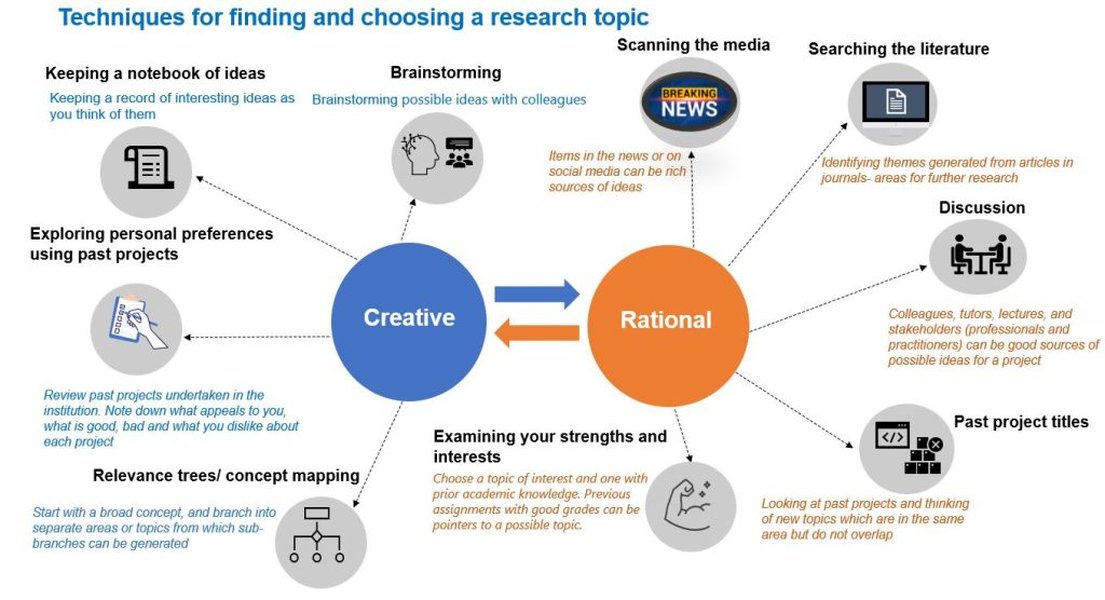
Identifying and choosing a research topic is a foundational skill.
Guides Research Design and Methodology
The nature of the research problem directly dictates the most appropriate research design, methodology, data collection techniques, and analytical approaches. Whether the problem calls for quantitative analysis, qualitative exploration, or a mixed-methods approach, its formulation provides the necessary cues for these crucial decisions.
Enhances Critical Thinking and Problem-Solving Abilities
The process of defining a research problem is an intellectual exercise that fosters critical thinking. It requires researchers to delve deep into the subject matter, analyze existing literature, identify inconsistencies or unanswered questions, and articulate a specific issue that needs investigation. This sharpens analytical and problem-solving skills, which are invaluable for any scholar.
Facilitates Efficient Resource Management
With a clear research problem, resources such as time, funding, and personnel can be allocated more effectively. It helps in filtering out non-essential information and focuses efforts on gathering only data relevant to solving the specific problem, thus preventing wasted effort and resources.
Improves Communication and Collaboration
A precise problem statement makes it easier to communicate the research's purpose, scope, and significance to supervisors, funding bodies, peers, and the wider academic community. Clear communication is vital for securing support, fostering collaboration, and disseminating findings effectively.
Forms the Basis for Hypotheses and Objectives
The research problem naturally leads to the formulation of specific research questions, testable hypotheses (in quantitative studies), or clear objectives. These, in turn, guide the data collection and analysis phases, ensuring a systematic approach to the investigation.
Identifies and Addresses Knowledge Gaps
A key function of research is to expand the frontiers of knowledge. A well-formulated research problem often arises from identifying gaps, contradictions, or under-explored areas in existing literature or practice. Addressing these gaps is how a field progresses.
Visualizing the Core: Research Problem Formulation and Its Pillars
The following mindmap illustrates the central role of the research problem and its key aspects, including the benefits of its formulation and the criteria for its selection. It provides a visual overview of how these components interconnect to form the bedrock of a successful research project.
Choosing Wisely: Criteria for Selecting a Research Problem
Selecting an appropriate research problem is a delicate art, profoundly influencing the research journey and its outcomes. While specific nuances may vary across disciplines, a set of universal criteria can guide researchers in any area of specialization. For an AI assistant like myself, "specialization" could broadly refer to areas like information science, AI ethics, or natural language processing. However, the following criteria are widely applicable to ensure the chosen problem is robust, meaningful, and achievable.
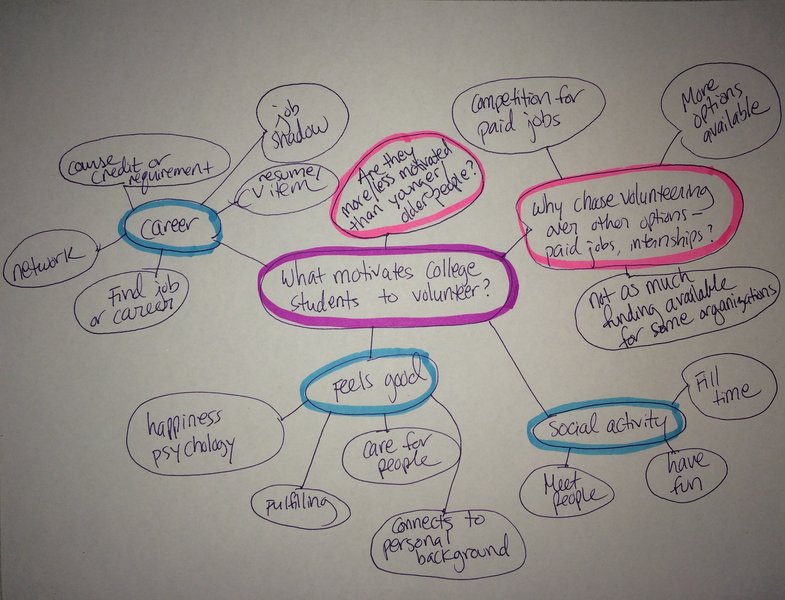
Brainstorming is often a key part of identifying potential research problems.
1. Significance and Relevance
The problem must be significant to the field of study. It should address a pertinent issue, fill a knowledge gap, or have the potential to contribute new understanding or practical solutions. Its relevance might be to theory, practice, policy, or societal needs. In rapidly evolving fields like technology or AI, relevance often means addressing current challenges or anticipating future trends.
2. Originality and Novelty
Research should aim to produce new knowledge. While it can build upon existing work, it should not merely duplicate what has already been done. The problem should offer a fresh perspective, investigate an unexplored area, or apply an innovative approach to an existing issue. True originality propels a field forward.
3. Feasibility
A crucial practical consideration. The problem must be researchable within the constraints of available resources. This includes:
- Time: Can the research be completed within a reasonable timeframe?
- Financial Resources: Is adequate funding available or obtainable?
- Data Availability: Are necessary data sources accessible? In fields involving large datasets or specific populations, this is paramount.
- Equipment and Technology: Is the required technology or instrumentation available?
- Researcher's Expertise: Does the researcher possess the necessary skills and knowledge, or can they be acquired?
4. Researcher's Interest and Passion
Research is a demanding and often lengthy process. Genuine interest and passion for the topic are vital for maintaining motivation, perseverance, and engagement, especially when encountering inevitable challenges.
5. Ethical Considerations
The research problem and the proposed methodology must adhere to strict ethical guidelines. This involves ensuring no harm to participants (human or animal), maintaining confidentiality and anonymity where appropriate, obtaining informed consent, and considering the broader societal implications of the research, especially in sensitive areas like AI ethics or medical research.
6. Researchability and Empirical Verifiability
The problem should be framed in a way that allows for empirical investigation. This means it should be possible to collect and analyze data to address the research questions. The concepts involved should be definable and, where possible, measurable. Problems that are too abstract or philosophical without an empirical anchor can be difficult to tackle scientifically.
7. Clarity and Specificity
The research problem must be stated clearly, concisely, and unambiguously. A vague or overly broad problem statement makes it difficult to design a focused study. It should be specific enough to guide the research questions and objectives effectively.
8. Potential for Impact
Consider the potential impact of solving the problem. Will the findings contribute to theoretical advancements, practical applications, policy changes, or societal betterment? Research that addresses real-world problems or has tangible benefits often garners more support and recognition.
9. Availability of Literature and Theoretical Support
While originality is key, a research problem usually builds upon existing knowledge. Sufficient background literature should be available to provide context, theoretical grounding, and inform the research design. If the area is entirely novel, the researcher must be prepared to lay substantial foundational work.
10. Scope and Manageability
The problem should have a scope that is manageable. Overly ambitious projects that attempt to solve too many issues at once can become unwieldy and are less likely to succeed. The problem should be well-delimited.
Summarizing Selection Criteria
The following table provides a concise overview of the key criteria for selecting a research problem, along with a brief explanation of why each is important.
| Criterion | Description | Importance |
|---|---|---|
| Significance & Relevance | The problem addresses an important issue or gap in the field. | Ensures the research contributes meaningfully to knowledge or practice. |
| Originality & Novelty | The problem offers new insights or explores uncharted territory. | Drives innovation and advancement within the discipline. |
| Feasibility | The research can be realistically conducted given available resources (time, funding, data, skills). | Ensures the project is practical and achievable. |
| Researcher's Interest | The problem genuinely interests and motivates the researcher. | Sustains engagement and perseverance throughout the research process. |
| Ethical Soundness | The research adheres to ethical principles and guidelines. | Protects participants and upholds the integrity of the research. |
| Researchability | The problem can be investigated empirically; data can be collected and analyzed. | Allows for evidence-based conclusions and verifiable results. |
| Clarity & Specificity | The problem is clearly defined and focused. | Provides clear direction for the research design and methodology. |
| Potential Impact | The findings have the potential to influence theory, practice, or society. | Enhances the value and reach of the research. |
| Literature Availability | Sufficient background literature exists to support the study. | Provides context and theoretical grounding. |
| Manageable Scope | The problem is well-delimited and not overly broad. | Increases the likelihood of successful completion and focused findings. |
Weighing the Criteria: A Comparative Perspective
Selecting a research problem often involves balancing these criteria. Different types of research projects or researchers at different career stages might prioritize these factors differently. The radar chart below offers an illustrative comparison of how various research orientations might weigh these criteria. For instance, fundamental research might heavily prioritize originality and theoretical significance, while applied research might focus more on societal impact and feasibility. A student project, while needing to be original, will place a strong emphasis on feasibility and alignment with the researcher's developing expertise.
This chart visualizes hypothetical weightings (on a scale where higher numbers indicate greater importance) for different research orientations. The specific values are illustrative and aim to show relative priorities rather than absolute measures. For example, 'Feasibility' and 'Researcher Interest' might be particularly high for a student project, ensuring it is manageable and sustainable.
Expert Insights: Selecting a Research Problem
Choosing a good research problem is a critical first step for any researcher. This video offers practical advice and considerations for navigating this complex process. It delves into key criteria, similar to those discussed, providing examples and tips to help you make an informed decision. Understanding these factors can significantly impact the success and relevance of your research endeavor.
The video, titled "Criteria for Selecting a Good Research Problem," provides an easy-to-understand explanation of how to select a research problem with suitable examples. It complements the textual information by offering a dynamic and engaging perspective on making this crucial choice, emphasizing aspects like suitability, interest, and the practicalities involved in undertaking a research project.
Frequently Asked Questions (FAQ)
What is the difference between a research problem and a research topic? +
A research topic is a broad subject area of interest (e.g., "climate change," "artificial intelligence in healthcare"). A research problem, on the other hand, is a specific issue, gap, difficulty, or contradiction within that broader topic that needs to be addressed or investigated (e.g., "The impact of rising sea levels on coastal communities in Southeast Asia," or "The ethical implications of using AI diagnostic tools in rural healthcare settings"). The problem statement narrows down the topic to a manageable and researchable question or set of questions.
How can I ensure my research problem is original? +
Ensuring originality requires a thorough literature review to understand what has already been studied in your area. Look for gaps in existing research, unresolved questions, conflicting findings, or areas that have been overlooked. Originality can also come from applying an existing theory to a new context, using a novel methodology to study an old problem, or investigating a very recent phenomenon. Discussing your ideas with mentors or peers can also help identify unique angles.
What if my chosen research problem turns out to be too difficult or not feasible? +
It's not uncommon for researchers, especially early in their careers, to find that their initial problem is too ambitious or faces unforeseen feasibility challenges (e.g., lack of access to data, insufficient resources, methodological hurdles). This is a normal part of the research process. The key is to be flexible. You may need to refine your problem, narrow its scope, adjust your methodology, or even pivot to a related but more manageable problem. Consulting with supervisors, mentors, or experienced colleagues is crucial in such situations to find a viable path forward.
How important is personal interest when selecting a research problem for a long-term project like a PhD? +
Personal interest is extremely important, especially for long-term projects like a PhD dissertation. A PhD is a marathon, not a sprint, and there will inevitably be periods of frustration, setbacks, and waning motivation. Genuine passion for your research topic can provide the intrinsic motivation needed to persevere through these challenges, maintain focus, and produce high-quality work. While other factors like significance and feasibility are also critical, a lack of personal interest can make the research journey feel like a burden rather than an exciting exploration.
Recommended Further Exploration
- How can one effectively conduct a thorough literature review to identify potential research gaps?
- What are the common pitfalls to avoid when formulating a precise and actionable research problem statement?
- What specific ethical considerations must be addressed when selecting research problems involving artificial intelligence or big data?
- How can a student researcher effectively balance the need for an original research problem with the practical constraints of feasibility for a thesis or dissertation?
References
Last updated May 12, 2025