
Research Report: Effects of Online Learning vs. Face-to-Face Learning
A Comprehensive Analysis of Educational Modalities in High School Research Format
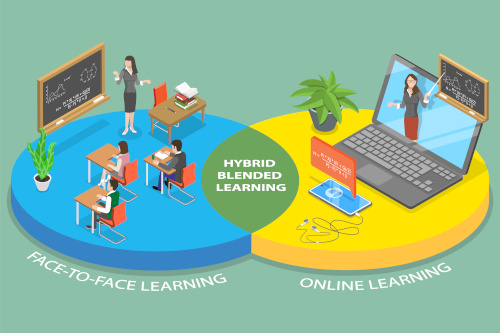
Key Insights
- Comparative Effectiveness: Face-to-face learning tends to enhance student engagement and performance through immediate interaction.
- Flexibility and Accessibility: Online learning offers notable flexibility, cost-effectiveness, and accessibility benefits.
- Hybrid Strategies: Combining both methods could maximize student outcomes by integrating flexibility with direct interaction.
Title Page
Title: The Effect of Online Learning vs. Face-to-Face Learning on Academic Performance
Author: [Your Name]
Course: [Your Course Name]
Date: March 10, 2025
Abstract
This research report investigates the impact of online learning as compared to face-to-face learning on student academic performance, engagement, and social interaction. By utilizing a high school research report format, the study explores the structural elements of both approaches including benefits and challenges. The report synthesizes data from multiple comparative studies and presents a comprehensive review of literature. The findings indicate that while online learning offers flexibility and increased accessibility, face-to-face instruction remains superior in fostering enhanced academic outcomes through direct interaction and hands-on experience. The report concludes that a hybrid model combining both modalities might be the most beneficial strategy to optimize learning.
Introduction
Background
Over the past decade, technological advancements have significantly altered the educational landscape. With the ever-increasing integration of digital platforms, online learning has emerged as a popular alternative to traditional face-to-face education. While online learning offers unprecedented flexibility and convenience, many educators and researchers argue that face-to-face learning environments provide essential benefits such as enhanced social interaction, immediate feedback, and improved engagement.
This report aims to examine the effects of online learning versus face-to-face learning on student performance in a high school context, detailing the merits and limitations of each modality. The structure of this report mirrors the conventional IMRAD (Introduction, Methodology, Results, And Discussion) format widely adopted in high school research.
Purpose of the Report
The primary objective is to provide a balanced analysis of both approaches, determining how they affect academic outcomes and student engagement. This report reviews relevant literature, includes empirical evidence, and evaluates the potential for a blended educational model that synthesizes online and face-to-face learning.
Literature Review
Theoretical Perspectives
Multiple studies have investigated the effectiveness of online learning compared to traditional classroom settings. Researchers have highlighted that online learning is particularly effective in offering flexibility for self-paced education and serving students with time constraints or geographic limitations. Conversely, face-to-face learning environments often excel in creating interactive and engaging settings that promote hands-on learning.
The literature broadly agrees that online learning enhances accessibility and enables students to engage with diverse resources such as video lectures, podcasts, and extensive online libraries. However, the absence of physical presence in online classes may impact the immediacy of feedback, which is crucial for learning complex subjects. Studies have shown that students in face-to-face classes benefit from real-time discussions and collaborative learning activities that are sometimes lacking in online platforms.
Empirical Evidence
Analyses from varied educational research indicate that students enrolled in face-to-face courses tend to achieve higher grades and report greater satisfaction due to direct interactions with instructors and peers. For example, a notable study from a community college setting revealed that students in conventional classrooms obtained statistically higher final grades than their online counterparts. On the other hand, online learning environments report significant benefits in terms of cost-effectiveness, reduced commuting times, and the ability to provide bespoke, individualized content.
Methodology
Research Design
The research approach for this report adopts a literature review methodology. Various peer-reviewed journals, case studies, and academic publications were analyzed to compare the academic performance metrics between different learning modalities. The review primarily focused on:
- Data on student engagement and interaction in face-to-face versus online settings.
- Comparative academic outcomes, including grade distribution and test scores.
- Student feedback regarding accessibility, flexibility, and overall learning satisfaction.
Data Sources
Primary sources of data were drawn from educational research databases and institutional studies published through online educational organizations. Key studies from sources such as EdTechRCE, Whatfix, and Mindroom provided valuable insights into the current trends and success rates observed in both learning modalities.
Procedure
The review process encompassed evaluating the methodological soundness of comparative studies, analyzing case studies for qualitative insights, and summarizing the quantitative findings in table format. This provided a well-rounded view of how each modality affects student outcomes and the challenges inherent in each approach.
Findings
Overview of Results
The synthesis of current research reveals a clear pattern in the efficacy of face-to-face instruction versus online learning. The observed outcomes include noteworthy differences in engagement, performance, and accessibility, as detailed below.
| Aspect | Face-to-Face Learning | Online Learning |
|---|---|---|
| Engagement | Higher interaction; real-time feedback enhances clarity and motivation. | Self-paced and flexible but may lack spontaneous engagement. |
| Performance | Generally higher academic outcomes; direct instructor support. | Varies based on self-discipline; integration of multimedia resources. |
| Flexibility | Less flexible; fixed schedules may limit adaptability. | Highly flexible and accessible; accommodates various schedules. |
| Resources | In-person hands-on experiences and real-time problem solving. | Access to extensive digital libraries and interactive modules. |
| Social Interaction | Robust; fosters teamwork and interpersonal skill development. | Limited opportunities for spontaneous collaboration; often isolated. |
Detailed Analysis
Studies indicate that student performance improves significantly with direct interaction available in face-to-face settings. The immediate feedback from instructors helps clarify doubts and solidify understanding. Moreover, the physical classroom environment encourages discipline and structure through scheduled classes and direct peer collaboration. In contrast, online learning is driven by self-motivation and reduced external supervision. While this format can lead to superior outcomes for well-organized learners, many students experience challenges such as distraction and a sense of isolation.
Cost-effectiveness remains one of the most prominent advantages of online learning. Eliminating the need for physical infrastructure and commuting, online education offers a budget-friendly alternative especially beneficial in remote and underserved areas. However, the potential loss of social interaction and the lack of immediate instructional support must be weighed against these economic benefits.
Discussion
Interpreting the Findings
The empirical data suggests that the optimal learning method is greatly influenced by individual learner needs and educational contexts. Face-to-face learning remains unparalleled in delivering real-time interactions and providing a structured environment, which are crucial for many subjects that require a hands-on approach. Students benefit from direct instructor support—a vital aspect that enhances the depth of understanding.
Conversely, for students with demanding schedules or those residing in remote areas, online learning provides an appealing alternative. The ability to access coursework at any time allows for personalized pacing and the opportunity to revisit challenging material. In addition, the utilization of diverse multimedia resources within online platforms can offer unique insights that traditional classrooms might not provide.
Ultimately, many researchers advocate for a hybrid model that combines the strengths of both modes of learning. By integrating the interactive, engaging components of face-to-face instruction with the flexibility and broad accessibility of online learning, educators can create a balanced educational system aimed at meeting diverse learner needs.
Implications for Future Educational Strategies
The insights drawn from the comparative analysis have significant implications for policy-makers and educational practitioners. Future strategies should consider investing in training for educators to effectively integrate digital tools in traditional classrooms. Moreover, the expansion of internet infrastructure and distribution of digital resources can help bridge the gap in online learning quality. A systematic blended learning approach could potentially transform the educational landscape by combining the advantages and mitigating the drawbacks of both modalities.
References
- Is Online Learning As Good As Face-to-Face Learning? - EdTechRCE
- Online Learning vs. Face-to-Face Learning: Which Is Best? - Whatfix
- Online Course vs. Face-to-Face - DigitalDefynd
- Six Key Benefits of Face-to-Face Learning - Mindroom
- In-Person vs. Online Learning Statistics - Upskillwise
Recommended Queries
Last updated March 10, 2025